Hot Topics //

-
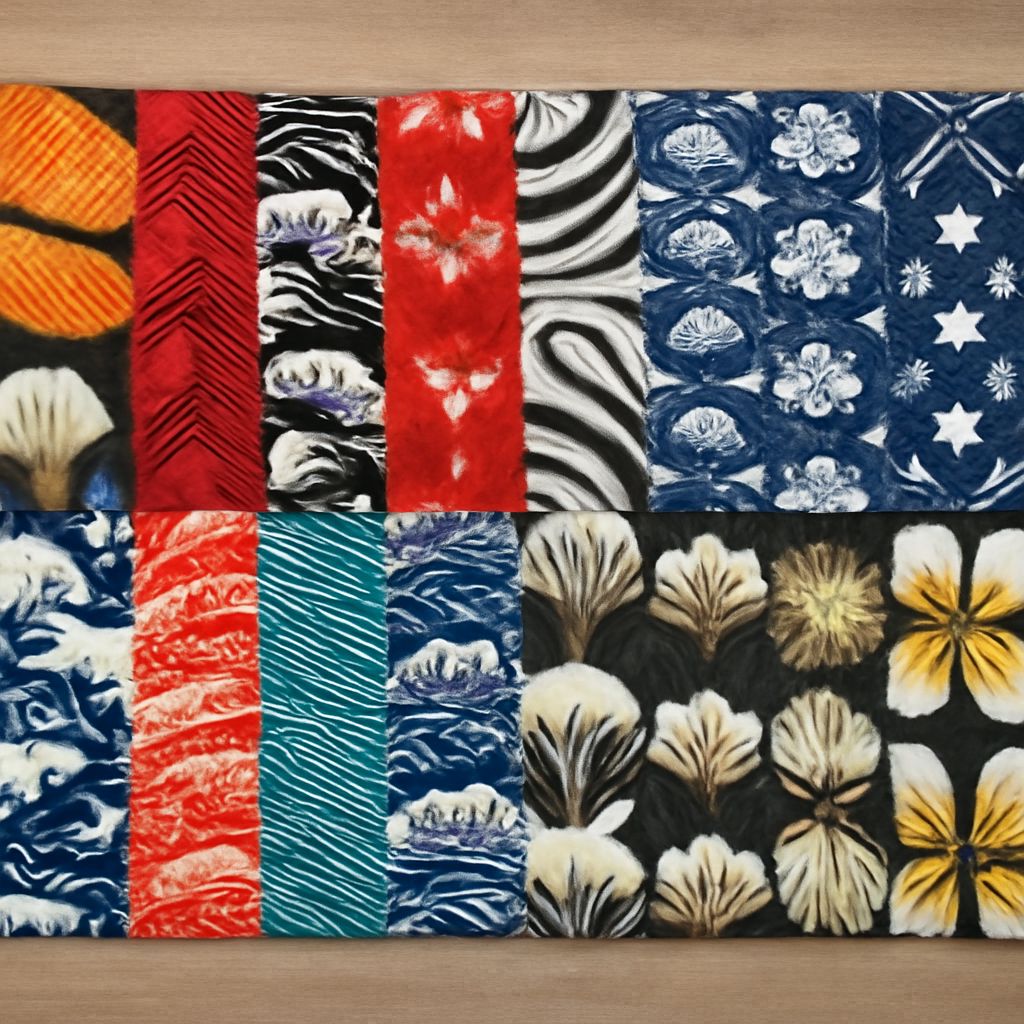
Kimono Patterns: Reading a Traditional Japanese Kimono
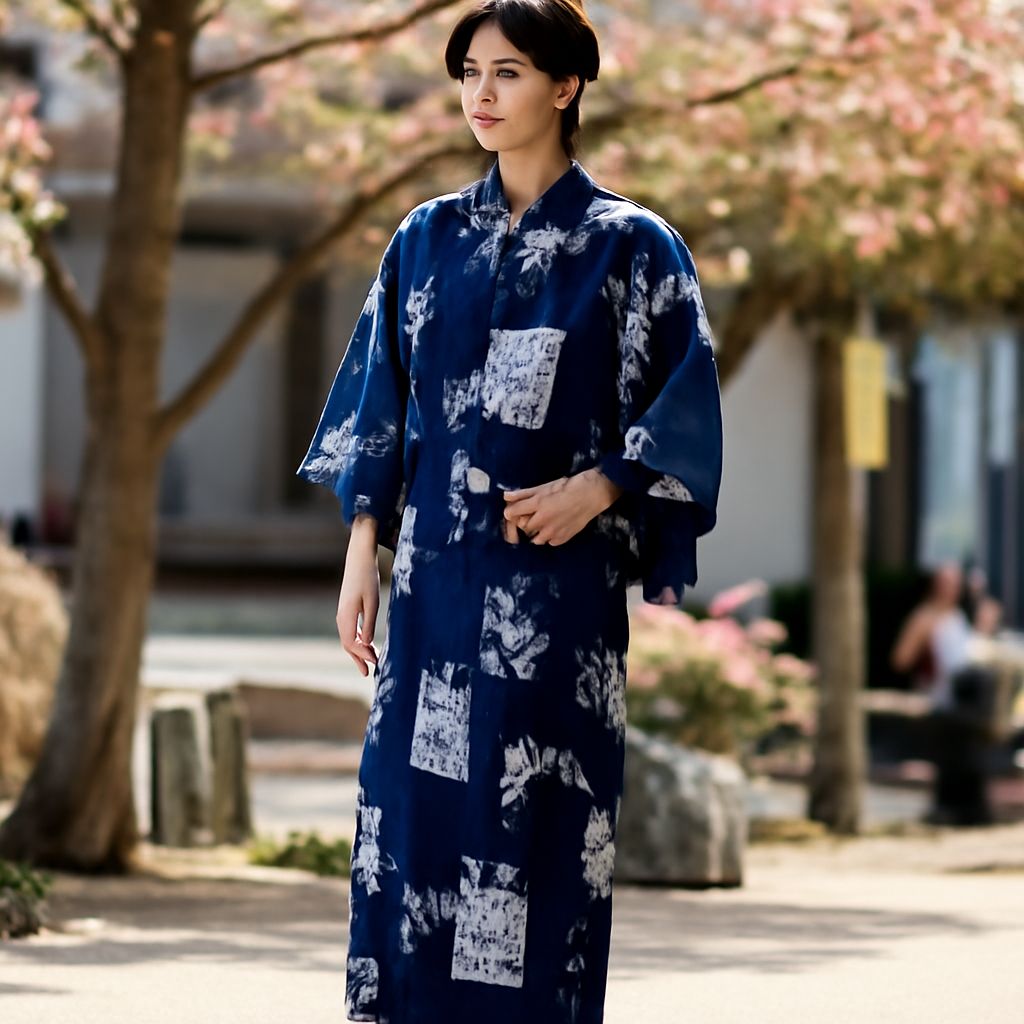
Kimono patterns show a traditional kimono through construction, season and occasion. Read Japanese motifs—seigaiha, cranes, cherry blossom and chrysanthemum—and use…
-
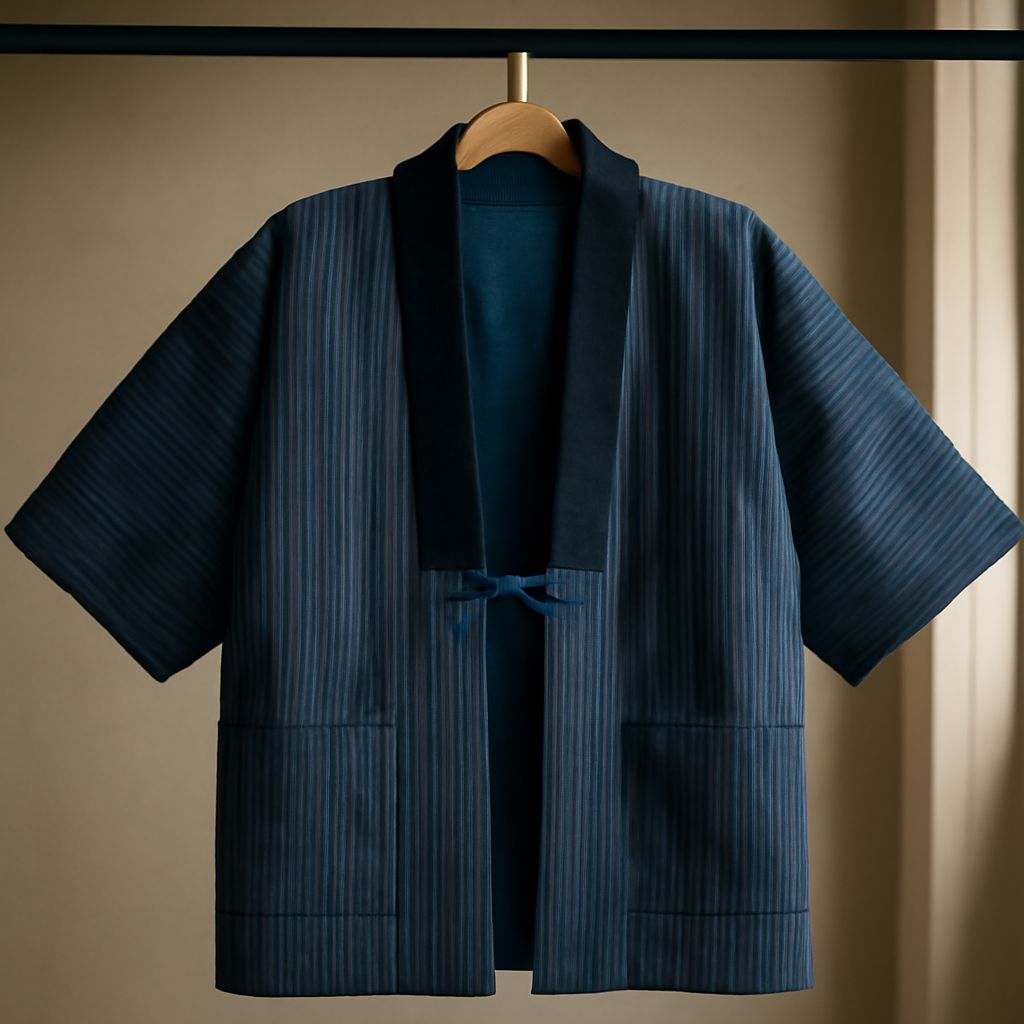
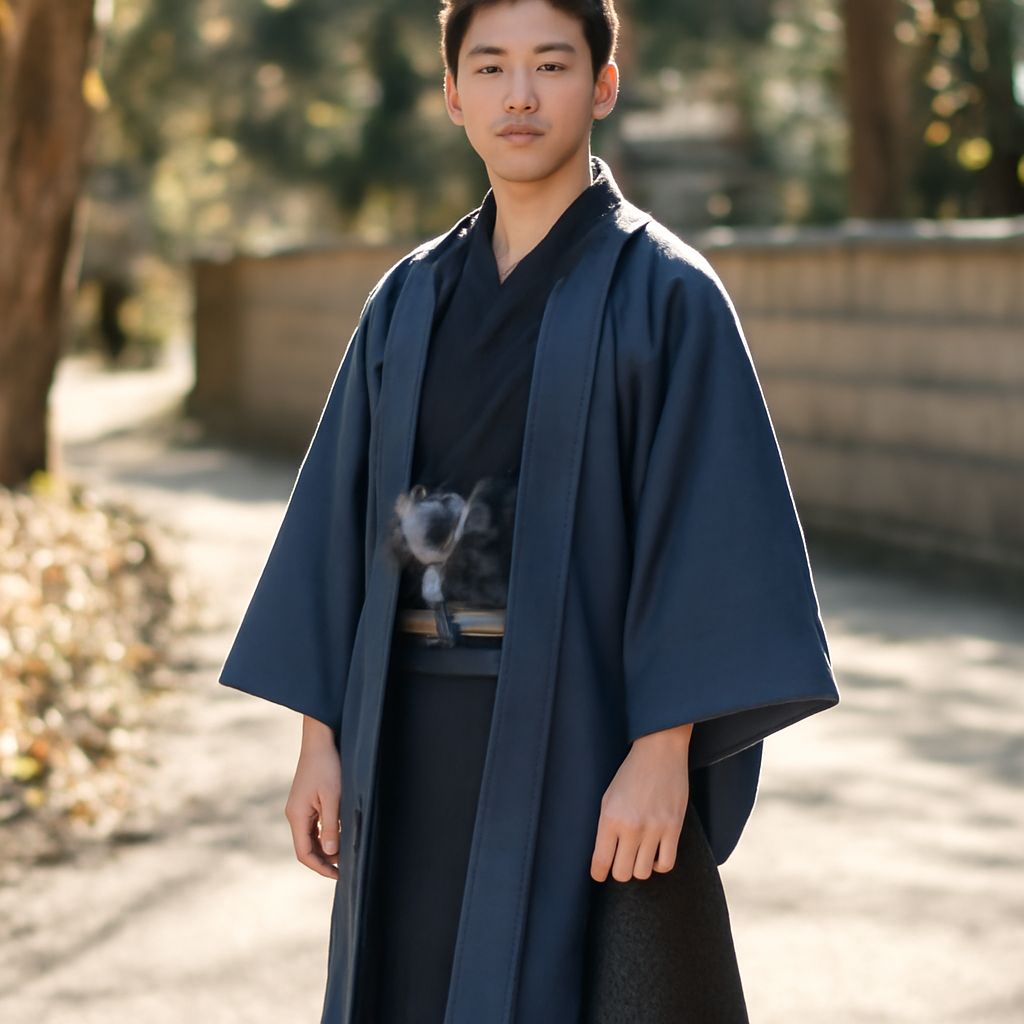
Hanten Coat vs. Haori: How Japanese Jackets Differ
Learn how a hanten coat differs from a haori. Compare padded workwear, lighter shirt-style layers and dressier open-front jackets by…
-
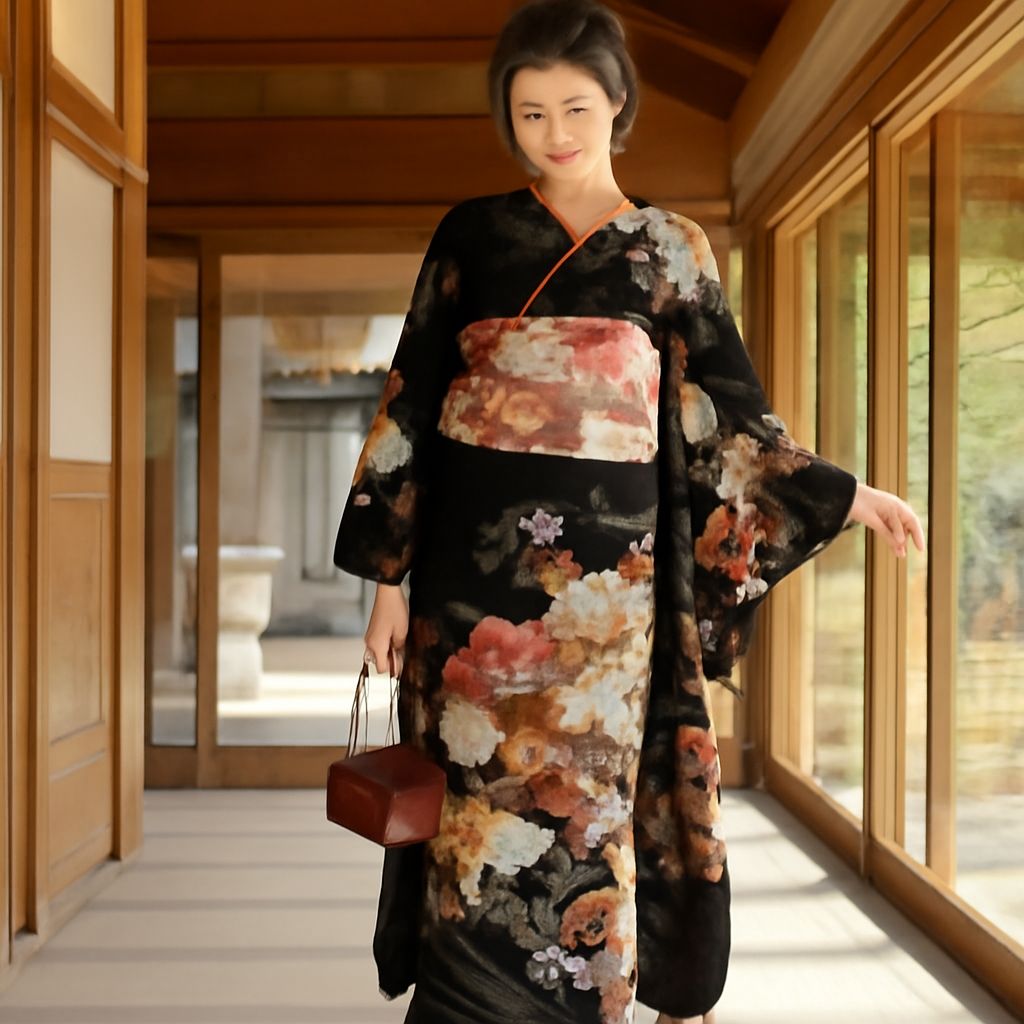
Funeral Kimono and Furisode: Japanese Formal Dress Explained
Learn how a funeral kimono differs from a furisode: black mofuku, family crests and subdued accessories suit mourners; white burial…
Most Recent Articles
-

Outdoor Fashion Photography: Light, Location and Poses
Outdoor fashion photography starts with a location and light plan that keeps garment fit, texture and silhouette clear. Use portrait…
-

Male Fashion Photography: Poses, Styling and Shot Variety
Plan male fashion photography around garment cut and brand mood, with clear direction for silhouette, movement, attitude, styling and clothing…
-
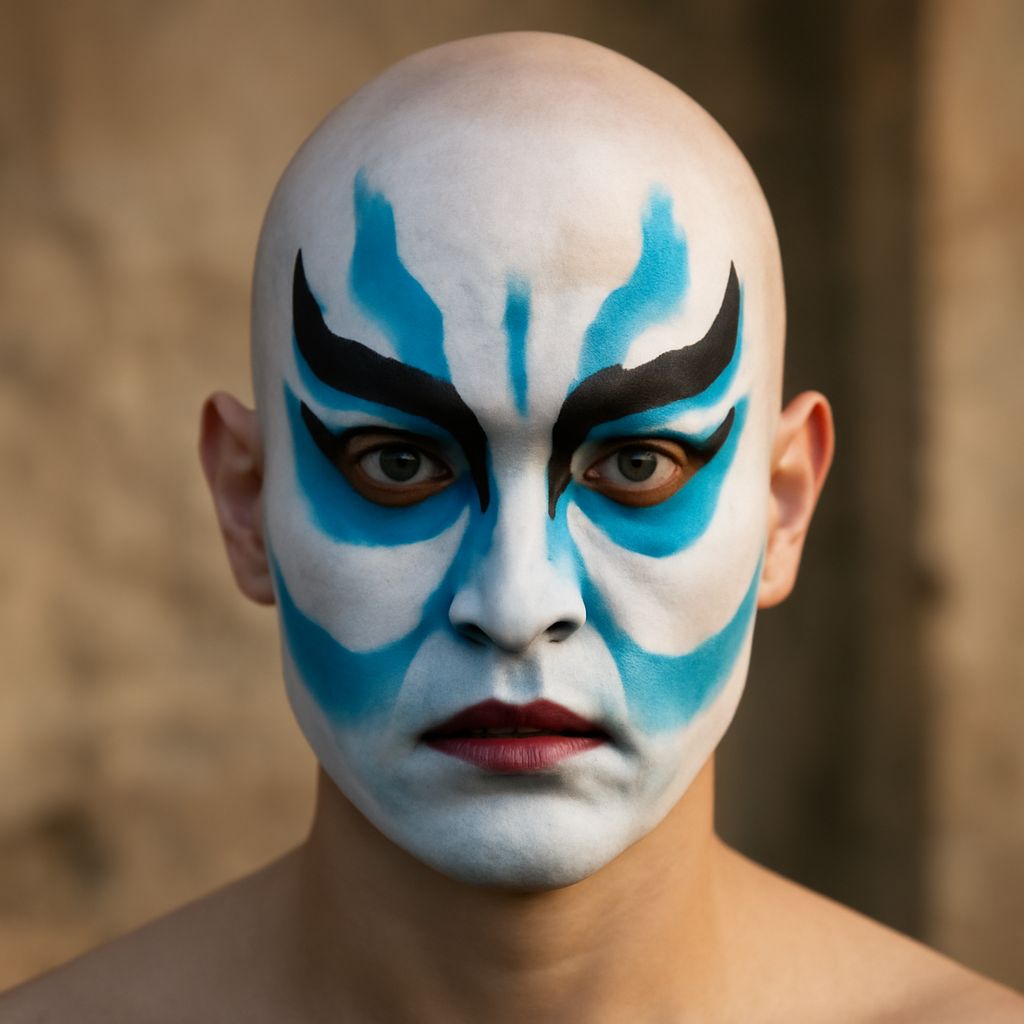
Kabuki Poses: Reading the Mie, Role and Face Paint
Learn how kabuki poses turn a performer’s stance, gaze, and timing into a mie, then connect onnagata tradition and painted…
-
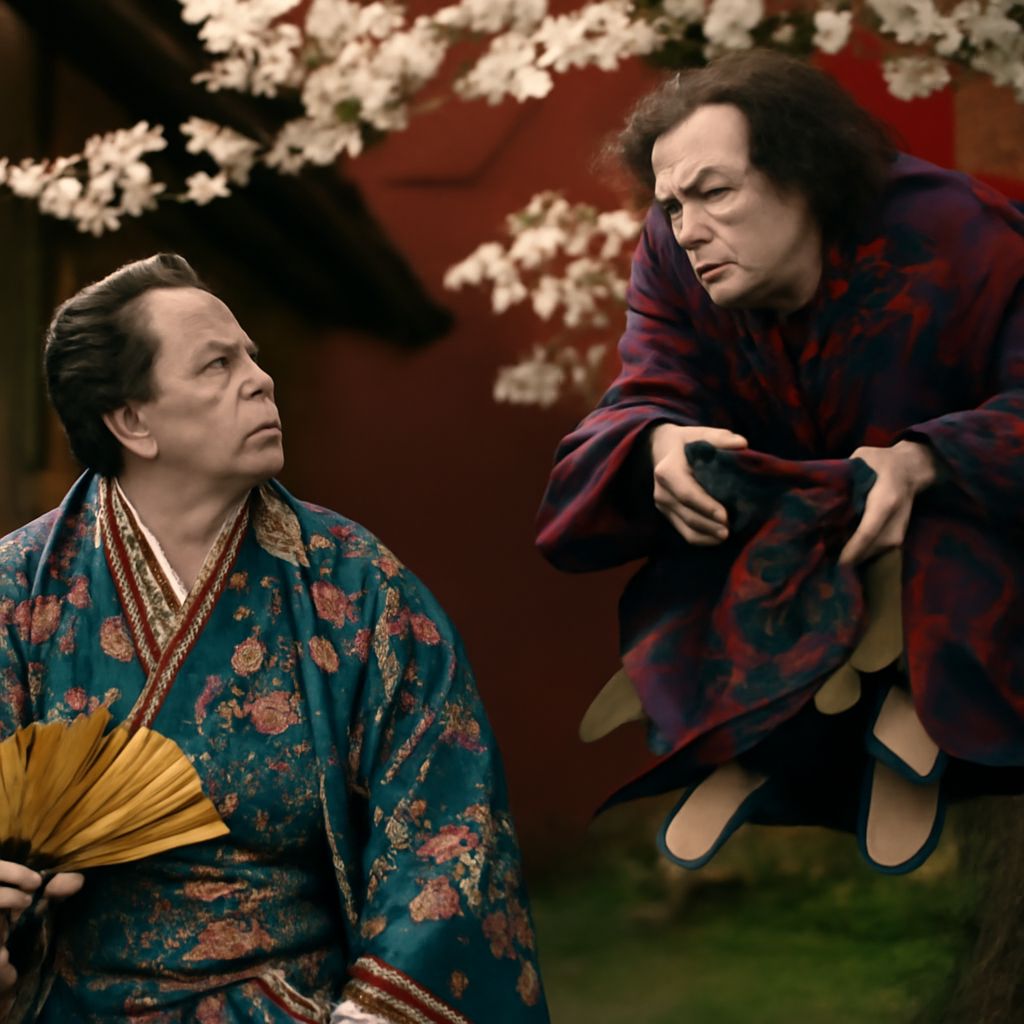
Kabuki Painting: How Stage Mie Poses Become Actor Prints
Kabuki painting explained: learn how a play builds a climactic mie pose through gaze, stance and timing, then see how…
-
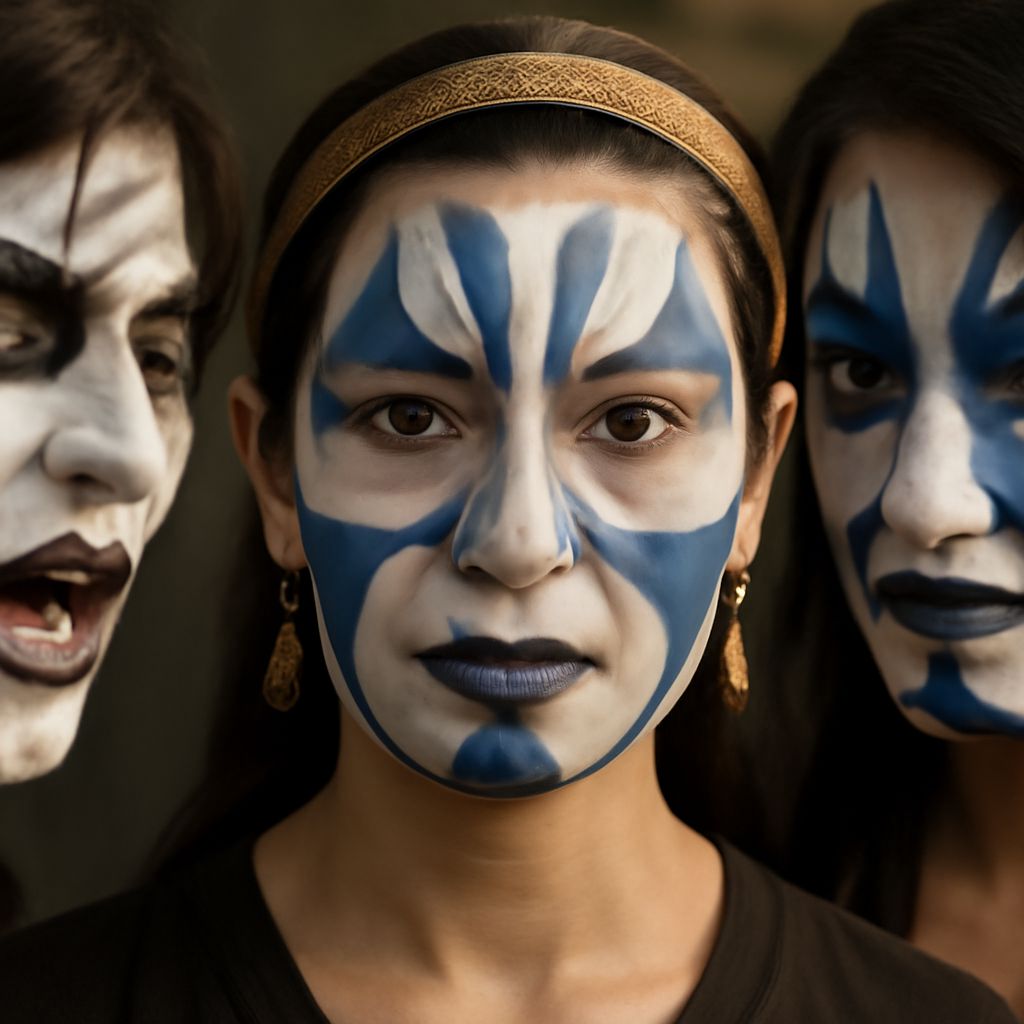
Kabuki Costume: How a Character Is Built for the Stage
Kabuki costume helps make a character legible from the stage. See how kabuki costumes use silhouette, textiles and contrast. Learn…
-
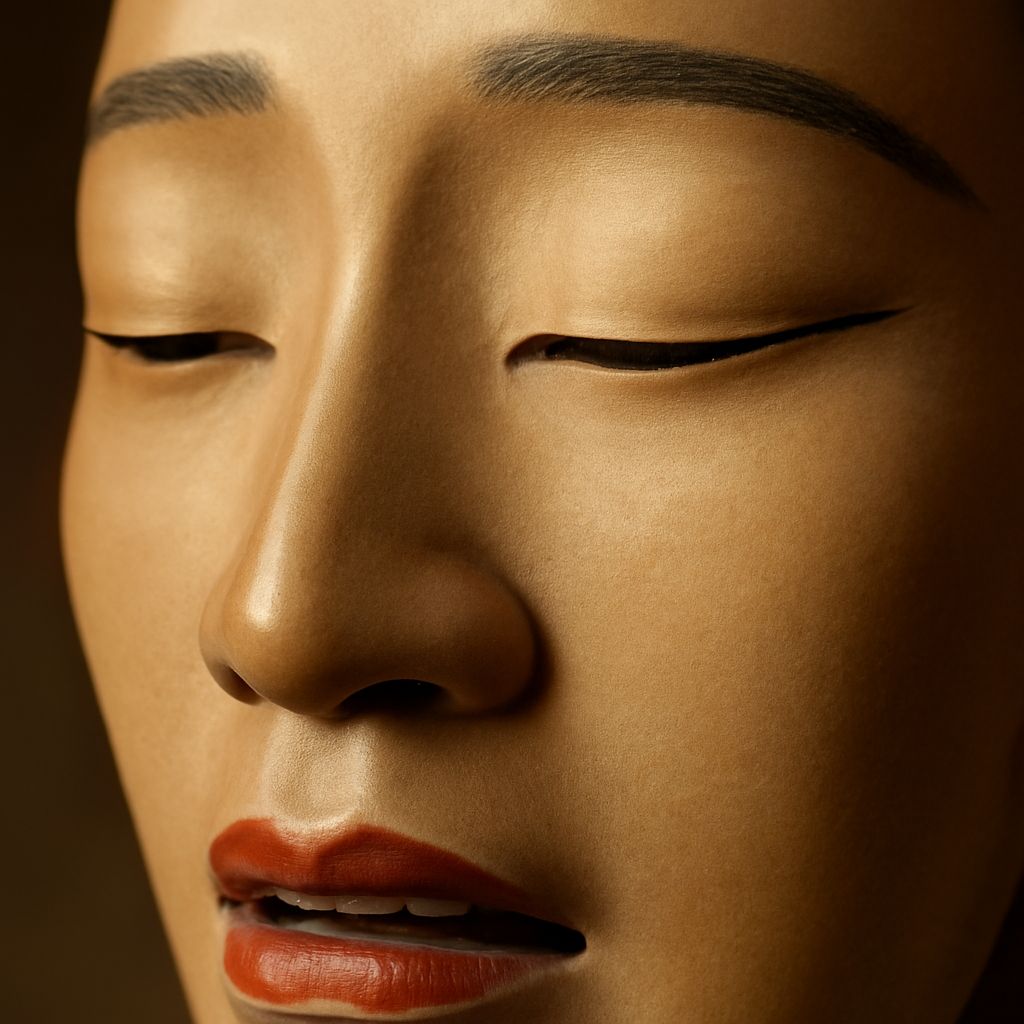
Japanese Kabuki Mask vs Noh Masks: What Japanese Theatre Actually Uses
Japanese kabuki mask is a common label, but Kabuki relies on kumadori makeup, wigs and costume—not carved masks. Learn how…
-
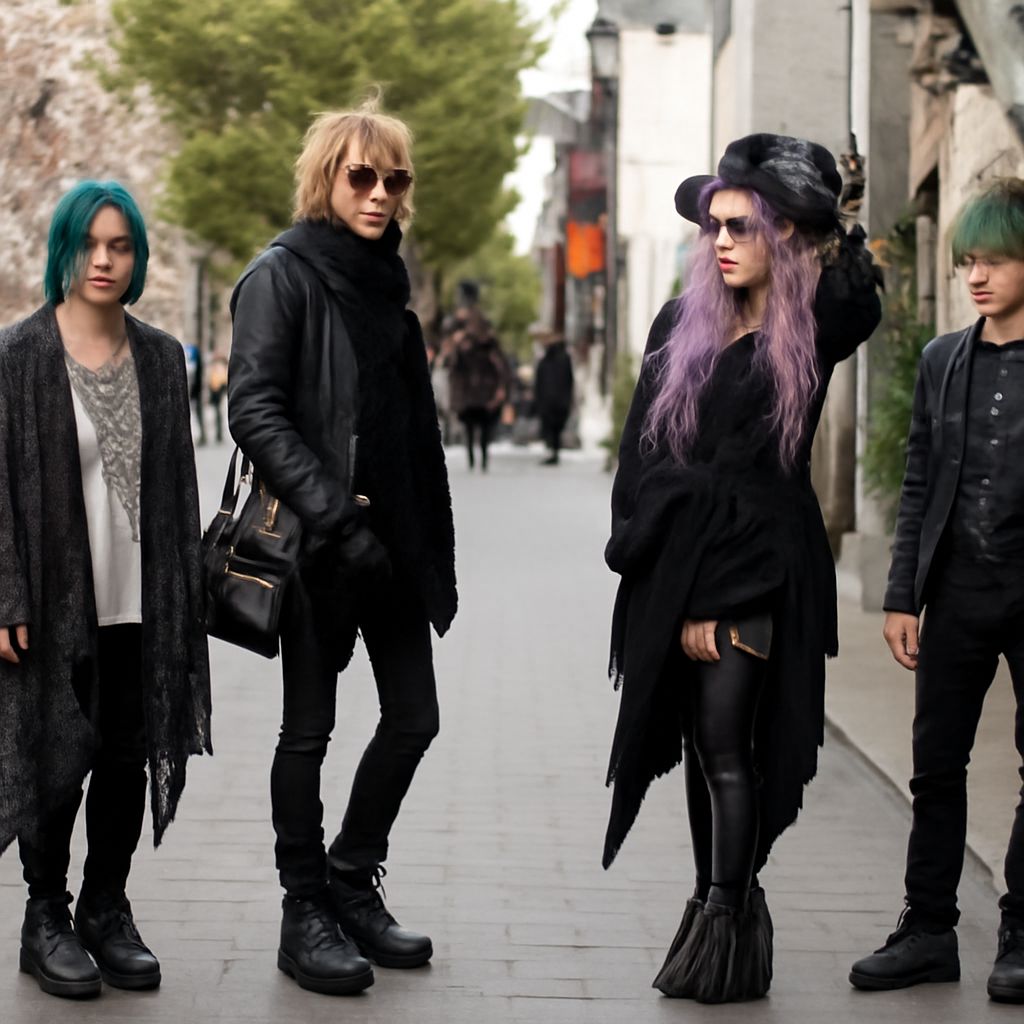
Visual Kei Bands: How Hair and Outfit Style Build a Stage Identity
Visual Kei bands turn Japanese rock into a changing visual language. Learn how musical eras shape hair, makeup, tailoring, layers,…
-
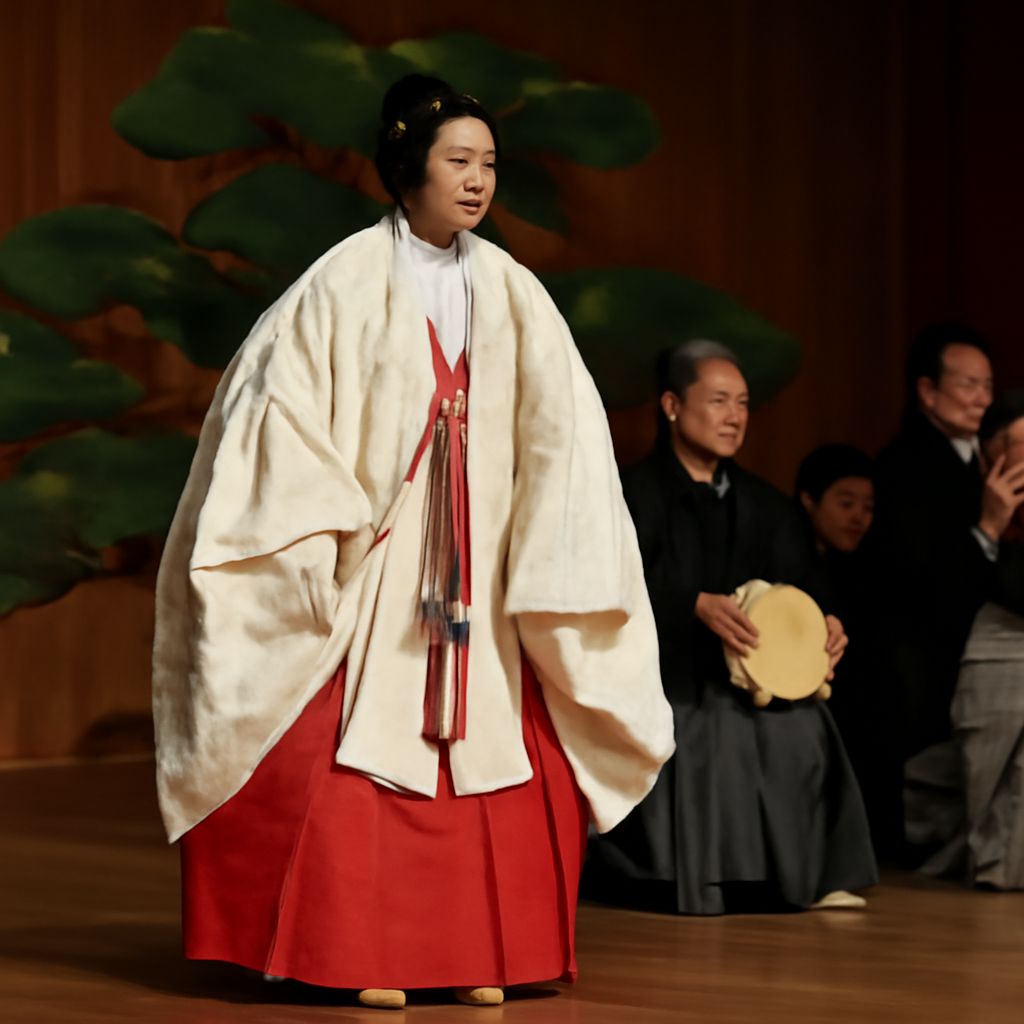
Noh Theatre Masks: How Kabuki Presents Character
Noh theatre masks reveal character through angle and light, while Kabuki uses visible actors, bold makeup, costume and mie poses.…
| M | T | W | T | F | S | S |
|---|---|---|---|---|---|---|
| 1 | 2 | 3 | 4 | |||
| 5 | 6 | 7 | 8 | 9 | 10 | 11 |
| 12 | 13 | 14 | 15 | 16 | 17 | 18 |
| 19 | 20 | 21 | 22 | 23 | 24 | 25 |
| 26 | 27 | 28 | 29 | 30 | 31 | |