Kimono & Yukata
-
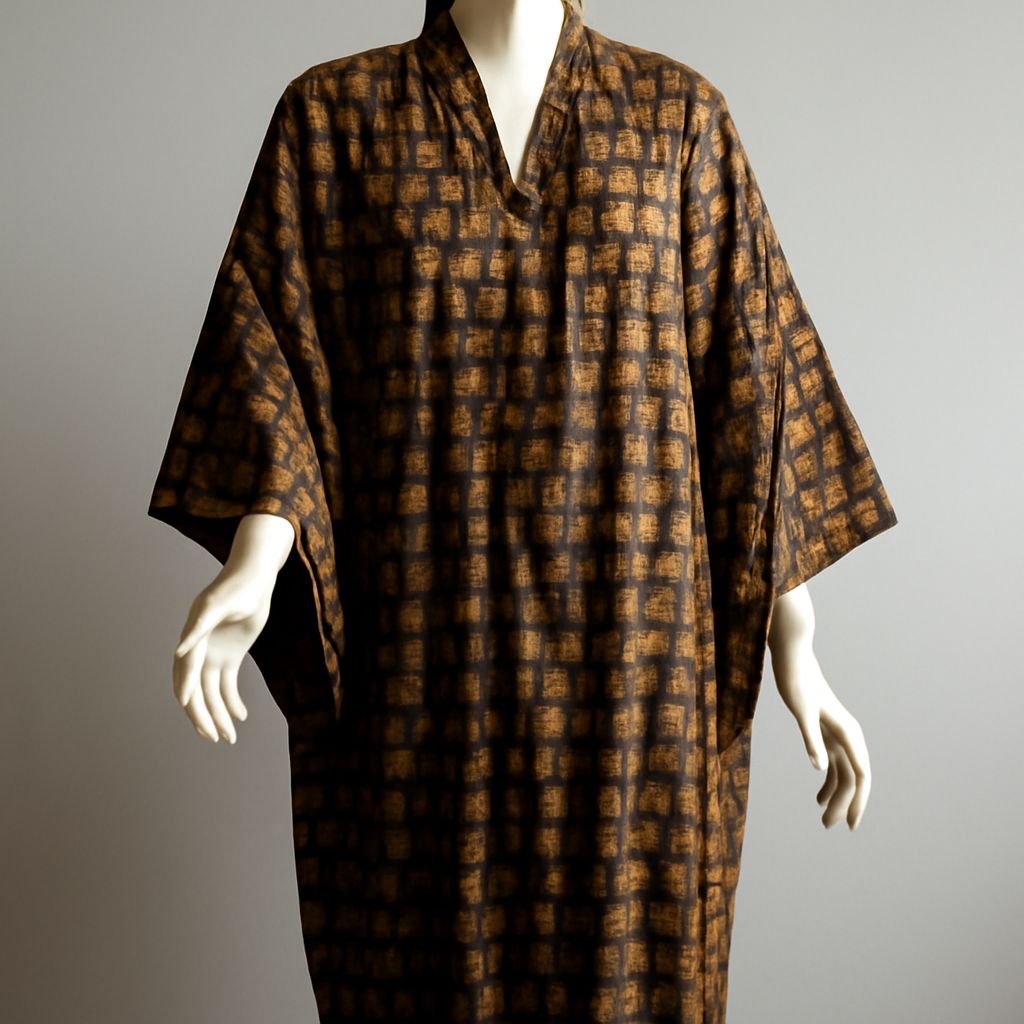
Authentic Kimono: How to Identify a Traditional Japanese Kimono
Learn how to identify an authentic kimono before buying: check its straight-panel, T-shaped construction, continuous collar, sleeves, overlap, fabric, lining,…
-
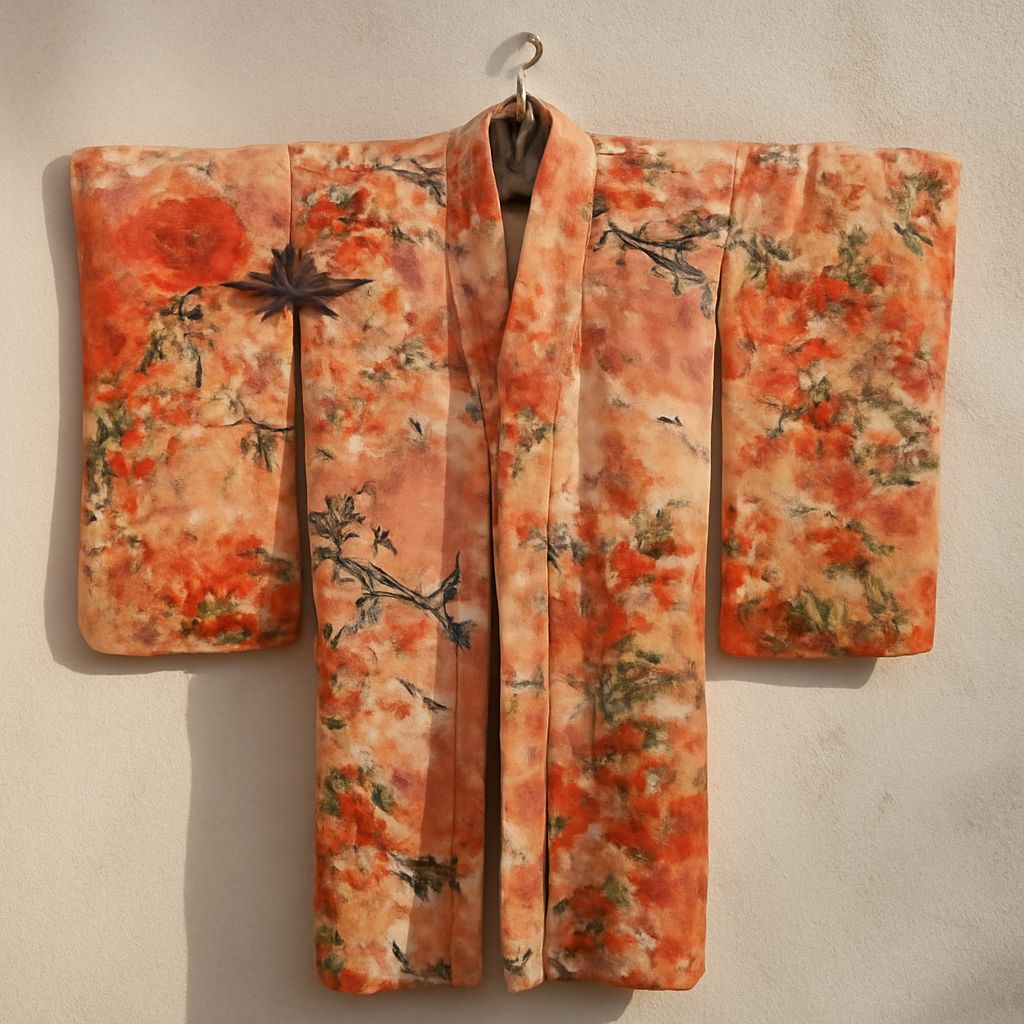
Japanese Kimonos: How to Buy One for Wear, Display or Reuse
Japanese kimonos: judge a garment by type, measurements, fabric, construction, stains and alterations. Compare kimonos for sale and choose a…
-
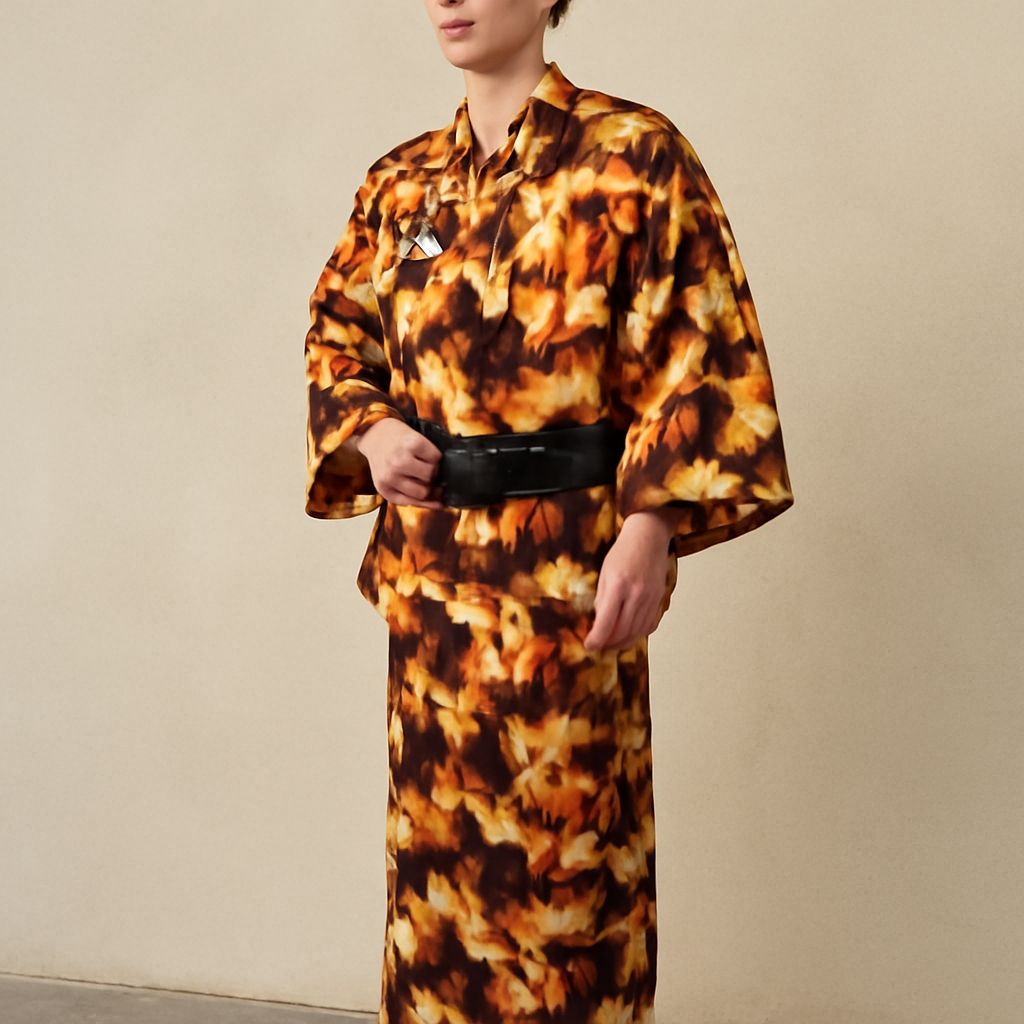
Men’s kimonos: How to Identify and Fit a Traditional Outfit
Men’s kimonos explained: measure length, width, sleeves, and layers; choose an obi and add a haori or hakama. Compare yukata,…
-

Japanese Women’s Kimono: How Men’s Kimono and Kimono Dress Differ
Japanese women’s kimono and men’s kimono share panels, overlap, and obi structure, but sleeves, motifs, and layers vary. Learn when…
-
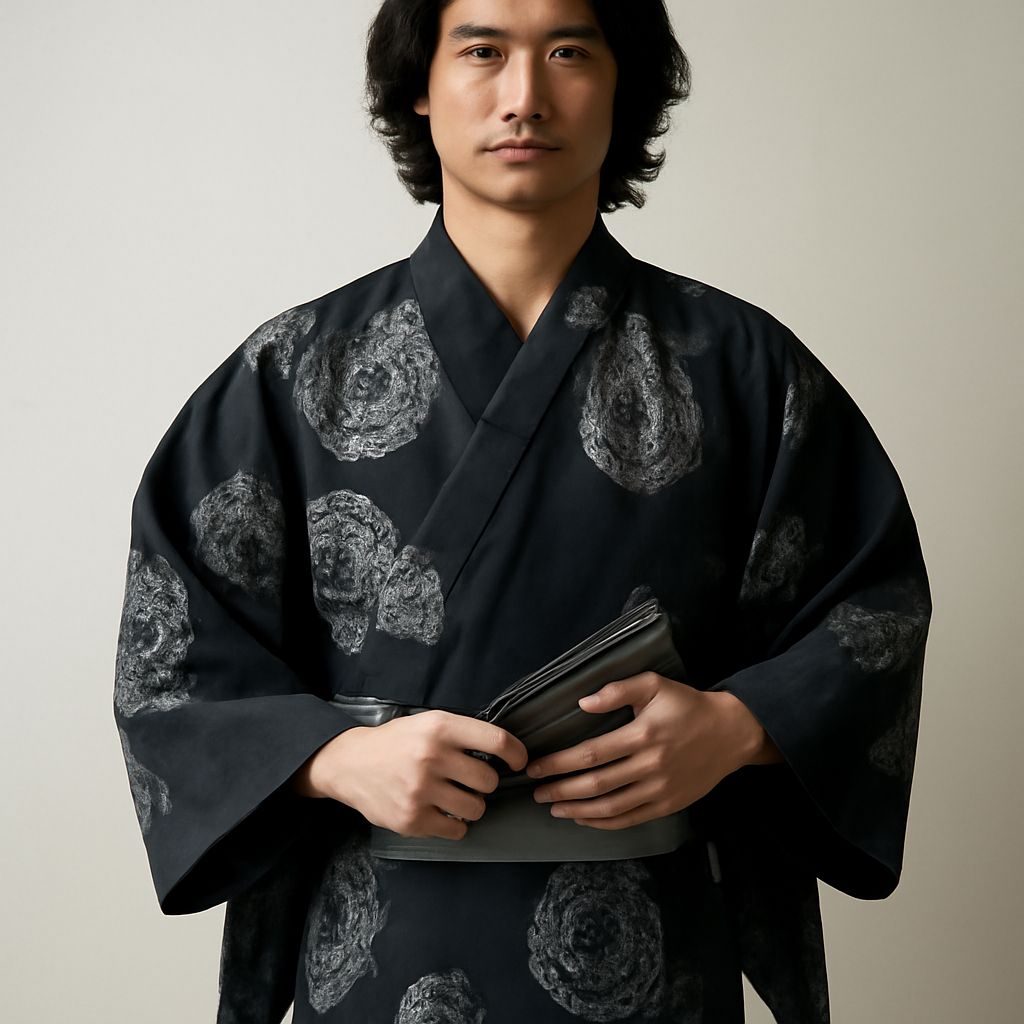
Men’s Kimonos: A Traditional Japanese Outfit Guide
Learn how men’s kimonos, juban, obi, and hakama layers work together. This practical guide to Japanese male clothing explains pleats,…
-
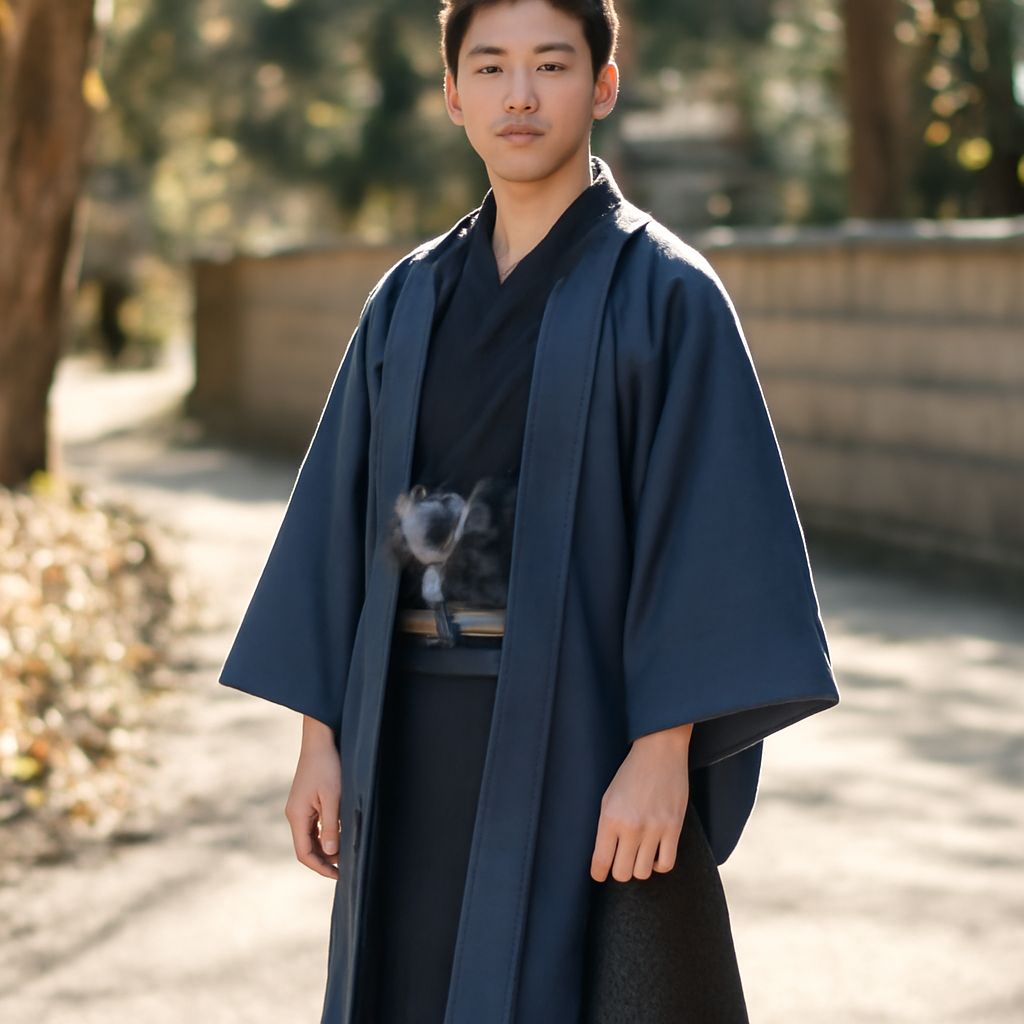
Traditional Japanese Men’s Clothing: Kimono, Hakama, Haori and More
Explore traditional Japanese men’s clothing by outfit function: compare kimono and yukata, add hakama or haori, and distinguish samue and…
-
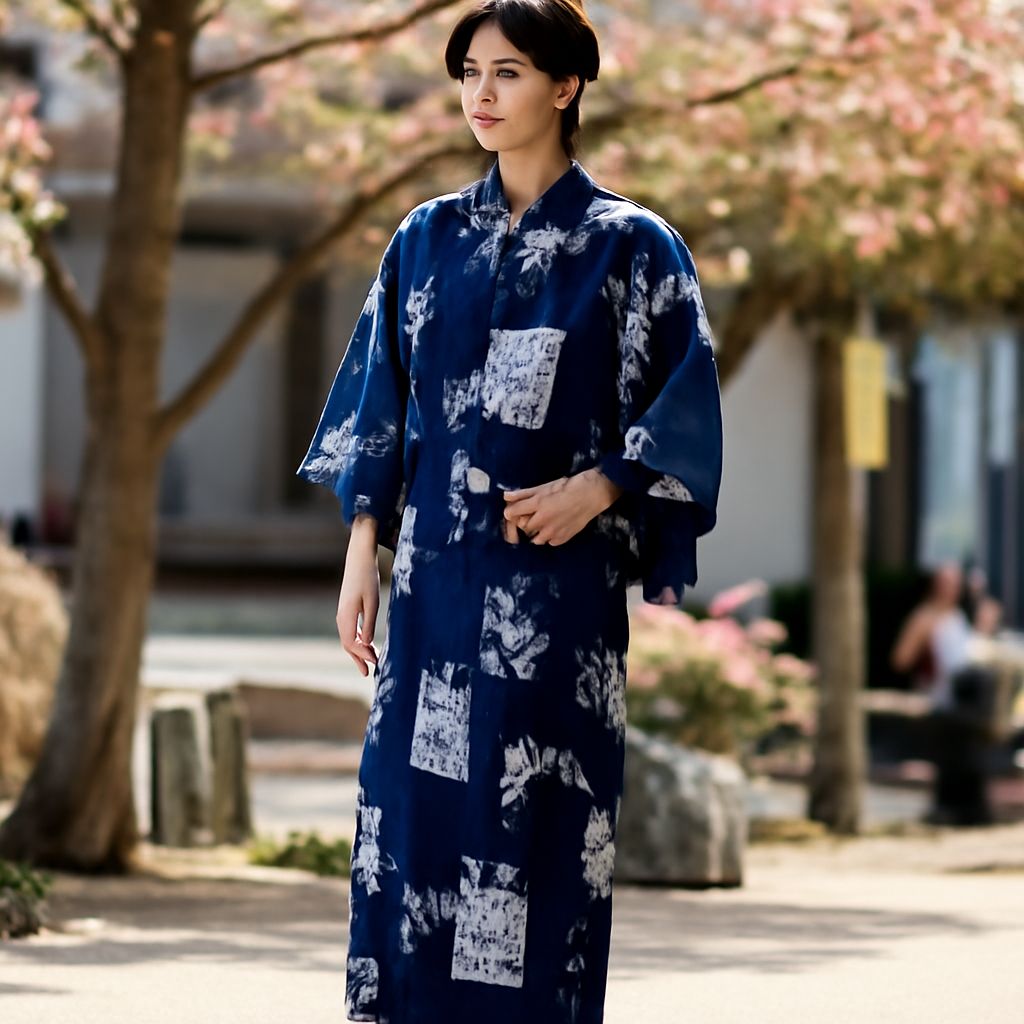
Men’s Kimonos in Feudal Japan: What Men and Samurai Wore
Men’s kimonos in feudal Japan were layered garments, not a single samurai uniform. Learn how kosode, hakama, kataginu, ceremonial dress,…
-
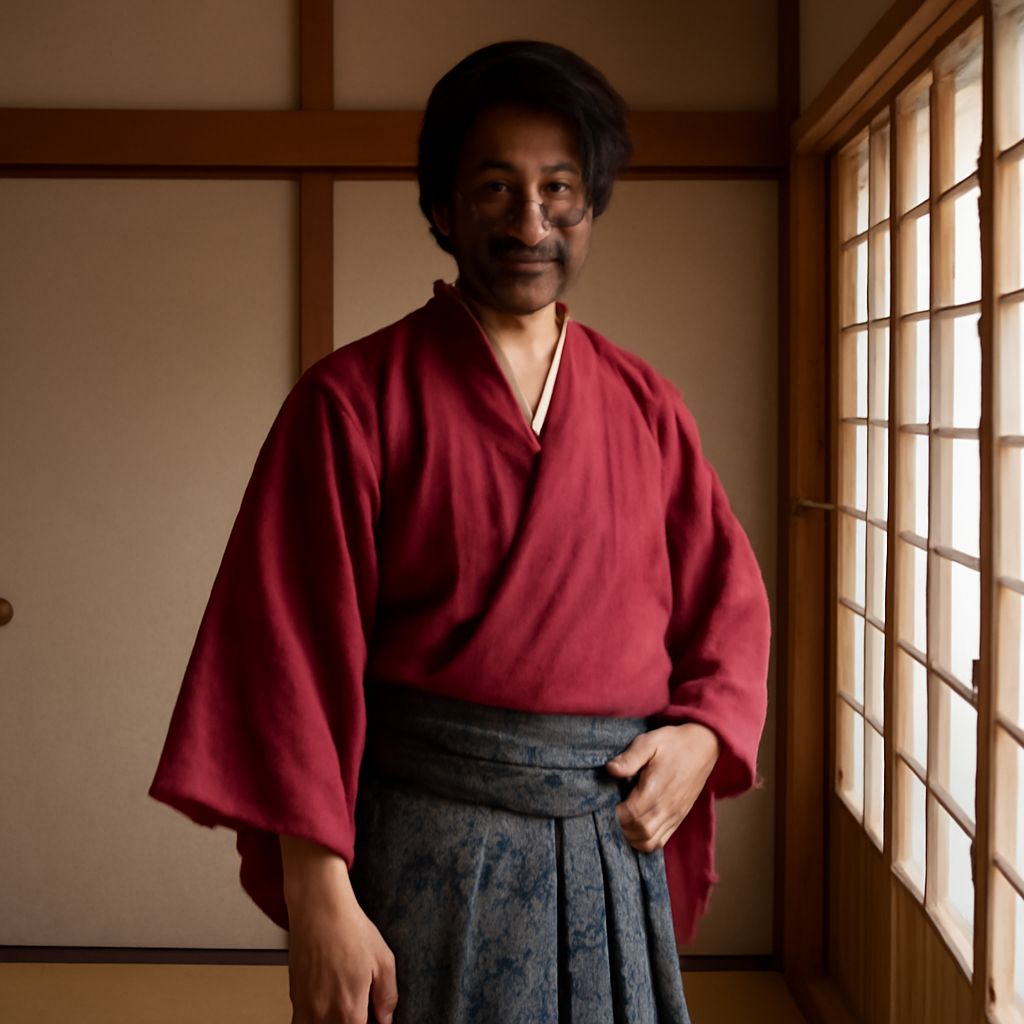
Japanese Male Kimono: Fit, Layers and Formality
Learn how a Japanese male kimono should fit, from body length and sleeve width to overlap, then layer the juban,…
-
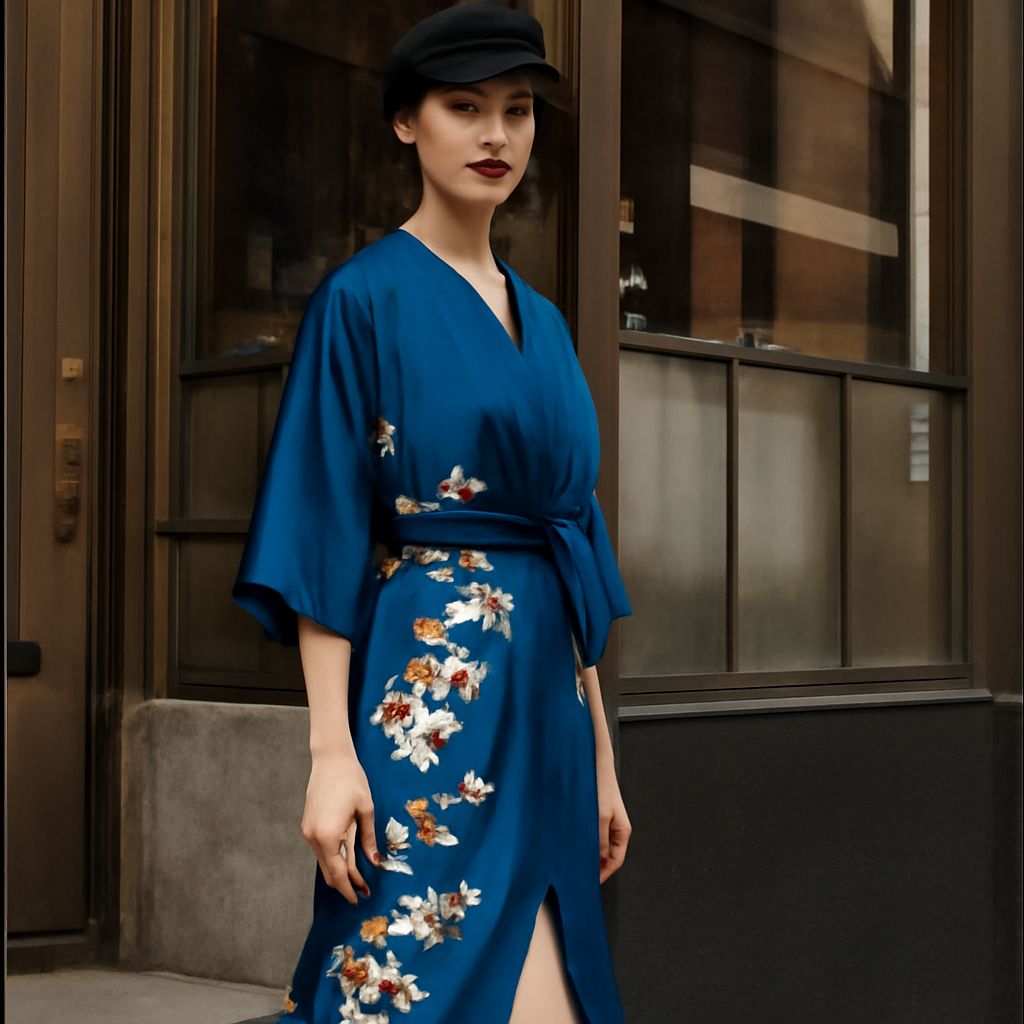
Beautiful Kimono: How Traditional Form Inspires Modern Dresses
Beautiful kimono design comes from straight-cut panels, a wrapped front, an obi, wide sleeves, and a continuous surface. See how…
-
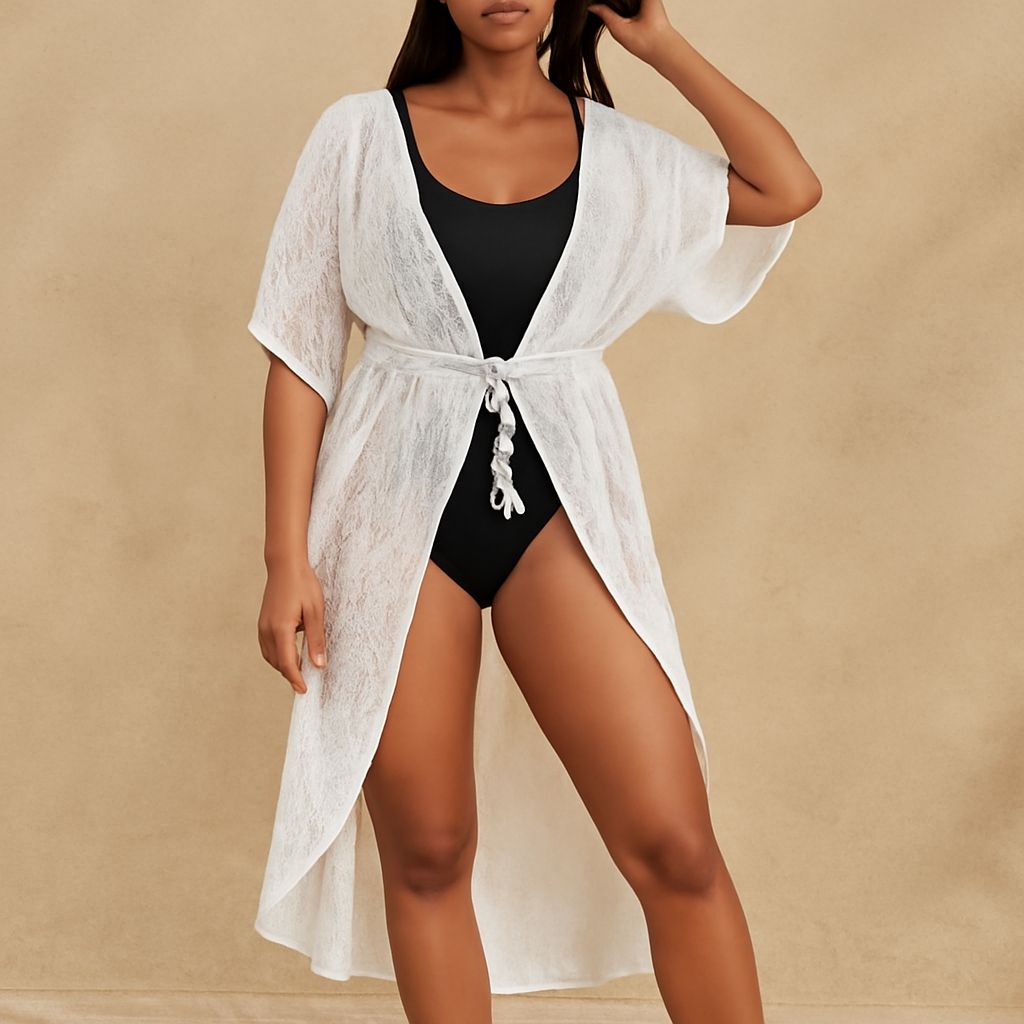
Kimono Jackets: A Women’s Kimono Guide to Full, Haori and Modern Styles
Kimono jackets can mean a full women’s kimono, a traditional haori, or a modern robe-style layer. Learn to read length,…