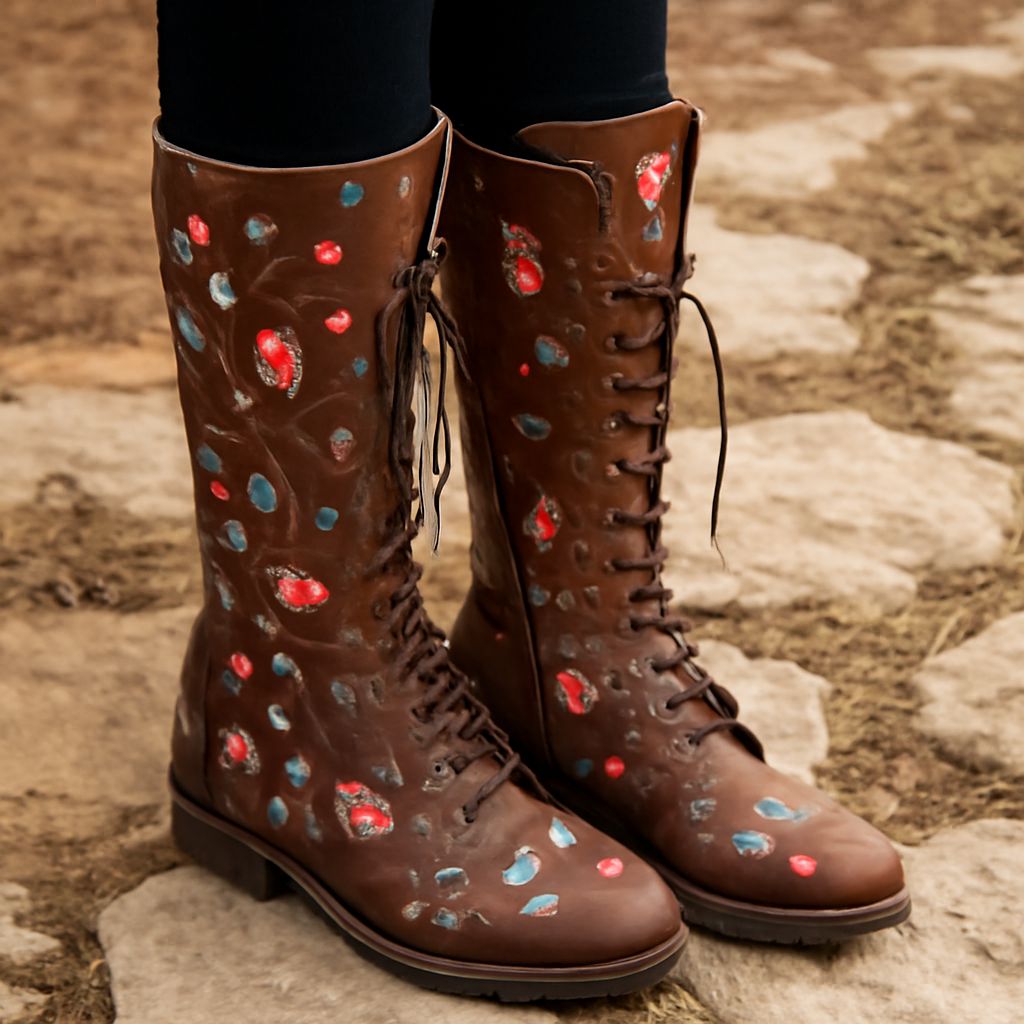
Painting on leather can transform ordinary accessories, shoes, and furniture into personalized works of art. To achieve a smooth, durable finish and prevent cracking or peeling, it’s essential to use the right materials and follow the correct process. This step-by-step guide explains how to paint leather, from choosing your paint to sealing your finished design, ensuring your painted leather projects stand the test of time.
Choosing the Right Paint
Selecting the proper paint is the foundation for any successful painted leather project. Not all paints adhere well to leather, and using the wrong type can lead to poor results. The most reliable choice is acrylic leather paint, such as Angelus Leather Paint or Jacquard Lumiere. These paints are formulated specifically for flexibility and long-lasting color on leather surfaces.
For larger pieces or furniture, you may also consider professional-grade leather dyes, though these tend to penetrate the leather rather than sit on top like paint. Spray paints designed for leather, such as TRG Super Color Spray, are another option for even coverage, especially on shoes or bags. Always verify that the paint is intended for leather and flexible surfaces—regular acrylics or craft paints will flake and chip.
Choose colors and finishes that match your project ideas. Metallic, matte, and pearlescent leather paints are available for different effects. Test colors on a small hidden area to confirm adhesion and the final look before beginning your full design.
Preparing Leather for Painting
Proper prep work is crucial for how to paint leather successfully. Start by cleaning the surface thoroughly with a damp cloth to remove surface dirt. For deeper cleaning and to remove oils or silicone coatings, use a leather preparer and deglazer, such as the one from Angelus or Fiebing’s. Apply with a lint-free cloth and let the leather dry completely.
Next, inspect the leather for any cracks, scratches, or loose finishes. Sand lightly with a fine-grit sandpaper (400–600 grit) if necessary, focusing on smoothing imperfections. Wipe away dust with a clean, dry cloth. If you plan to mask off areas for designs or clean edges, use painter’s tape formulated for delicate surfaces so you don’t damage the leather when removing it.
If you’re painting on leather that will be flexed often (like shoes or wallets), prep is especially important for paint adhesion. For best results, work in a well-ventilated area and avoid humid conditions, as moisture can prevent proper drying and sealing.
Painting on Leather: Techniques and Tips
Apply leather paint in thin, even coats for the best coverage and flexibility. Use soft synthetic brushes for precision or foam applicators for broad areas. If using spray paint, keep the can 6–8 inches from the surface and use smooth, overlapping passes to prevent drips. Allow each coat to dry fully—typically 15–30 minutes—before applying the next.
When painting on leather, building up color slowly will help prevent cracking. Three to five light coats are usually enough for full opacity. If creating detailed designs, use smaller detail brushes and try stenciling or masking for sharp edges. Let intricate painted leather areas dry extra time to avoid smudging.
Watch for signs of over-applying paint, such as visible brush strokes or tackiness. If these occur, let the current layer cure completely before continuing. For multi-color projects, wait until each color is dry before layering or overlapping to avoid muddying the hues.
Finishing and Caring for Painted Leather
Once the paint is fully dry (allow at least 24 hours for best results), seal your work with a clear acrylic leather finisher such as Angelus Acrylic Finisher or Fiebing’s Leather Sheen. Apply in thin coats using a clean brush or spray for uniform coverage. This step protects your painted leather from scratches, moisture, and fading.
Let the finisher cure for a day before handling or using the leather item. To keep your new design looking sharp, avoid prolonged exposure to direct sunlight and moisture. Clean painted surfaces gently with a damp cloth—never use harsh cleaners or excessive water, which can damage both paint and leather.
With the right method and care, painted leather items can remain vibrant and flexible for years. Regularly inspect your item for signs of wear and touch up as needed to maintain its custom look.