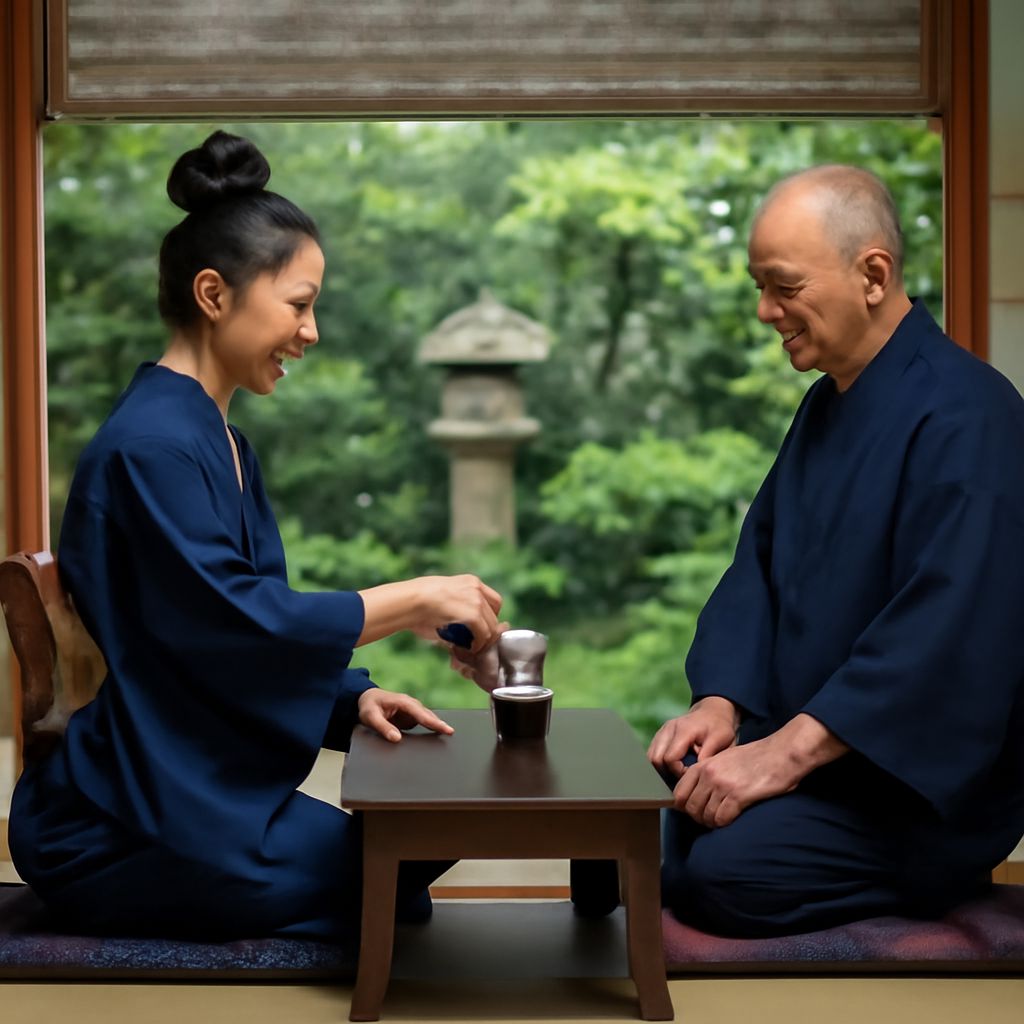
Stage And Image
-

Japanese block prints: How Ukiyo-e Was Made
Learn what Japanese block prints are, how Japanese woodcuts use carved key and color blocks, and what ukiyo-e meaning reveals…
-
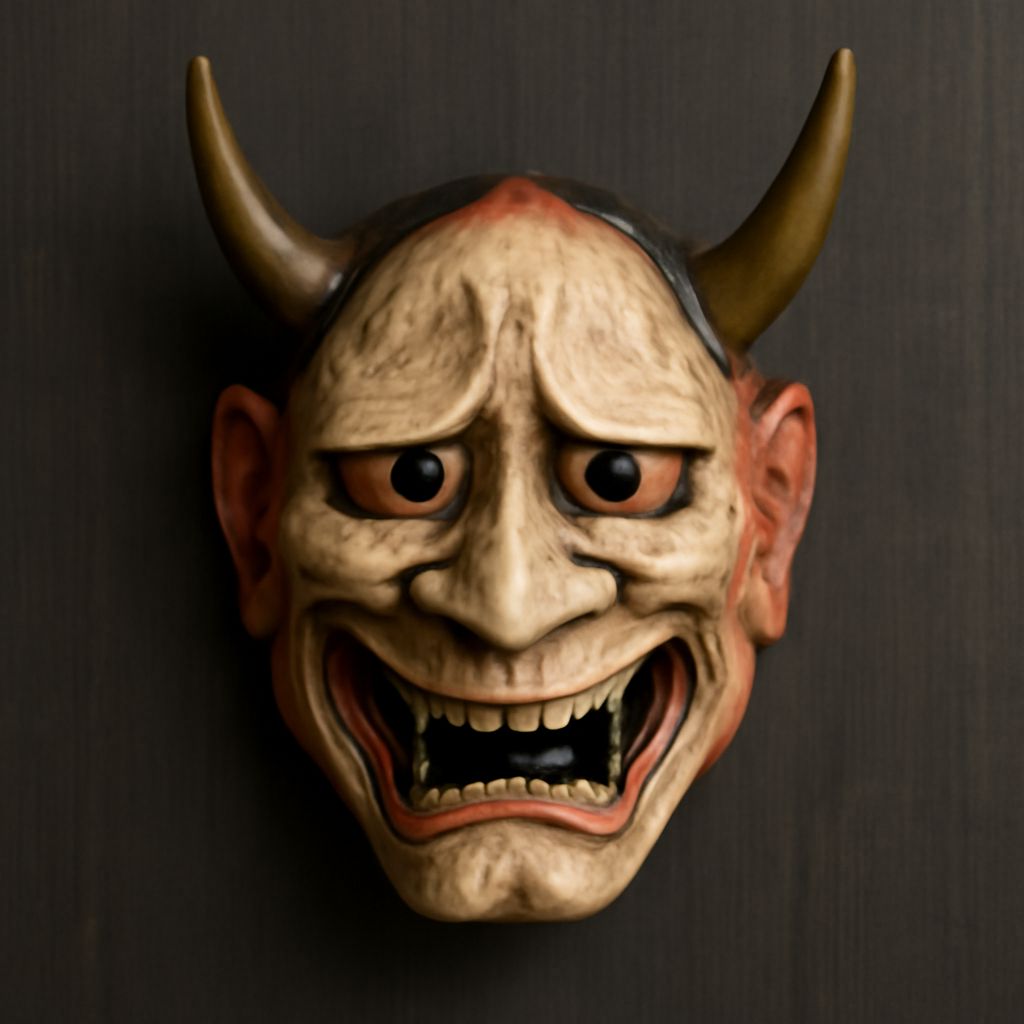
Traditional Japanese Art: Prints, Masks and Wabi-Sabi
Traditional Japanese art explained through painting, calligraphy, ceramics, lacquer, textiles, woodblock prints, Hannya masks, and wabi-sabi, with a method to…
-

Outdoor Fashion Photography: Light, Location and Poses
Outdoor fashion photography starts with a location and light plan that keeps garment fit, texture and silhouette clear. Use portrait…
-

Male Fashion Photography: Poses, Styling and Shot Variety
Plan male fashion photography around garment cut and brand mood, with clear direction for silhouette, movement, attitude, styling and clothing…
-
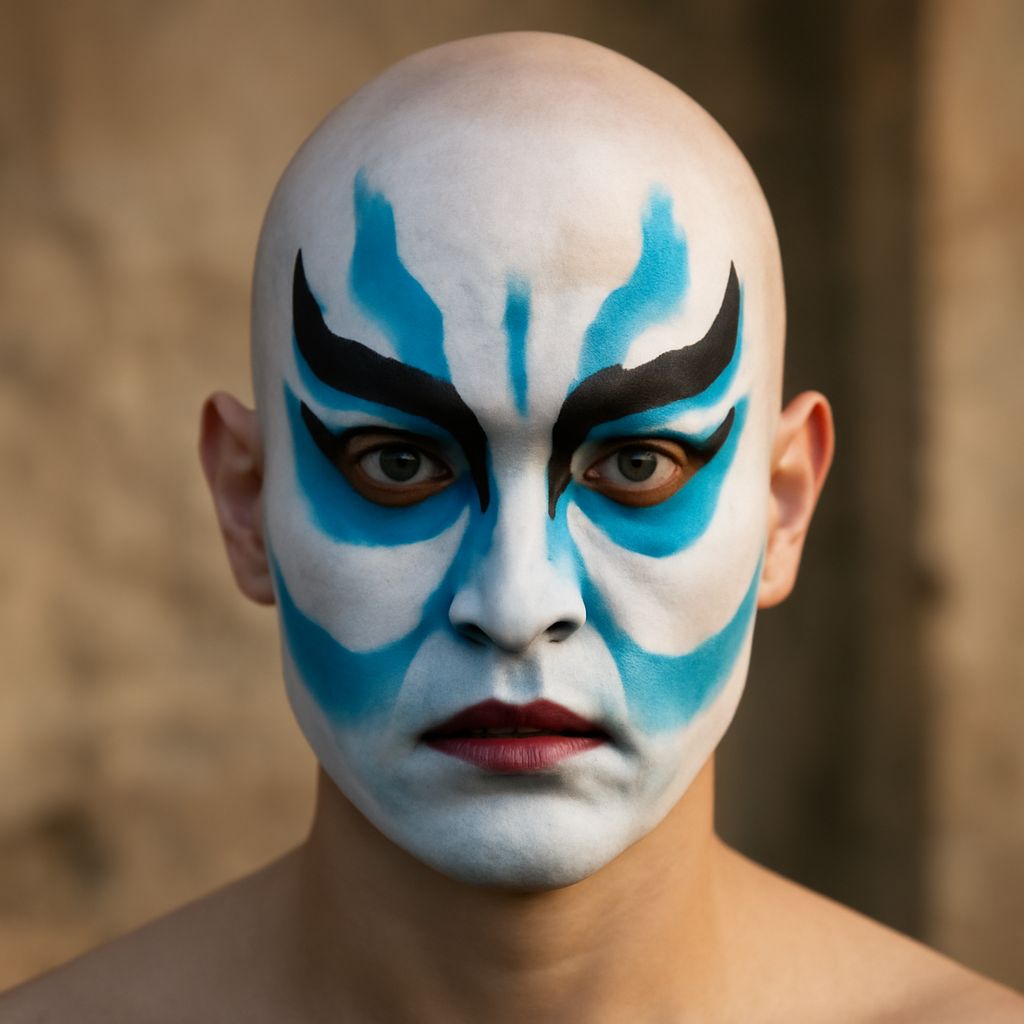
Kabuki Poses: Reading the Mie, Role and Face Paint
Learn how kabuki poses turn a performer’s stance, gaze, and timing into a mie, then connect onnagata tradition and painted…
-
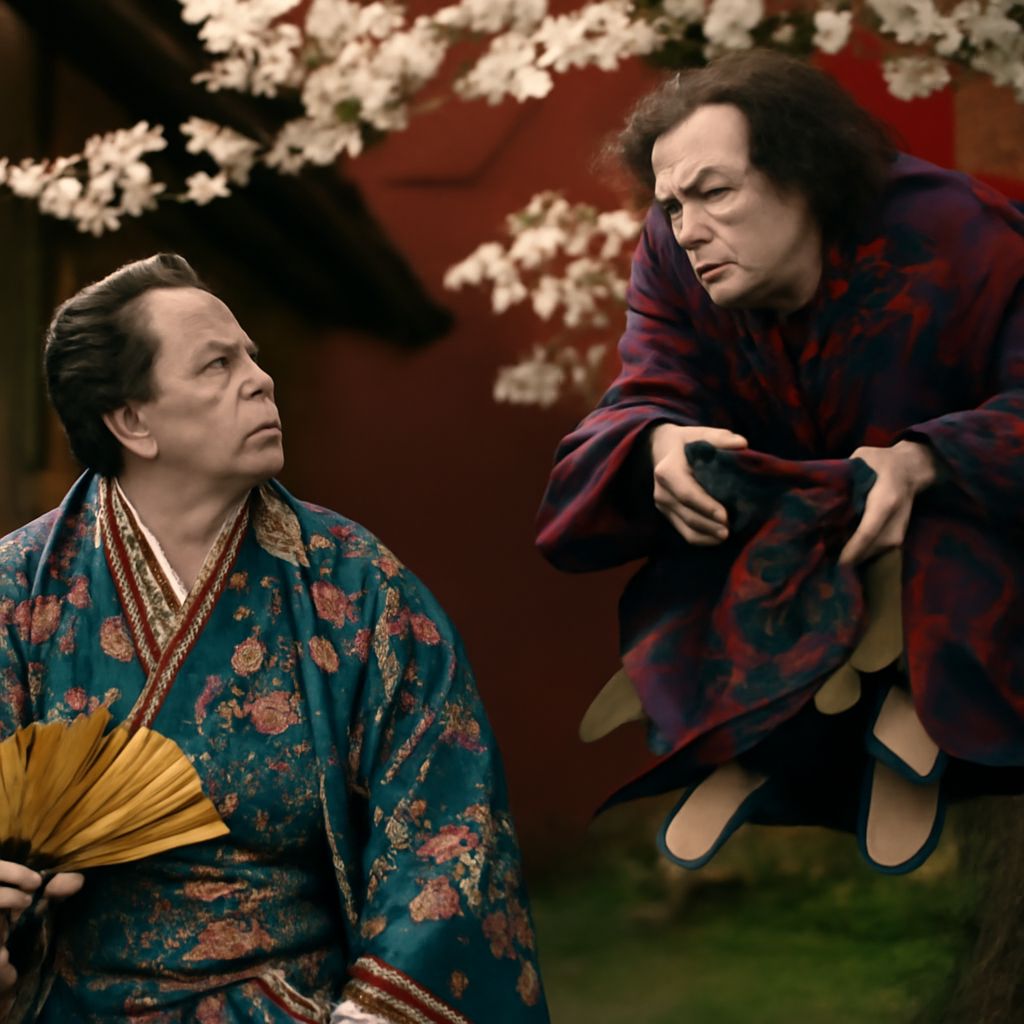
Kabuki Painting: How Stage Mie Poses Become Actor Prints
Kabuki painting explained: learn how a play builds a climactic mie pose through gaze, stance and timing, then see how…
-
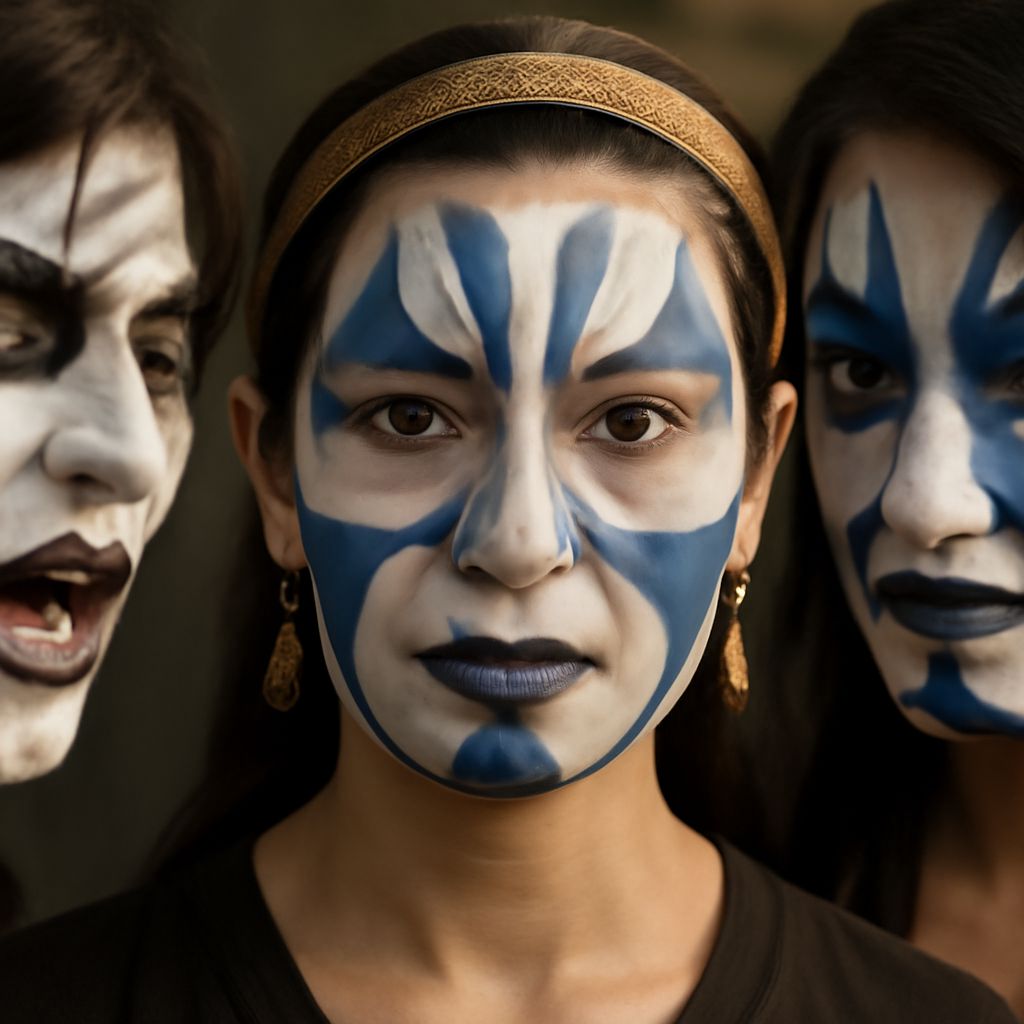
Kabuki Costume: How a Character Is Built for the Stage
Kabuki costume helps make a character legible from the stage. See how kabuki costumes use silhouette, textiles and contrast. Learn…
-
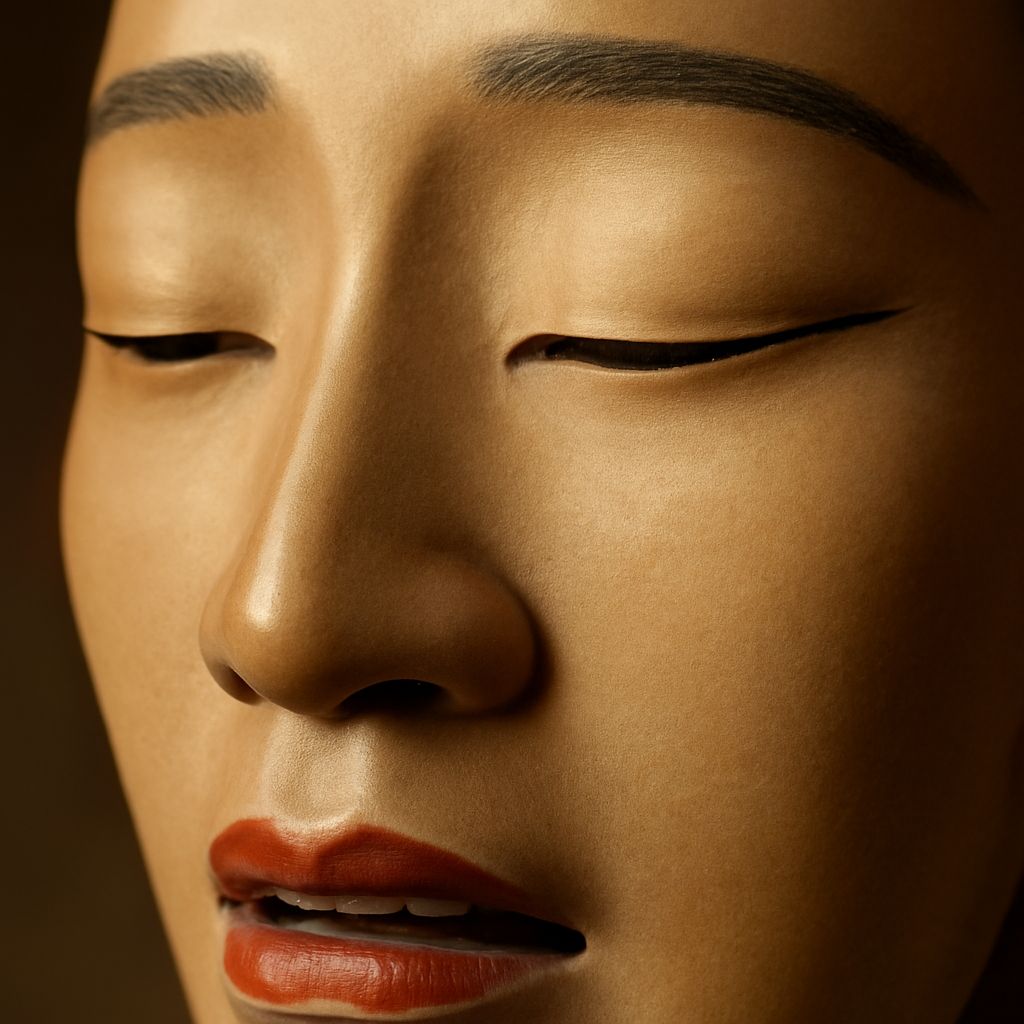
Japanese Kabuki Mask vs Noh Masks: What Japanese Theatre Actually Uses
Japanese kabuki mask is a common label, but Kabuki relies on kumadori makeup, wigs and costume—not carved masks. Learn how…
-
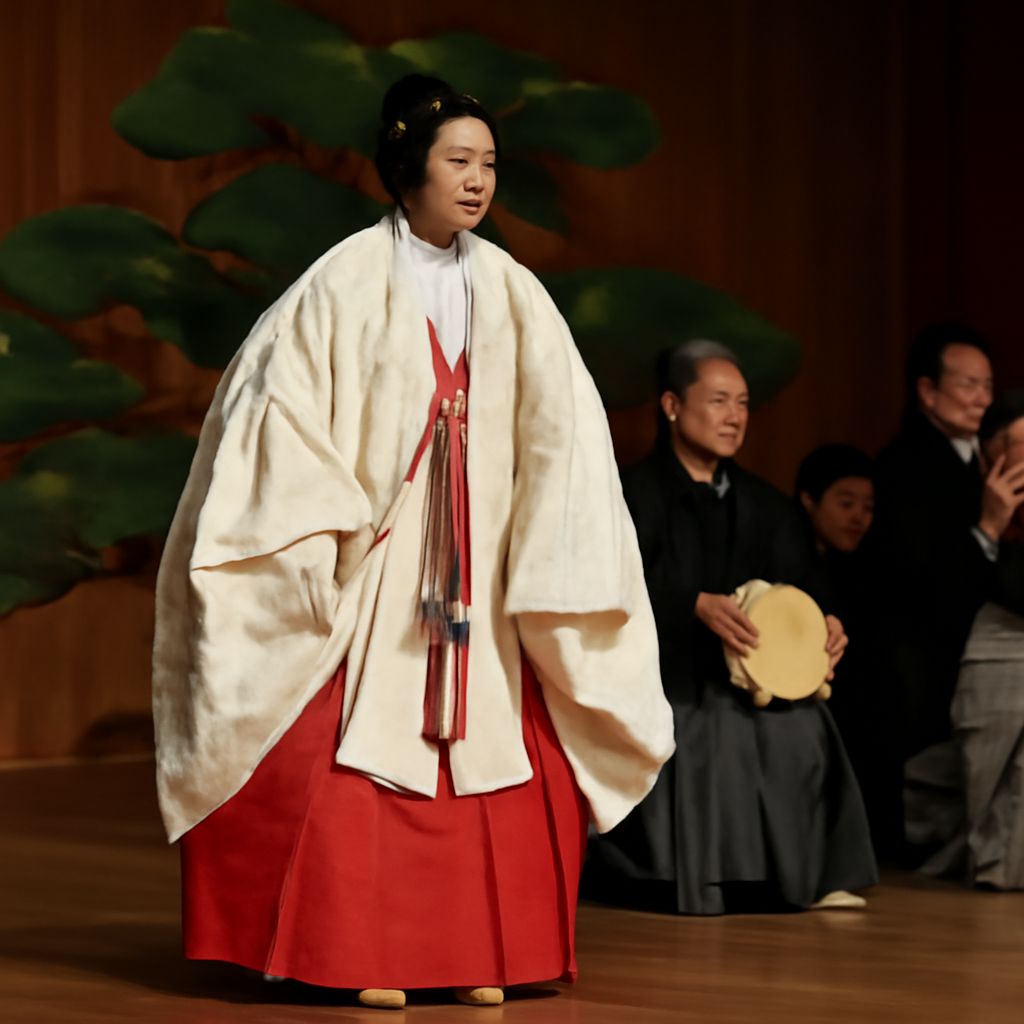
Noh Theatre Masks: How Kabuki Presents Character
Noh theatre masks reveal character through angle and light, while Kabuki uses visible actors, bold makeup, costume and mie poses.…
-
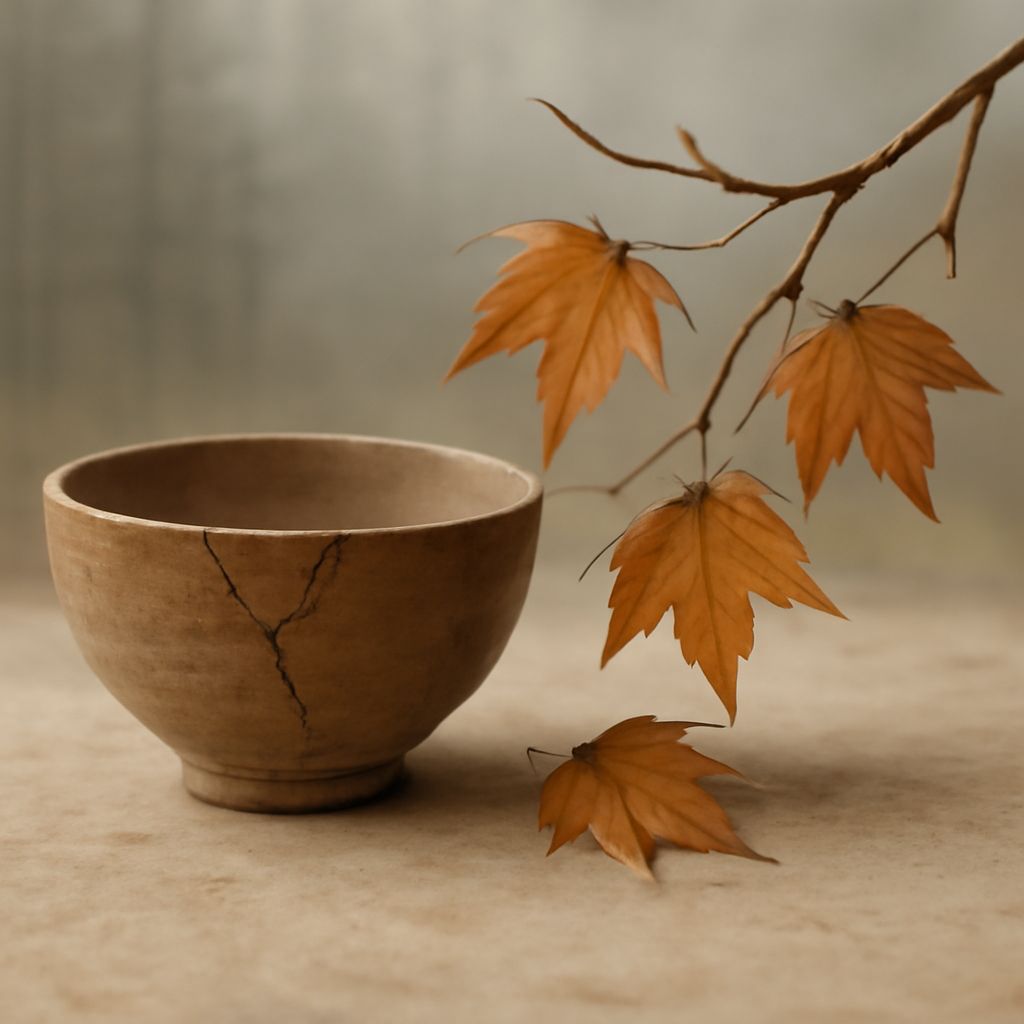
Wabi-Sabi Photography: Seeing Imperfection, Age, and Change
Learn to recognize wabi-sabi photography through impermanence, irregularity, weathered surfaces, transient light, negative space, and restraint; then explore pottery and…