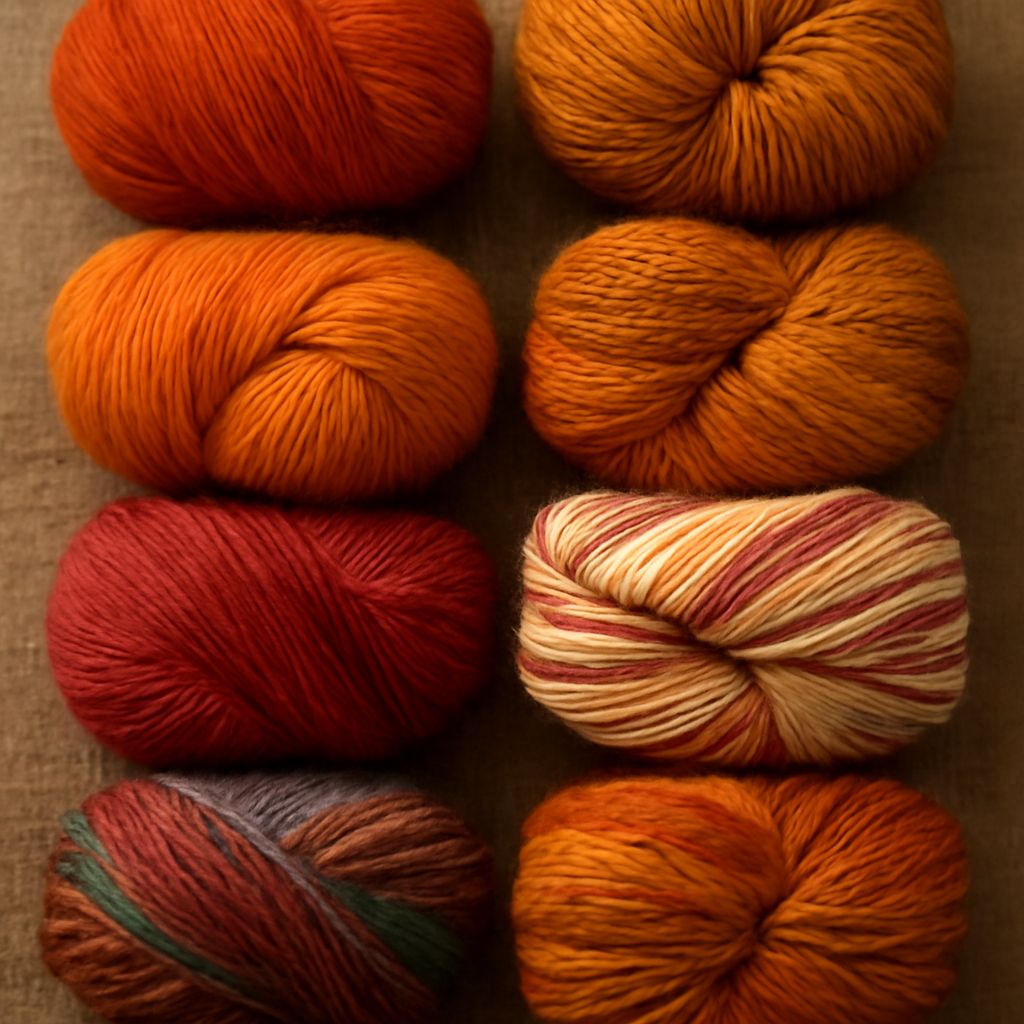
Yarn is the foundation of countless textile crafts, but with so many options, it can be challenging to select the best type for your project. Understanding the different types of yarn, the fibers they’re made from, and how yarn weight affects your results will help you achieve the texture, drape, and durability you want. This guide covers the main varieties, their properties, and tips for choosing the right yarn for knitting, crocheting, and other crafts.
What Are the Main Types of Yarn?
The types of yarn available today can be categorized by their fiber content and construction. The most common kinds are:
- Natural fiber yarns: These include cotton, wool, alpaca, silk, linen, and bamboo. Natural fibers are popular due to their comfort, breathability, and traditional appeal.
- Synthetic yarns: Common synthetic fibers are acrylic, polyester, and nylon. These yarns are valued for their affordability, durability, and wide range of colors.
- Blended yarns: Many yarns combine natural and synthetic fibers to balance texture, strength, and cost. Blends often offer the best characteristics of each fiber type.
- Novelty yarns: These are designed for texture and visual interest, featuring elements like metallic threads, loops, eyelash effects, or thick-and-thin sections. They add unique flair but may require special handling.
Yarn is also categorized by structure: single-ply yarns consist of one twisted strand, while multi-ply yarns have two or more strands twisted together for added strength and shape retention.
Common Yarn Fibers and Their Properties
The fiber used determines many properties of yarn, such as softness, warmth, absorbency, and strength. Here are the most frequently used fibers:
- Wool: Sourced from sheep, wool yarn is springy, warm, and resilient. It’s excellent for winter garments and accessories. Merino is a soft, popular wool variety.
- Cotton: Strong and absorbent, cotton yarn is a favorite for dishcloths, summer tops, and baby items. It lacks stretch but is easy to care for and machine washable.
- Acrylic: A synthetic fiber that mimics wool but is usually lighter and less expensive. Acrylic yarn is durable, colorfast, and allergy-friendly, making it a popular choice for everyday projects.
- Alpaca: Softer and warmer than sheep’s wool, alpaca yarn is prized for luxury items. It has a silky feel and natural sheen but may lack elasticity.
- Silk: This luxurious fiber is prized for its drape and shine. Silk yarn is often blended with other fibers to enhance softness and strength.
- Linen and Bamboo: Both produce cool, smooth yarns with excellent drape. Linen is strong and crisp, while bamboo is silky and eco-friendly.
Each fiber brings distinct benefits and drawbacks. For example, wool insulates well, while cotton is better for breathable, warm-weather garments. Synthetic blends often offer easier care and lower cost, making them accessible for beginners.
Yarn Weights and Their Uses
Yarn weight refers to the thickness of the yarn strand and directly impacts the texture and look of your finished project. There are several standard categories:
- Lace: Extremely fine; used for delicate shawls and doilies.
- Fingering: Lightweight; ideal for socks and baby garments.
- Sport: Slightly heavier than fingering; works well for lightweight sweaters and accessories.
- DK (Double Knitting): Versatile midweight; suitable for garments, hats, and blankets.
- Worsted: One of the most common weights; perfect for sweaters, scarves, and afghans.
- Bulky and Super Bulky: Thick yarns that create quick, chunky projects like hats, cowls, and throws.
Matching your yarn weight to your pattern is crucial. Using a heavier or lighter yarn than recommended will change your project’s size, drape, and appearance. Always check the yarn label for recommended hook or needle size to achieve your desired results.
Choosing the Right Yarn for Your Project
Selecting the right yarn starts with understanding the different types of yarn and their properties. Consider these factors:
- Project type: Garments worn close to the skin benefit from soft, non-irritating fibers like merino wool or cotton. Sturdier items, such as bags or home decor, may require tougher blends or synthetics.
- Care requirements: If machine washability is important, look for superwash wool, cotton, or acrylic yarns. Some natural fibers require hand-washing and extra care.
- Texture and appearance: For bold textures or statement pieces, try novelty yarns. For classic looks, stick to standard plied yarns in solid or tonal colors.
- Budget and availability: Premium fibers like alpaca or silk are luxurious but pricier. Acrylic and cotton offer good value and are widely available in stores and online.
Finally, always buy enough yarn from the same dye lot to ensure color consistency throughout your project. With an understanding of yarn varieties, you can confidently select the right material for every craft.