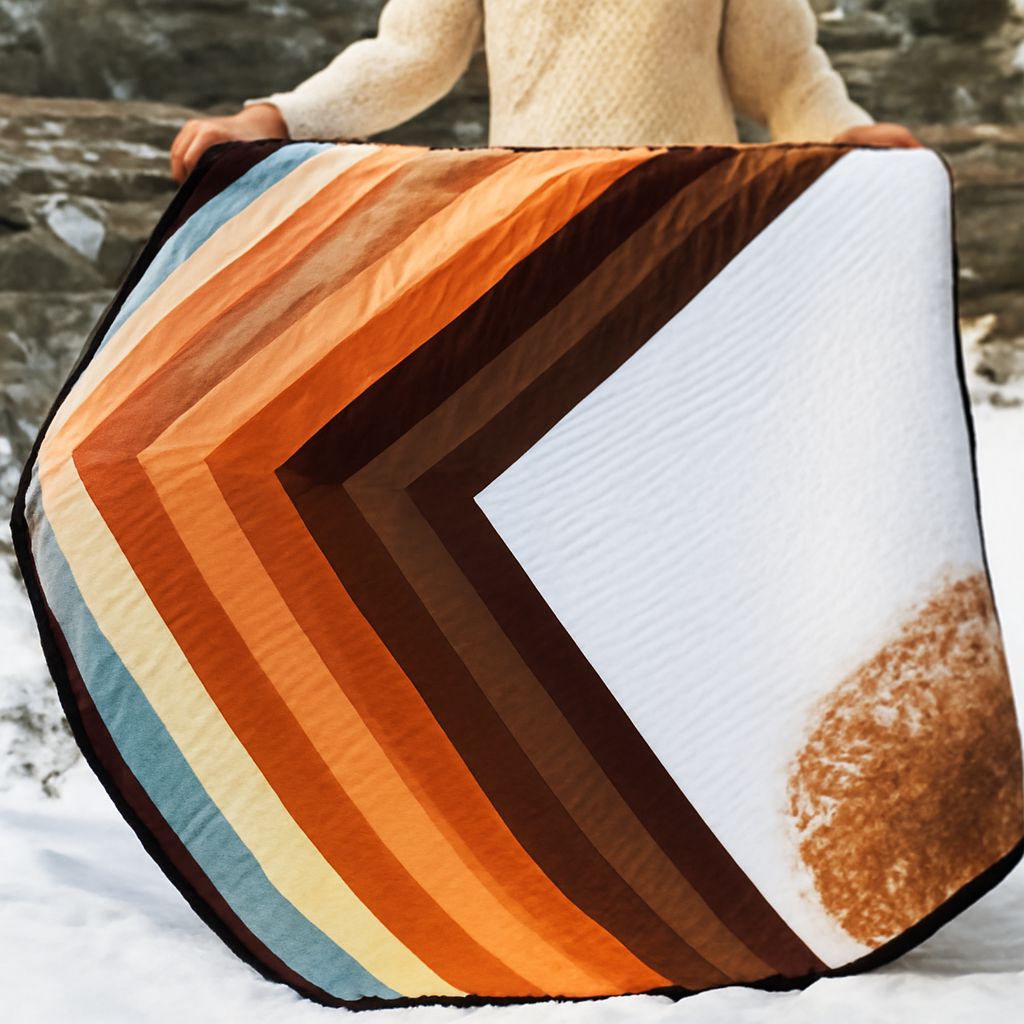
Panel quilt patterns offer a fast, creative way to transform a single fabric panel into a striking quilt. With today’s wide variety of printed panels—ranging from scenes and florals to seasonal motifs—these designs open up options for both beginner and experienced quilters. Whether you want to make a quick crib quilt, a dramatic wall hanging, or a centerpiece for your bed, panel quilt ideas can help you showcase your favorite prints and create personalized gifts.
What Are Panel Quilt Patterns?
Panel quilt patterns revolve around using pre-printed fabric panels as the focal point of a quilt design. Instead of piecing dozens of small blocks, these patterns start with a panel—usually a single large image or a set of coordinated images printed directly on the fabric. The panel may feature anything from storybook illustrations to modern graphics and landscapes.
Quilters often select panel quilt patterns when they want to highlight a particular image or finish a project quickly. Because the central panel is already composed, many of these quilts come together faster than traditional patchwork. However, thoughtful borders, sashing, and additional piecing can elevate the design and make each quilt unique. Panel quilt patterns are popular for children’s quilts, holiday decor, and commemorative projects, lending themselves well to both simple and elaborate layouts.
The flexibility of panel quilts means you can adapt designs for any skill level. Some patterns focus solely on framing the panel, while others invite more intricate piecing, applique, or quilting techniques around the panel to add extra interest and texture.
Choosing the Right Fabric Panel
Selecting a fabric panel is the foundation of your quilt’s overall look and feel. Start by considering the subject matter that appeals to you or the recipient—think nature scenes, animals, holiday motifs, or artistic abstracts. Check the panel’s size and orientation to ensure it fits your intended quilt dimensions and design plan.
Pay attention to color schemes when choosing coordinating fabrics for borders, sashing, or backing. Pick colors that enhance the panel’s focal image without overpowering it. Many fabric lines offer matching prints, making it easier to create a cohesive look. If you’re working with a vintage or specialty panel, shop your stash or local quilt stores for complementary solids and prints.
Inspect the panel for straightness. Fabric panels can sometimes be printed off-grain, leading to distortion. Square up the panel before cutting to avoid issues in the final quilt. Also, consider the fabric’s quality and weight, as panels used for bed quilts should have a similar hand and durability as your other quilting cottons.
Panel Quilt Ideas and Layouts
Framed Panel Quilt
This simple layout frames the panel with one or more fabric borders, letting the main image shine. Choose a narrow inner border in a solid or subtle print, then add a wider outer border for drama. This approach is ideal for panels with detailed artwork you don’t want to disrupt. For added interest, piece the borders from coordinating fabrics or add cornerstones at each corner.
Windowpane Layout
The windowpane layout uses strips of fabric (sashing) to divide a panel into sections or mimic the look of window frames. If your panel features multiple smaller images—like a storybook or seasonal blocks—this layout neatly separates each scene. Add sashing between each image and around the outer edge, then finish with a border. The windowpane idea works especially well for children’s quilts and themed wall hangings.
Panel with Borders
Classic and versatile, adding pieced borders is one of the most popular panel quilt ideas. Start with your panel, then create a variety of borders: pieced blocks, flying geese, half-square triangles, or strip sets. Play with color contrast and scale to frame the panel in a bold or subtle way. This method lets you size up a smaller panel for a bed or throw quilt and provides an opportunity to practice favorite techniques.
Panel as Quilt Centerpiece
For larger quilts, use the panel as the focal center and surround it with rows of pieced blocks or applique. This medallion-style layout draws the eye to the panel, while the surrounding patchwork adds size, texture, and complexity. Choose block designs that echo shapes or motifs from the panel to tie the quilt together. This approach is perfect for making a statement bed quilt or commemorative piece.
Tips for Sewing and Finishing Panel Quilts
Take time to measure and square up your fabric panel before adding borders or sashing. Use a rotary cutter and ruler to trim edges, keeping the design centered and straight. When sewing borders, measure through the center of the panel for accuracy, then cut borders to fit rather than relying on edge measurements alone. This helps prevent wavy or distorted edges.
For quilting, consider outlining major shapes within the panel (“stitch in the ditch”) and adding free-motion or echo quilting to enhance visual texture. Match thread colors to blend in or use contrasting threads for emphasis. If your panel is highly detailed, a simple allover quilting pattern may be best to avoid distracting from the print.
Finish your panel quilt with a binding that complements the border fabrics. Add a label to the back with details about the panel, date, and maker for a personal touch. With thoughtful design choices and careful finishing, panel quilt patterns offer endless possibilities for creative, memorable quilts.