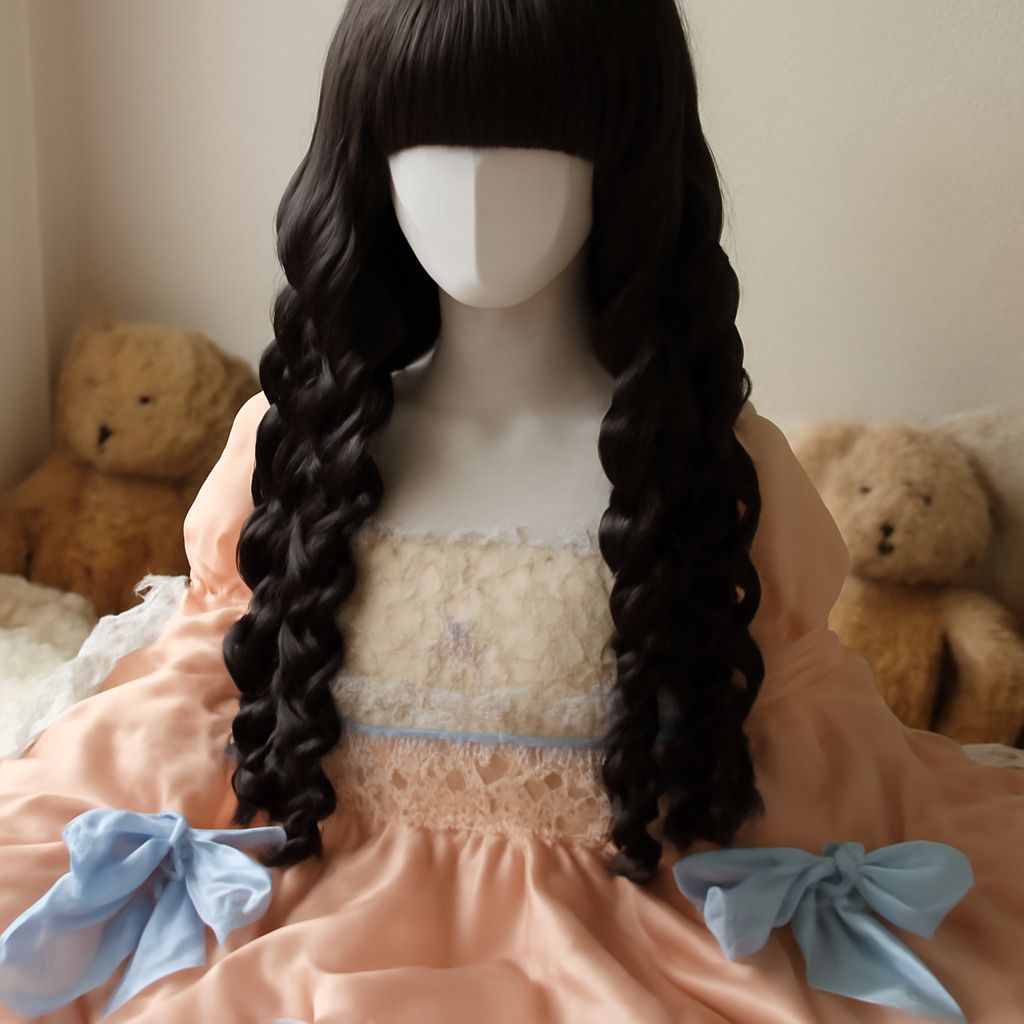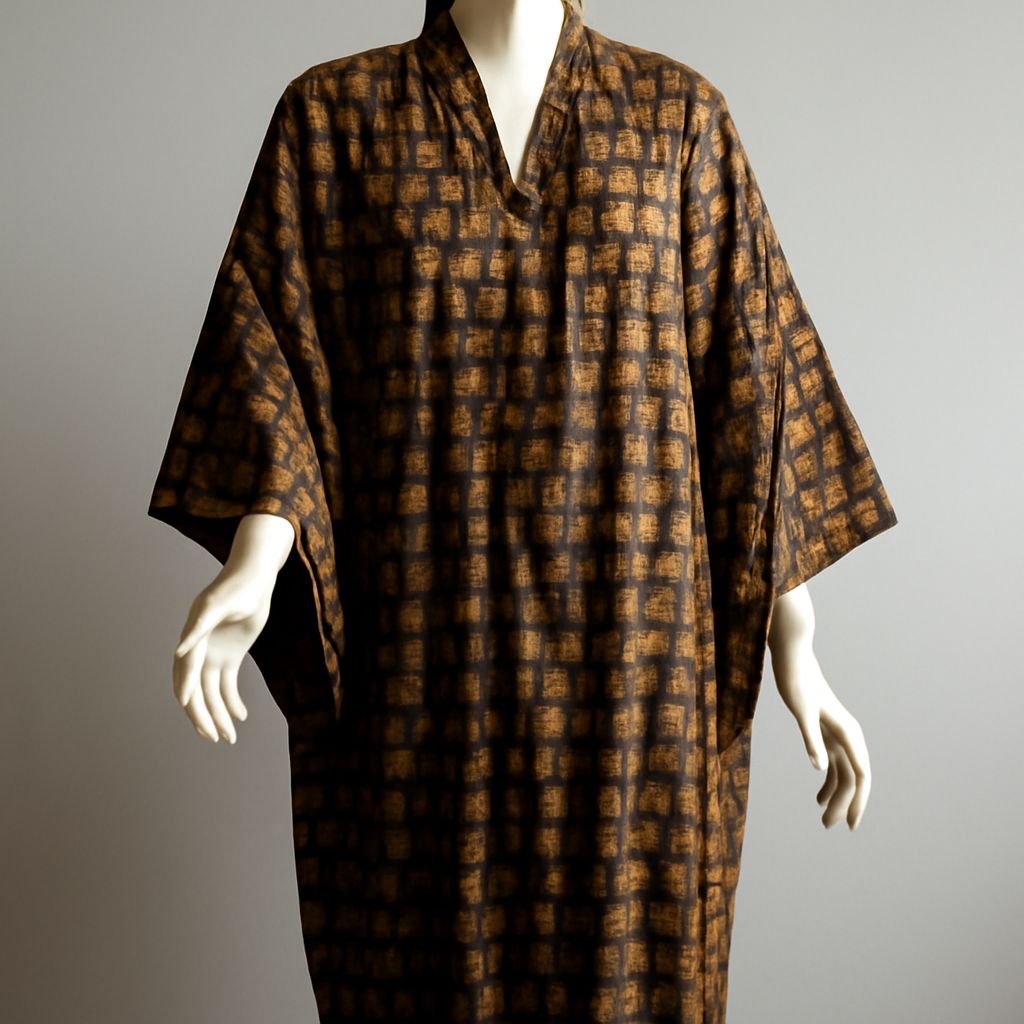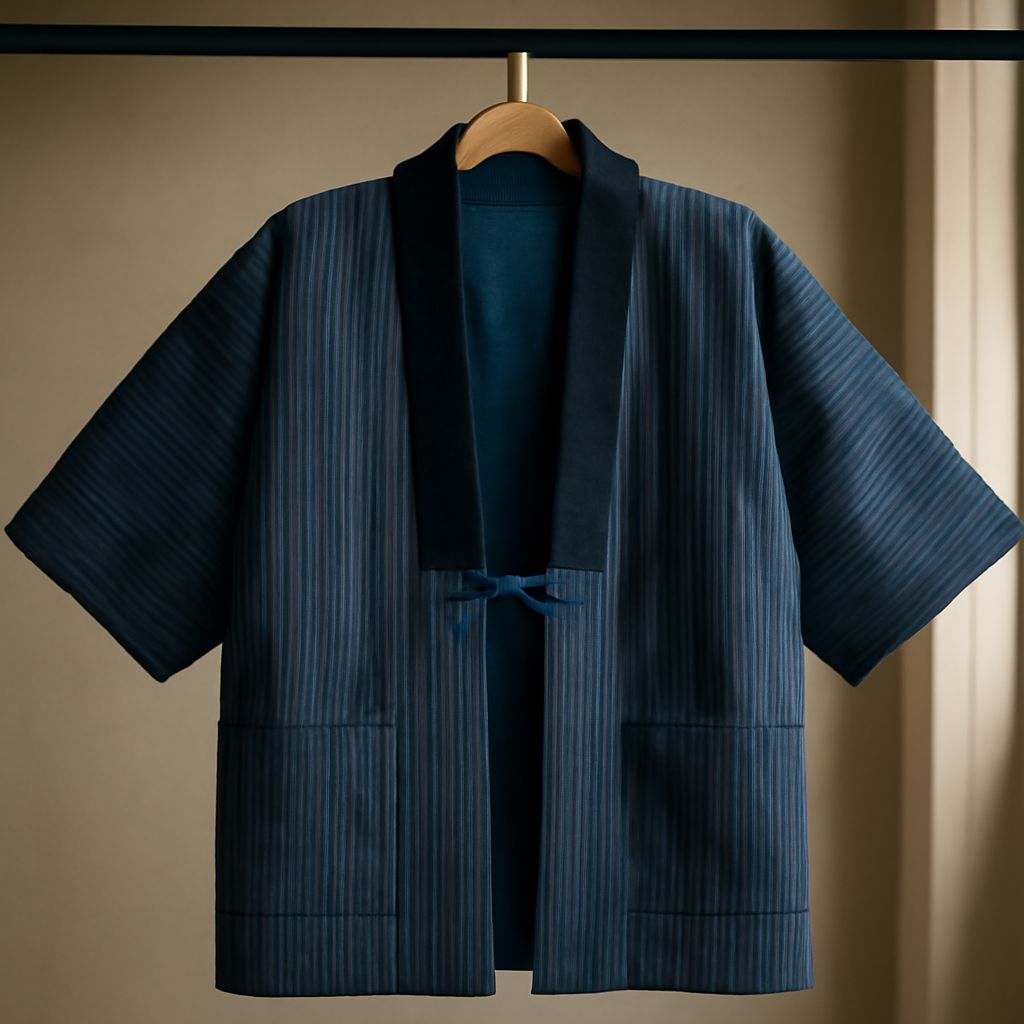
A hanten coat is a short Japanese jacket most often associated with padded winter wear, household use or practical workwear. Its boxy shape is built for movement and layering rather than the formal proportions of a kimono.
A modern hanten shirt keeps that relaxed silhouette but may be thin, unlined or made from contemporary fabric. A haori kimono, by contrast, is an open-front kimono jacket with a distinct construction and dressier styling tradition.
What Is a Hanten Coat?
Traditional hanten are short jackets with a straight, practical cut. Many winter versions are padded with cotton and quilted, creating a warm layer that sits around the torso without the bulk of a long coat. Others are lighter and were worn for household tasks, local work or informal daily clothing.
Workwear, Household Wear and Padded Winter Types
The word hanten covers several related jacket types. A padded cotton hanten is the familiar cold-weather version, often worn indoors or over simple clothing. Work-oriented styles can use sturdy cotton and less insulation, while sleeveless versions allow easier movement during chores or craft work.
How Hanten Differs from Happi and Haori
Hanten, happi and haori are not interchangeable names. A happi is typically a lightweight, straight-front jacket linked with festivals, shops, teams or ceremonial workwear. It may feature bold colors, crests or printed lettering. A hanten is more commonly practical and may be padded. Haori belongs to the kimono jacket tradition and follows a different construction.
When a Hanten Shirt Is the Lighter Choice
Boxy Cut Without Traditional Padding
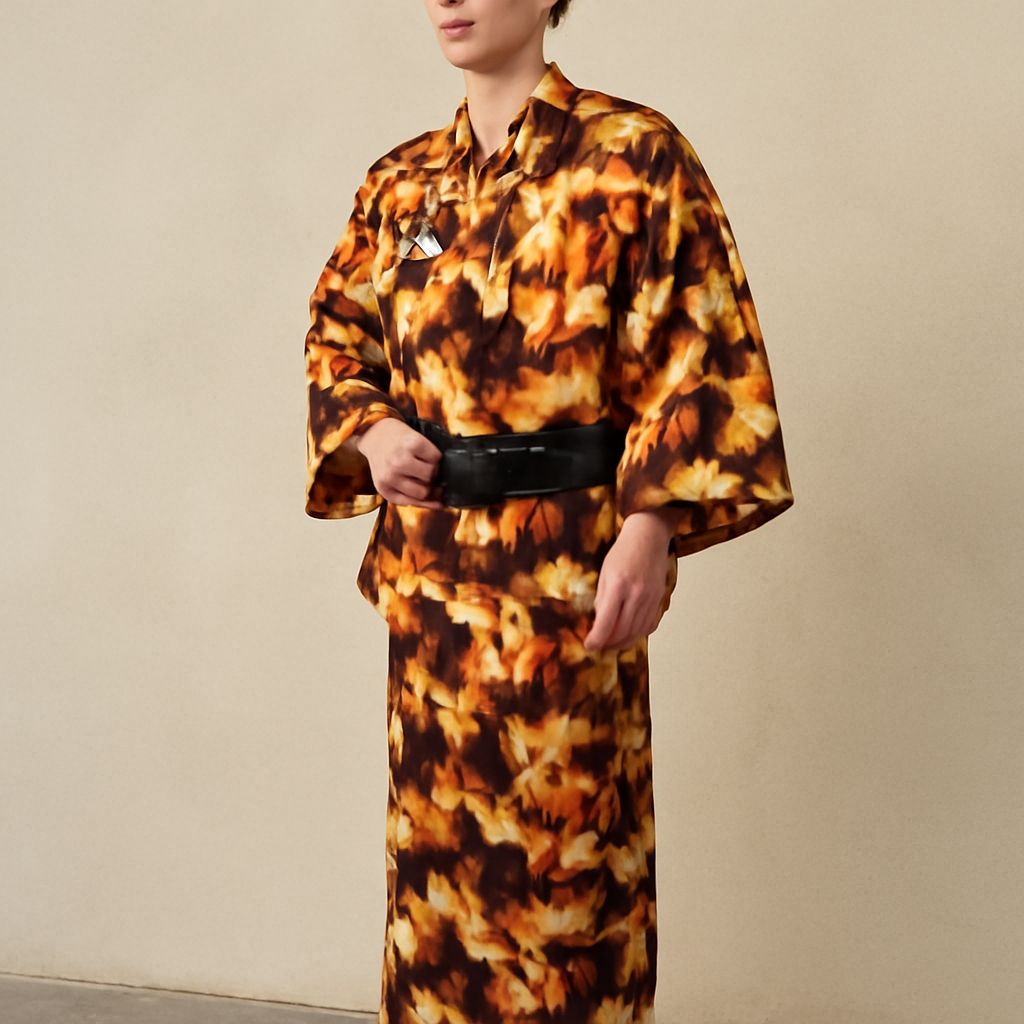
A hanten shirt borrows the hanten’s broad body, short length and easy sleeve shape without necessarily reproducing its traditional materials or function. It may be made from linen, denim, canvas or lightweight cotton, with no wadding and little or no lining.
This makes it useful as an overshirt in mild weather. Wear it open over a T-shirt, fasten it like a casual jacket or layer it over a knit. The result has a Japanese workwear influence, but it should not automatically be described as a historical padded hanten.
What Makes a Haori Kimono Different?
Open Front and Dressier Kimono Context
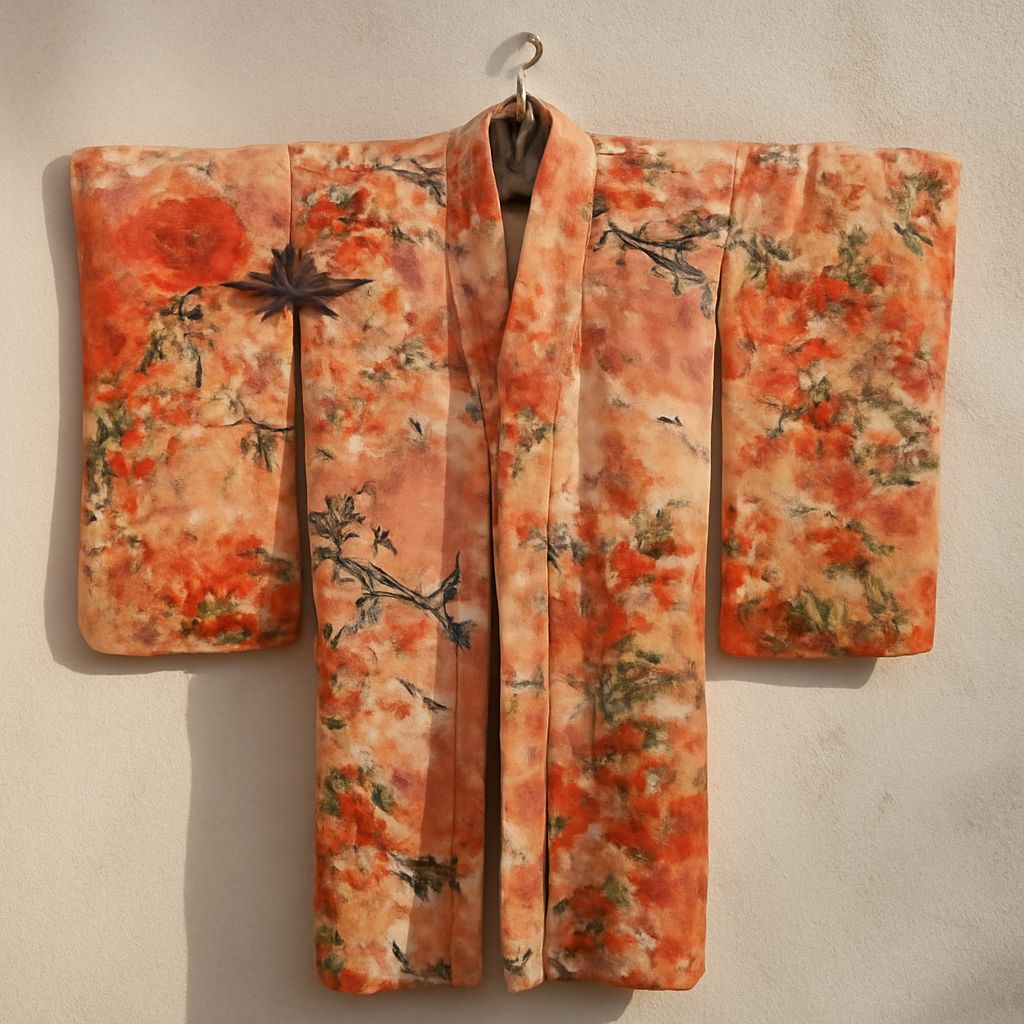
A haori is an open-front kimono jacket designed to sit over kimono or modern clothing. It usually has kimono-style sleeves, a distinctive neckband and a more panel-based construction than a simple shirt jacket. A pair of small cords, called haori himo, can connect at the chest, but the garment normally does not close like a coat.
Traditional haori may be lined and made from silk, wool or other refined textiles. Their formality varies: plain haori can work with contemporary outfits, while patterned or crested examples suit more ceremonial dress. They are generally less insulated than a padded hanten, although fabric and lining change the warmth.
Construction, Fastening, Warmth and Styling Compared
- Collar: Hanten usually have a simple standing or folded collar. Hanten shirts simplify it further, while haori use a kimono-style neckband.
- Closure: Hanten may use ties, snaps, buttons or a zip. Hanten shirts often use buttons or remain open. Haori are open at the front and may use decorative chest cords.
- Lining: Padded hanten commonly have cotton filling and quilted layers. Shirts may be unlined. Haori can be lined, but lining does not necessarily mean heavy insulation.
- Warmth: Choose a padded hanten for winter comfort, a hanten shirt for a light overshirt and a haori for a polished outer layer.
- Typical styling: Hanten suits relaxed workwear and homewear. Hanten shirts pair with jeans or wide trousers. Haori adds a dressier kimono-inspired layer over a shirt, dress or tailored outfit.