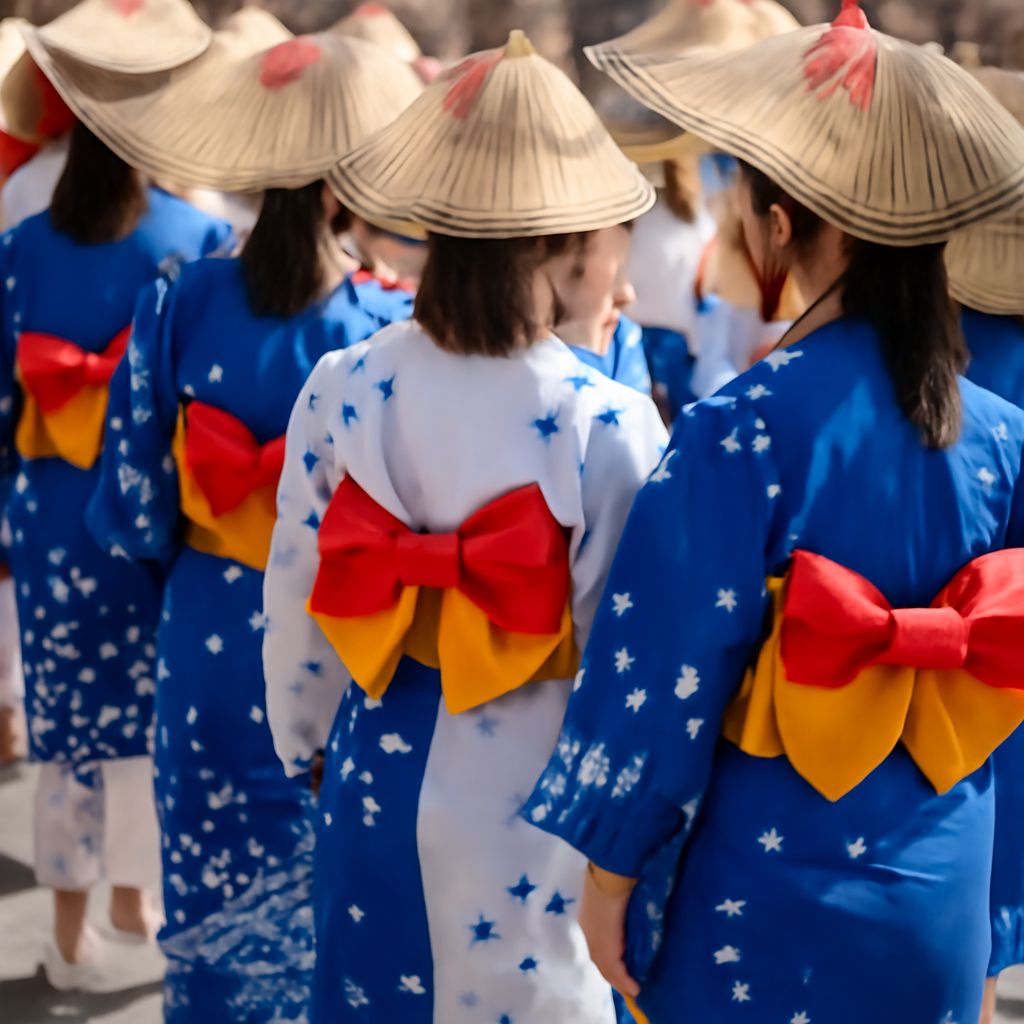
Japanese garments are not only beautiful but also rich in cultural significance. Among the most prominent are the kimono and yukata, each with its unique history and function. These traditional Japanese fashions reflect the country’s aesthetics and values, offering a glimpse into its cultural heritage.
Introduction to Japanese Garments
The kimono and yukata are iconic garments that epitomize traditional Japanese fashion. A kimono is a formal garment, often made from silk, with intricate designs and vibrant colors. In contrast, a yukata is a casual summer robe, typically crafted from cotton or synthetic fabrics, known for being lighter and more breathable.
Cultural Significance
Both the kimono and yukata hold deep cultural importance in Japan. The kimono is worn during special occasions such as weddings, tea ceremonies, and traditional festivals. It symbolizes respect and adherence to cultural traditions. The patterns and colors of a kimono can signify the wearer’s age, marital status, and even the season. Meanwhile, the yukata is often seen at summer festivals and events like fireworks displays. It represents a more relaxed approach to traditional attire, focusing on comfort and seasonal enjoyment.
Kimono vs. Yukata
While both garments are distinctly Japanese, there are notable differences between kimono and yukata. The kimono is more formal and typically features a full-length, T-shaped wrap-around design with long sleeves and a wide sash called an obi. It is lined and requires several layers to be worn correctly. Conversely, the yukata is an unlined, simpler garment, usually with shorter sleeves. It is fastened with a thinner obi and is easier to wear, making it ideal for casual settings.
How to Wear
Wearing a kimono can be an art form in itself. The process involves several layers, beginning with a nagajuban, or undergarment, followed by the kimono. It is essential to wrap the left side over the right and secure it with the obi. Accessories such as geta sandals and a haneri collar add to the ensemble. In contrast, the yukata is easier to don. It is worn over a lightweight undergarment and secured with a simple obi. The left side is also wrapped over the right, adhering to traditional customs.
The elegance and cultural depth of traditional Japanese garments like the kimono and yukata continue to captivate people worldwide. Through understanding their significance and differences, one can appreciate the artistry and tradition that these garments represent in Japanese culture.