Kimono & Yukata
-
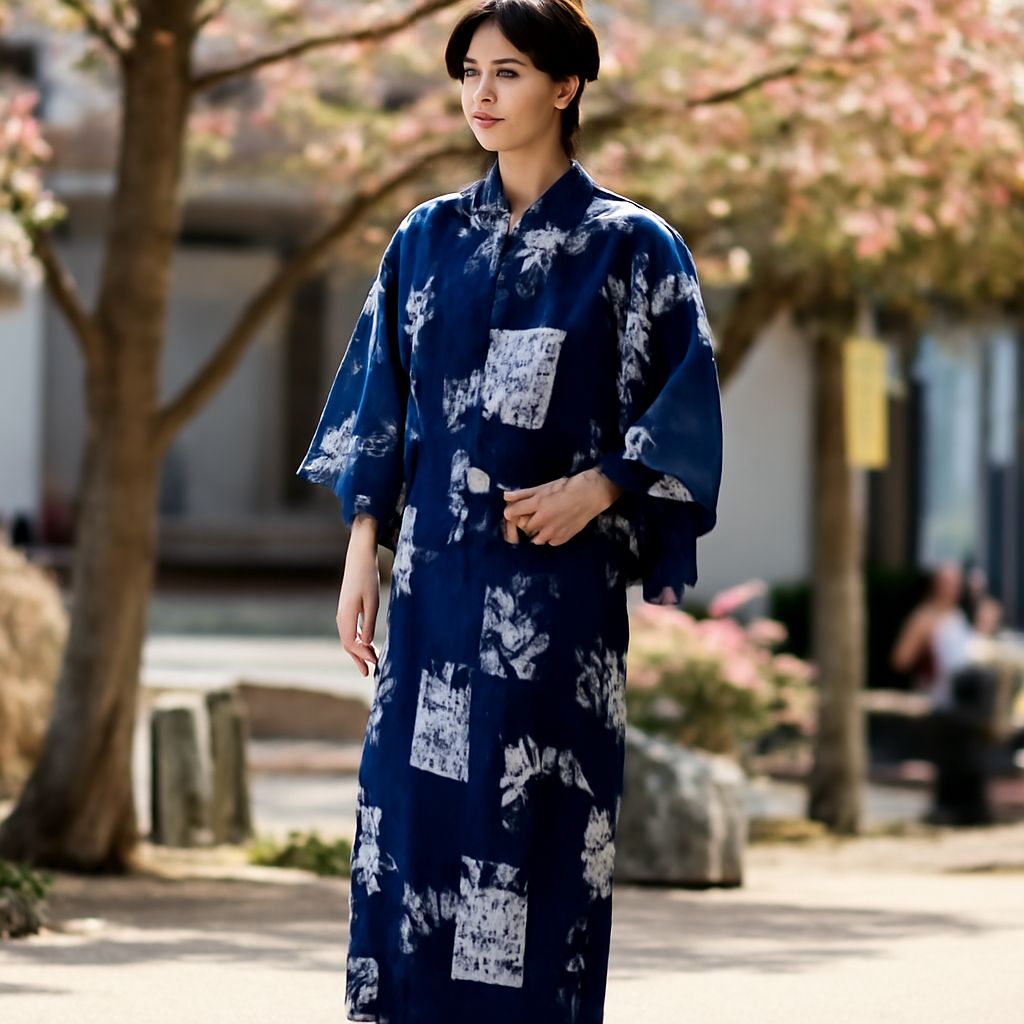
Men’s Kimonos in Feudal Japan: What Men and Samurai Wore
Men’s kimonos in feudal Japan were layered garments, not a single samurai uniform. Learn how kosode, hakama, kataginu, ceremonial dress,…
-
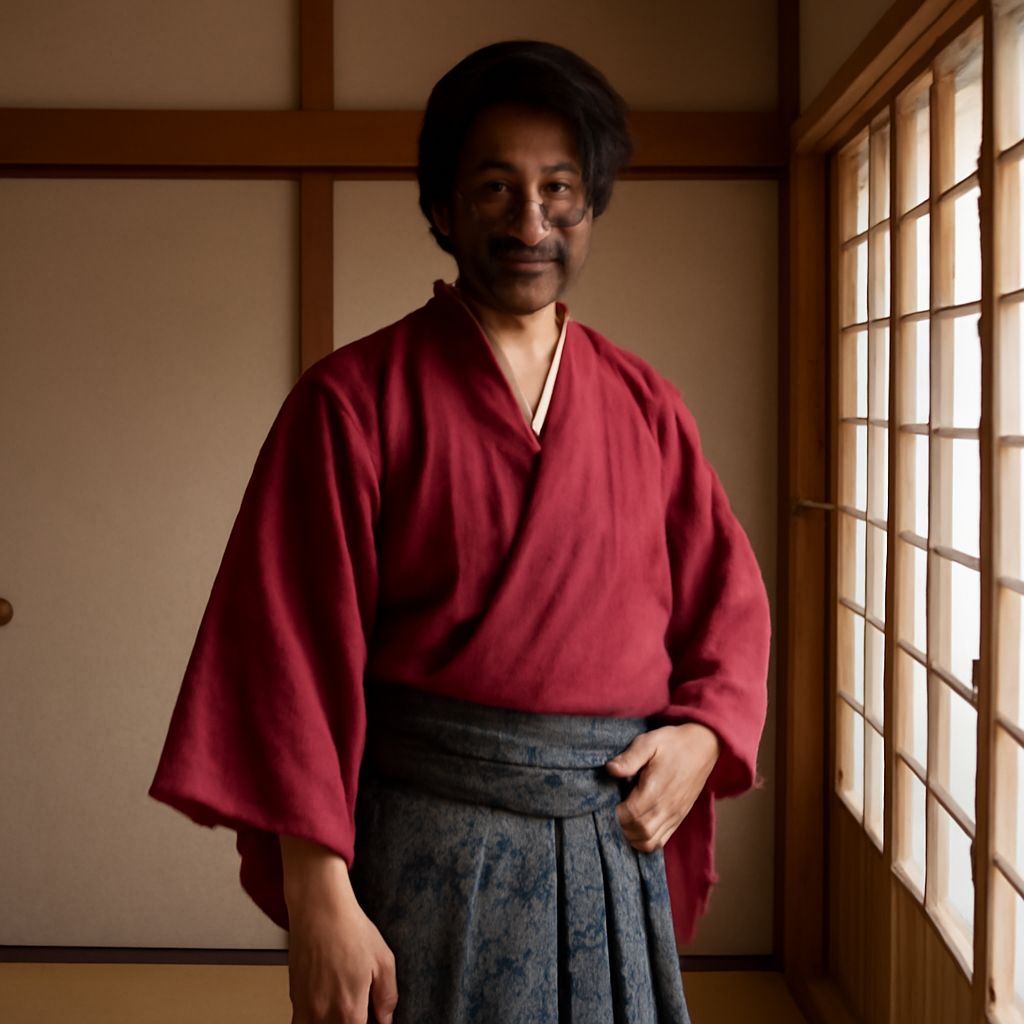
Japanese Male Kimono: Fit, Layers and Formality
Learn how a Japanese male kimono should fit, from body length and sleeve width to overlap, then layer the juban,…
-
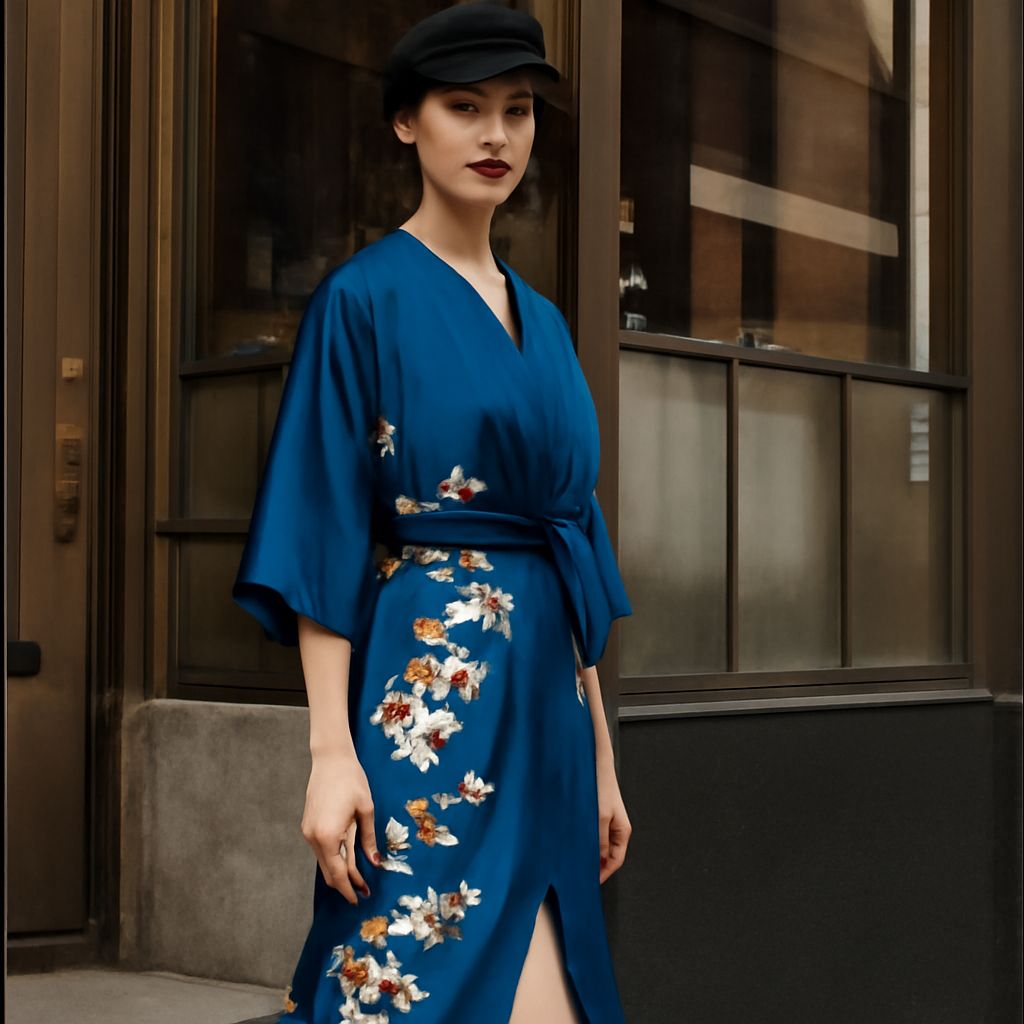
Beautiful Kimono: How Traditional Form Inspires Modern Dresses
Beautiful kimono design comes from straight-cut panels, a wrapped front, an obi, wide sleeves, and a continuous surface. See how…
-
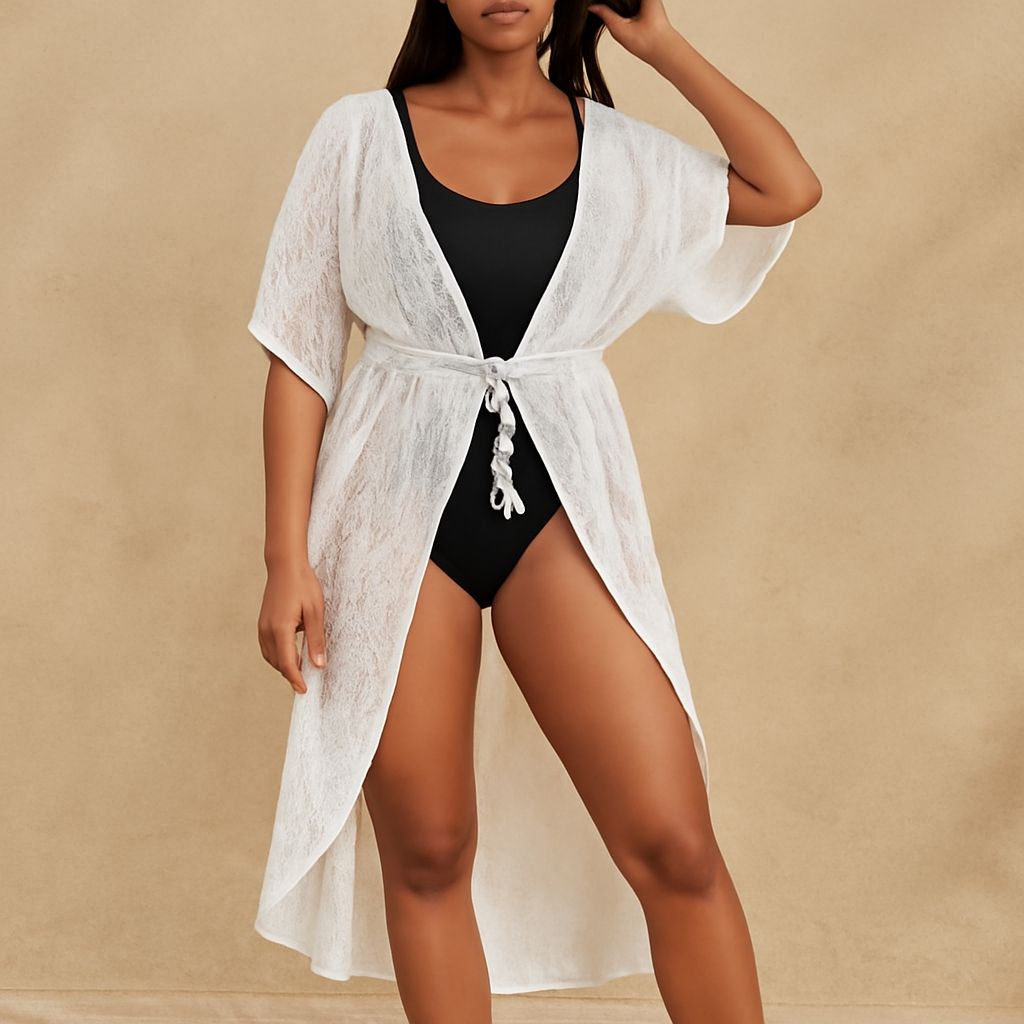
Kimono Jackets: A Women’s Kimono Guide to Full, Haori and Modern Styles
Kimono jackets can mean a full women’s kimono, a traditional haori, or a modern robe-style layer. Learn to read length,…
-
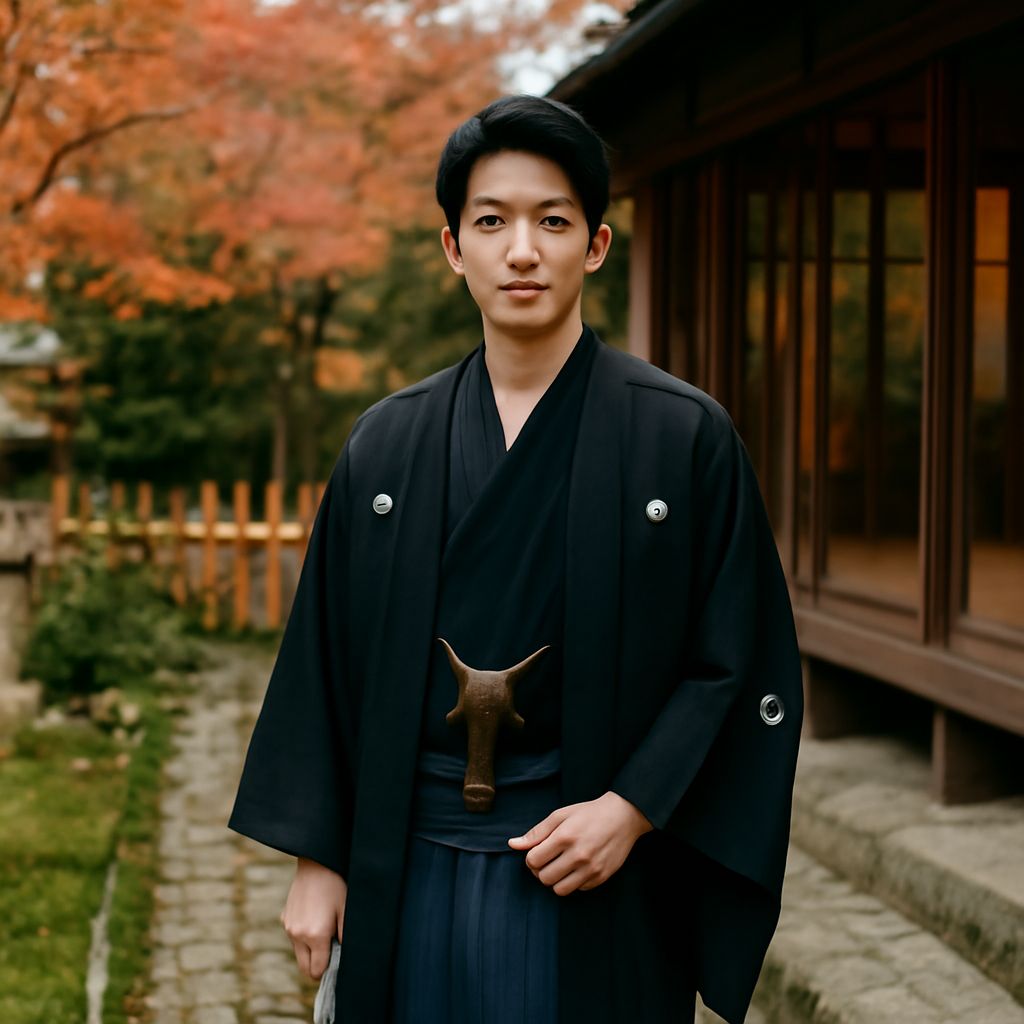
Japanese Kimono for Men: A Guide to Traditional Dress
Learn how to identify a Japanese kimono for men, from its T-shaped body and obi to juban, haori and hakama,…
-
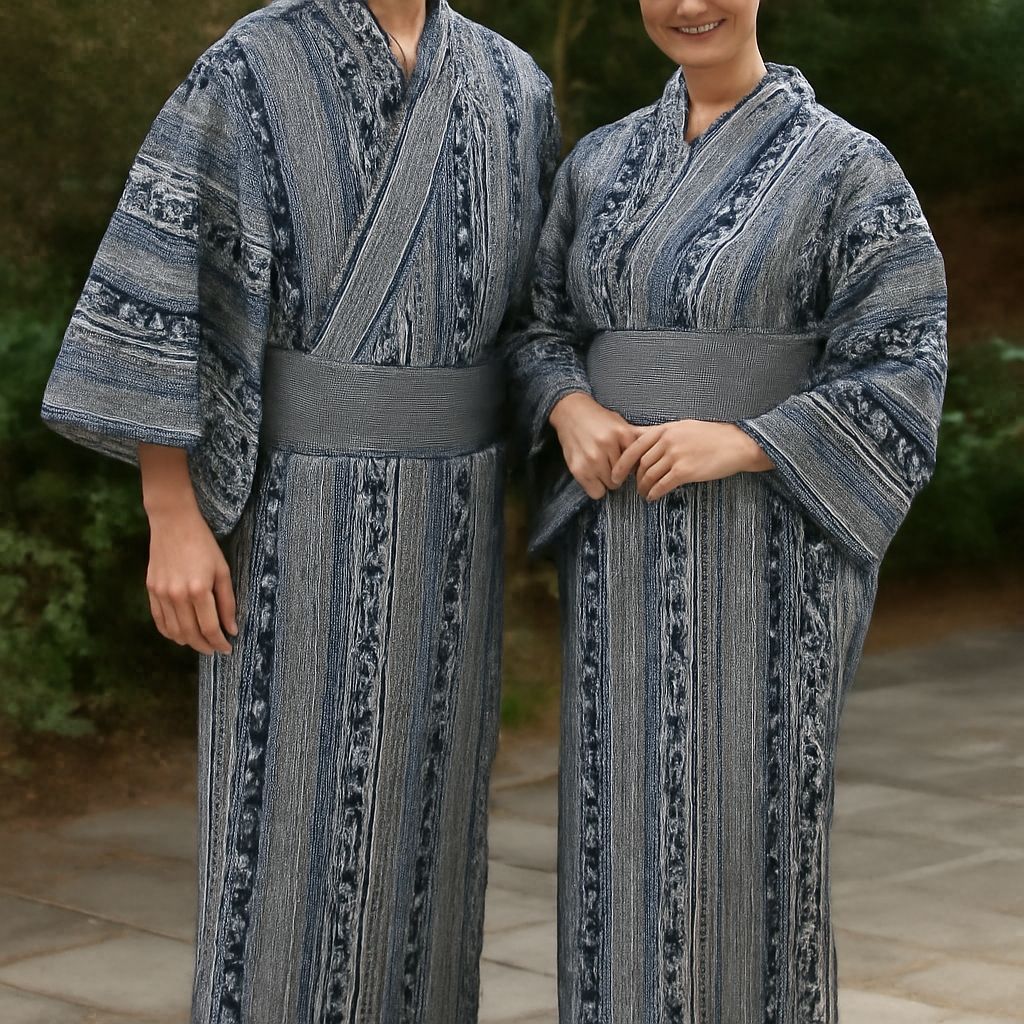
Kimono for Men and Women: Construction and Styling Differences
Learn how kimono for men are constructed and styled, then compare sleeves, color, motifs, fabric, obi, layers and accessories. See…
-
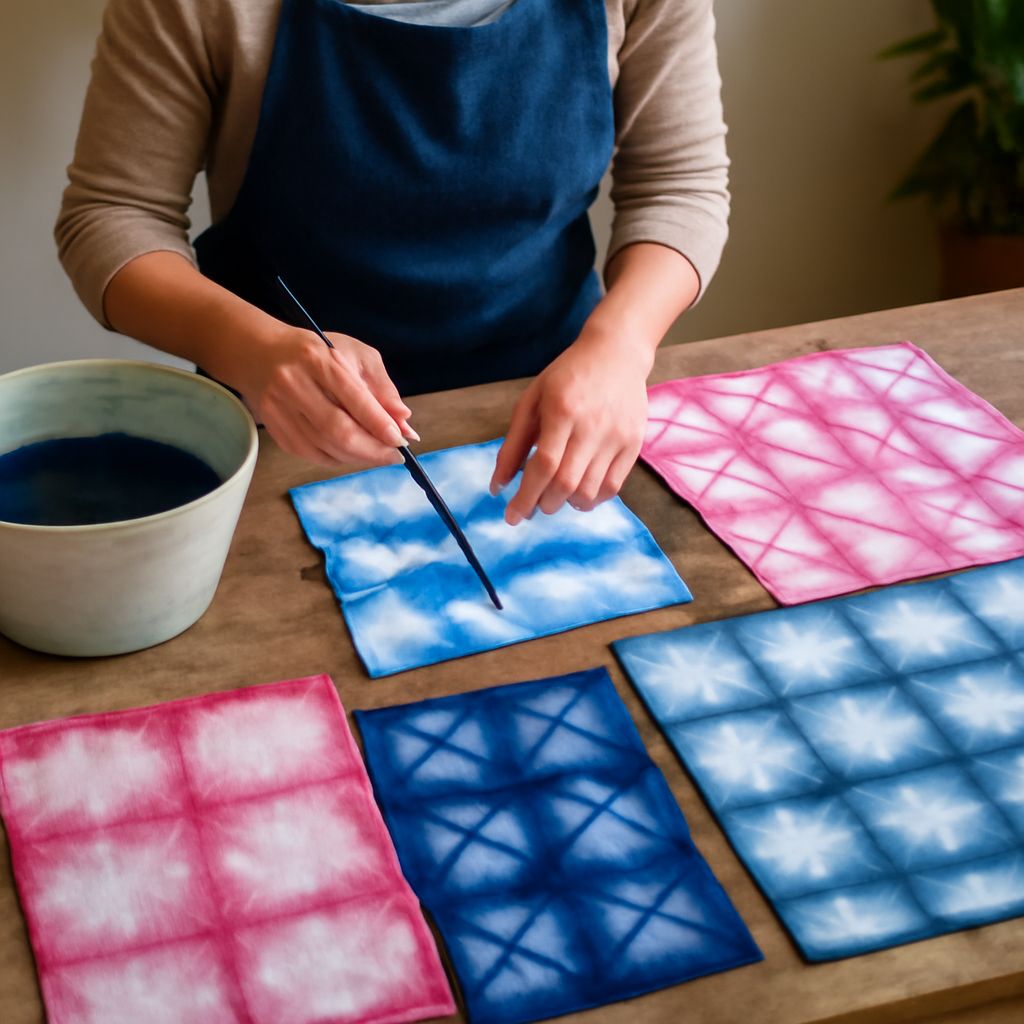
Shibori Dye: Fabric, Patterns and a Simple Folded Project
Explore shibori dye: choose absorbent natural-fiber fabric, fold and bind a repeatable resist, control dye exposure, then rinse, oxidize and…
-
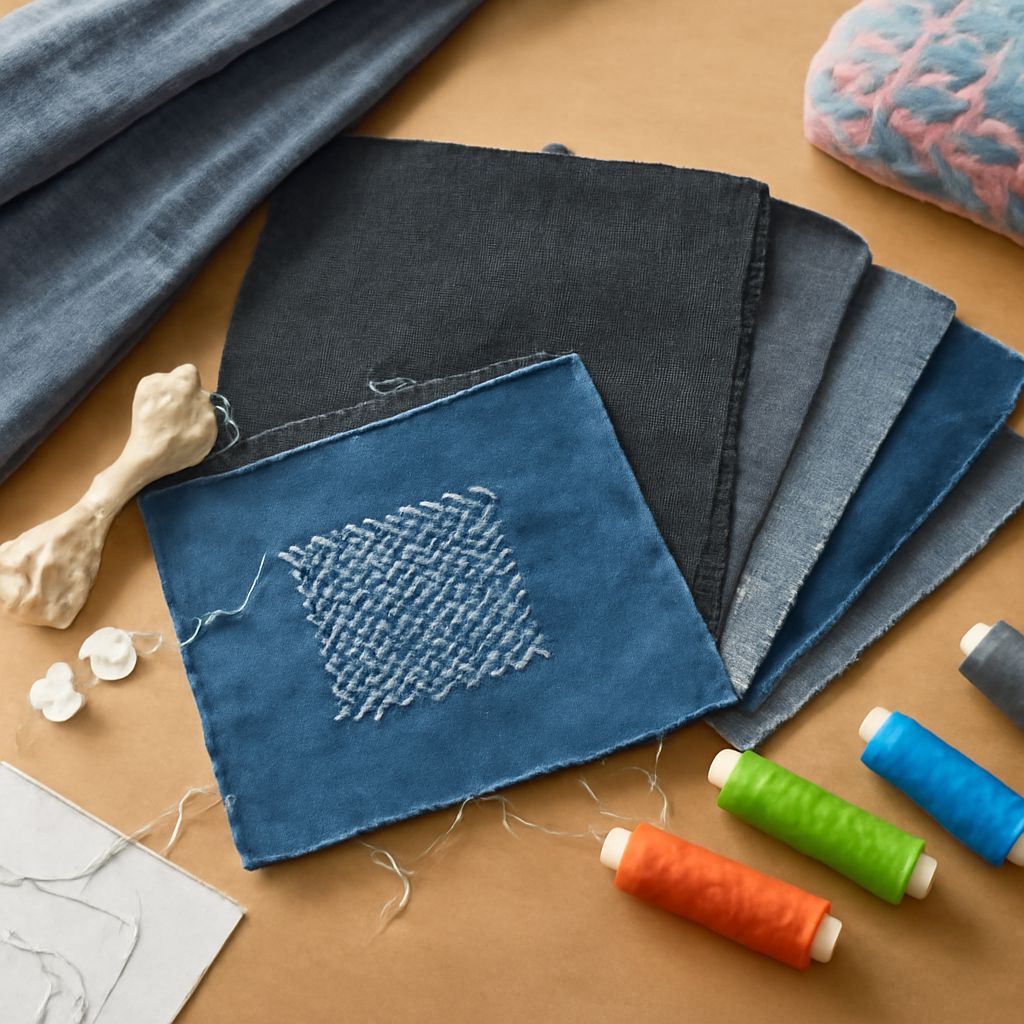
Sashiko Quilting: Stitches, Supplies and Your First Project
Learn sashiko quilting with a minimal kit, then stitch a small geometric panel. Follow the running-stitch rhythm, avoid bulky intersections,…
-
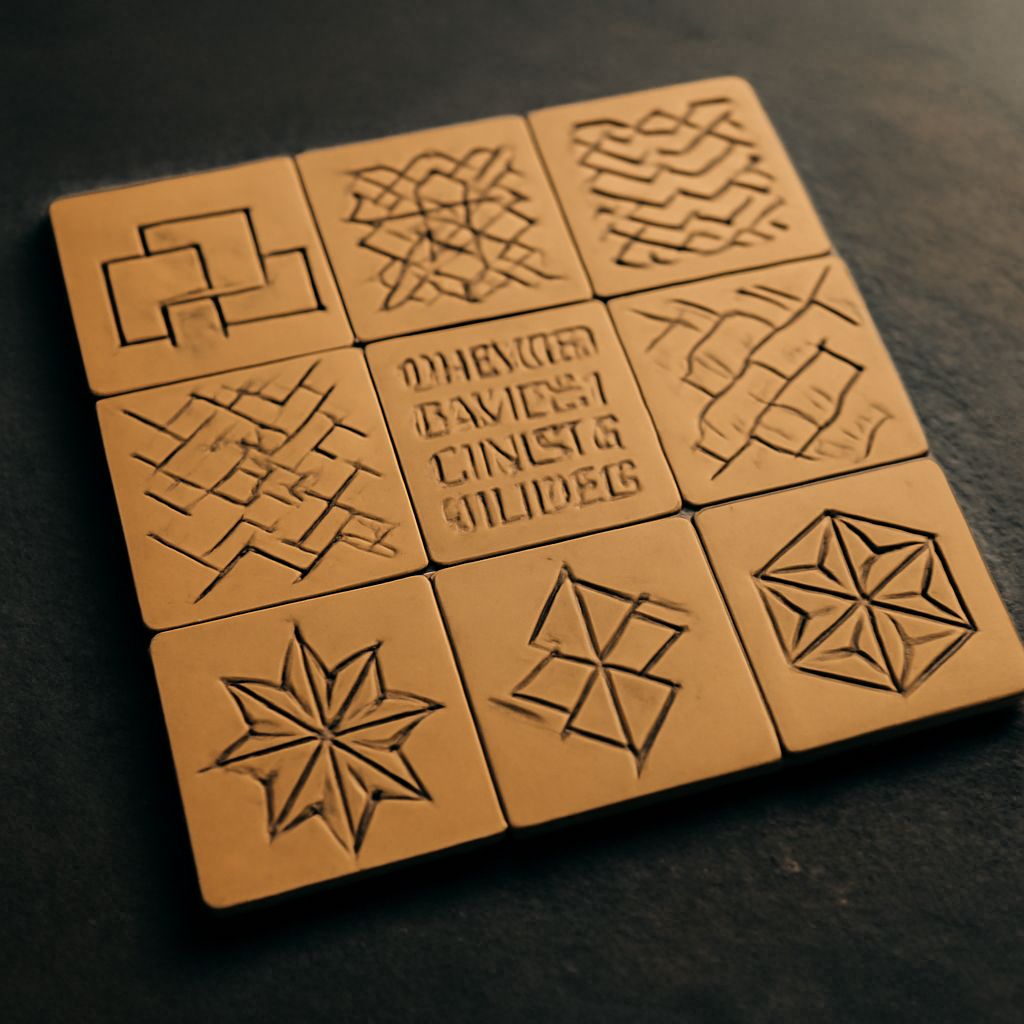
Sashiko Needles: Choose by Stack, Then Stitch a Quilt Sample
Sashiko needles depend on the fabric stack: choose a flexible needle for one layer and a longer, stiffer needle for…
-
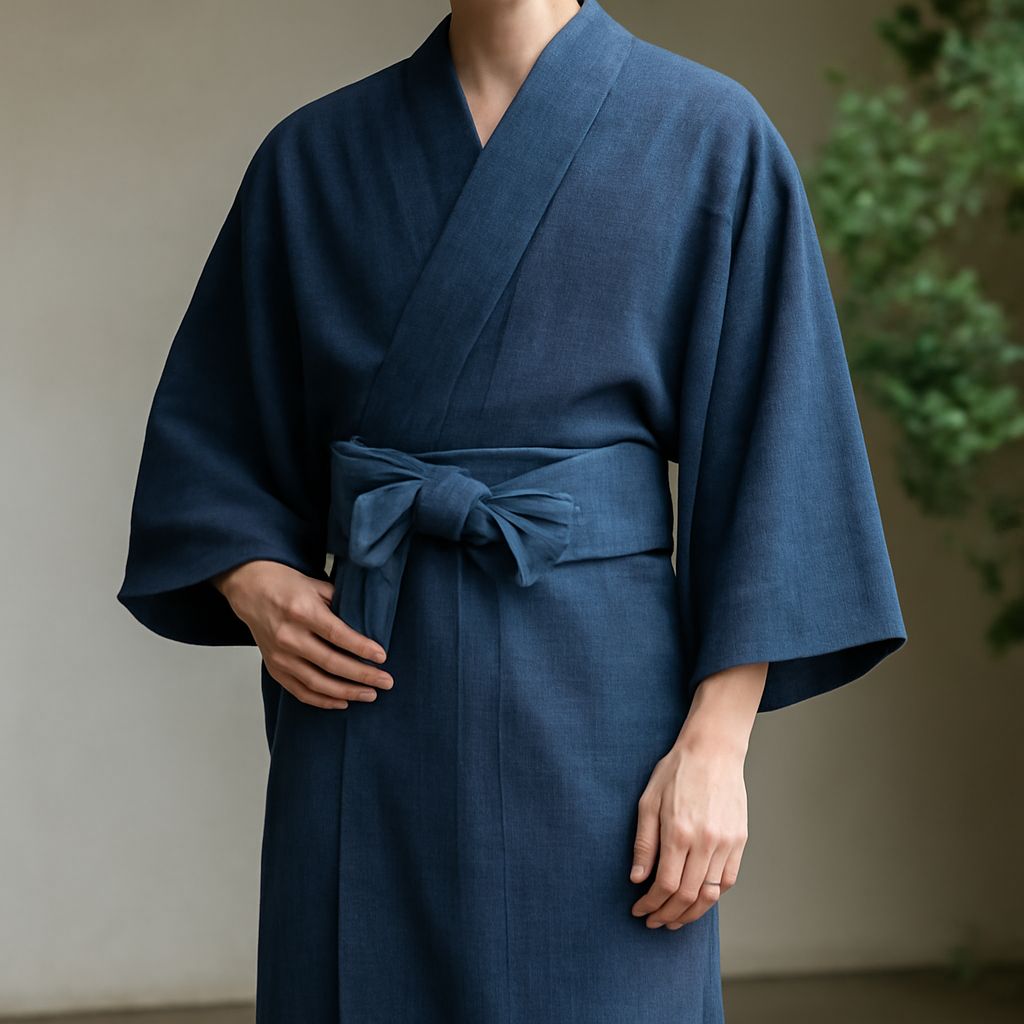
Male Kimono Name: Kimono, Yukata and Related Garments
Looking for the male kimono name? Kimono is the standard term for this Japanese garment. Compare fabric, lining, obi, season…