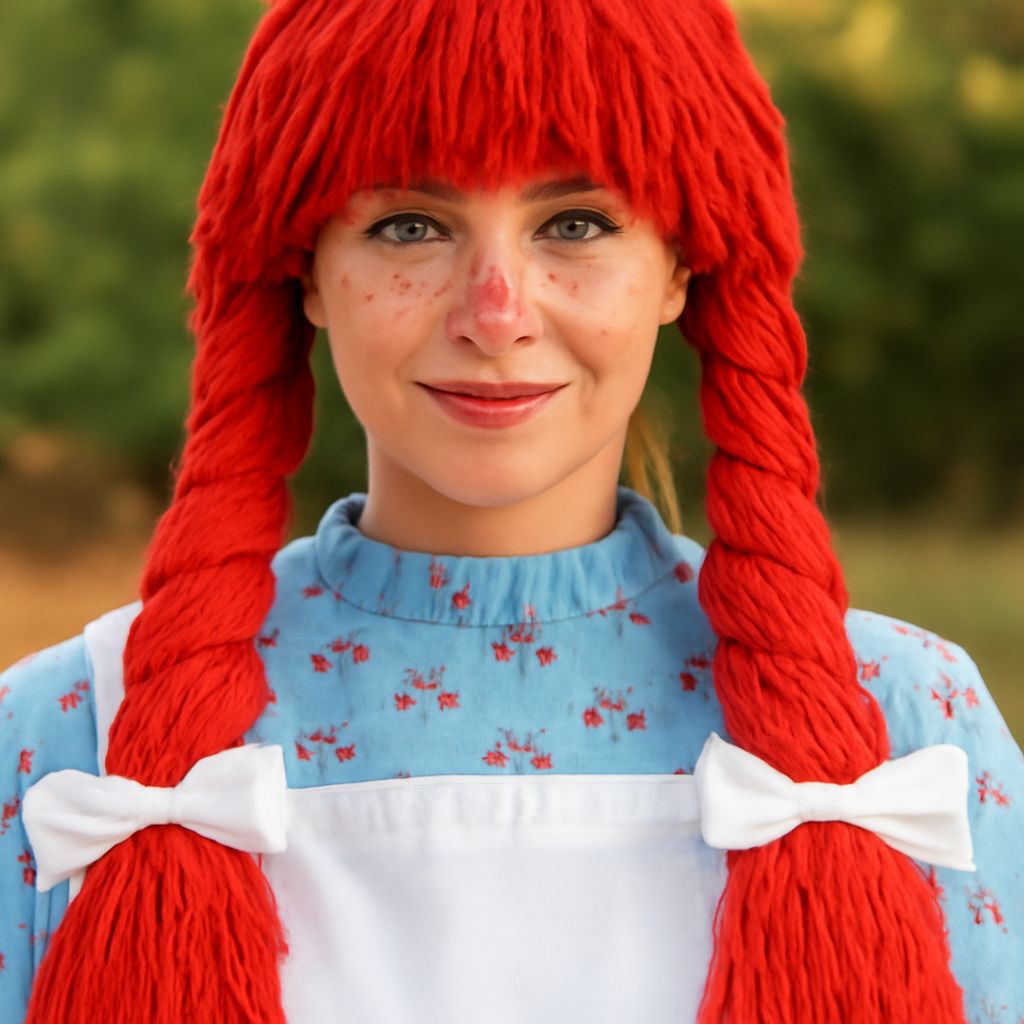
A character wig can reproduce a silhouette that natural hair cannot easily hold: a bright fringe, a sharply defined part or a long, dense sweep. Choosing one starts with a clear reference and a practical plan for fit and styling. Color matters, but the cap, fiber and amount of hair available for cutting can determine whether the finished piece works for an event.
Compare the character from the front, side and back when those views are available. Note the part, fringe, length, volume and any accessories. A wig for an animated character is an interpretation of a drawn shape, so decide which features must be recognizable and which can be adapted to the wearer’s comfort and budget.
Where to buy cosplay wigs: documented starting points
Arda Wigs is one specialist supplier to investigate. In a March 2019 company history, Arda describes selling wigs for cosplayers over the preceding decade. A 2019 Yoko Kurama build identifies an Arda Jareth Classic in Cherry Red as the base and shows how its wearer shaped and trimmed it. That dated project documents a specific past use, not current stock or a guarantee of an identical color.
Epic Cosplay is another route. Its October 2018 Umi Sonoda feature identifies the Nyx in Midnight Blue as the base for Caroline Renee’s costume and describes a long, straight style with a trimmed fringe. A February 2018 restock announcement provides further evidence of the supplier’s earlier operation. The old product link in the feature may no longer work; use the supplier’s home page to look for current alternatives.
These dated sources establish that the suppliers and examples existed before October 12, 2026. They do not prove which colors were in stock on that date. Before ordering, check the current listing, dispatch location, shipping estimate, return conditions and the specific cap and fiber details; a styled or cut wig may be subject to different return rules.
Choose a base from the reference
For anime cosplay wigs, separate the overall silhouette from details that can be added later. A short, layered base may reduce the amount of cutting needed for spikes; a long, straight base gives more length for a smooth style. If a character has a high ponytail, look for construction that covers the cap when the fibers are lifted, or plan a separate ponytail piece.
Density is the amount and distribution of fiber. A dense cap can help cover the underlying wefts—the rows of hair sewn into the cap—when a style is parted or teased. More fiber can also add weight and bulk. Look at photographs of the hairline, part and back, not just a front-facing image with all the hair in place.
When considering where to buy cosplay wigs, compare the base’s length and cap measurements with the planned work. A wig that is longer than needed leaves room for trimming; one that is already too short cannot be lengthened invisibly without matching added fiber. Save the product’s color name and fiber description if extensions may be needed later.
Fiber, color and heat
Synthetic fibers are common in character wigs and can retain a preset shape. Heat tolerance varies by fiber and by product. A historical description of one Nyx wig gives a heat range, but that number should not be transferred to another wig or assumed to apply to a current version. Follow the instructions supplied with the exact item and test a hidden strand at a low setting before styling. If no safe temperature is specified, use a no-heat method.
Screens and lighting can shift color. Compare a supplier’s swatch, if offered, with the character reference in daylight and under the light expected at the event. A dark blue wig may read almost black indoors, while a bright color may appear lighter in photographs. The 2019 Kurama maker’s account illustrates this decision: the maker compared red shades before selecting a base.
High quality cosplay wigs should be assessed through details rather than a single claim. Look for clear material information, consistent seams, a cap that can be measured, photographs in several views and a stated care method.
Fit the cap before cutting
Measure around the head at the intended hairline and compare the result with the seller’s cap information. Prepare natural hair in a way that spreads its bulk evenly, then place a wig cap over it if preferred. Put the wig on from front to back and adjust any straps so it sits securely without painful pressure.
Turn the head, look down and test any planned headpiece. A cap that shifts or presses at the temples may need a different adjustment or size. A heavy ponytail can change the balance of the style, so test the wig with the accessory attached before the event. Use suitable clips or other fastening methods only where comfortable and compatible with the cap.
Plan the cut and finish
Try the uncut wig first and mark the desired fringe length while looking straight ahead. Pin it securely on a wig stand that approximates the wearer’s head size. Separate the hair into sections and cut less than the final amount at first; try it on again before making further changes. Keep scissors away from the cap and work carefully around the face.
For a spiked or shaped character style, build volume gradually with methods appropriate to the fiber. The cited Kurama project shows one maker working section by section from a character reference; the same products and heat should not be assumed suitable for every fiber. Detangle from the ends upward with a suitable tool, and store the finished piece so the style is not crushed.
A well-chosen character hairpiece combines a recognizable shape with practical preparation. Before buying or wearing it, check cap fit, the fiber and heat instructions, the planned styling and the seller’s current shipping and return terms. Leave enough time for a trial, adjustments and any replacement before the event.