Japan Cross
-
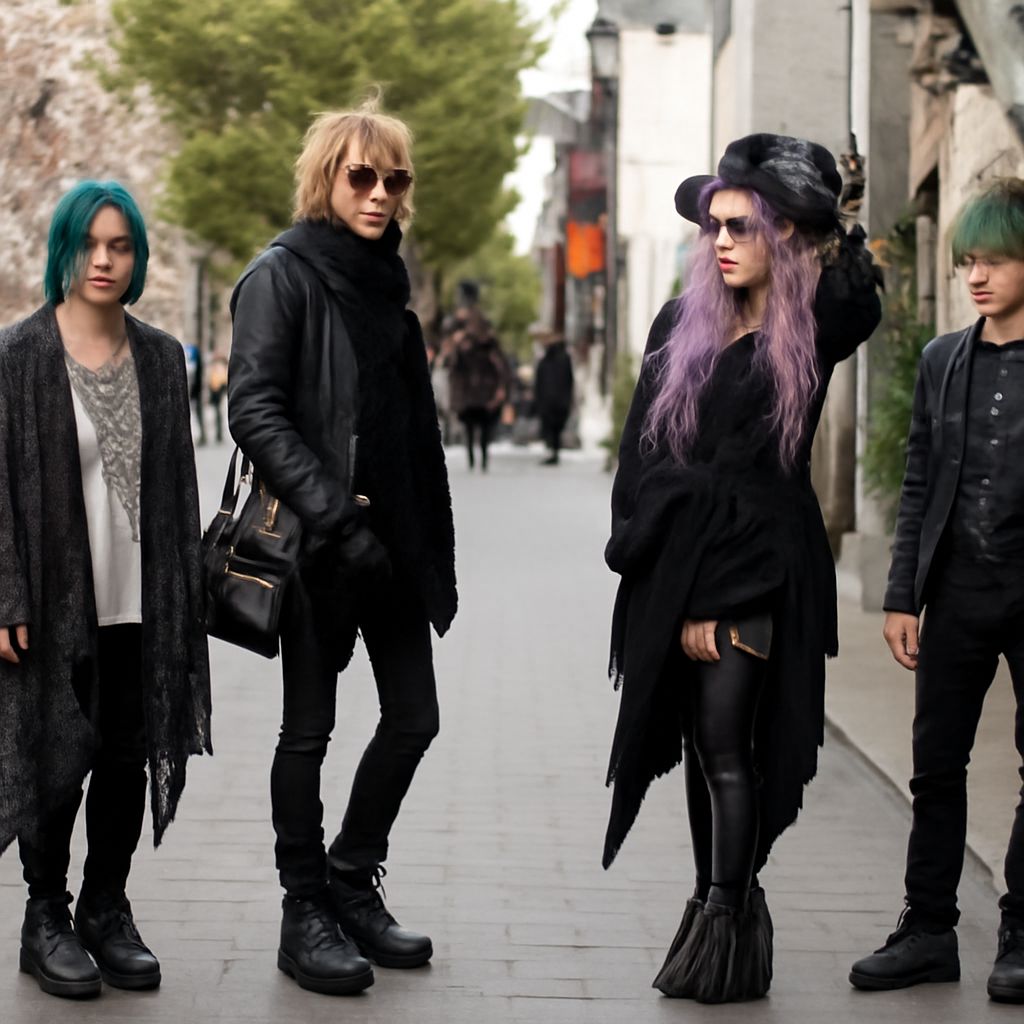
Visual Kei Bands: How Hair and Outfit Style Build a Stage Identity
Visual Kei bands turn Japanese rock into a changing visual language. Learn how musical eras shape hair, makeup, tailoring, layers,…
-
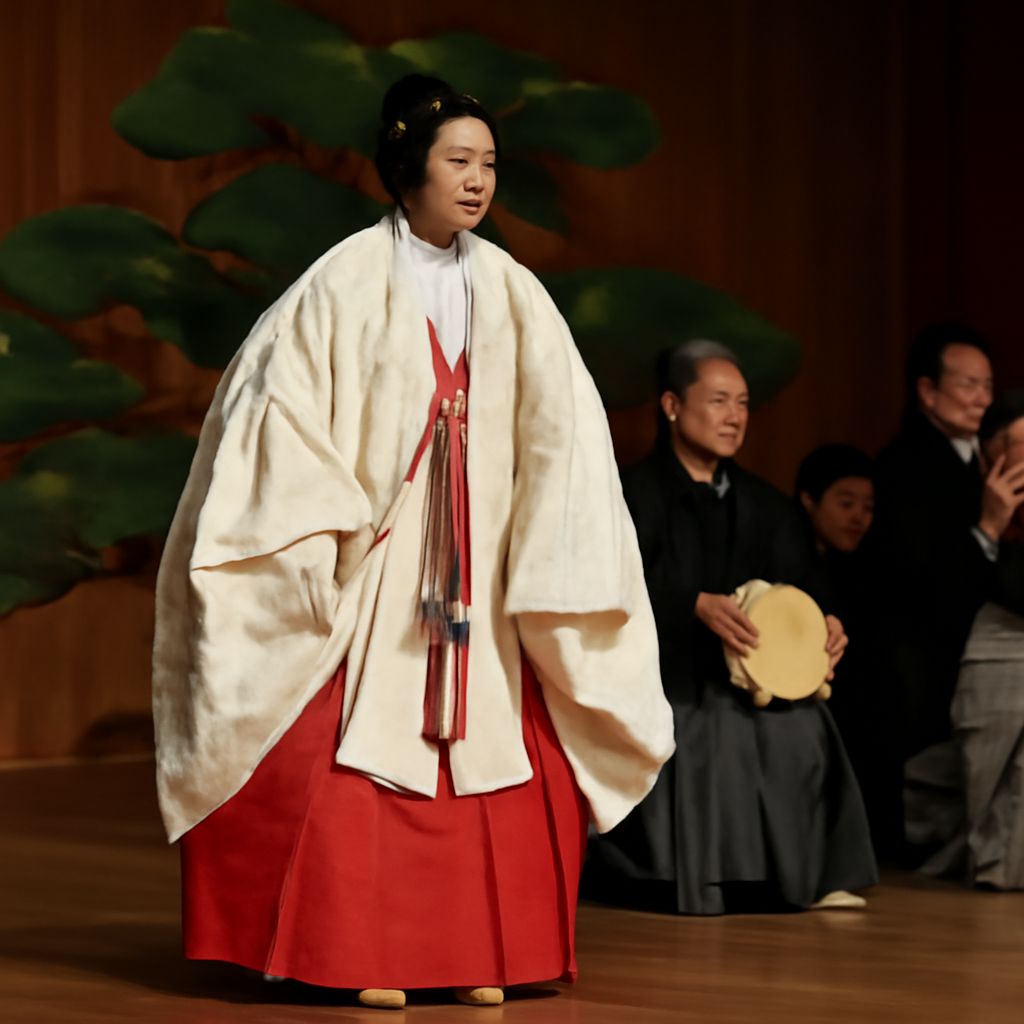
Noh Theatre Masks: How Kabuki Presents Character
Noh theatre masks reveal character through angle and light, while Kabuki uses visible actors, bold makeup, costume and mie poses.…
-
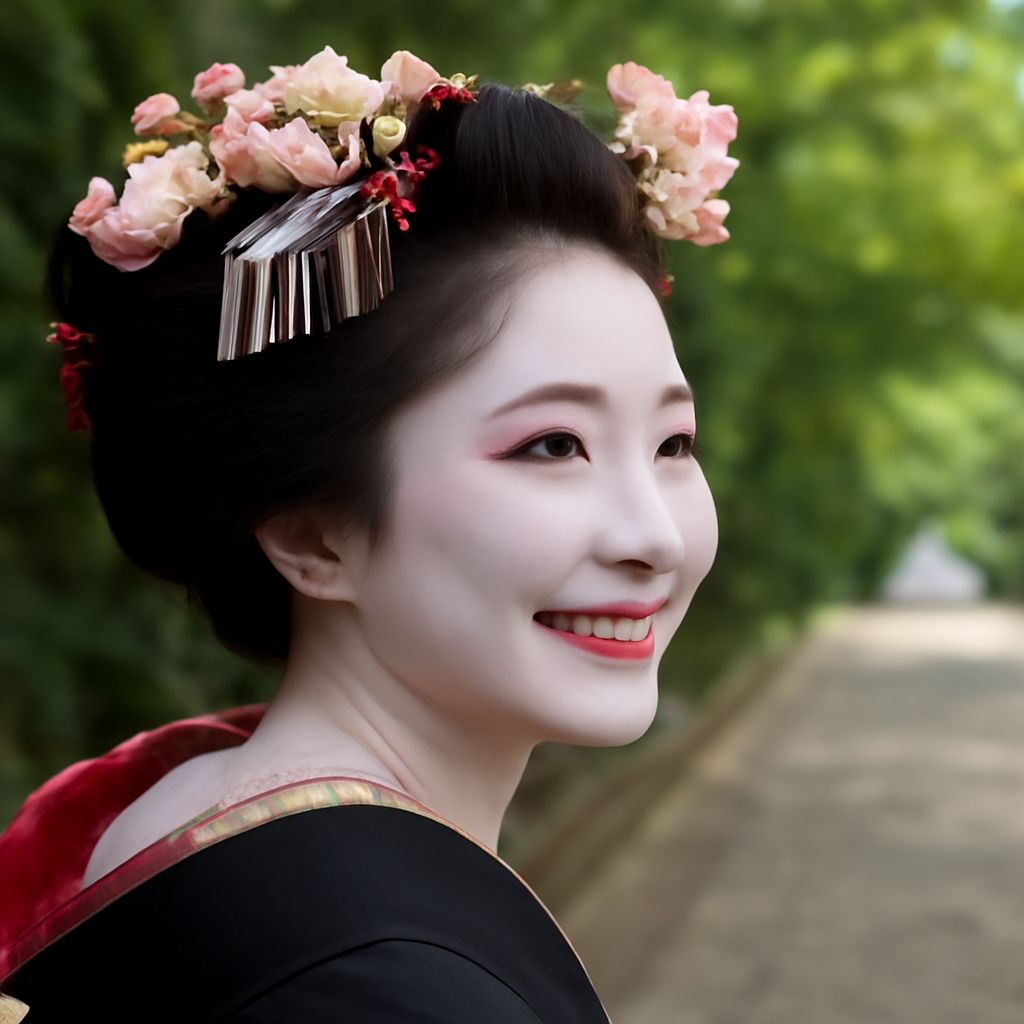
Japanese Maiko: Makeup, Dress and the Path to Geisha
Learn what a Japanese maiko is, how maiko makeup, hairstyles, collars, sleeves and obi reveal training stages, and how modern-day…
-
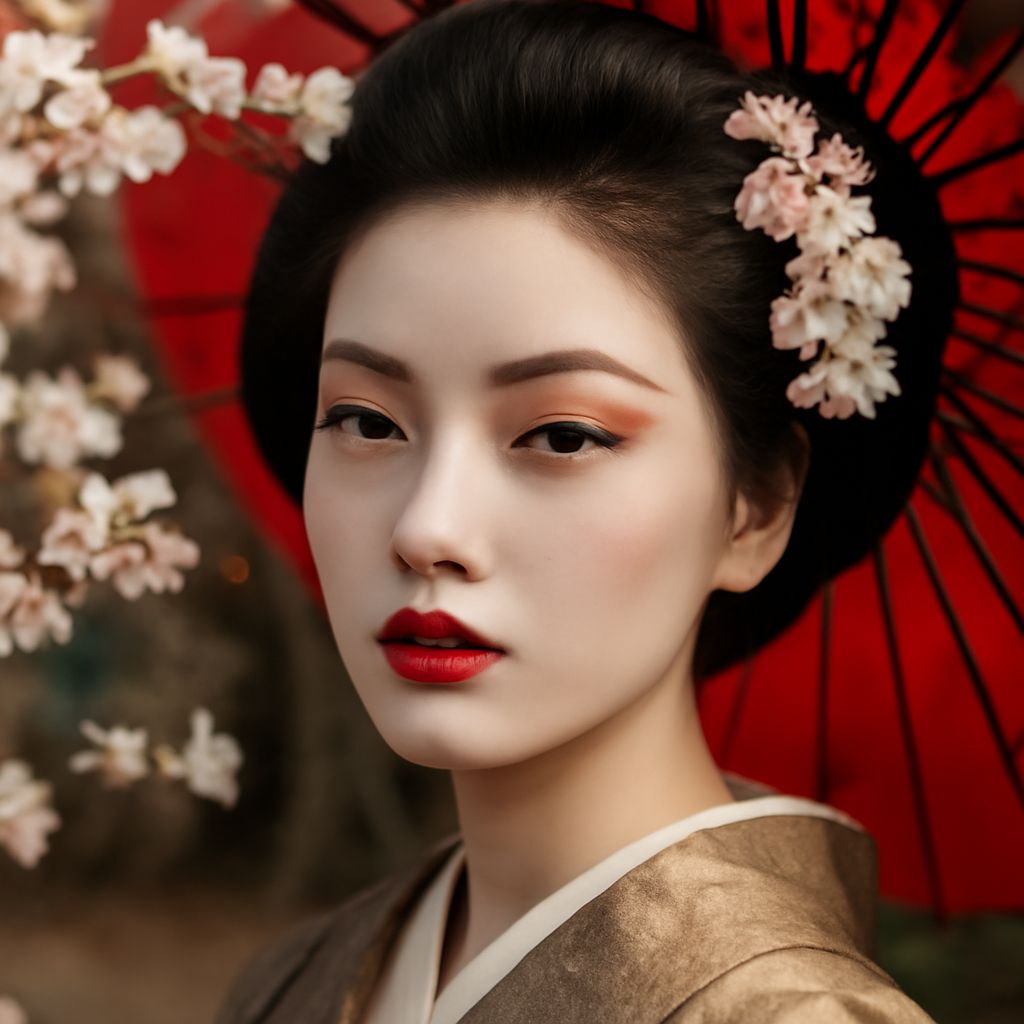
Geisha Inspired Makeup: White Base, Red Accents, and Maiko Differences
Geisha inspired makeup: see how oshiroi builds the white base, where red and black accents go, how geisha lipstick and…
-
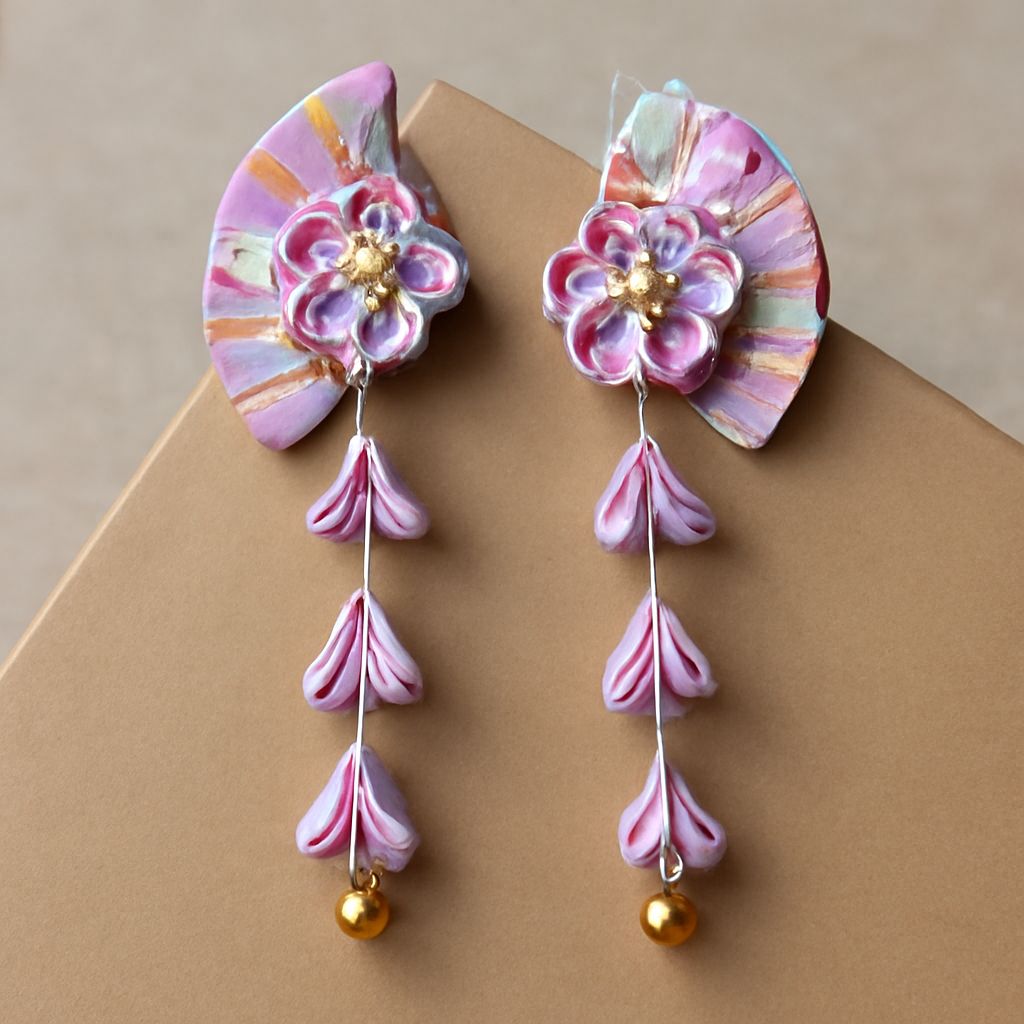
Geisha Fan, Hair and Ornaments: Reading a Maiko and Geisha Ensemble
Geisha fan, hairstyles and hair ornaments each carry a different role: follow how dance, silhouette, kanzashi, season, age, training and…
-
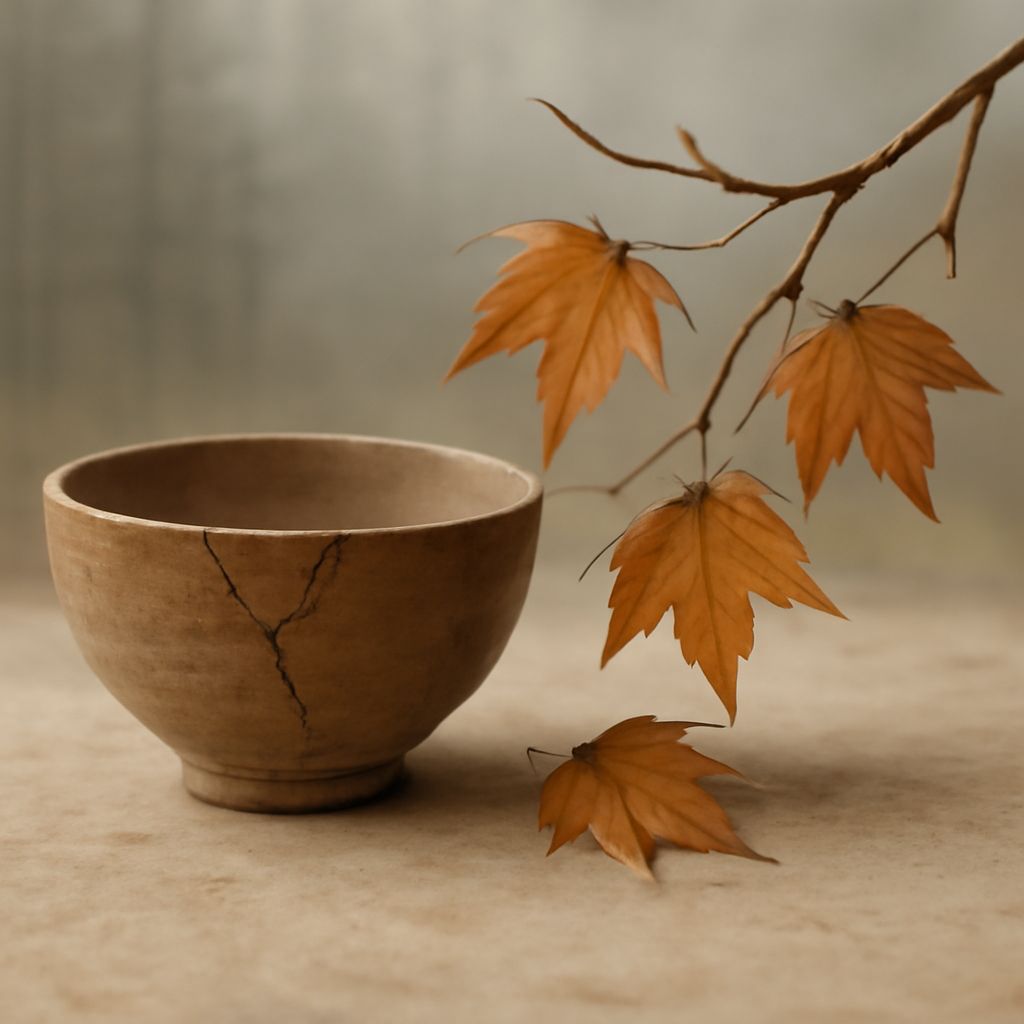
Wabi-Sabi Photography: Seeing Imperfection, Age, and Change
Learn to recognize wabi-sabi photography through impermanence, irregularity, weathered surfaces, transient light, negative space, and restraint; then explore pottery and…
-
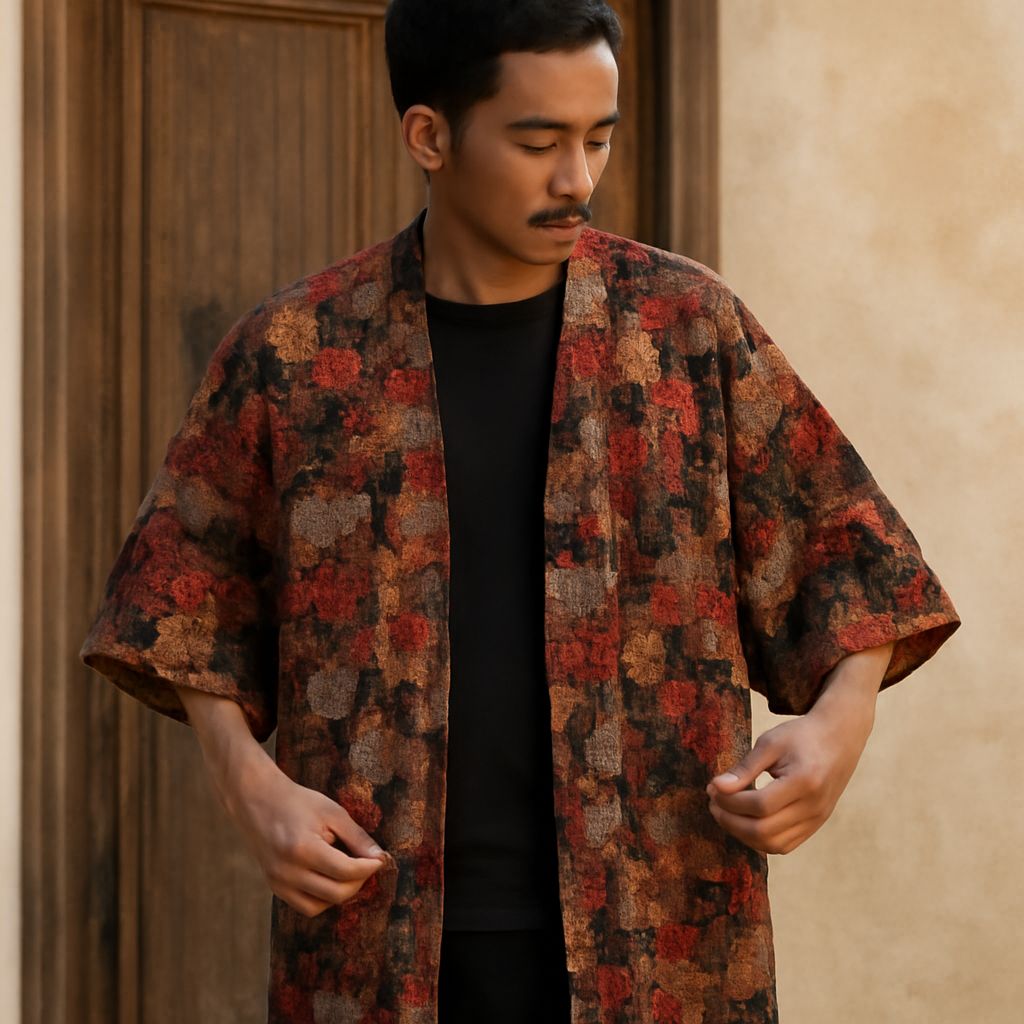
Men’s Haori: Traditional Form and Modern Style
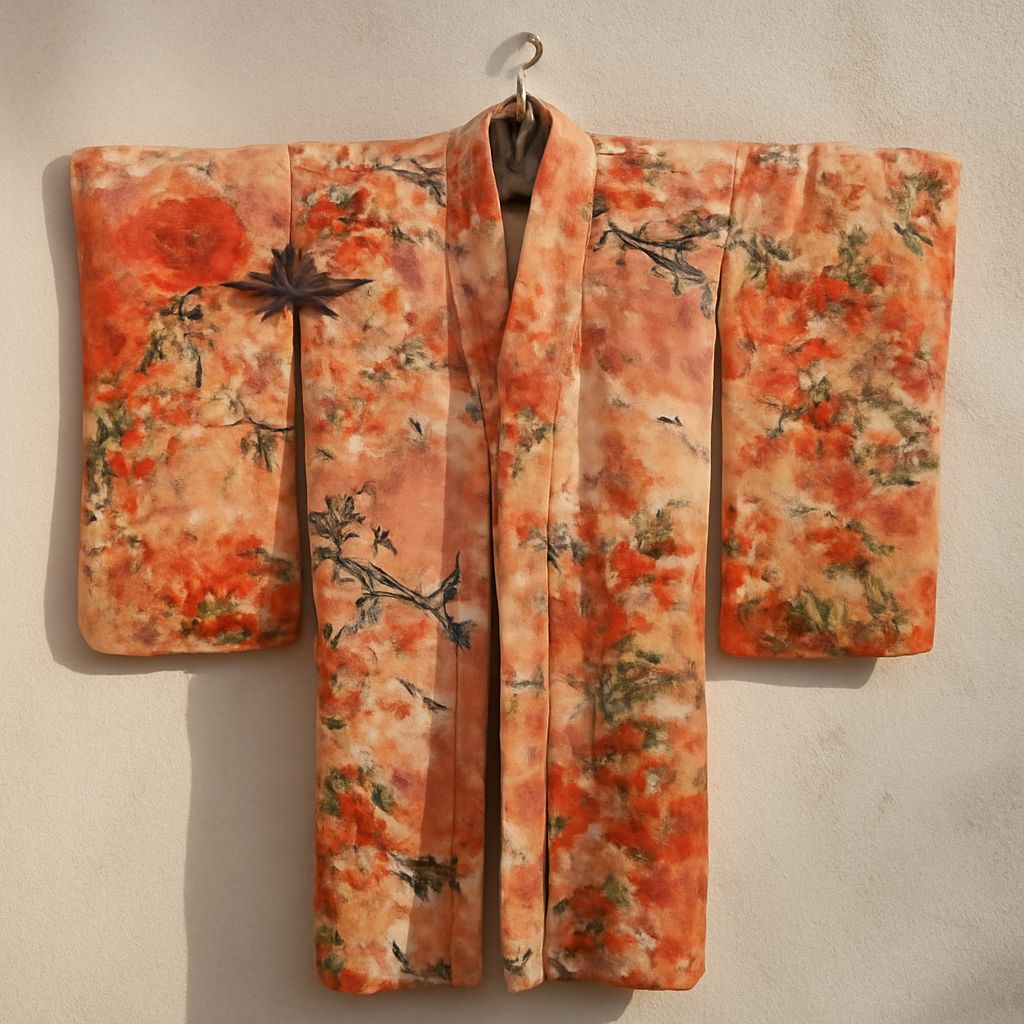
Learn what defines a men’s haori, how its open-front cut differs from a kimono, and how to style a men’s…
-
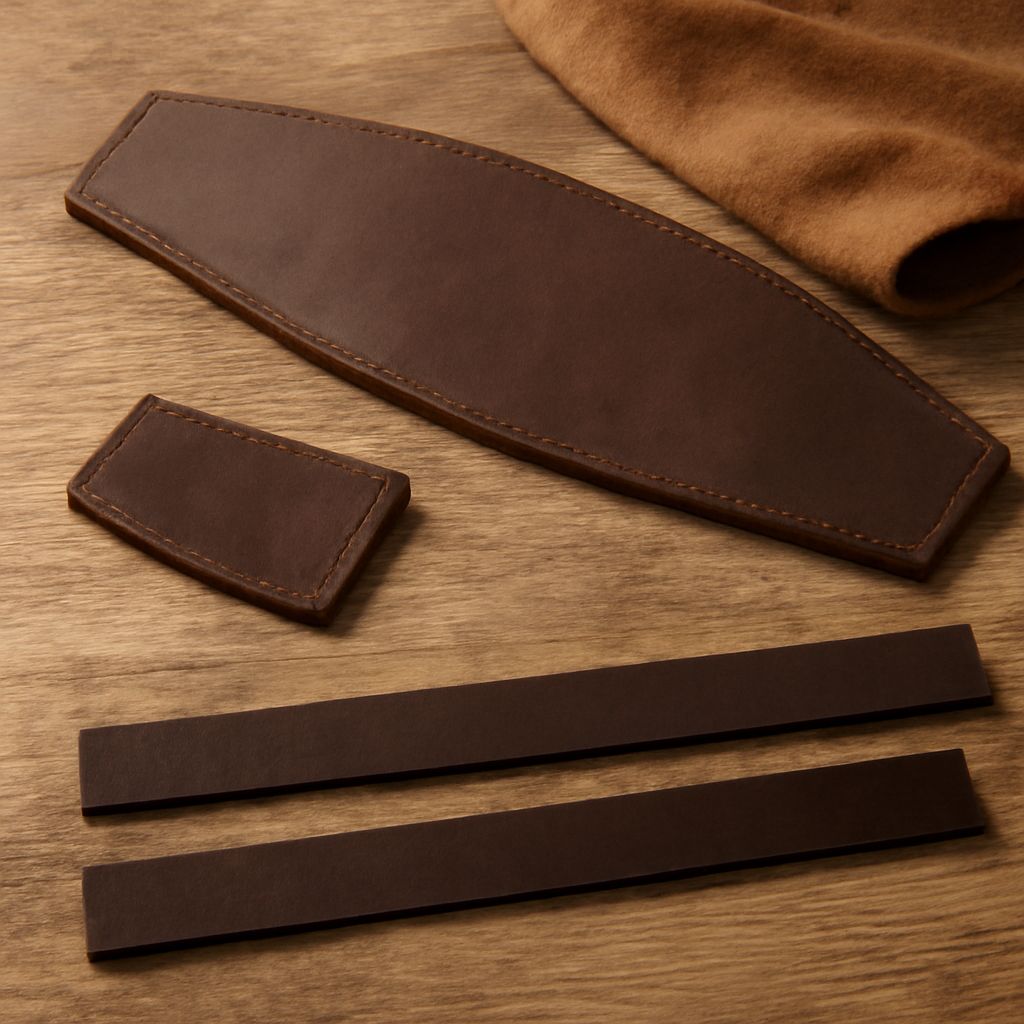
How to Make an Obi Belt and Tie a Bunko Bow
Learn how to make an obi belt in a reversible 15–17 cm by 3.5–4 m hanhaba size, then how to…
-
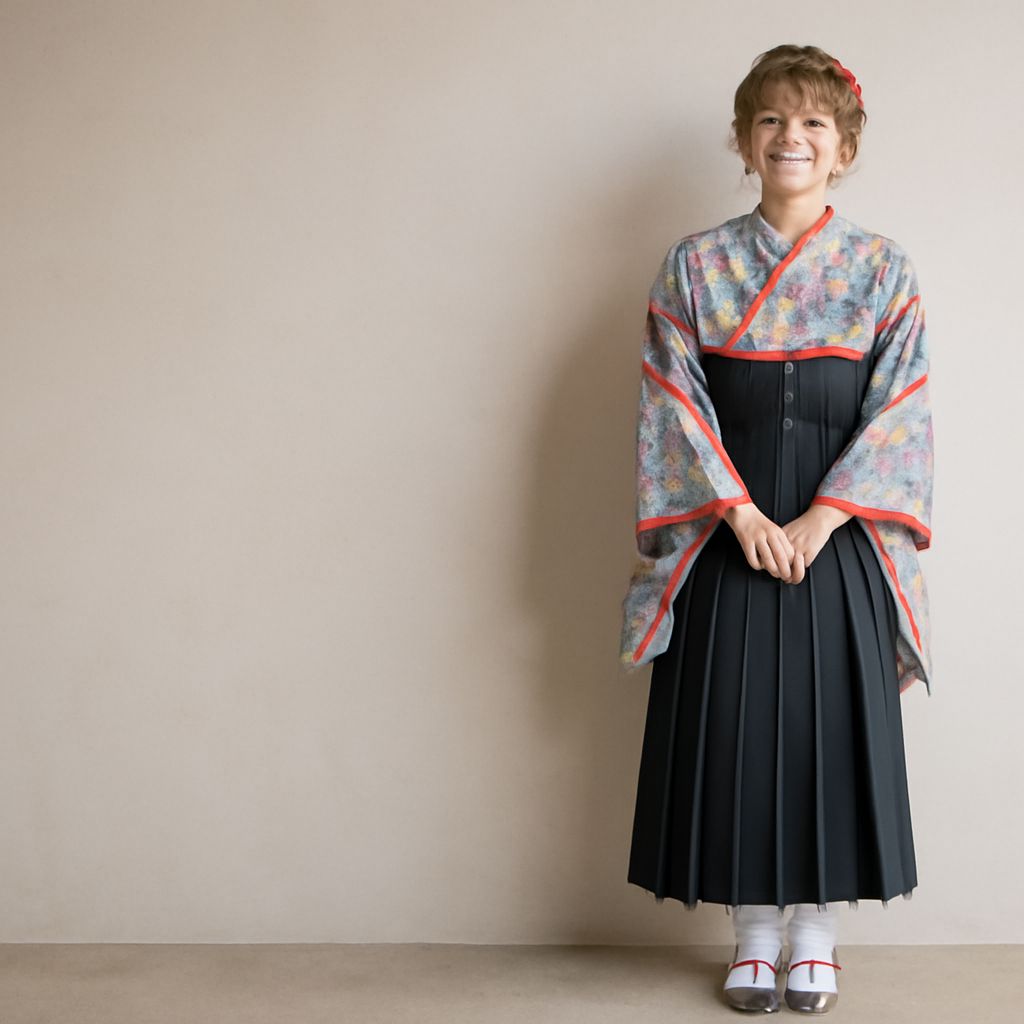
What Does Obi Mean in Japanese Dress? Geta and Hakama Explained
What does obi mean in Japanese dress? Learn why the sash changes by garment and occasion, then compare elevated wooden…
-

What Is an Obi? Tabi Socks and Hakama in Japanese Dress
What is an obi? Learn how the kimono sash, Japanese tabi socks, and hakama work together, including their footwear, base…