Visual Kei bands use music, hair, makeup and clothing to create a recognizable stage identity. Their looks can be glamorous, gothic, romantic, punk, industrial or deliberately severe, depending on the band and era.
Visual Kei is best understood as a broad visual approach within Japanese rock, not one music genre or clothing brand. The styling supports performance: silhouettes must read under stage lights, while color, texture and makeup reinforce the band’s sound and atmosphere.
What Visual Kei Means in Japanese Rock
Visual Kei developed through Japanese rock’s relationship with theatrical presentation. A band might use glam-rock volume, historical dress, gothic tailoring, punk hardware or avant-garde makeup. These choices are not a fixed uniform. They change with musical direction, technology, fashion and the image a group wants audiences to remember.
The central idea is coordination. Hair frames the face, clothing builds the body’s silhouette, and makeup sharpens expressions visible from a distance. Even a restrained outfit can feel distinctly Visual Kei when every element serves the performance.
Visual Kei Bands: X Japan, Malice Mizer, Dir en grey and The Gazette
Different Visual Kei bands illustrate how the style has shifted across musical eras:
- X Japan helped establish an early, flamboyant template with towering hair, dramatic makeup, glam-rock clothing and a grand, emotionally charged stage presence.
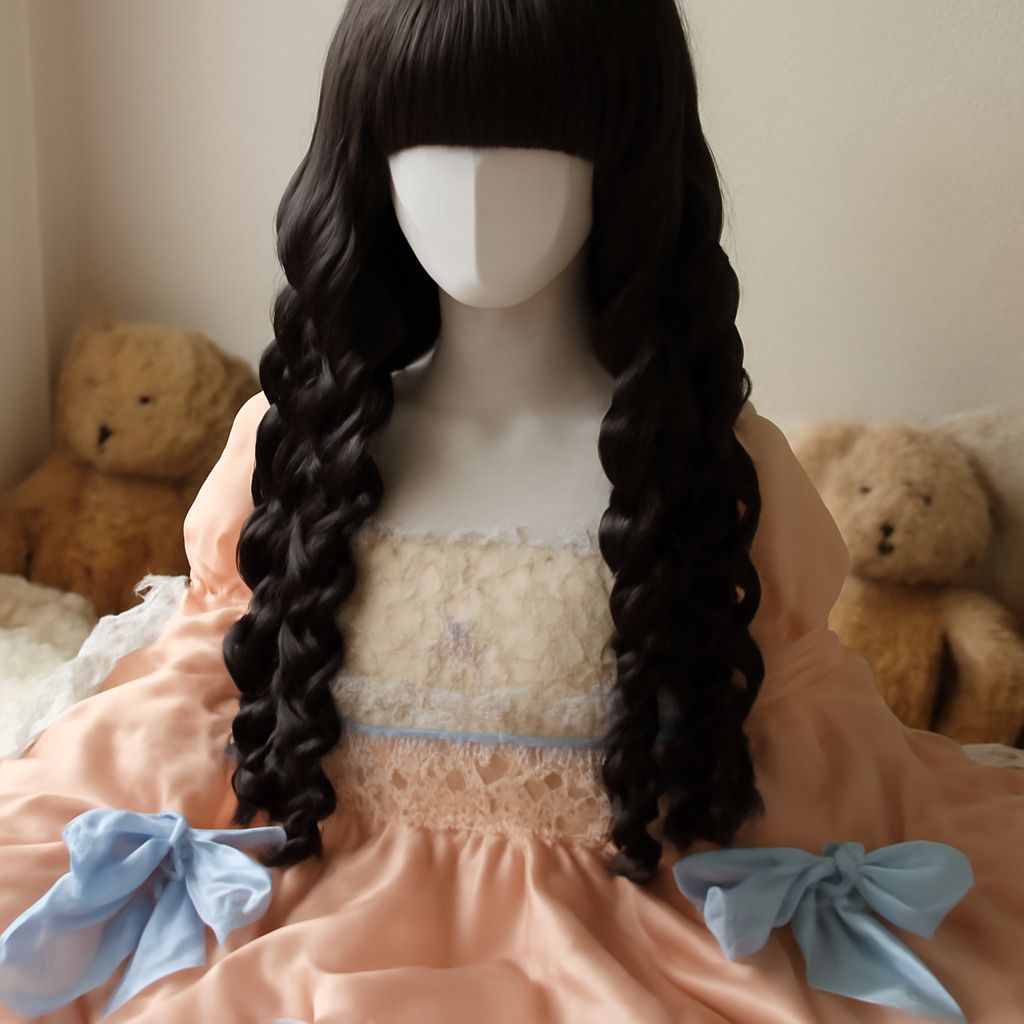
- Malice Mizer emphasized theatrical storytelling through aristocratic tailoring, lace, ornate fabrics and gothic or historical references that matched their elaborate music and performances.
- Dir en grey moved from ornate early imagery toward darker, more abrasive and psychologically intense styling, showing how visual identity can evolve with heavier, experimental music.
- The Gazette represents a later polished approach, combining sharp tailoring, layered street influences, controlled color palettes and carefully coordinated hair and makeup.
These examples are reference points, not strict categories. A band can move between substyles, and individual members may use contrasting images within the same lineup.
Visual Kei Hair: Cut, Volume, Texture, Color and Stage Readability
Hair creates the first readable silhouette. Long layers, asymmetrical fringes, spiked sections and teased crowns give the head a strong outline, especially beneath colored stage lighting. A cut should therefore be judged by its shape from several meters away, not only by how it looks in a mirror.
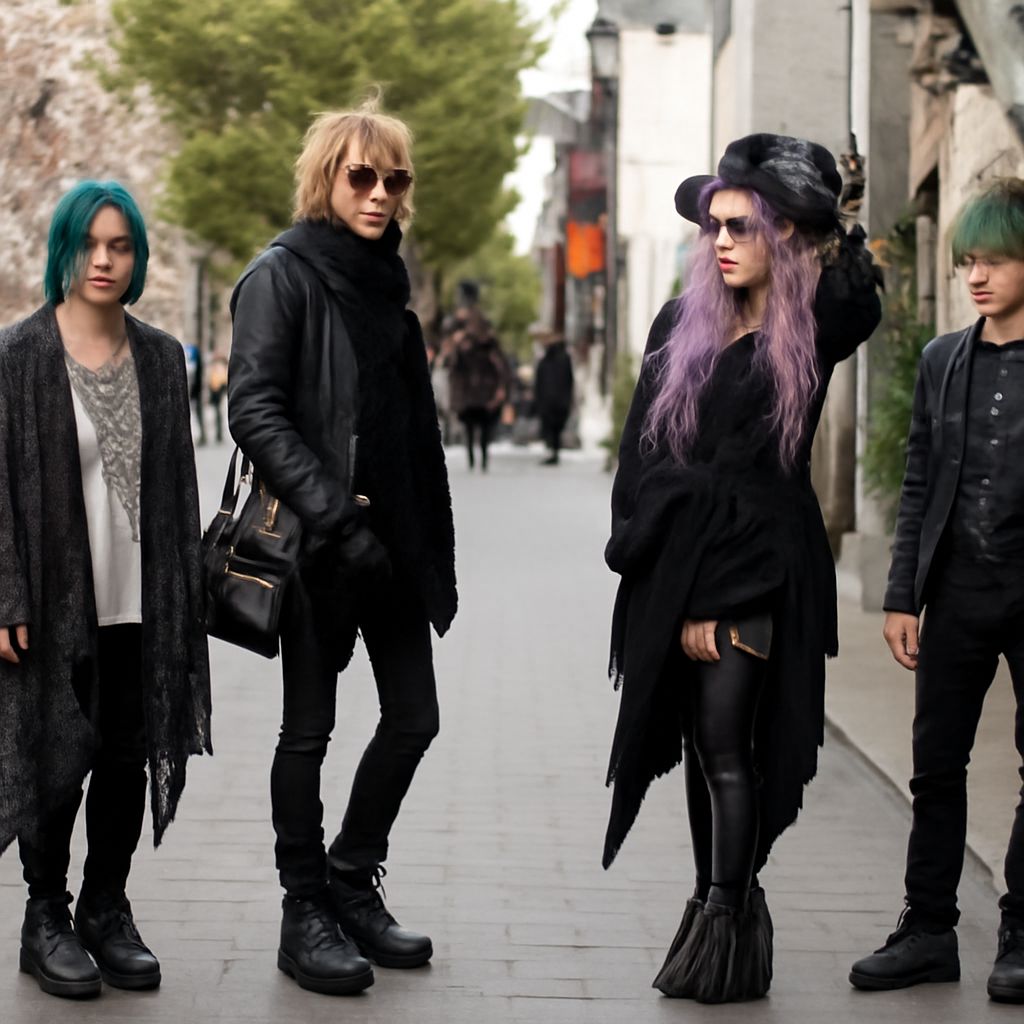
Volume suggests glam or theatrical excess; sleek lengths can feel aristocratic or melancholic; rough texture supports punk, industrial or heavier sounds. Black remains common, but platinum, red, blue and two-tone sections can separate members visually. Products, extensions and controlled backcombing help preserve height and movement during performance.
Visual Kei Outfits: Tailoring, Layers, Footwear, Accessories and Makeup
Start with the musical era and stage role, then build the outfit in layers:
- Tailoring: Fitted military jackets, long coats and waistcoats create a sharp silhouette, while asymmetrical cuts feel more experimental.
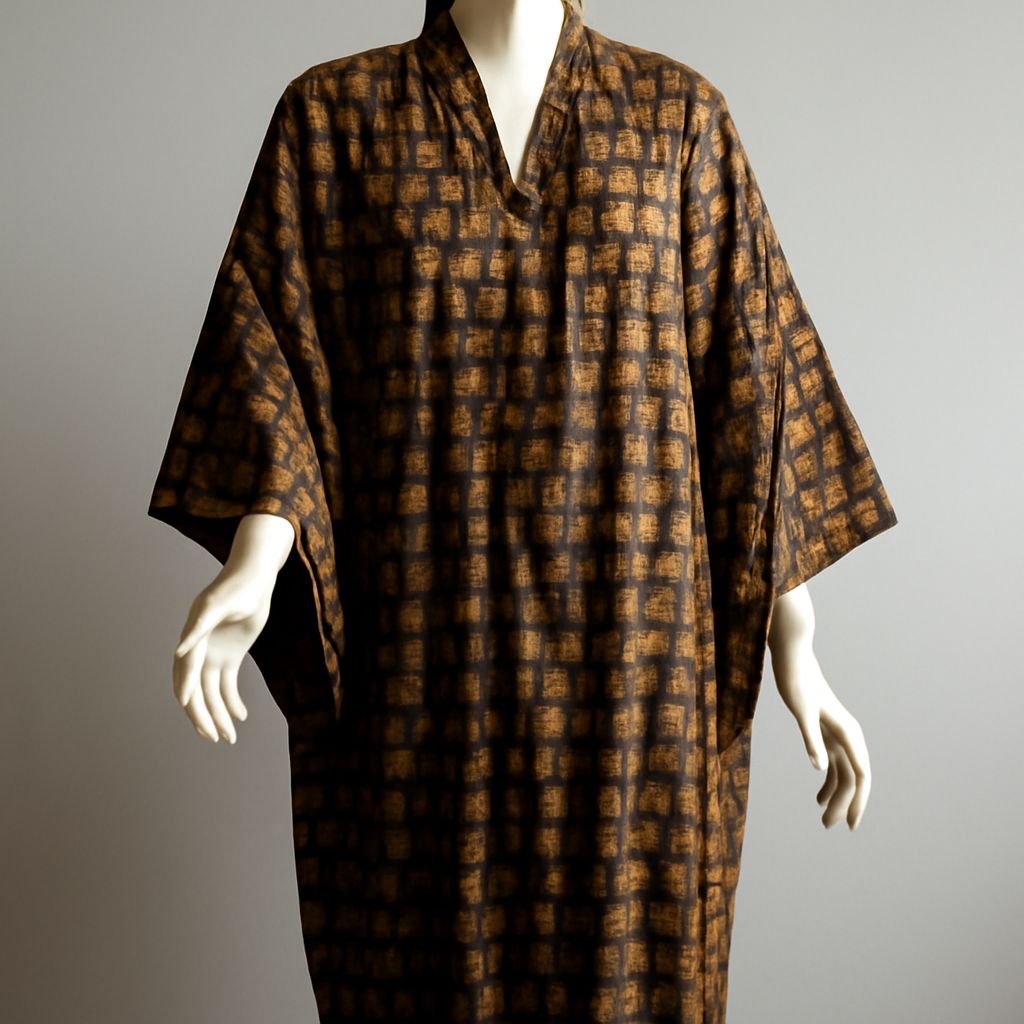
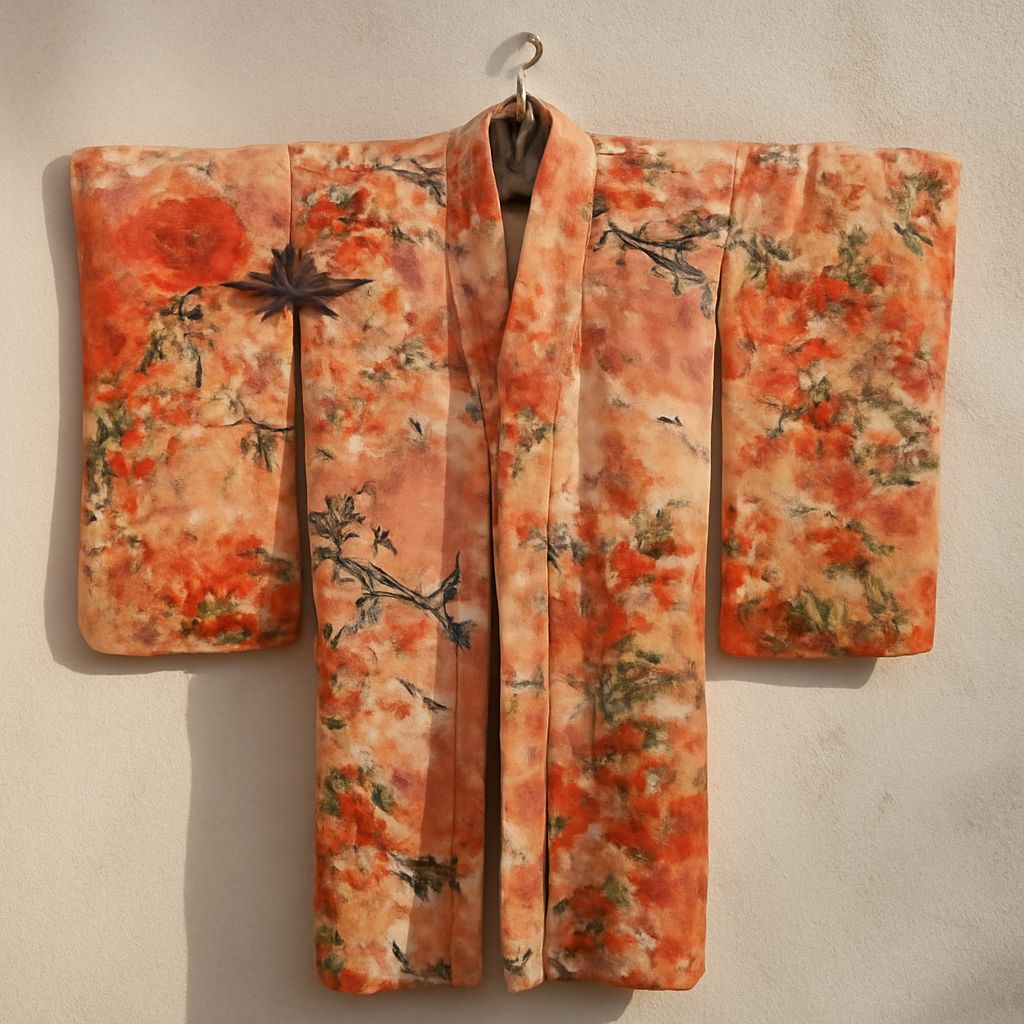
- Fabrics: Velvet, lace, leather, mesh, satin and distressed cotton provide contrasting light absorption and movement.
- Layering: A romantic look might combine a high-collar shirt, fitted vest and long coat. A darker modern look could use mesh, oversized outerwear and harness details.
- Footwear: Platform boots add height and drama; slim leather boots or polished shoes suit an aristocratic, tailored image.
- Accessories and makeup: Chains, rings, gloves, chokers and brooches add detail. Defined eyes, pale base makeup or sharply shaped lips should support the face and lighting rather than hide expression.
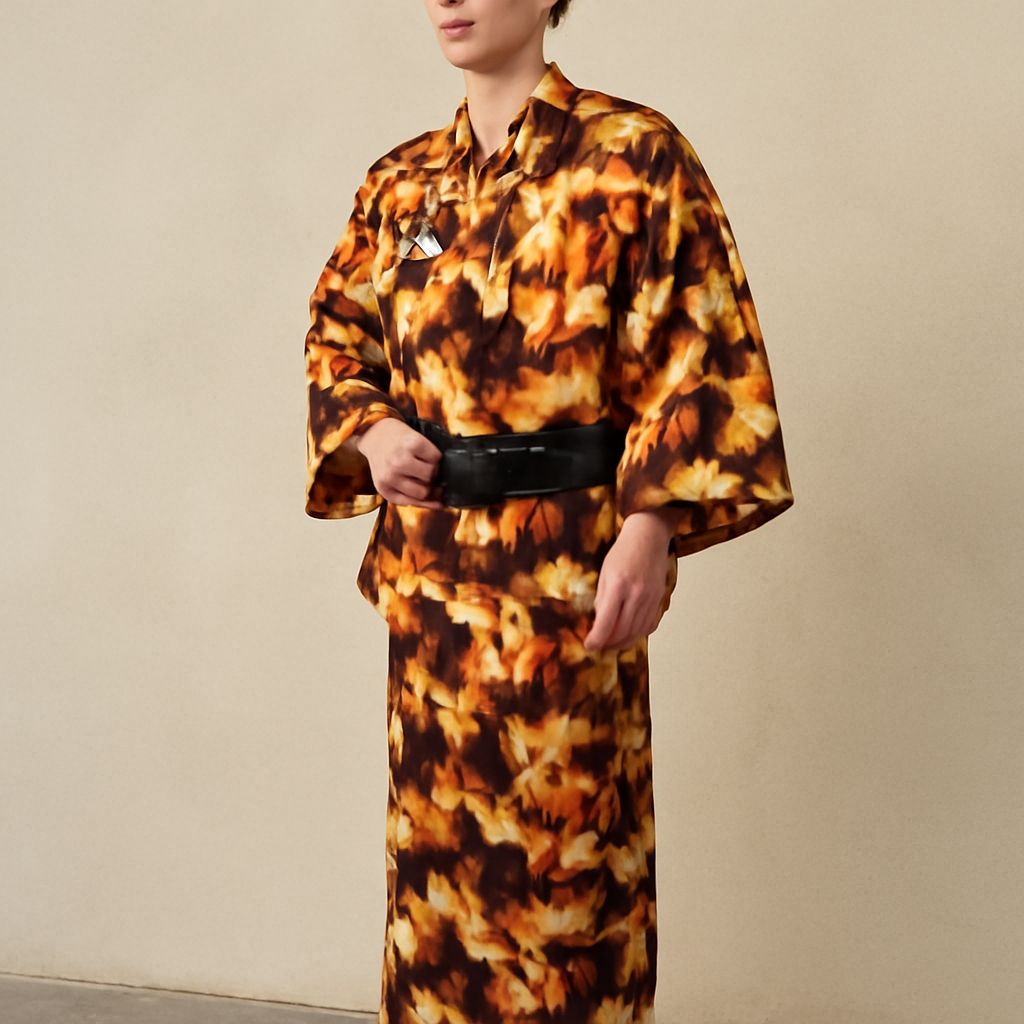
For a wearable Visual Kei-inspired look, choose one dominant era or substyle, repeat its shape through hair and clothing, and limit competing details. The result should interpret a stage language, not reproduce a costume or treat one black gothic outfit as universal.