A geisha fan is not simply an accessory: it helps shape movement, gesture, and attention during a performance. In contrast, geisha hair creates a stable silhouette, while geisha hair ornaments add coded detail through material, shape, and season. Maiko usually present a more elaborate combination; geisha styling is generally quieter and more restrained.
Read together, the fan, coiffure, and kanzashi help identify performance role, training stage, age, season, and occasion. No single item provides the complete answer, because professional dress is an coordinated visual ensemble.
How the Geisha Fan Works in Dance, Gesture and Composition
The traditional folding fan used in dance is a visual prop with controlled movement. A performer may open it sharply, close it slowly, tilt it toward the audience, or hold it nearly still to create contrast. These changes give rhythm and direction to the choreography.
An opened fan can suggest a tray, a letter, a cup, a moon, or a landscape. Its ribs create strong lines, while the decorated surface adds color when the dancer turns. A closed fan can point, conceal the face, mark a pause, or extend a hand gesture. The fan therefore helps compose each pose rather than merely decorating the kimono.
Fan design also changes the balance of an outfit. A bold pattern can draw attention to the hands during dance, while a quieter fan supports a more restrained presentation at a banquet.
How Geisha Hair Builds a Structured Silhouette
Traditional hairstyles associated with maiko and geisha are carefully engineered. Hair is shaped with oil or wax, supported with pads and pins, and arranged to hold a smooth, sculptural form. The raised crown, controlled side sections, and exposed nape create a recognizable outline from a distance.
Maiko traditionally wear their own hair in changing styles that reflect their training stage. Early styles such as wareshinobu have a youthful appearance; later arrangements, including ofuku, become more mature. The coiffure is rebuilt regularly, so sleeping and dressing require specialized care.
Geisha, also called geiko in Kyoto, commonly wear a formal wig known as a katsura. Its shape is polished and often less conspicuous than a maiko’s natural-hair arrangement. This difference makes the head silhouette an important clue, though regional practice and individual preference can vary.
Geisha Hair Ornaments: Kanzashi and Seasonal Motifs
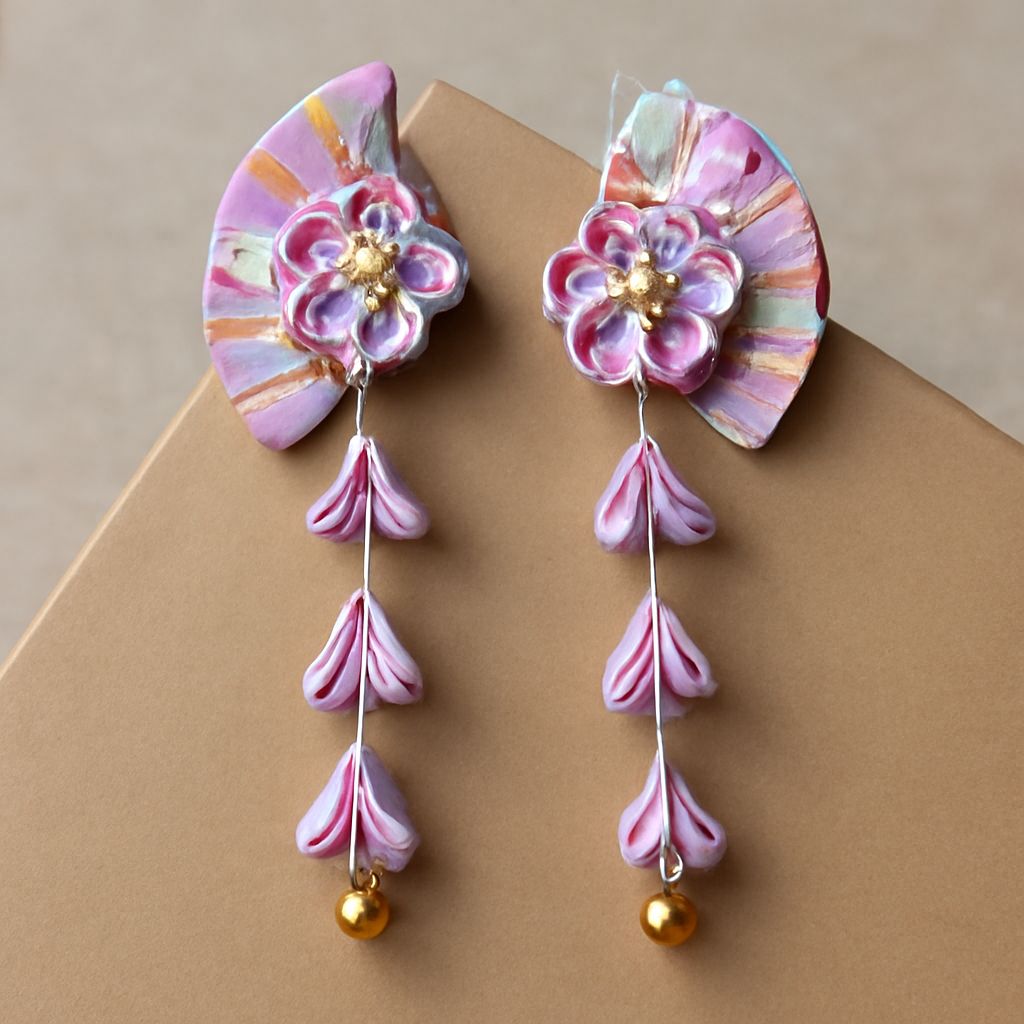
Kanzashi includes several distinct forms. Hana kanzashi are silk flowers arranged in seasonal clusters, while bira-bira feature dangling metal strips that move as the wearer walks. Tama kanzashi have a rounded ball at the end; combs called kushi and long hairpins such as kogai provide structure as well as decoration.
Seasonal motifs are selected deliberately. Plum, pine, and bamboo may appear around the New Year; cherry blossoms and wisteria suit spring; willow and hydrangea suggest summer. Chrysanthemums, pampas grass, and maple evoke autumn, while snow imagery suits winter. The motif connects the wearer to the calendar and can complement the theme of a performance or event.
Maiko are especially associated with long, dangling floral ornaments that frame the face and make head movement visible. Geisha hair ornaments are usually fewer, smaller, or more restrained, allowing the coiffure and kimono to carry more of the visual emphasis.
Maiko and Geisha Styling by Training and Occasion
Maiko are apprentices, so their styling commonly emphasizes youth, color, and display. Their own hair, long sleeves, bright collars, and prominent seasonal kanzashi create an animated silhouette. As training advances, hairstyles and ornaments change, communicating progression rather than a single permanent uniform.
Geisha represent a more established professional stage. A katsura, subdued hair decoration, and carefully chosen fan produce a refined presentation in which control matters more than abundance. Their appearance can still be formal and richly detailed, but the details are typically integrated rather than layered for maximum visibility.
Occasion changes the ensemble for both groups. A dance performance may call for a fan and ornaments that read clearly from the audience, while an intimate ozashiki setting can favor subtler movement. Seasonal celebrations, formal appearances, and solemn events also influence colors, motifs, and level of ornament. Rental costumes for tourists often mix these elements, so they are not reliable evidence of professional maiko or geisha dress.