The clearest distinction between Noh theatre masks and Kabuki is how each presents character. Noh hides much of the performer’s face behind a carved mask, while Kabuki keeps the actor’s face visible and transforms it with makeup, costume and pose. That difference shapes movement, music, pacing and visual scale.
Both are major Japanese theatre traditions, but they ask audiences to read performance differently. Noh is a highly codified masked dance-drama, often built from poetic language, chant and controlled gesture. Kabuki is a Japanese play tradition of visible performers, strong theatrical types, elaborate design and a broader range of dramatic speed.
Two Japanese Play Traditions: Noh and Kabuki
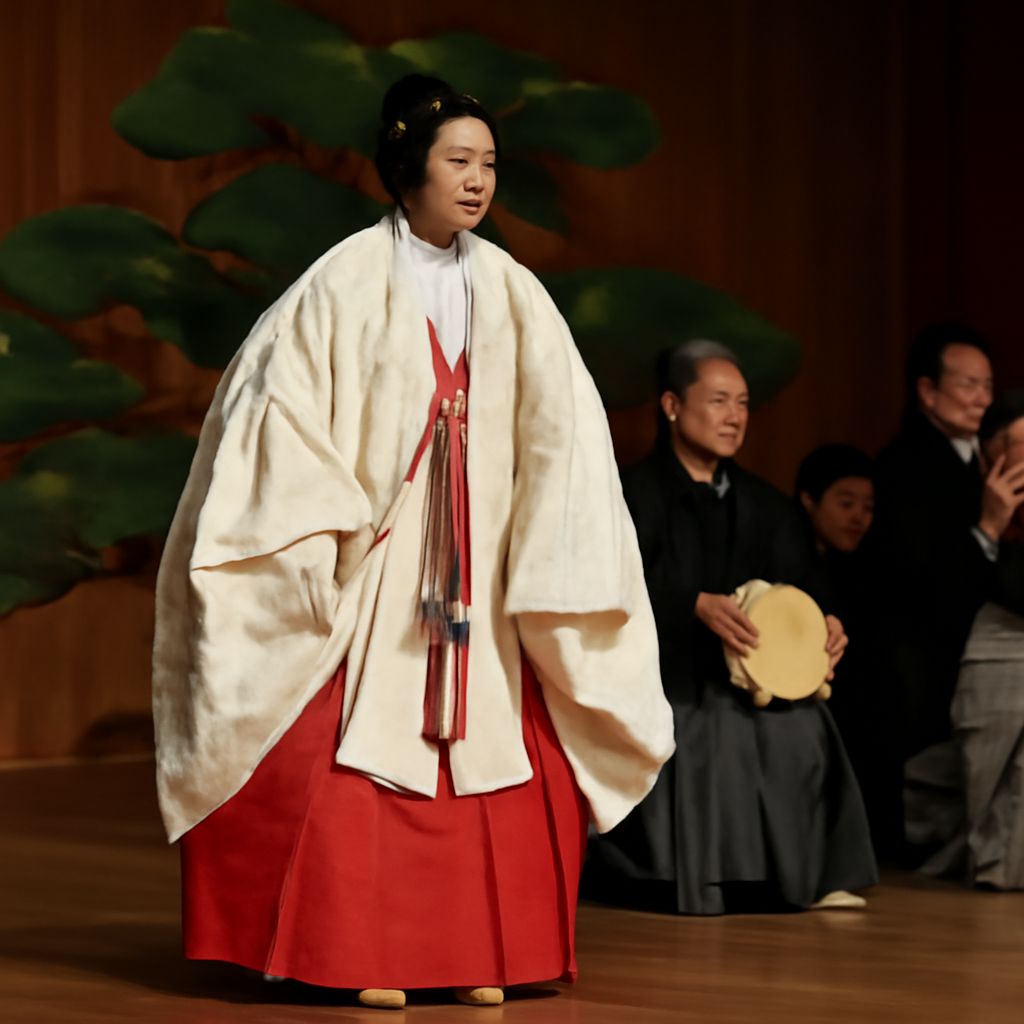
Noh and Kabuki belong to different performance systems. Noh developed from older performing and ritual forms and became a refined theatre of suggestion. Its central performer, the shite, may embody a spirit, woman, warrior or elderly figure; the supporting waki is often unmasked. A chorus supplies text and commentary, so character is built through the relationship between performer, voice and mask.
Kabuki developed later as a more expansive commercial theatre. It presents recognizable actor types, such as the heroic aragoto figure or the onnagata specialist in female roles, through voice, gesture and display. Its stories can move between romance, conflict, comedy, dance and spectacle within one production.
How Noh Theatre Masks Create Character Through Angle and Light
A Noh mask is not a portrait of one actor. Carved from lightweight wood, it represents a character category and gives the shite a stable visual identity. Common types include young women, older men, spirits and demons, though each mask has individual features.
The expression seems fixed only at first glance. A slight tilt changes the angle seen by the audience: raised toward the light, the face can appear brighter or more open; lowered, it can seem shadowed, sorrowful or inward. Light across the polished surface deepens this effect, especially as the performer turns slowly.
Because the mask restricts ordinary facial movement, posture, sleeve, fan, footwork and vocal color carry emotional changes. Noh therefore presents character as something gradually revealed through rhythm and orientation, not as a sequence of changing facial expressions.
Kabuki Art: Makeup, Costume and the Mie Pose
Kabuki art keeps the actor visible. Performers generally do not wear the carved masks characteristic of Noh. Instead, white oshiroi foundation, colored lines and kumadori makeup enlarge facial structure and signal character. Red may suggest vigor or righteous force, while darker patterns can give a villain or supernatural figure an intimidating presence.
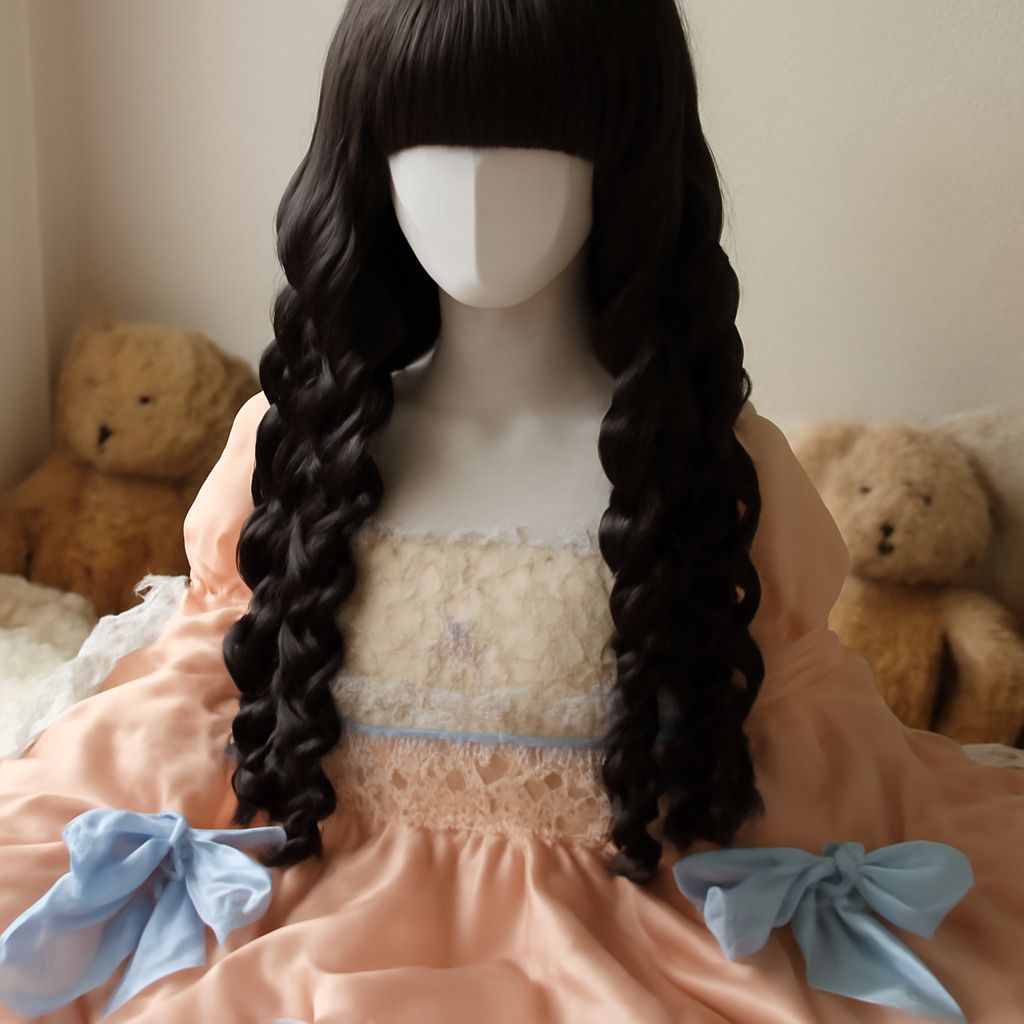
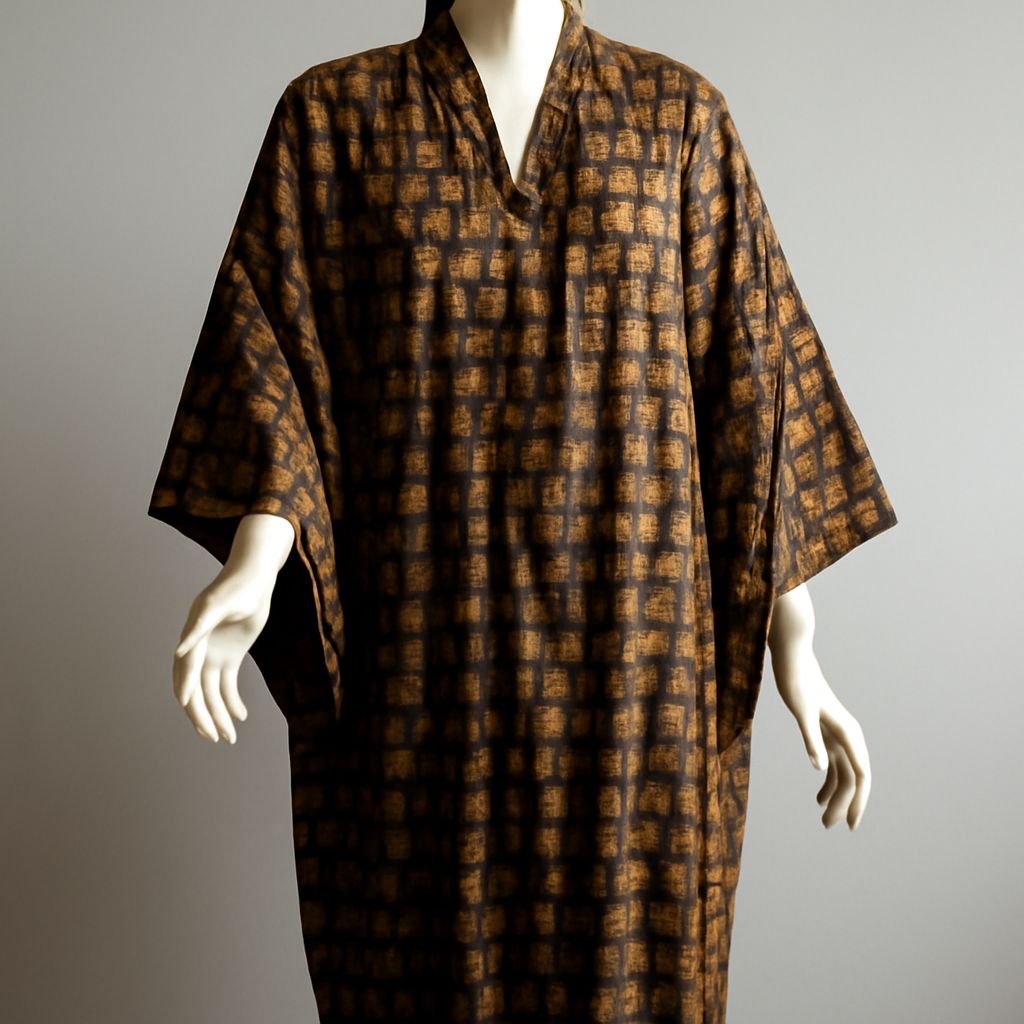
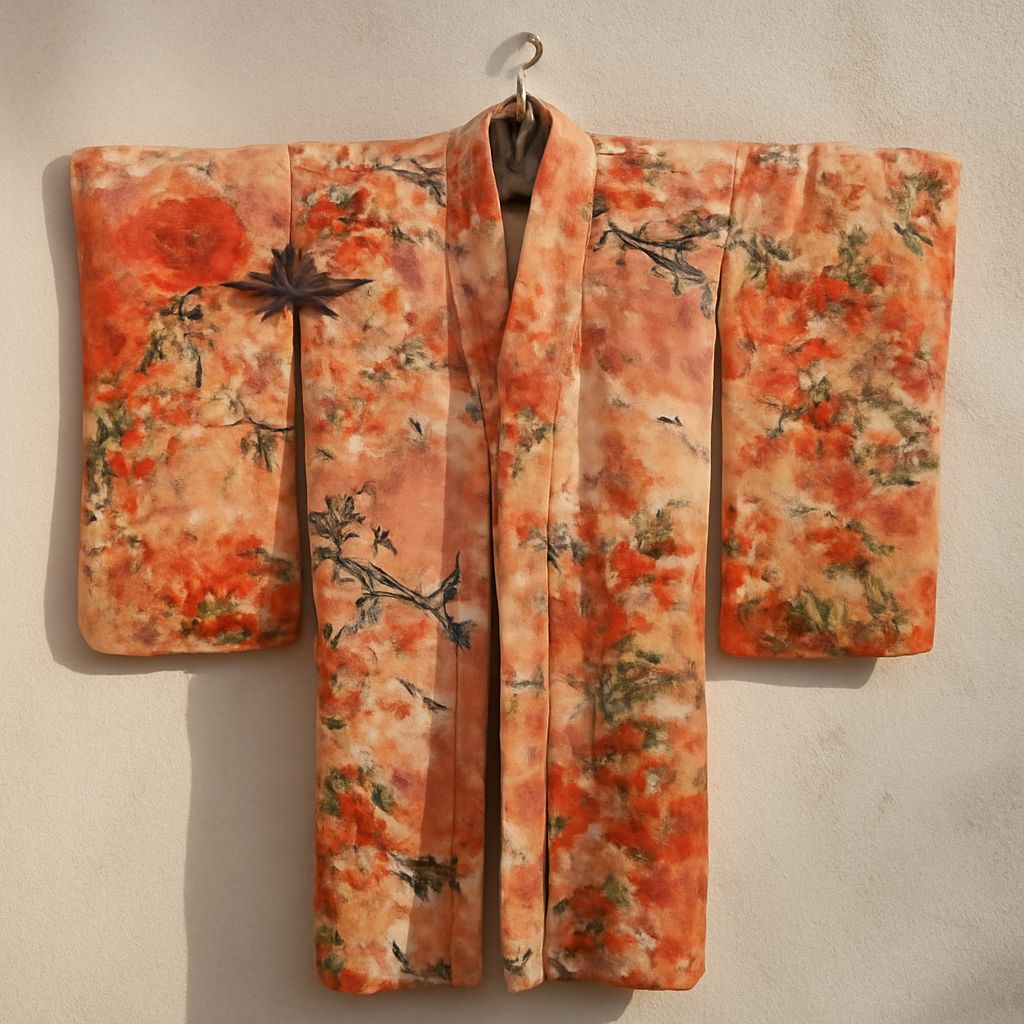
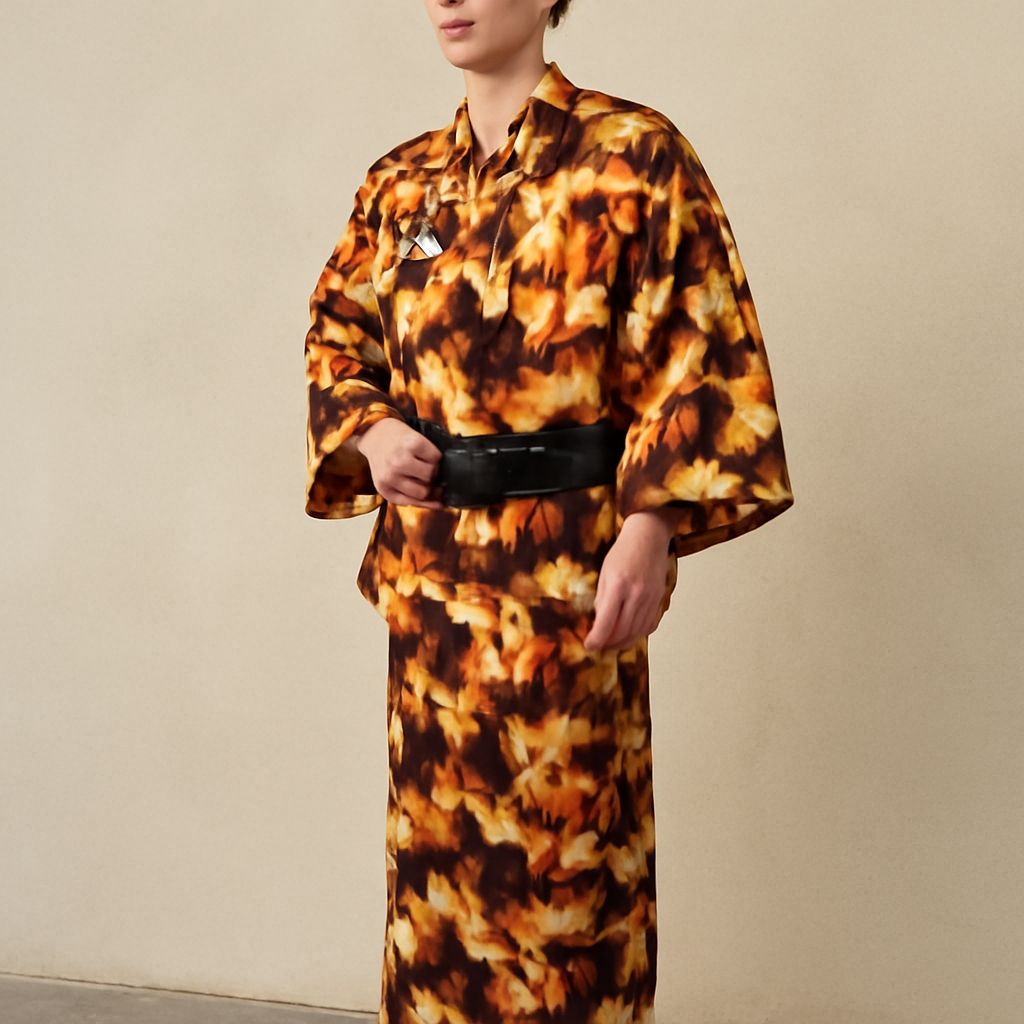
Makeup works with costume, wigs and body silhouette. A warrior’s armor, an onnagata’s robes or a bold sleeve pattern can make movement legible across a large auditorium. The actor does not disappear inside this design; display is the point. In the mie pose, a performer stops at an emotional peak, fixes the body and often intensifies the gaze. The held image invites the audience to recognize both the character and the actor’s virtuosity.
Kabuki also extends beyond the live play. Ukiyo-e actor prints, costume design, illustrated programs and later photography circulated signature poses, faces and role types. This actor-centered imagery helped make Kabuki art a broad visual culture, not only a stage performance.
Movement and Music in Japanese Dance Drama
Noh movement is measured and economical. The shite glides in controlled steps, turns with precision and uses a fan or sleeve as a concentrated sign. Gestures are few, but their timing matters. The Noh stage is spare, so a small shift can carry dramatic weight.
Its musical support comes from the hayashi ensemble—flute and drums—along with a chanting chorus. The sound does not simply underscore action; it establishes pace, atmosphere and the formal world of the play. Stories often unfold slowly, compressing time around memory, apparition or spiritual recognition.
Kabuki uses a larger visual and acoustic vocabulary. Shamisen accompaniment, drums, flutes, singers, spoken dialogue and sound effects can drive sudden entrances, fights or dances. Scenes may accelerate, pause for a comic exchange or expand into spectacle. The hanamichi walkway brings performers through the audience, increasing scale and immediacy.
To tell them apart: if a performer appears behind a restrained mask on a nearly empty stage, think Noh. If the face is visible beneath bold makeup, framed by a large costume and a frozen mie pose, think Kabuki.