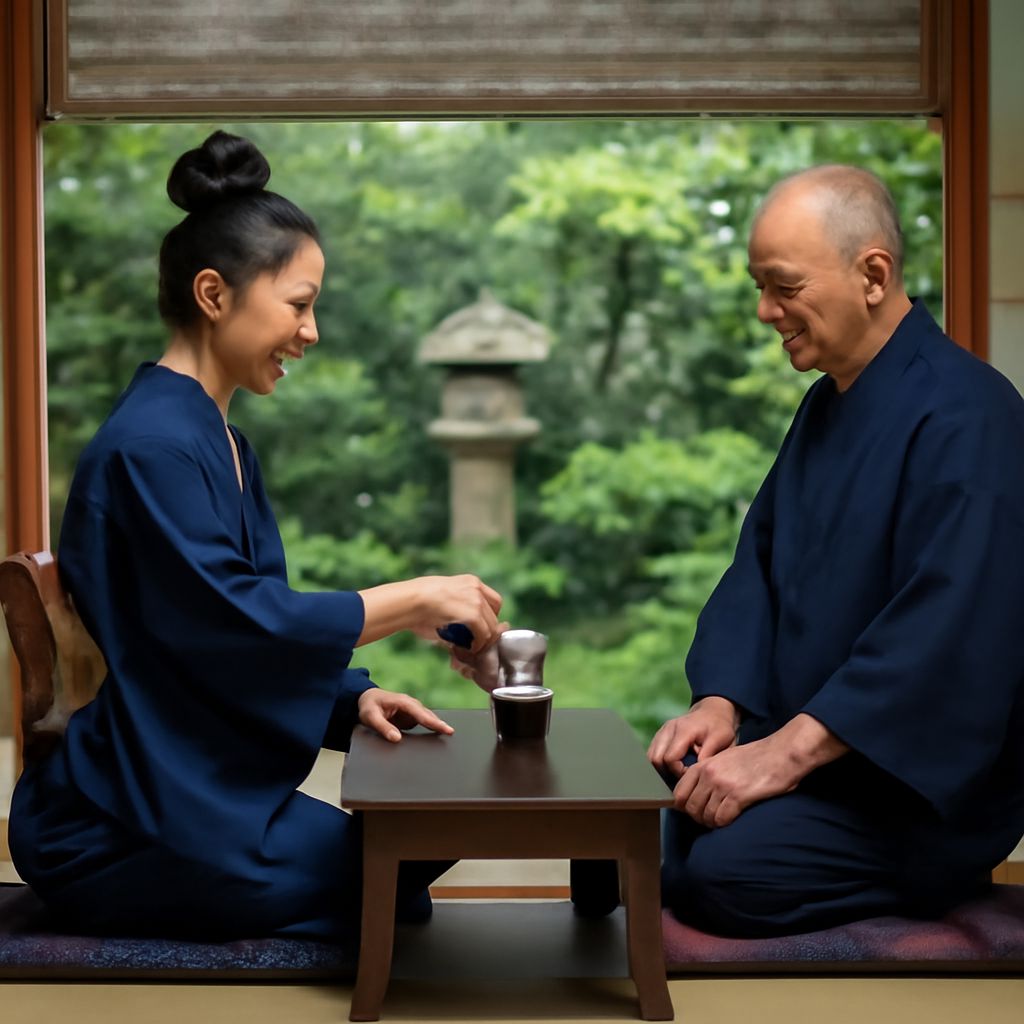
Japanese Dress
-
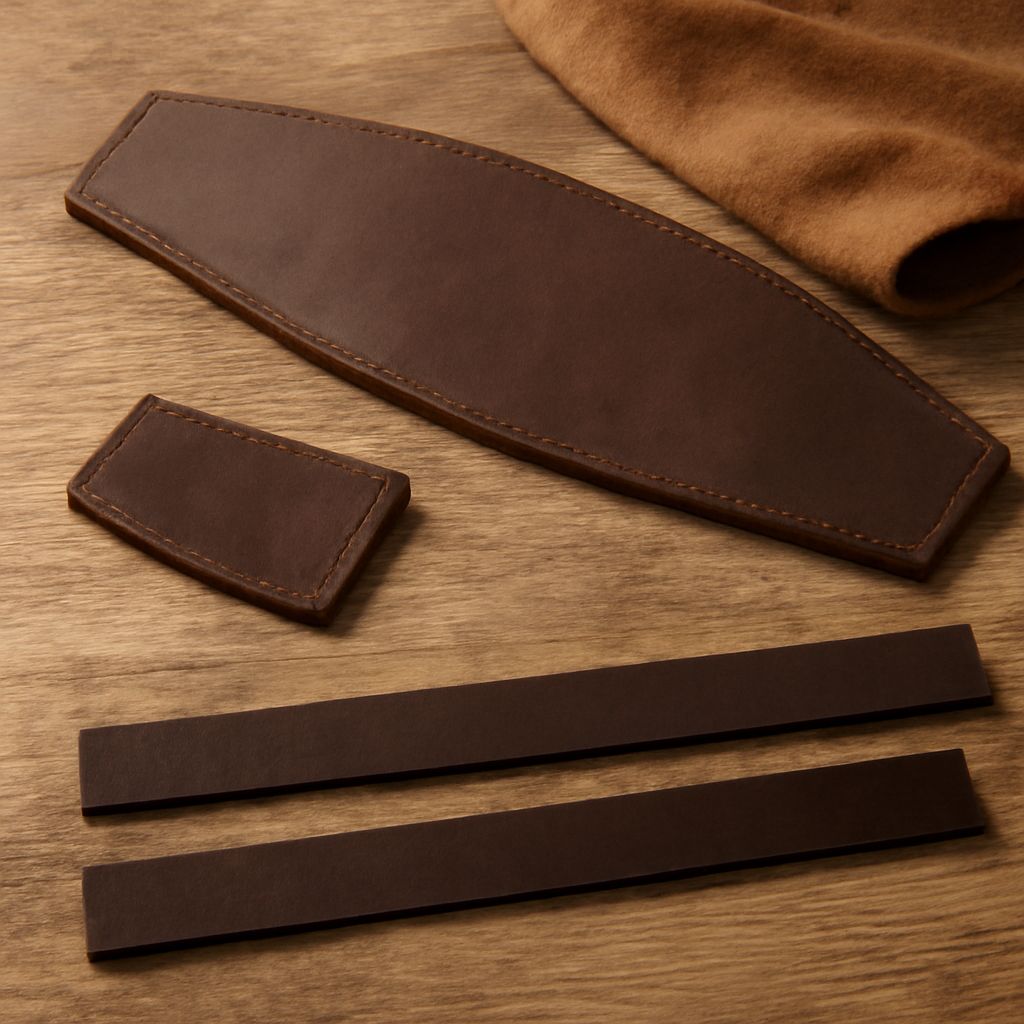
How to Make an Obi Belt and Tie a Bunko Bow
Learn how to make an obi belt in a reversible 15–17 cm by 3.5–4 m hanhaba size, then how to…
-
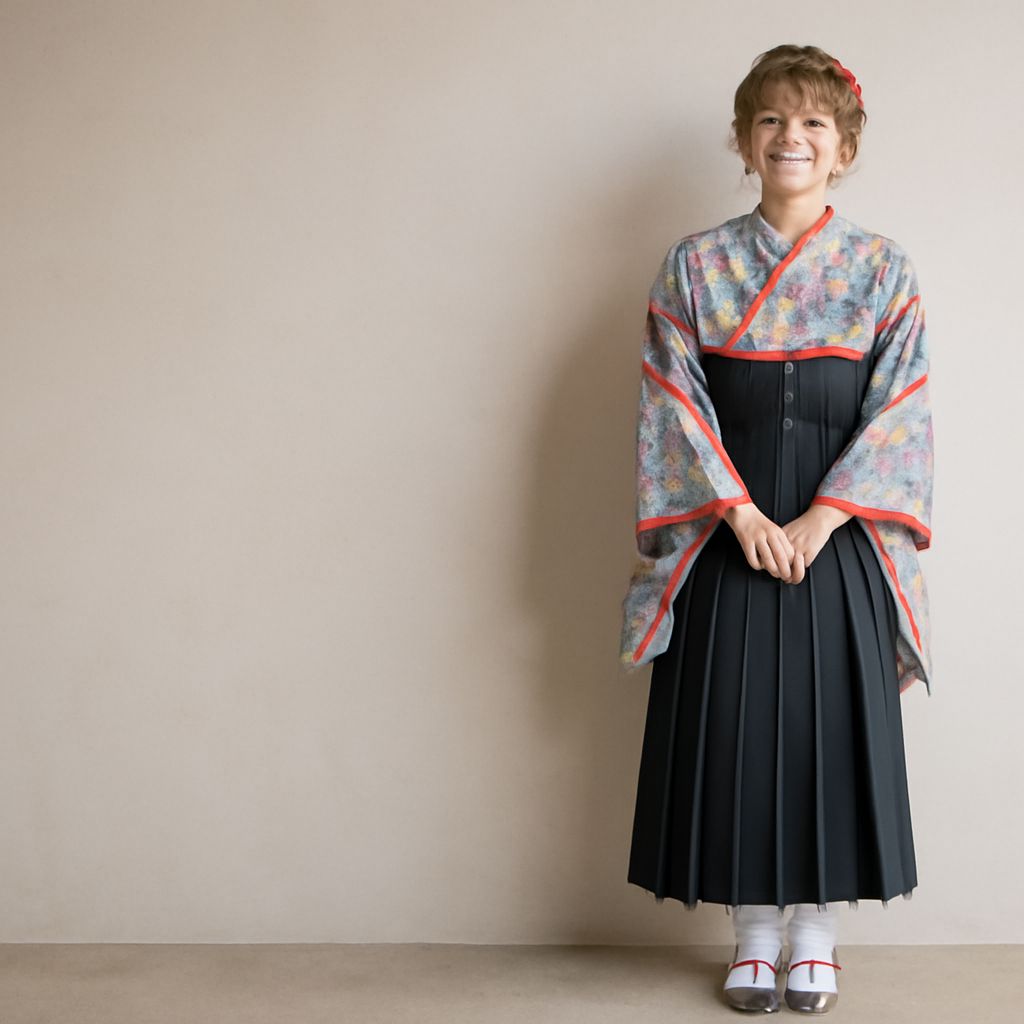
What Does Obi Mean in Japanese Dress? Geta and Hakama Explained
What does obi mean in Japanese dress? Learn why the sash changes by garment and occasion, then compare elevated wooden…
-

What Is an Obi? Tabi Socks and Hakama in Japanese Dress
What is an obi? Learn how the kimono sash, Japanese tabi socks, and hakama work together, including their footwear, base…
-
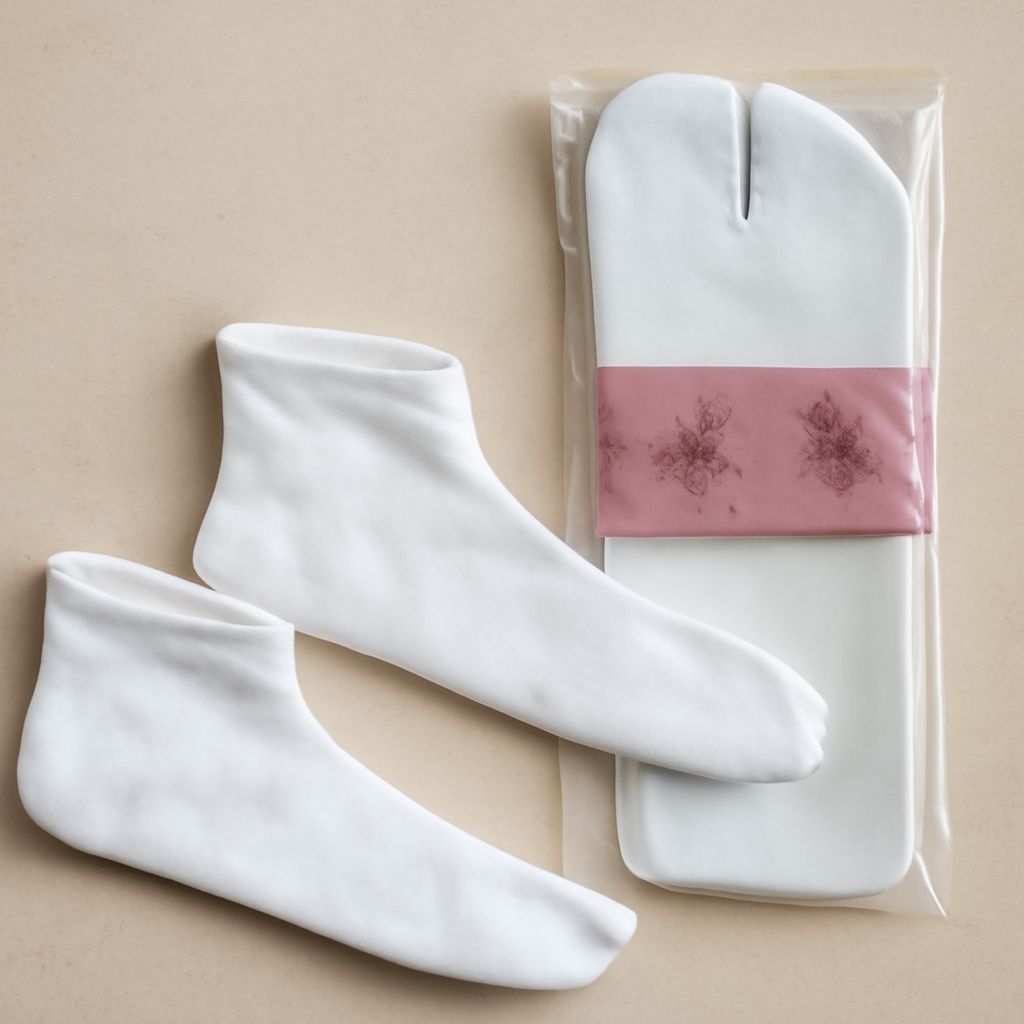
Tabi Socks: Building a Traditional Japanese Outfit
Tabi socks split at the big toe and fasten securely. See how hakama, geta, and the obi work with kimono,…
-
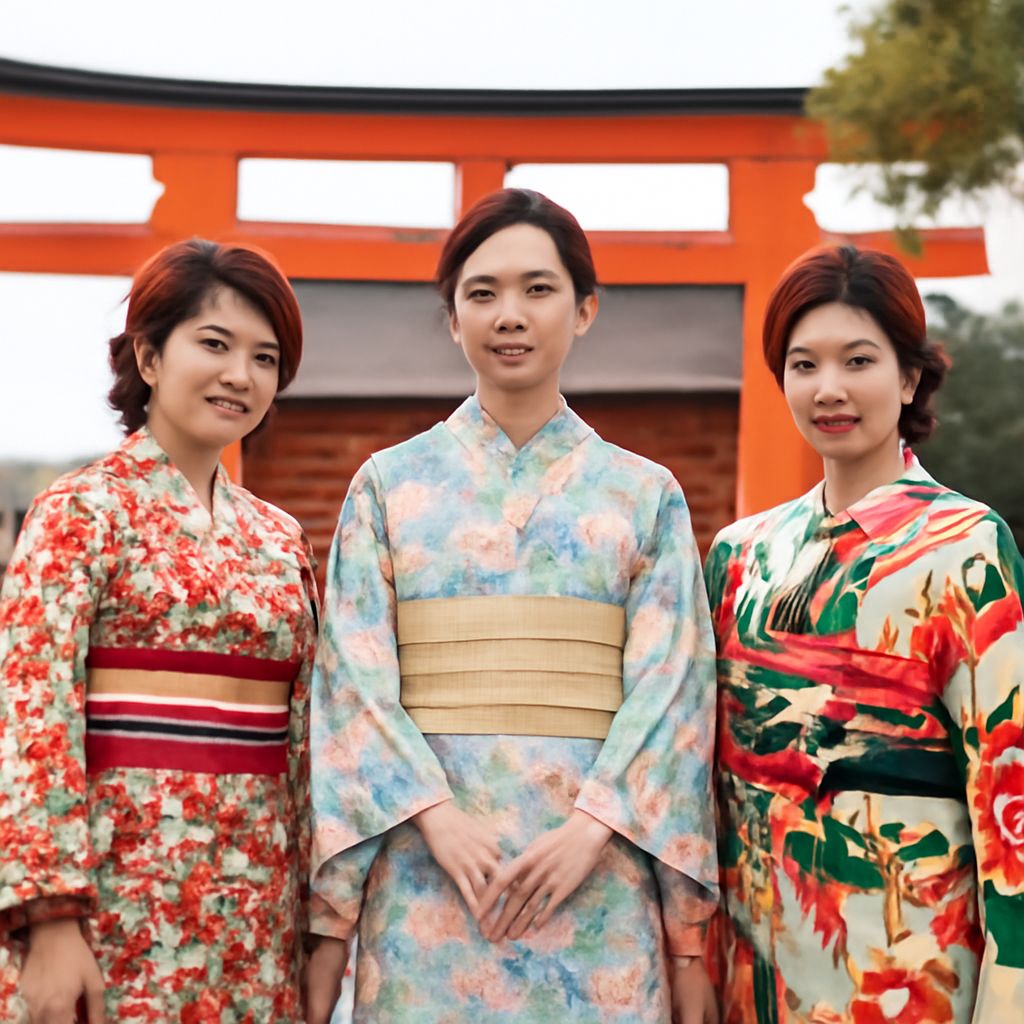
Japanese Yukata: Fabric, Construction and Pattern Guide
Japanese yukata are unlined cotton summer garments. Learn the difference between yukata and kimono, how obi and geta complete the…
-

Japanese Tie Dye: From Indigo Plants to Shibori Patterns
Japanese tie dye explained: learn where indigo comes from, how Persicaria tinctoria becomes a soluble vat dye, and how folding,…
-
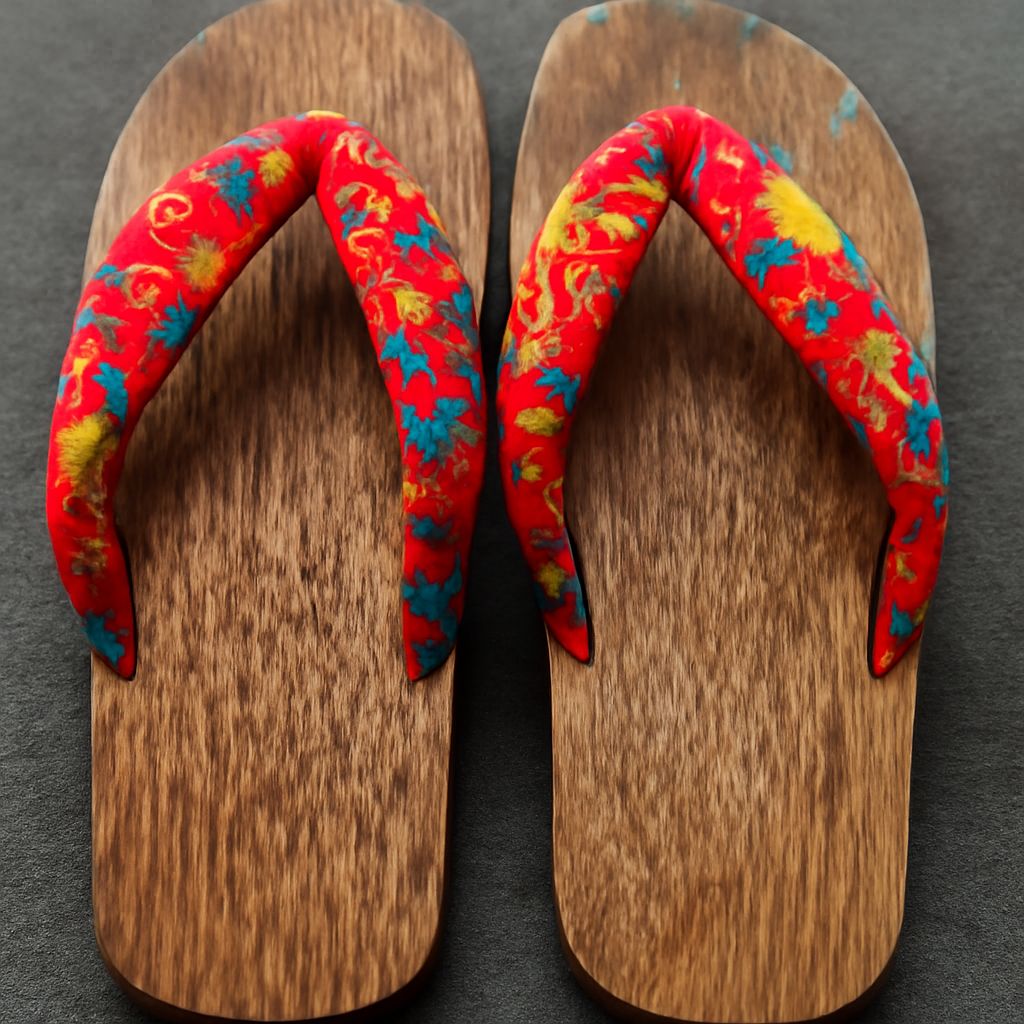
Men’s Japanese Robe: Kimono, Yukata, Tabi and Zori
Learn how a men’s Japanese robe differs from a kimono, yukata, or dressing gown. See how Japanese tabi shoes support…
-
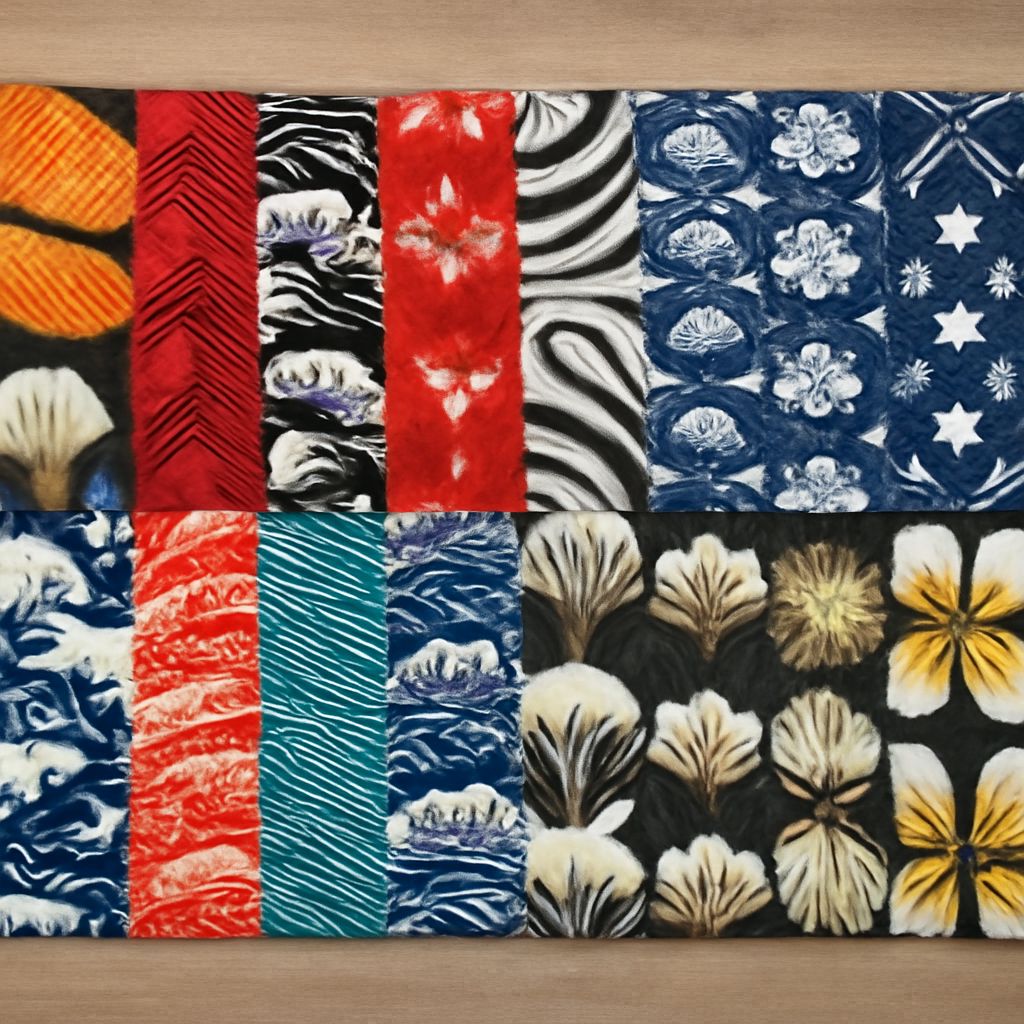
Kimono Patterns: Reading a Traditional Japanese Kimono
Kimono patterns show a traditional kimono through construction, season and occasion. Read Japanese motifs—seigaiha, cranes, cherry blossom and chrysanthemum—and use…
-
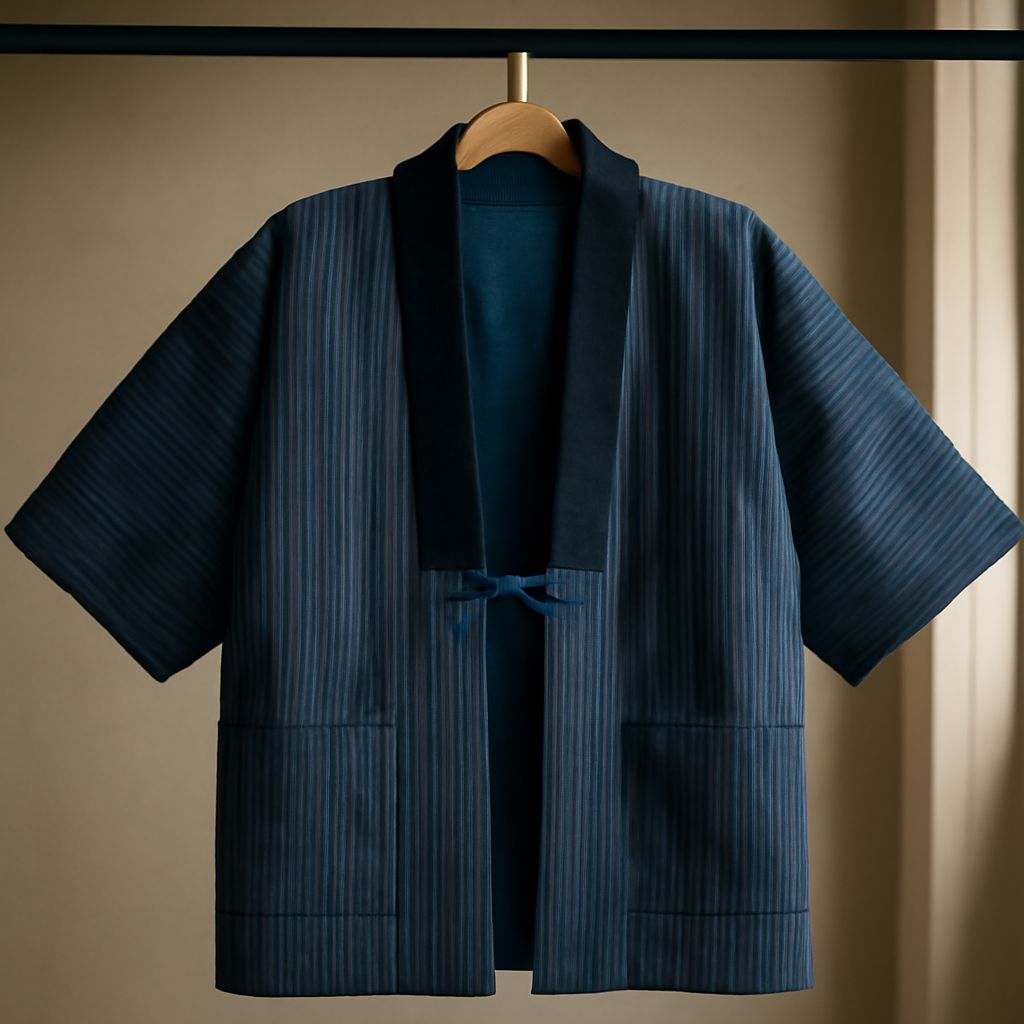
Hanten Coat vs. Haori: How Japanese Jackets Differ
Learn how a hanten coat differs from a haori. Compare padded workwear, lighter shirt-style layers and dressier open-front jackets by…
-
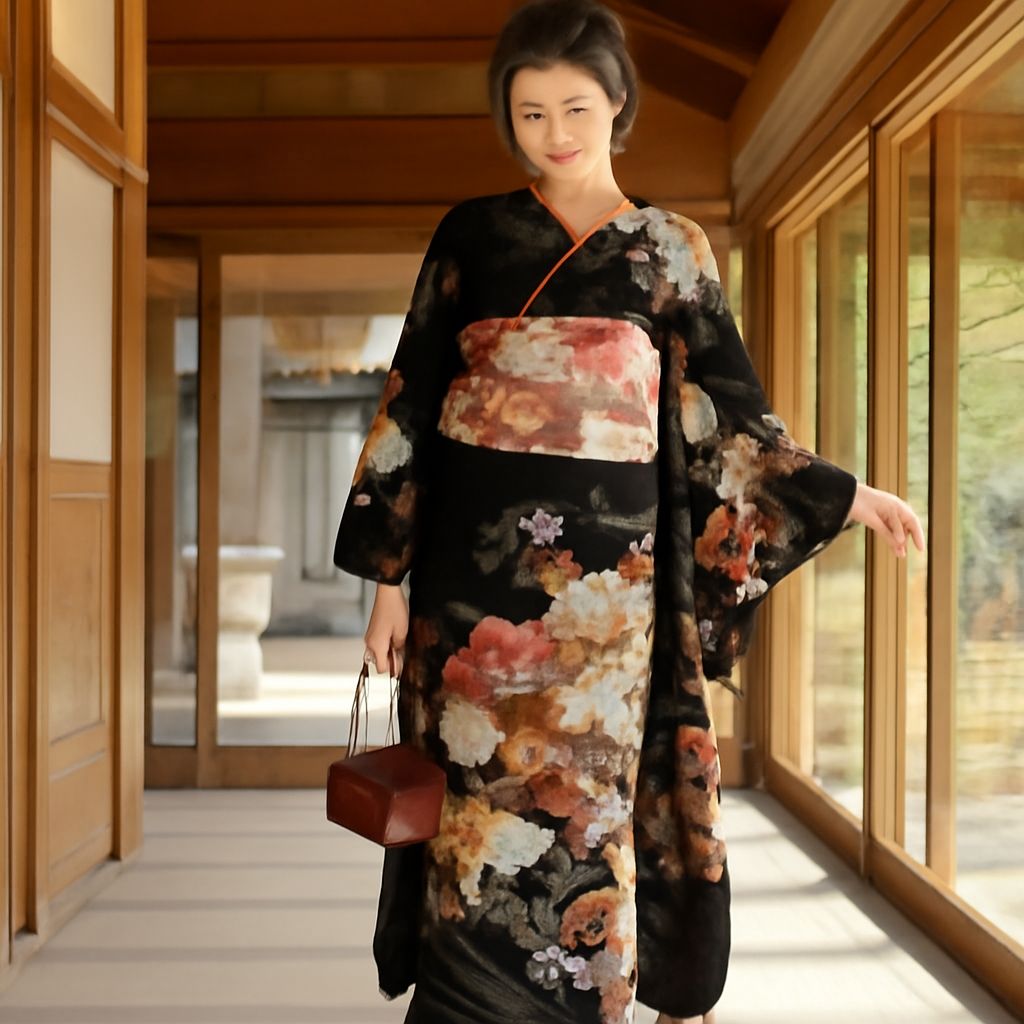
Funeral Kimono and Furisode: Japanese Formal Dress Explained
Learn how a funeral kimono differs from a furisode: black mofuku, family crests and subdued accessories suit mourners; white burial…