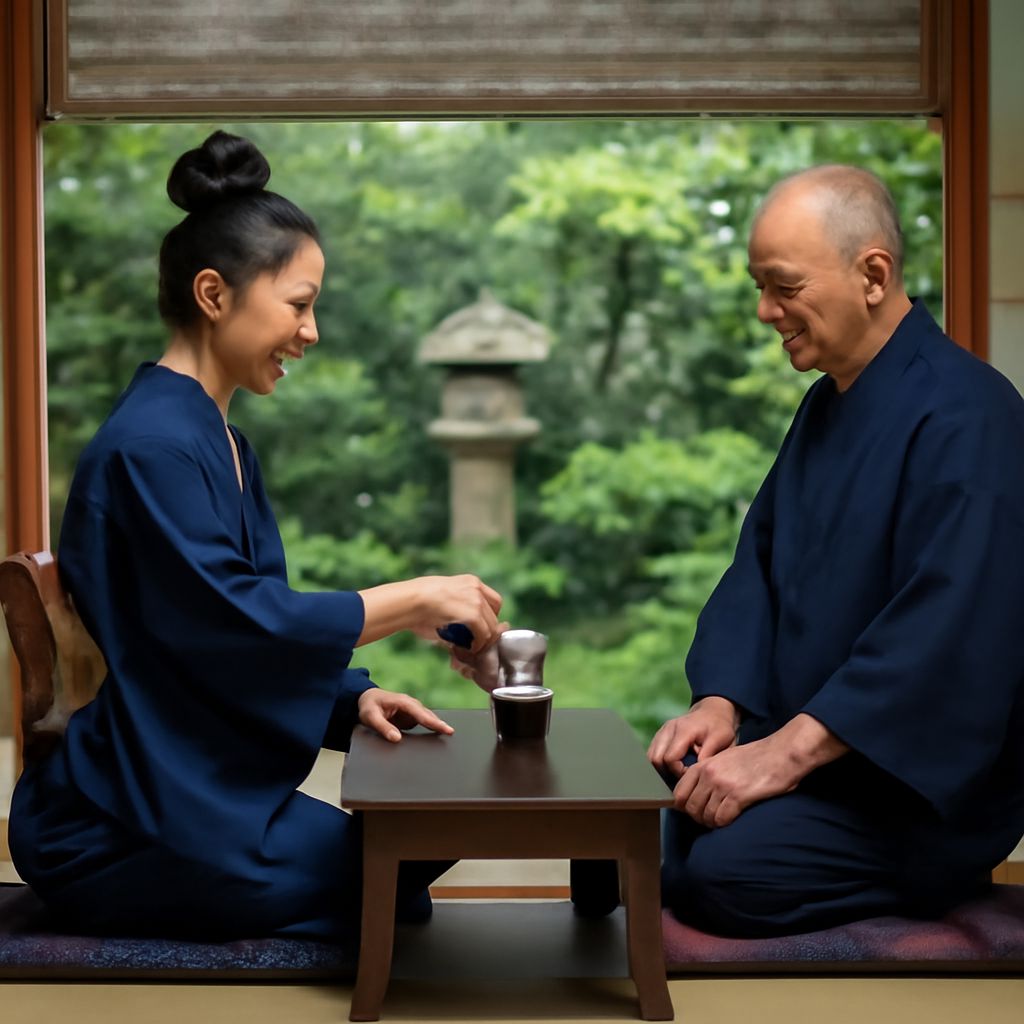
Japanese Dress
-
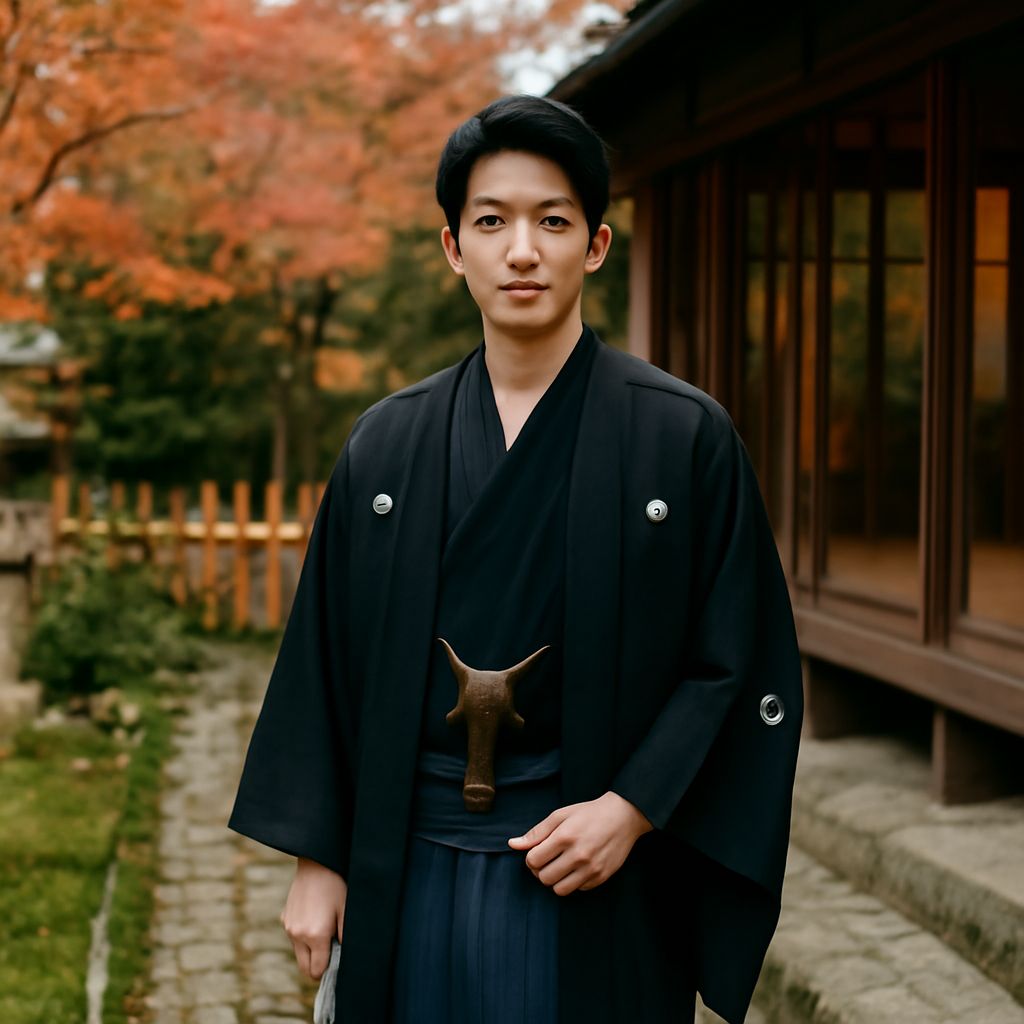
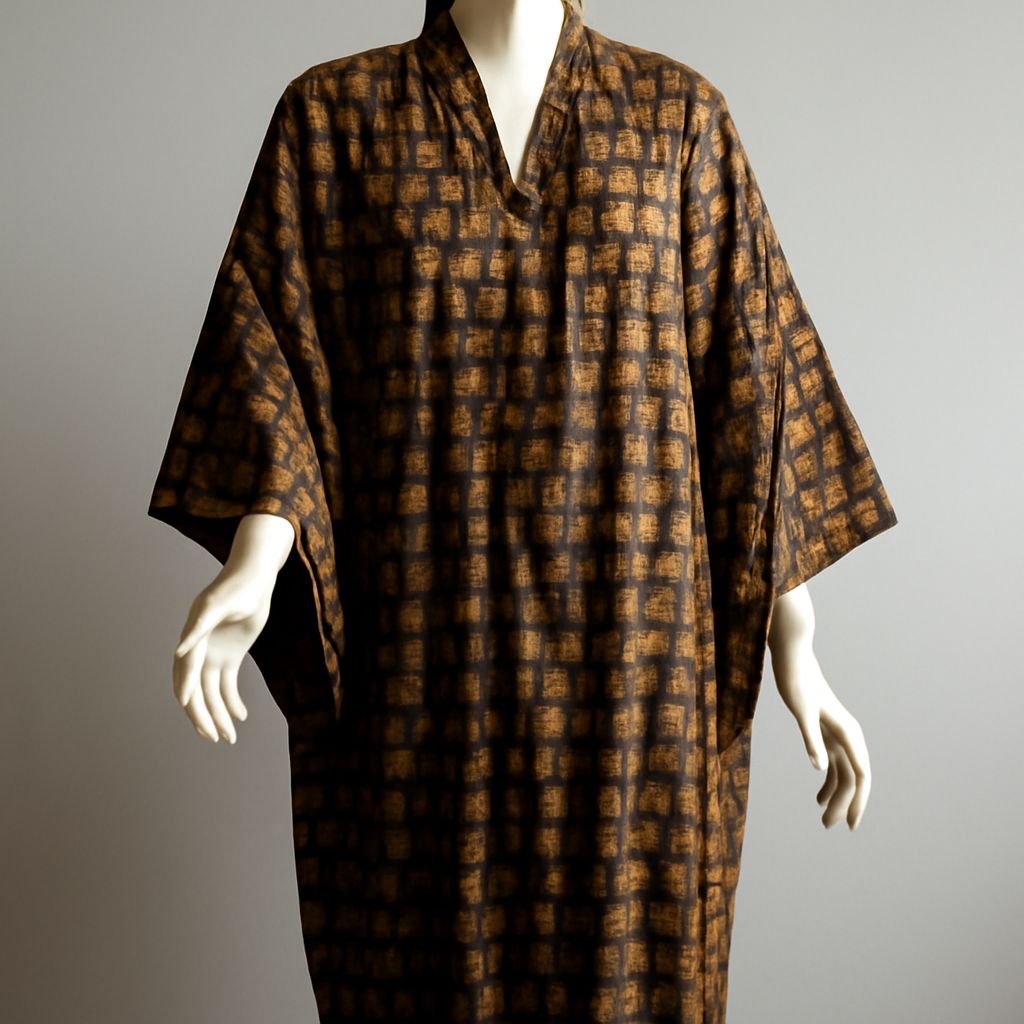
Japanese Kimono for Men: A Guide to Traditional Dress
Learn how to identify a Japanese kimono for men, from its T-shaped body and obi to juban, haori and hakama,…
-
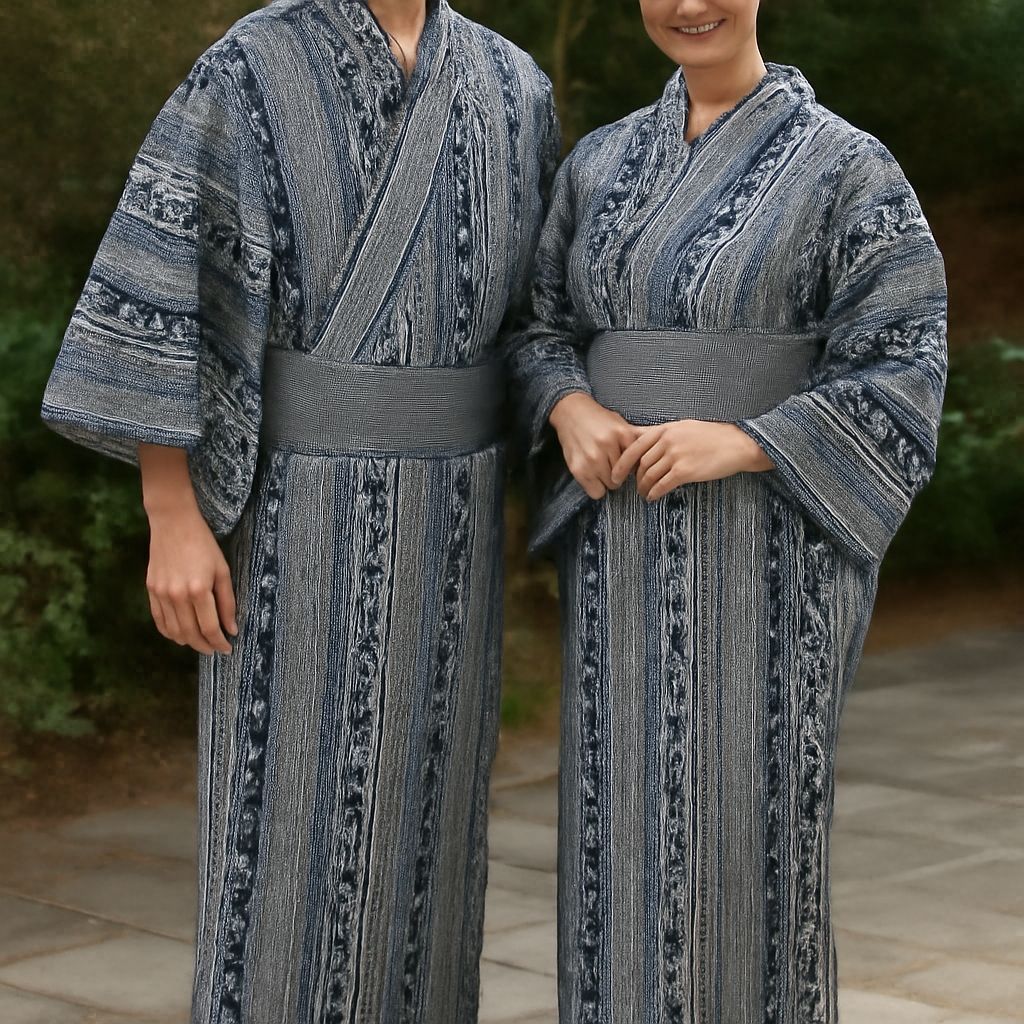
Kimono for Men and Women: Construction and Styling Differences
Learn how kimono for men are constructed and styled, then compare sleeves, color, motifs, fabric, obi, layers and accessories. See…
-
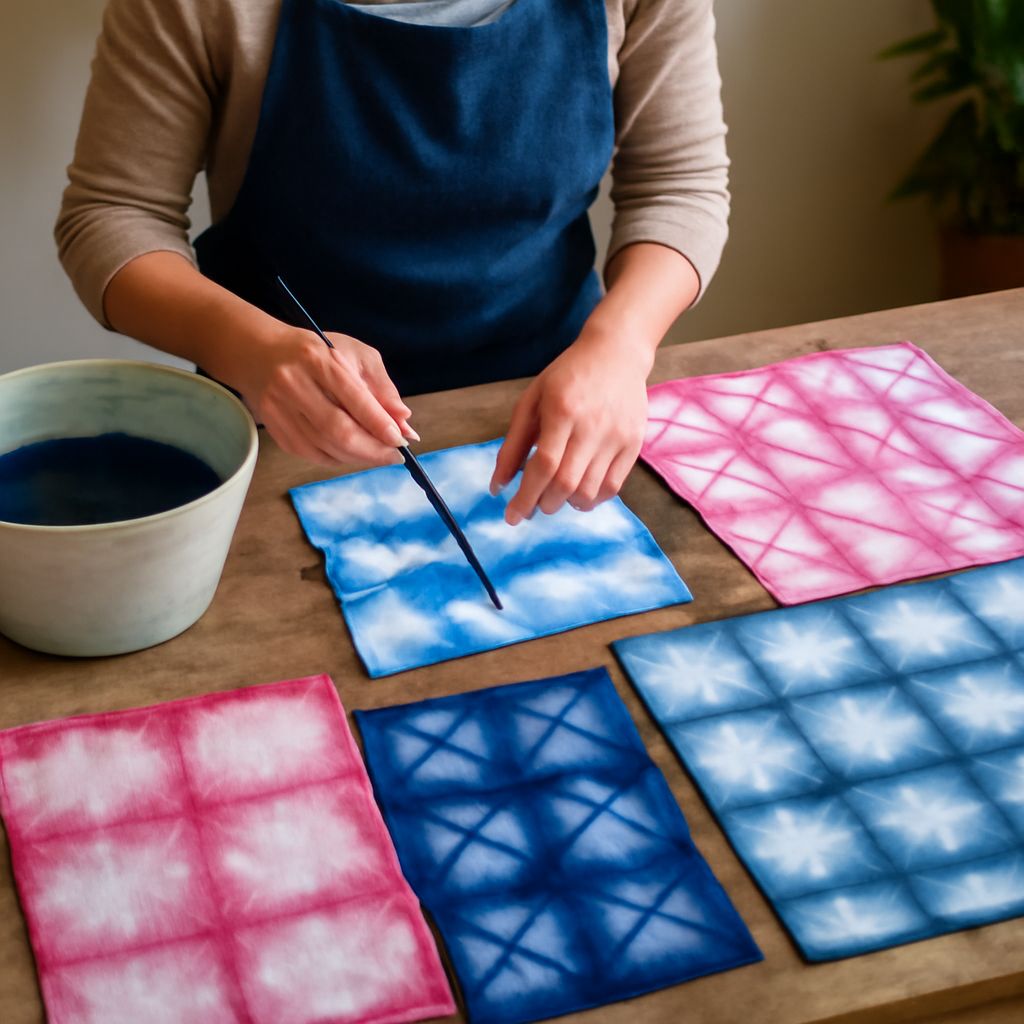
Shibori Dye: Fabric, Patterns and a Simple Folded Project
Explore shibori dye: choose absorbent natural-fiber fabric, fold and bind a repeatable resist, control dye exposure, then rinse, oxidize and…
-
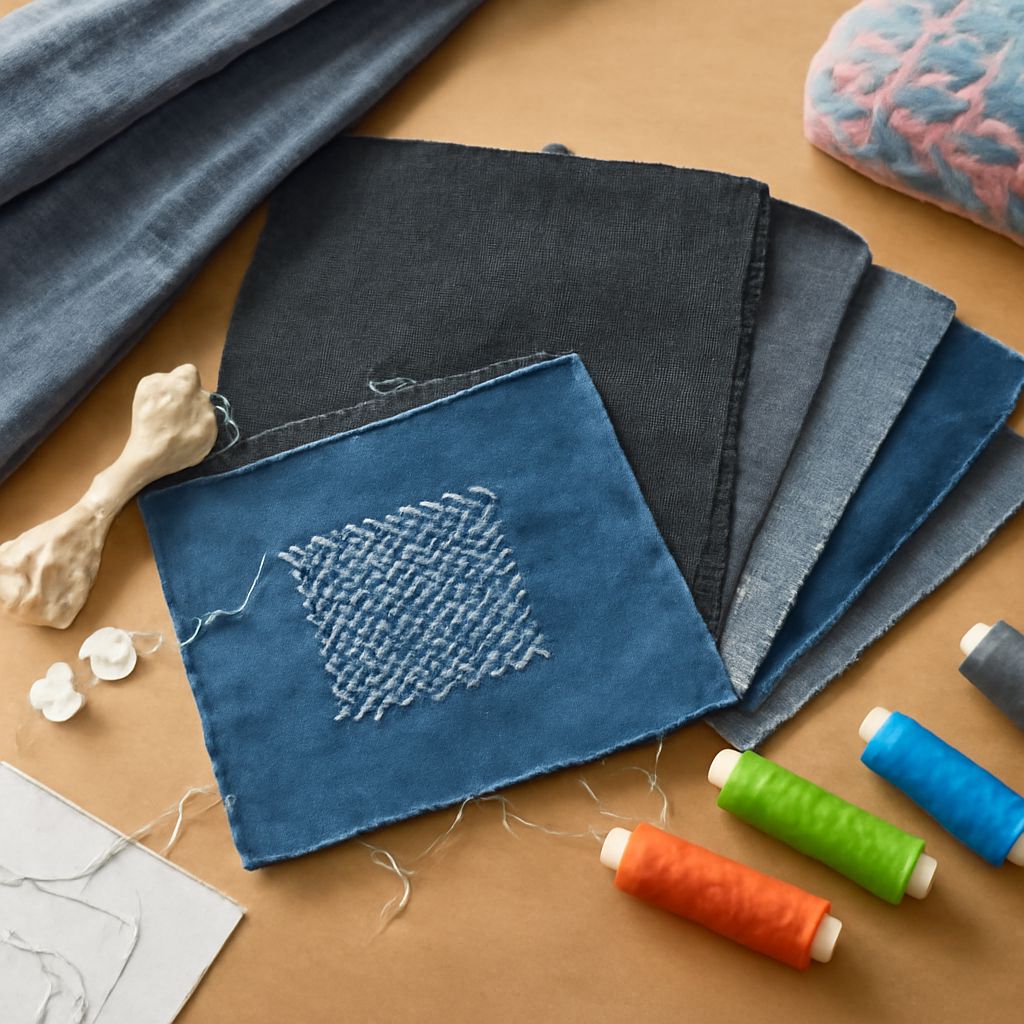
Sashiko Quilting: Stitches, Supplies and Your First Project
Learn sashiko quilting with a minimal kit, then stitch a small geometric panel. Follow the running-stitch rhythm, avoid bulky intersections,…
-
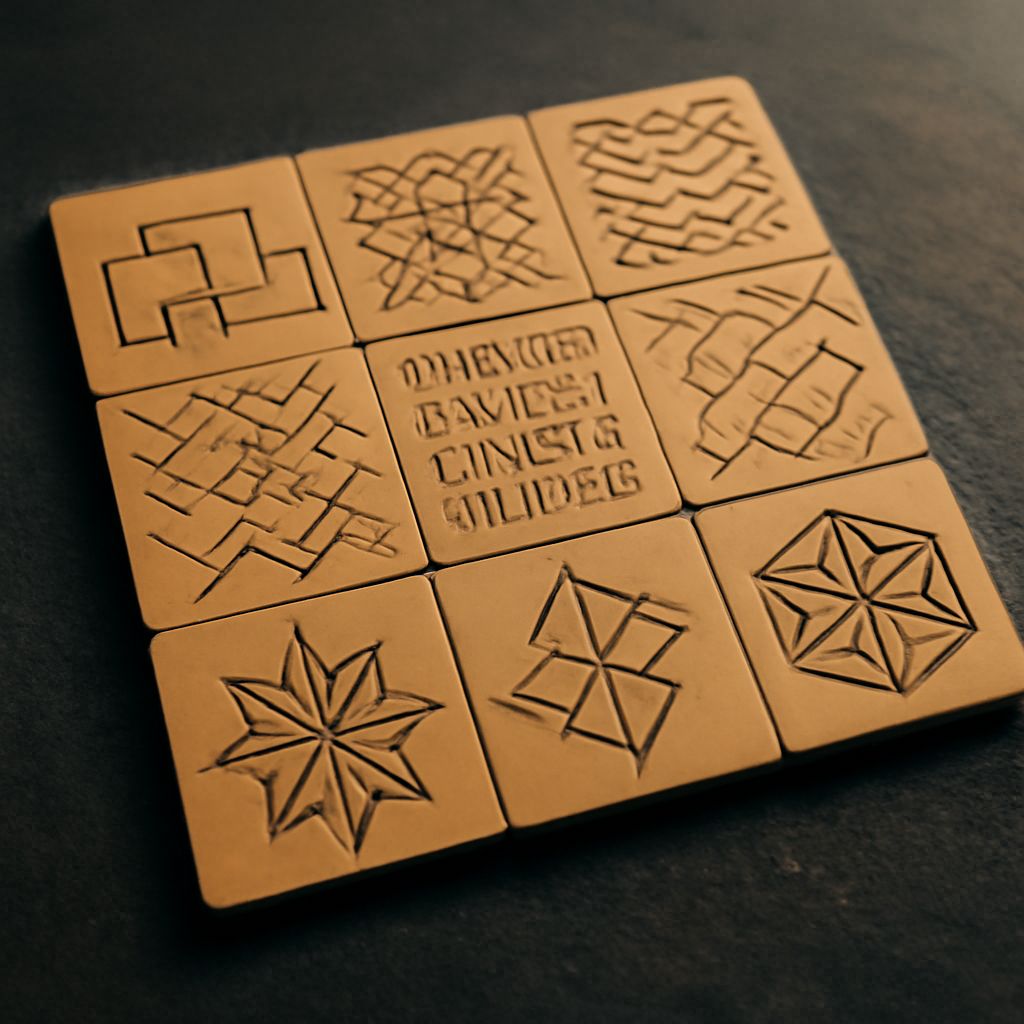
Sashiko Needles: Choose by Stack, Then Stitch a Quilt Sample
Sashiko needles depend on the fabric stack: choose a flexible needle for one layer and a longer, stiffer needle for…
-
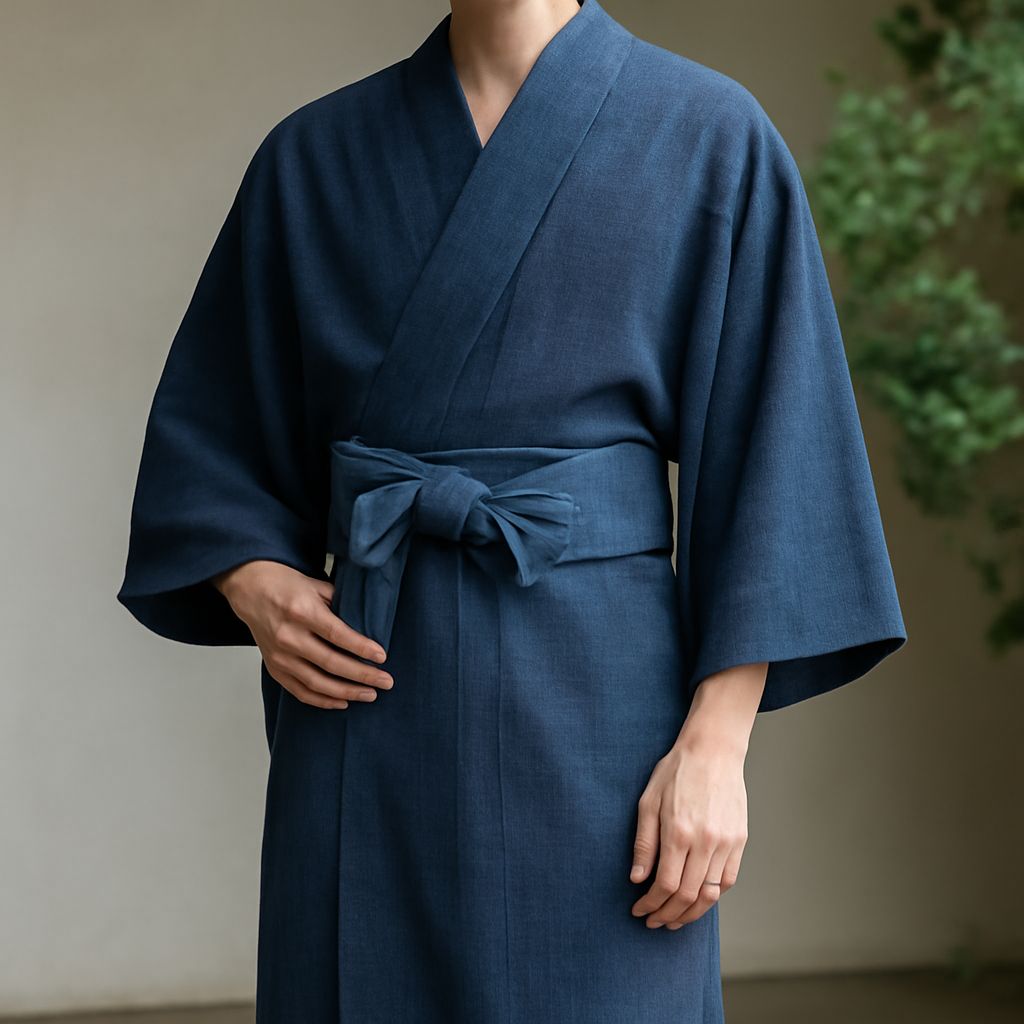
Male Kimono Name: Kimono, Yukata and Related Garments
Looking for the male kimono name? Kimono is the standard term for this Japanese garment. Compare fabric, lining, obi, season…
-
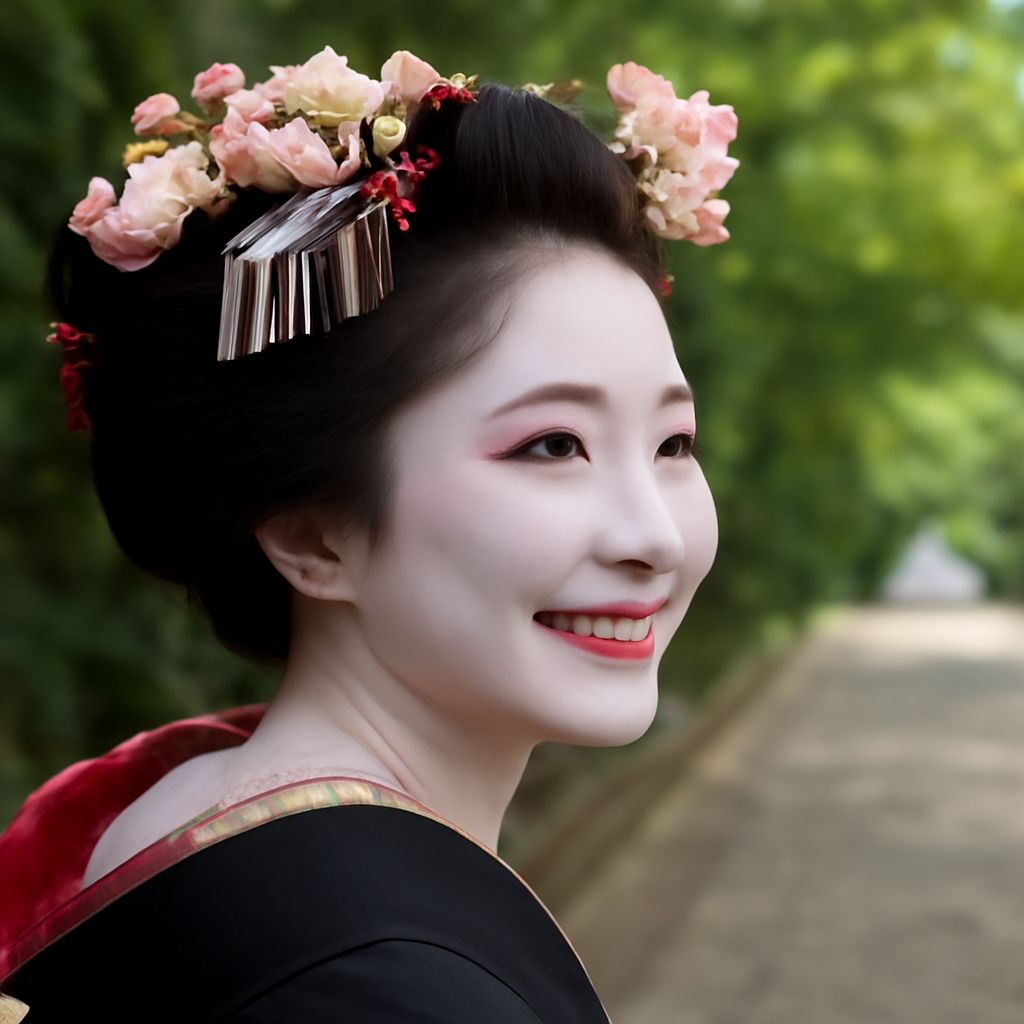
Japanese Maiko: Makeup, Dress and the Path to Geisha
Learn what a Japanese maiko is, how maiko makeup, hairstyles, collars, sleeves and obi reveal training stages, and how modern-day…
-
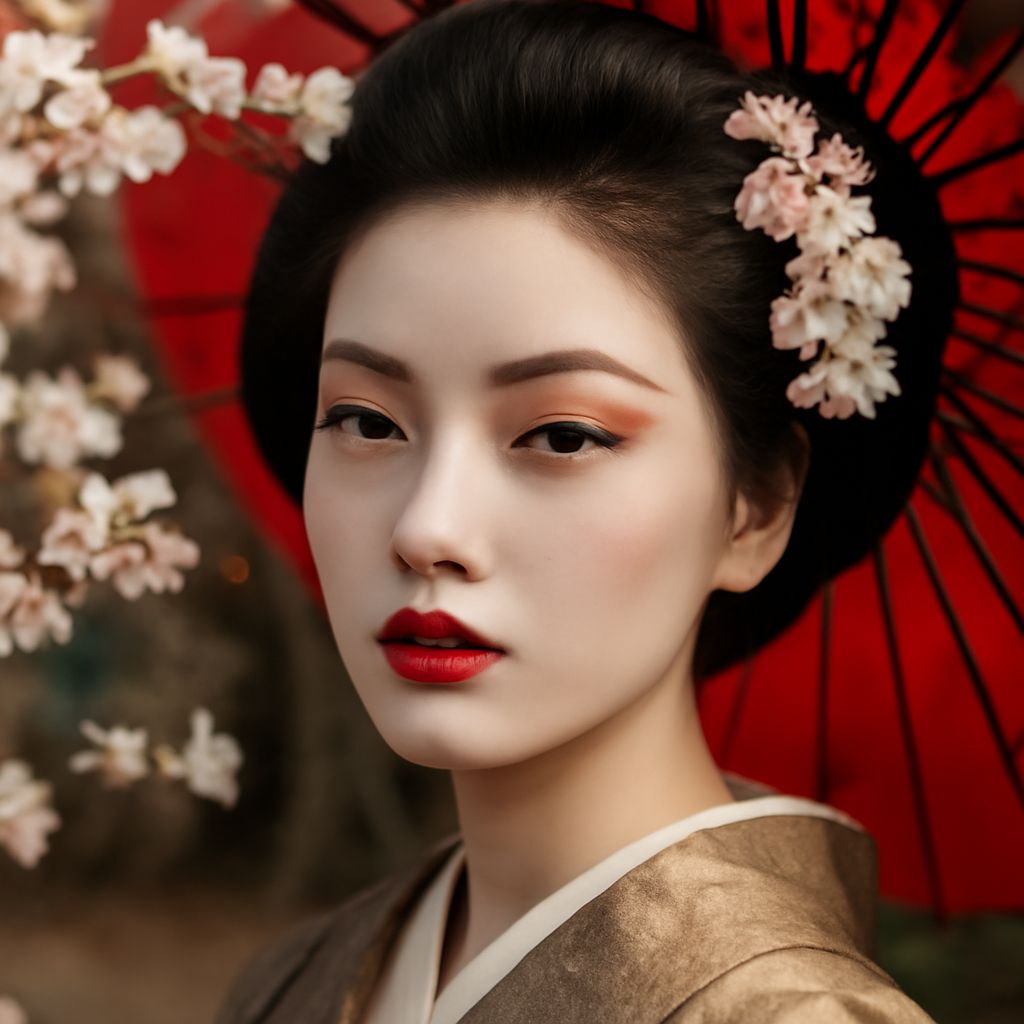
Geisha Inspired Makeup: White Base, Red Accents, and Maiko Differences
Geisha inspired makeup: see how oshiroi builds the white base, where red and black accents go, how geisha lipstick and…
-
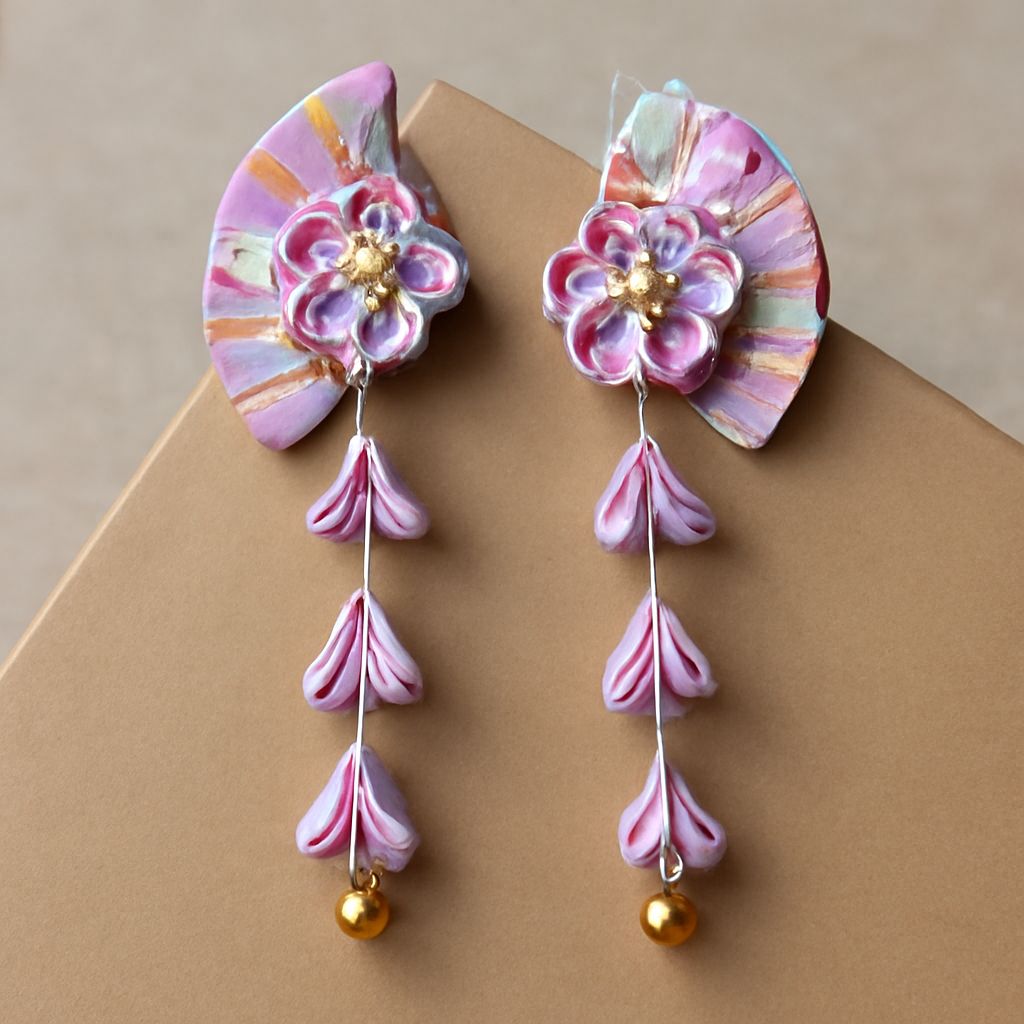
Geisha Fan, Hair and Ornaments: Reading a Maiko and Geisha Ensemble
Geisha fan, hairstyles and hair ornaments each carry a different role: follow how dance, silhouette, kanzashi, season, age, training and…
-
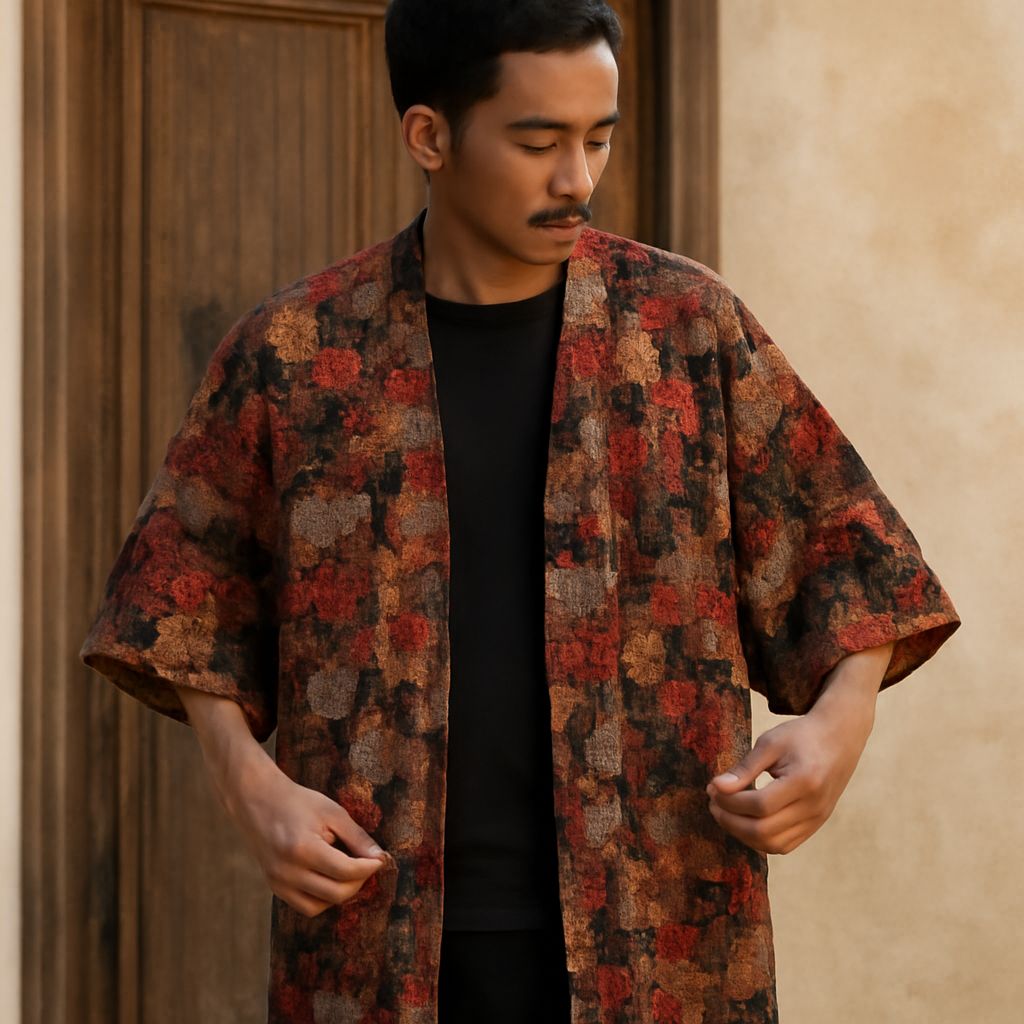
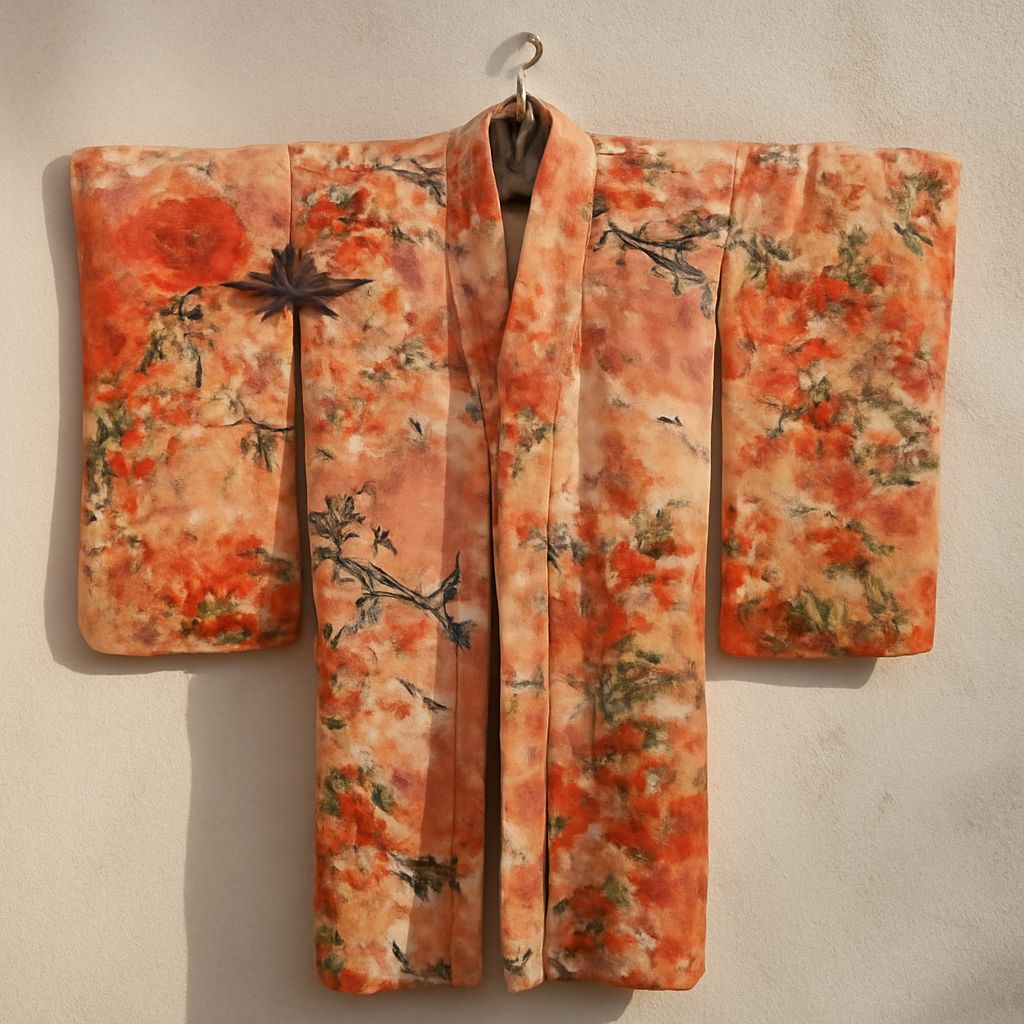
Men’s Haori: Traditional Form and Modern Style
Learn what defines a men’s haori, how its open-front cut differs from a kimono, and how to style a men’s…