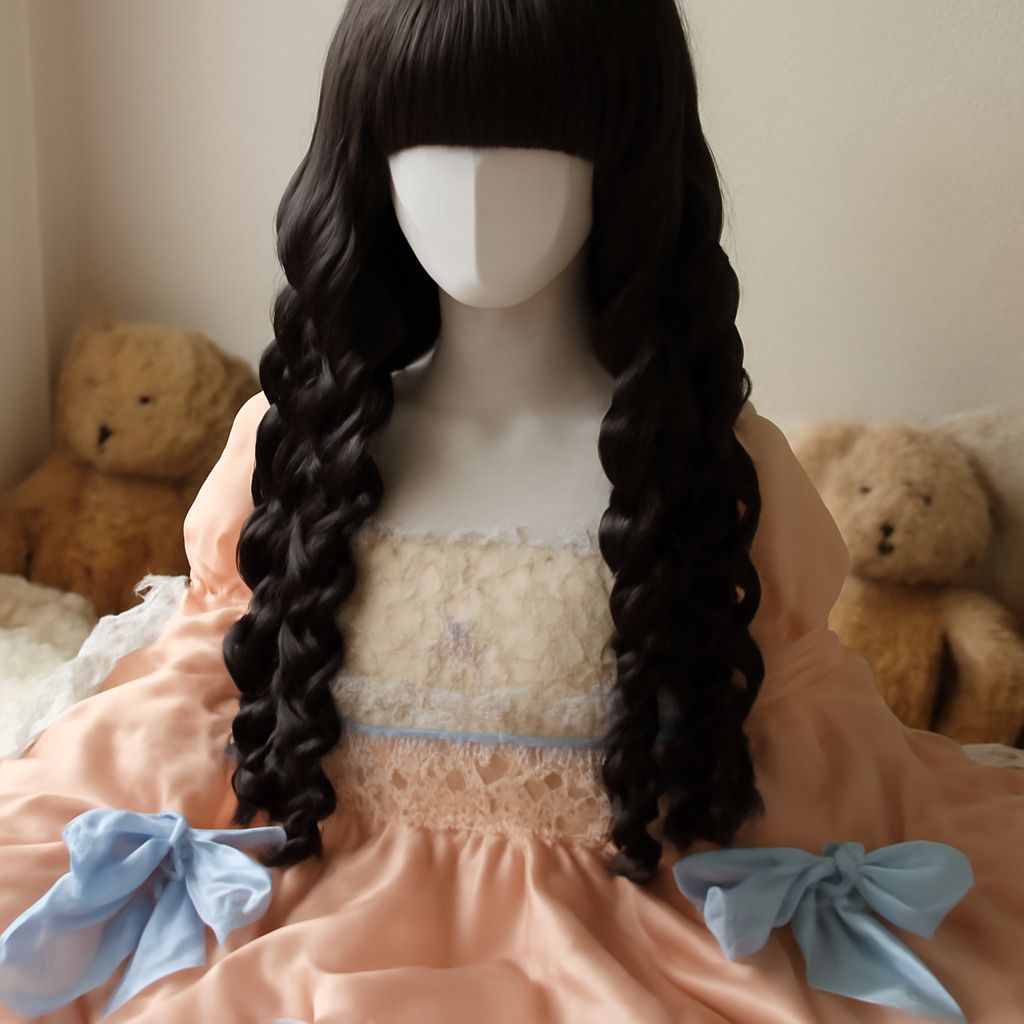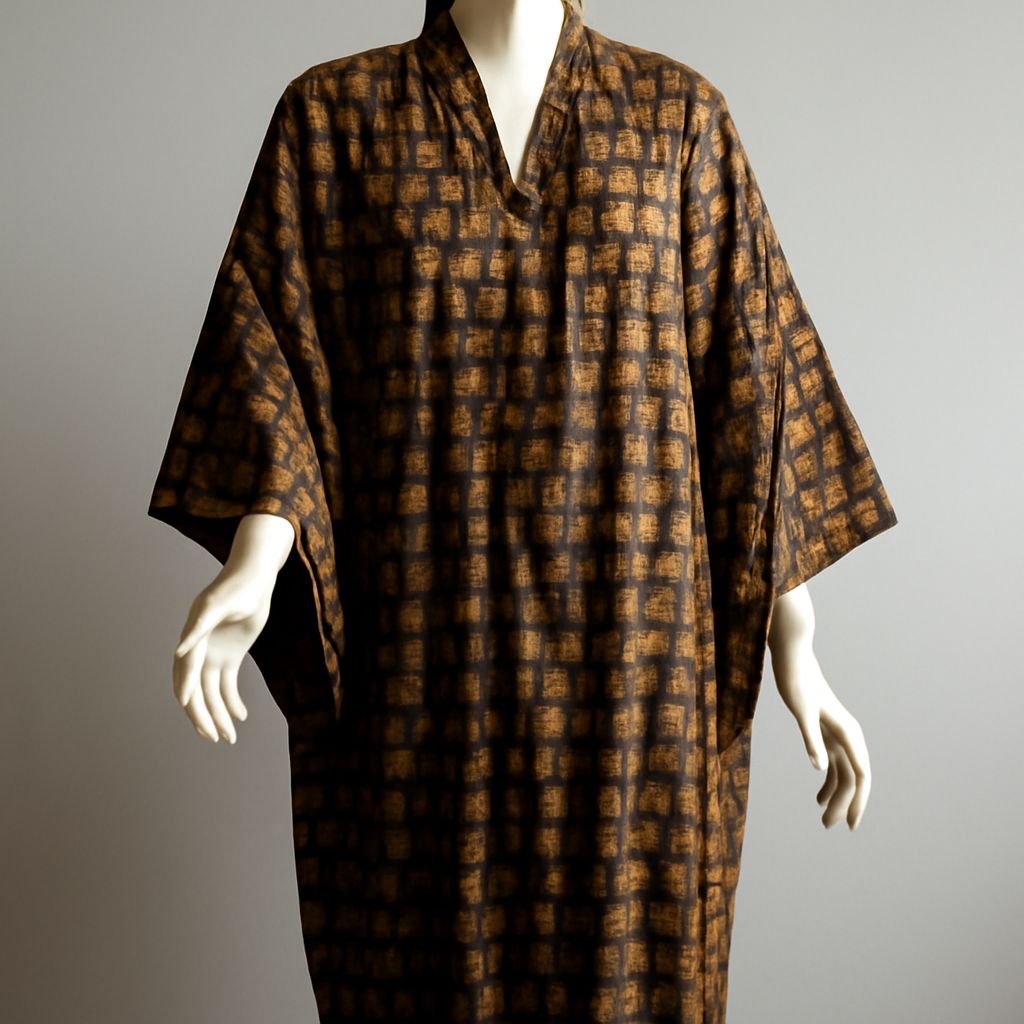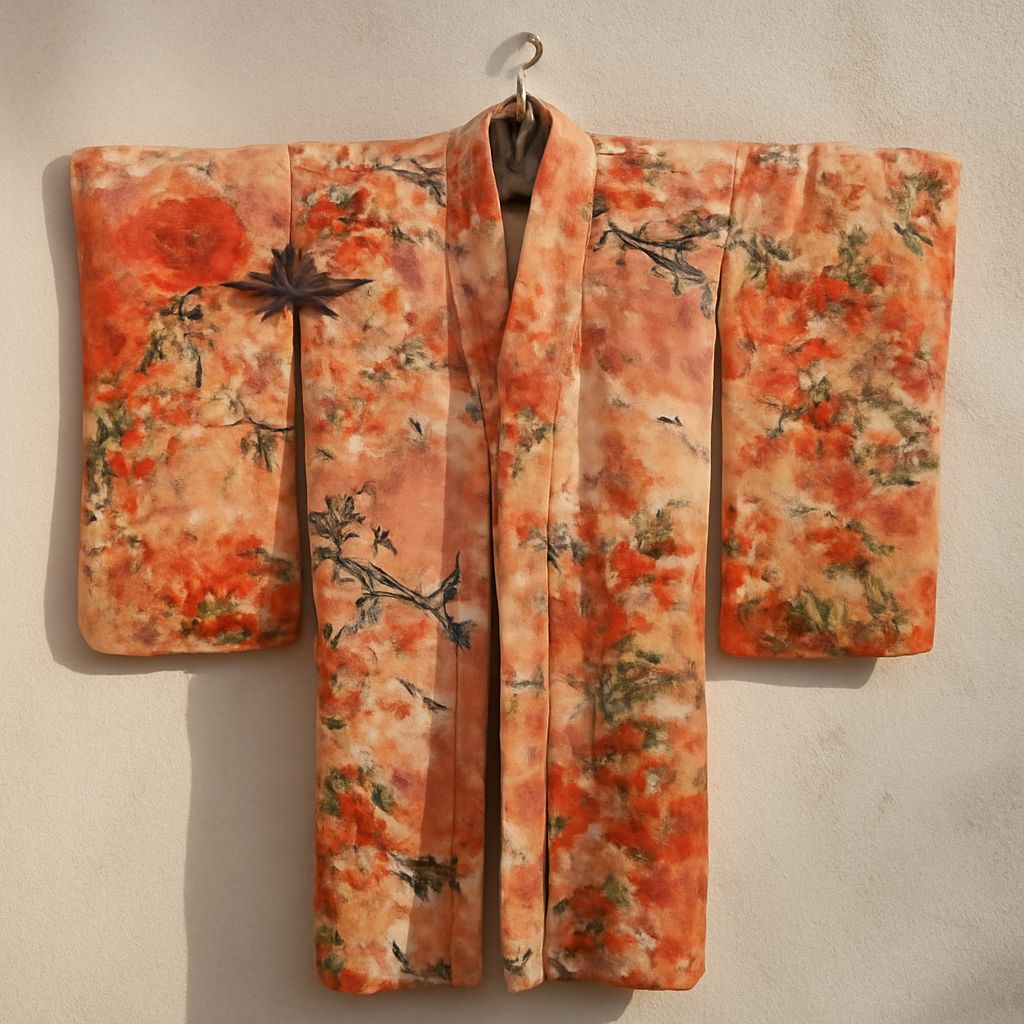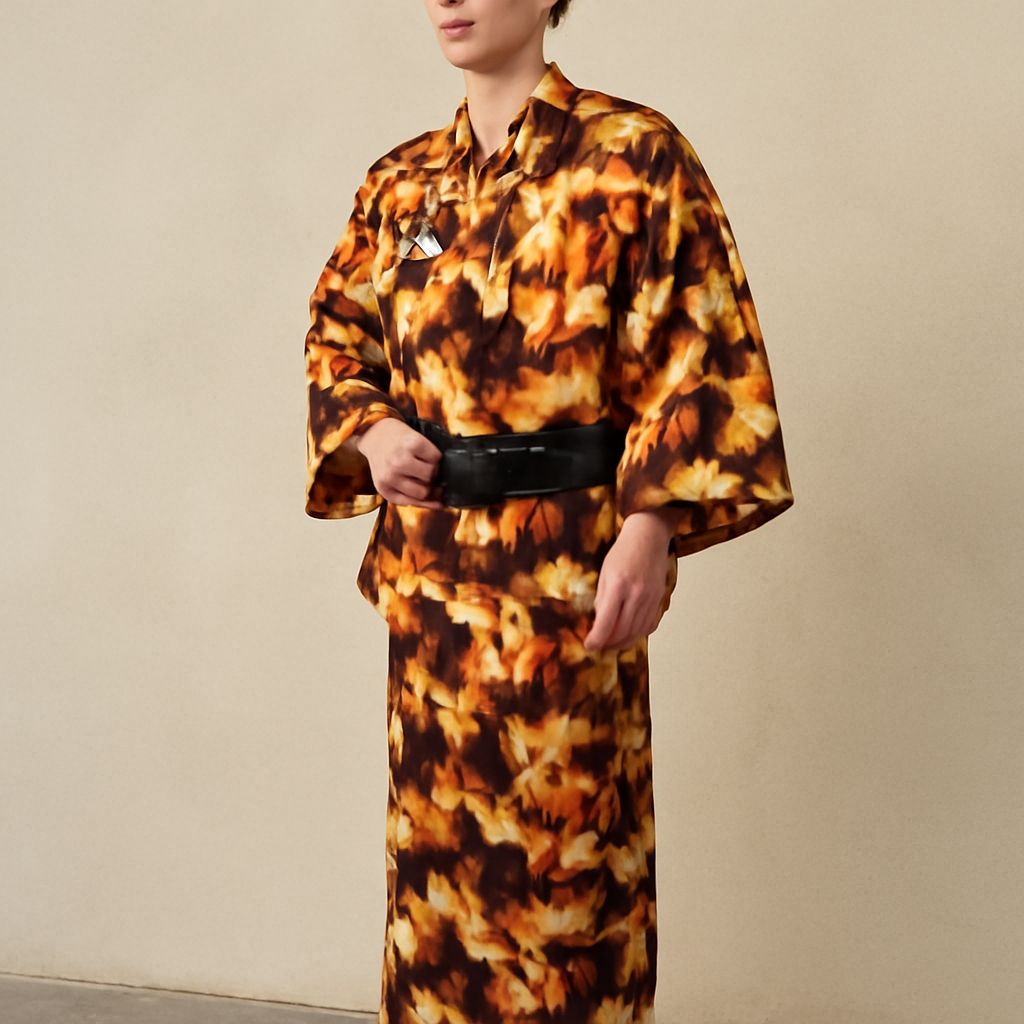
Japanese crossdressing is a neutral term for wearing clothing culturally associated with another gender. It describes a clothing practice, not a motive, sexual meaning, or conclusion about identity. In ordinary use, male crossdressing may include dresses, skirts, makeup, wigs, or other items read as feminine, although clothing codes vary across cultures and periods.
In Japan, the same presentation can be discussed through terms shaped by language, performance, fashion, and media. The setting often determines whether it is understood as costume, styling, entertainment, or personal expression.
What Japanese crossdressing means
Cross-dressing refers to presentation that crosses a local boundary between masculine and feminine dress. The term does not establish why someone dresses that way or how they understand their gender. A person may cross-dress for experimentation, performance, fashion, convention, or everyday comfort.
Male crossdressing as clothing practice
For men, this practice can involve a single garment, a complete outfit, or coordinated styling with hair and makeup. Describing the clothing accurately is more reliable than assuming the wearer’s personality, sexuality, or gender identity.
Josou and related Japanese terms
Josou (女装) commonly means dressing in clothing associated with women or presenting in a feminine style. In many discussions, it refers to a person read as male adopting feminine dress, but its nuance changes with context. It can be a descriptive label in media, a fashion category, a performance term, or a self-chosen word.
Related terms clarify different forms of presentation. Dansou (男装) describes dressing in clothing associated with men. Onnagata refers to male performers who play female roles in kabuki, where movement, voice, makeup, and costume follow an established theatrical system. These terms should not automatically be treated as statements about identity.
Cross-gender presentation in theatre and popular media
Theatre often turns cross-gender presentation into a formal visual language. Kabuki’s onnagata roles use stylized gestures and costumes, while Takarazuka Revue’s otokoyaku performers create performed masculinity within an all-female company. Neither example simply represents everyday male cross-dressing.
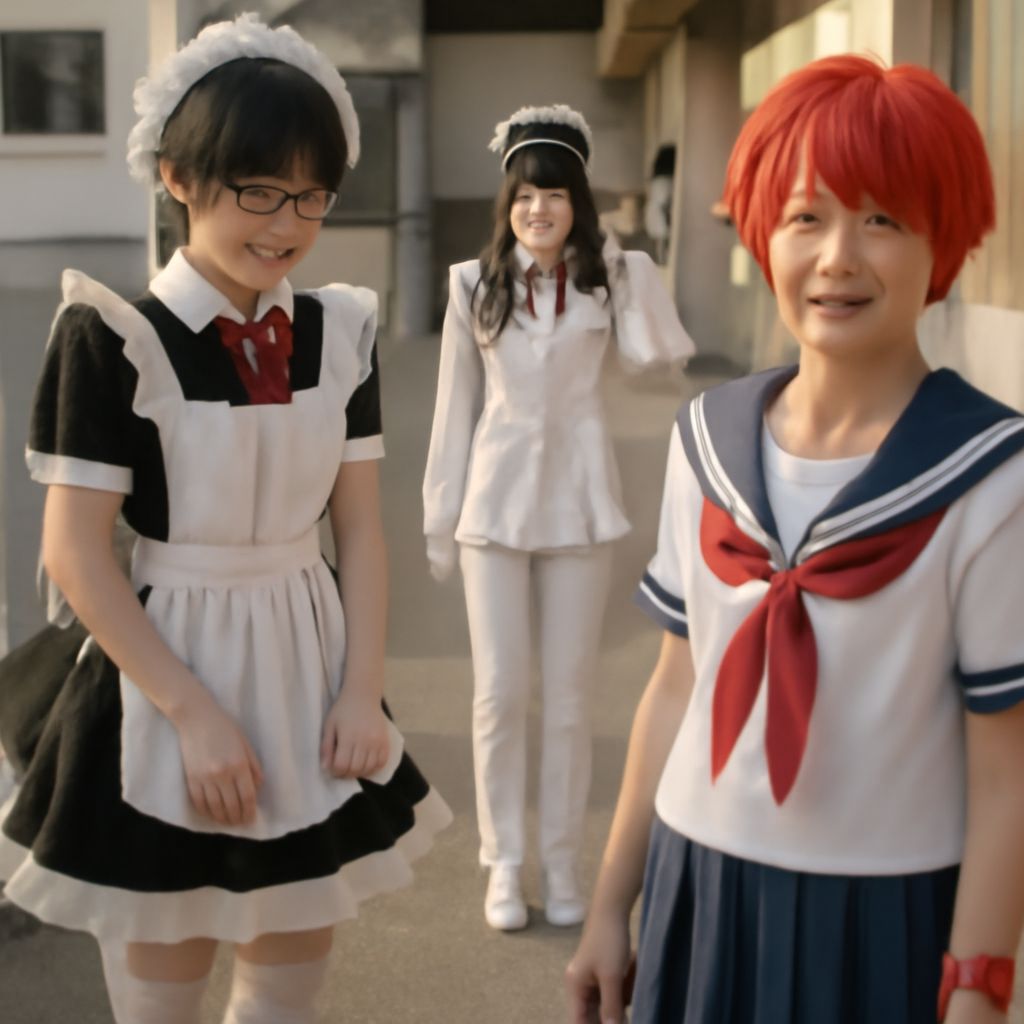
Manga and anime may use gender-crossing costumes for character design, comedy, disguise, romance, or transformation. Television variety shows and dramas can frame the same visual practice as a role, a temporary challenge, or part of a fictional story. Cosplay and fan photography add another layer, because the outfit may reproduce a character rather than express the wearer’s daily style.
Fashion, performance and everyday dress
Fashion photography may emphasize silhouette, makeup, pose, or deliberate gender ambiguity. Its images are constructed compositions, so they should not be read as direct evidence of the model’s private identity. Designers and stylists may also use traditionally masculine and feminine elements together as an editorial effect.
Men crossdressing in street style
In street style, men crossdressing can describe fashion experimentation, subcultural dress, or an individual’s preferred presentation. A photograph records appearance at one moment; it cannot establish whether the person identifies as a man, is performing drag, or is transgender.
Cross-dressing, drag and transgender identity
Cross-dressing, drag performance and transgender identity are separate concepts that may overlap for some people but are not interchangeable. Cross-dressing describes clothing or presentation. Drag is an intentional performance form that often heightens gender expression through costume, makeup, movement, and character. Transgender identity concerns a person’s gender, not a particular wardrobe.
Someone can cross-dress without being transgender, perform drag without cross-dressing outside the stage, or be transgender regardless of whether they dress in conventionally gendered clothing. For that reason, josou should be interpreted through its setting and the person’s own words rather than used as a synonym for any identity.