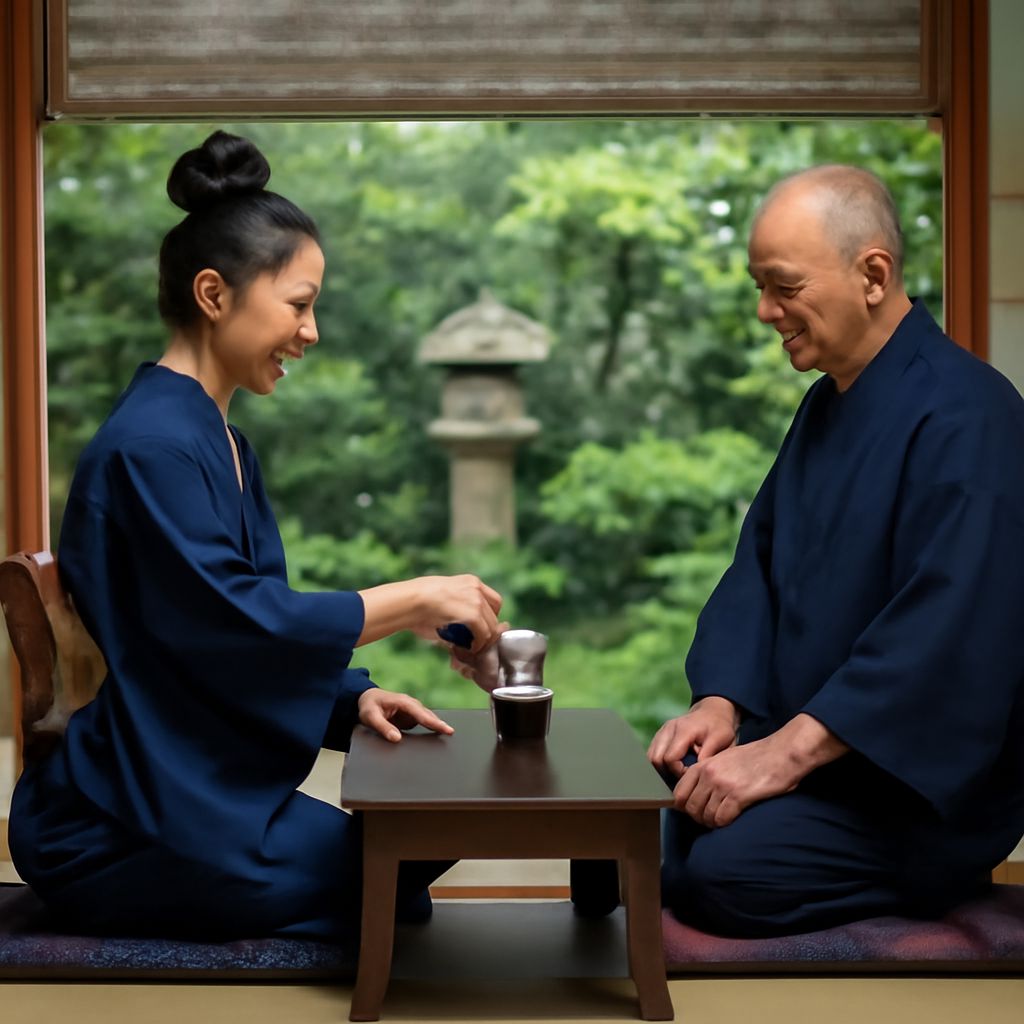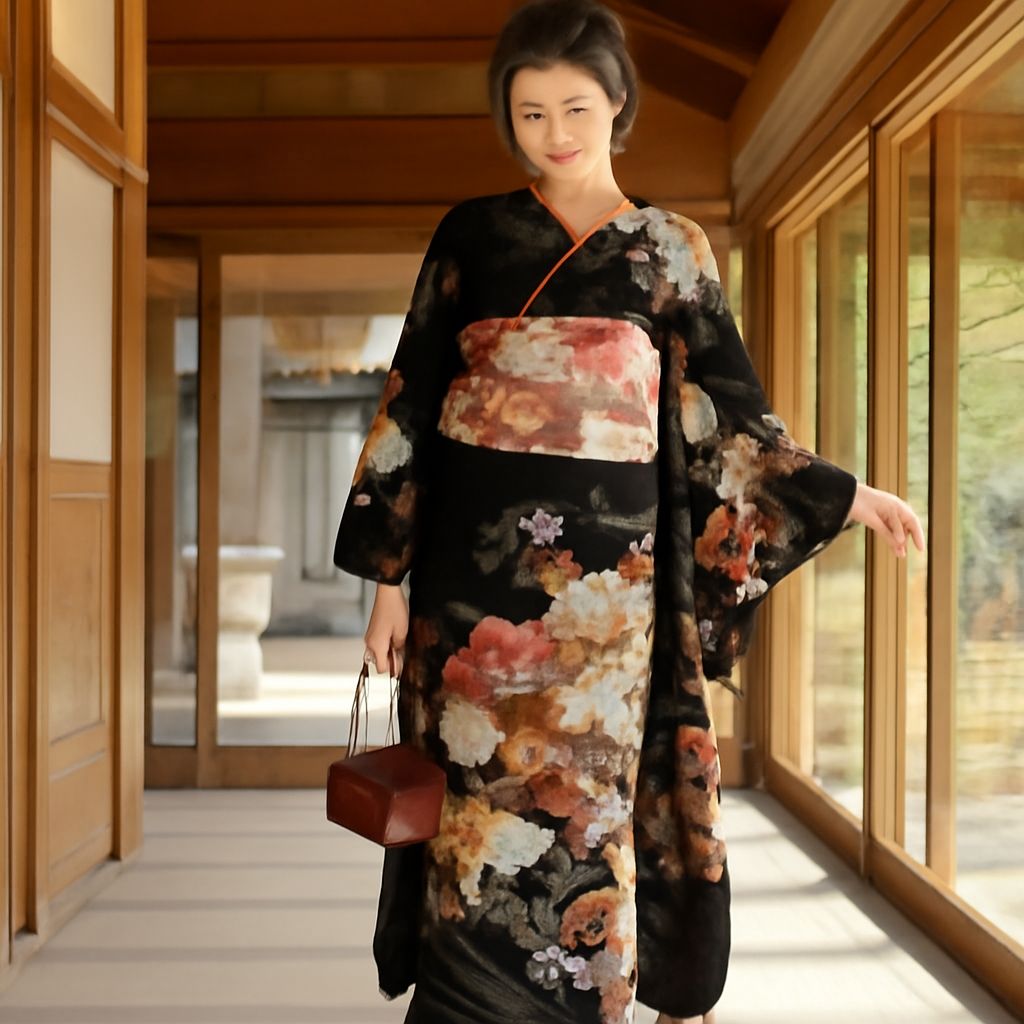
A funeral kimono usually means black mofuku, the formal mourning clothing worn by surviving family members and other mourners. It is not the same as the white burial clothing prepared for a deceased person.
A furisode kimono belongs to a different visual and social category. Its long sleeves, vivid colors and auspicious designs make it celebratory formalwear, generally associated with unmarried women. Both are kimono, but their purpose and signals of formality differ.
Kimono Is a Family of Garments
Kimono is a broad family of Japanese garments rather than one fixed outfit. Different cuts, colors, fabrics, motifs and accessories identify the wearer’s age, status and occasion.
Formal examples include mourning kimono, wedding attire, coming-of-age dress and other ceremonial styles. A garment can therefore be a kimono without being suitable for every formal event. The setting determines which version is appropriate.
These distinctions are especially clear when comparing restrained mourning dress with a brightly decorated furisode. Both may use a full-length robe and obi, yet their visual codes communicate opposite moods.
Funeral Kimono: Black Mofuku for Mourners
Black mofuku is the traditional formal mourning kimono worn by mourners, particularly close family members. Women’s formal mofuku is typically completely black, with minimal decoration and a plain black obi. The fabric may include a subtle woven pattern, but it should not display colorful motifs.
Family crests are an important marker of formality. The most formal women’s mourning kimono may carry five crests: on the back, the front of the sleeves and the chest. Less formal versions can use fewer crests, depending on the wearer’s relationship to the deceased and the ceremony.
Accessories remain subdued. A mourner may wear white tabi socks and simple black footwear, while the obi, obi accessories and handbag stay black and understated. Jewelry is limited, and bright colors, elaborate hair ornaments and decorative motifs are avoided.
Men’s formal mourning dress can also include a black crested kimono, usually with a striped hakama and a white underlayer. In contemporary funerals, many mourners instead wear a Western-style black suit. Neither option changes the central rule: mourning clothing should be restrained rather than celebratory.
White Burial Clothing for the Deceased
White burial clothing is prepared for the deceased, not worn by funeral guests as a form of mourning kimono. In Buddhist-influenced funeral practice, the deceased may be dressed in white garments associated with a journey after death.
This clothing can include a white robe and other symbolic items arranged by the family, temple or funeral provider. Its color and purpose distinguish it from the black mofuku worn by mourners. Confusing these two forms produces a major error in describing Japanese funeral dress.
Furisode vs Kimono: Occasion, Sleeves and Accessories
A furisode is a type of kimono defined most visibly by its long, swinging sleeves. It is formal celebratory clothing traditionally associated with unmarried women, especially for Coming-of-Age ceremonies, weddings, receptions and graduations.
Furisode fabrics often feature vivid colors and large auspicious motifs, such as flowers, fans, birds or seasonal designs. The obi is usually broad and tied in an elaborate decorative style. Coordinated hair ornaments, embroidered collars and colorful footwear reinforce its festive character.
- Color: Mofuku is black and restrained; furisode may be bright, patterned or richly embellished.
- Motif: Mourning dress minimizes visible decoration; furisode commonly uses auspicious designs.
- Sleeves: Mofuku has standard kimono sleeves; furisode has notably long sleeves.
- Obi and accessories: Mourning accessories are plain and dark; furisode accessories are often elaborate and coordinated.
- Occasion: Mofuku is for funerals and mourning; furisode is for formal celebrations and is not suitable funeral attire.