A laptop advertised as 14 inches is measured across its screen, while a bag opening is measured from edge to edge. That difference can decide whether the device slides inside or catches at the zipper. A woman’s bag for work should be chosen around the actual items it must carry and the route it travels.
Office bags for women vary in shape, closure and carrying method. A slim case can suit a short commute with a laptop and notebook; a deeper tote or backpack may make more sense when lunch, shoes and a water bottle travel too.
Work Bag Women Can Match to Their Commute
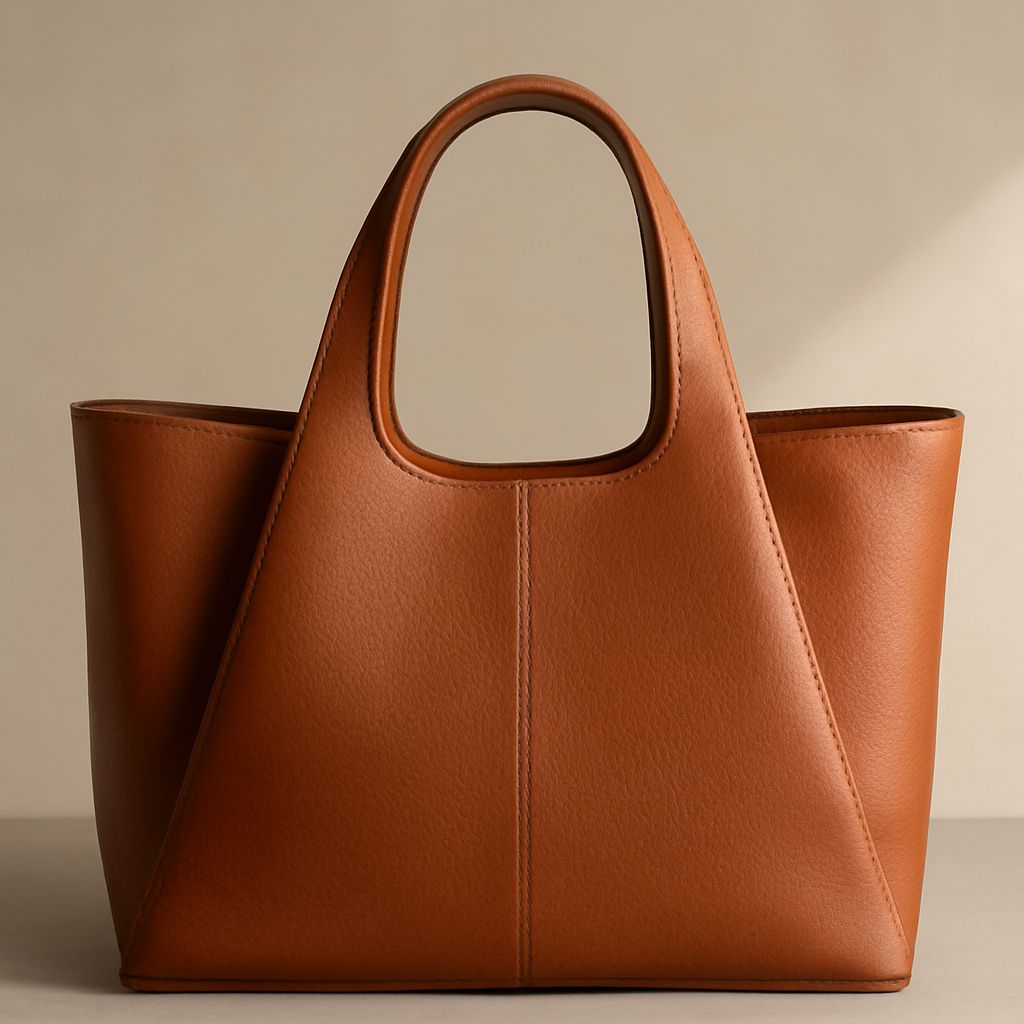
Structured tote: A wide opening and upright sides make documents easy to reach. Look for a zip top if the bag will sit under a train seat, and check that the handles clear a winter coat. A firm base maintains the shape but can feel bulky in transit.
Laptop briefcase: A rectangular case usually keeps a computer and papers in a flat arrangement. Short handles offer a neat silhouette, while a detachable shoulder strap gives another carrying option. Check that the main opening is wide enough for a sleeved device and that the corners are padded.
Backpack: Two straps leave the hands free and distribute a load across both shoulders. A plain exterior can sit comfortably with office clothing. Check whether the straps adjust over a coat and whether the bag stands or opens easily at a desk.
Convertible bag: Some designs switch between hand, shoulder and backpack carrying. This flexibility is useful when a route combines walking and meetings, but extra straps and hardware add weight. Test how quickly the straps change position and where they go when not in use.
The work bag women choose for a desk-based day may differ from one carried between several sites. A compact office bag for women can keep a device and documents orderly; a backpack with a separate compartment may be easier to manage over a longer walk. The shape should serve the load as well as the office dress code.
Measure the contents before shopping
Place the laptop in its usual sleeve and measure its width, height and thickness. Compare all three with the interior dimensions of the laptop compartment, not only the bag’s exterior or advertised screen-size range. Allow room to insert the device through the opening, which can be narrower than the space inside. A padded divider in a woman’s office bag should hold the computer without forcing the zipper shut.
A US Letter sheet measures 8.5 by 11 inches, as shown in Portland Community College’s paper-size guide. A folder or document sleeve is larger than the sheet itself, so measure that too. Source accessed November 19, 2026. For a women’s work bag that must protect papers from bending, check the usable width at the base and under the closure, not just at the widest point.
Lay out the rest of a normal day’s load: charger, keys, wallet, glasses, bottle and lunch container. Measure the bulkiest object and consider whether it can stand upright. A lunch box needs more depth than documents alone. If a bottle sits beside electronics, a separate secured pocket or sealed container helps keep any spill away from the device.
Compare compartments and closures
Business bags for women often use a laptop sleeve, an open main compartment and smaller pockets in different combinations. A zipped pocket in a woman’s business bag keeps keys or a wallet from falling out when the main compartment is open. An outside pocket gives quick access to a transit card; a closure on that pocket helps retain it when the bag tips over.
A full zipper offers more coverage than an open top or a single magnetic snap, though it can narrow the opening. Try inserting the largest item and closing the bag without bending the contents. Check that zipper pulls move smoothly around corners and that the lining does not catch.
The work bag women carry through a rainy commute should have a closure that covers the contents and a material suited to the conditions. A water-resistant finish can handle light splashes, but seams and zippers may still admit water. An inner sleeve or cover adds protection when the forecast calls for sustained rain.
Consider weight, straps and materials
Compare the empty weight of women’s business bags before loading them: hardware, thick leather and rigid panels can make an attractive design heavy even before a charger is added. Load a work tote for women with the intended contents and walk for several minutes. A strap that feels comfortable empty may dig in once the load is in place.
For a shoulder bag, an adjustable strap helps place the bag close to the body; switching sides can reduce continuous pressure on one shoulder. UC Davis ergonomics guidance recommends wearing both backpack straps and suggests wheels for heavy loads over long distances. Source accessed November 19, 2026. If the packed bag causes discomfort, remove unnecessary items or consider another carrying style.
Leather, coated fabric and nylon offer different appearances and care requirements. Smooth leather can give a structured office outfit a polished finish; nylon may offer a lighter, more casual surface. Inspect handle stitching and read the care instructions. Some womens business bags combine a rigid base with a soft body, so inspect both structure and weight.
A woman’s professional bag can complement a tailored jacket through its shape and finish. Black, brown and navy coordinate readily with many wardrobes, while a muted color or textured surface can add interest. For josou styling, handle drop and scale influence the silhouette.
Before choosing a women’s work bag, match it to the actual route: measure the laptop and folder, pack the daily load, close the bag fully and test its straps over the coat normally worn. For a long walk and train ride, favor secure access and comfortable carrying; for a short trip to a formal meeting, a structured case with enough interior room may be the better fit.