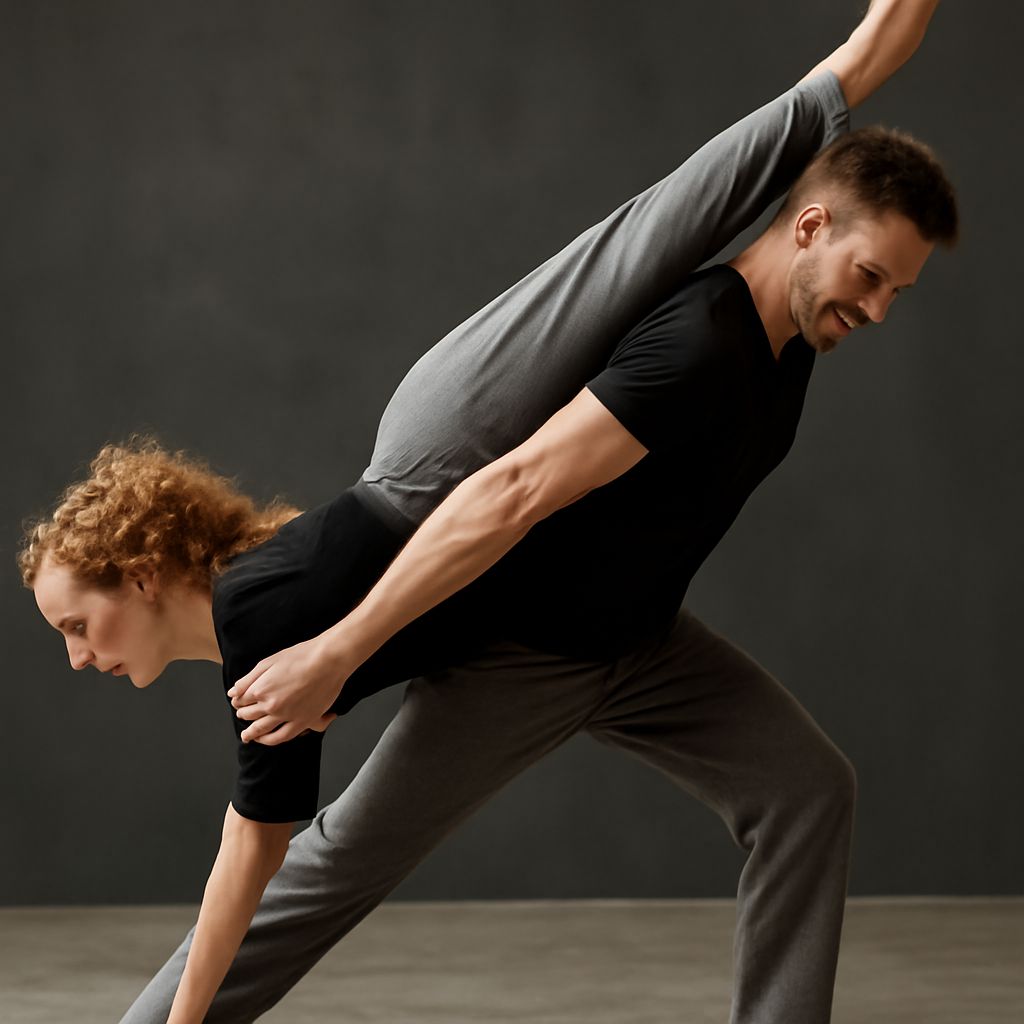
In the realm of theatre, Anne Bogart’s viewpoints offer a transformative means of understanding and applying acting techniques. This revolutionary approach reshapes the way actors perceive and relate to space, movement, and time on stage. By integrating spatial relationships and dynamic interactions, the viewpoints acting method fosters a deeper connection between performers and their environment.
Introduction to Viewpoints
The viewpoints method is a structured improvisational approach that allows actors to explore and enhance their awareness of spatial and temporal elements in performance. It breaks down scene work into essential components, encouraging actors to engage with physical space, movement, and timing. This technique helps performers develop a more instinctive understanding of their surroundings and interactions with fellow actors.
Anne Bogart’s Influence
Anne Bogart, a prominent figure in contemporary theatre, has been instrumental in popularizing the viewpoints technique. Co-founder of the SITI Company, Bogart has applied viewpoints to numerous productions, enriching the creative process and performance. Her influence extends beyond her own work, inspiring actors and directors worldwide to adopt this innovative method. Through her teachings and collaborations, Bogart has solidified viewpoints as a vital tool in modern acting.
Core Components of Viewpoints
Viewpoints acting comprises several core elements that actors use to enhance their performance. Each component serves as a building block for creating compelling and dynamic scenes.
Spatial Relationships
Spatial relationships refer to how actors relate to the physical space and each other. This element emphasizes awareness of proximity, distance, and spatial orientation, helping actors create a visual narrative. By focusing on spatial relationships, performers can develop a nuanced understanding of their environment, which in turn influences their movements and interactions.
Time and Duration
Time and duration encompass the tempo and rhythm of a scene. Actors explore how timing affects performance, adjusting their pace to align with emotional beats and narrative flow. This component encourages actors to be mindful of how the passage of time influences tension and release within a scene.
Gesture and Movement
Gesture and movement are fundamental to expressing emotion and intention. In viewpoints acting, actors examine their physical actions and gestures, considering how these elements reflect their characters’ inner thoughts and motivations. By refining their movements, performers can convey deeper layers of meaning without relying solely on dialogue.
Practical Application in Theatre
The practical application of viewpoints in theatre involves incorporating its core components into rehearsals and performance. Actors use this method to explore character relationships, enhance stage presence, and develop spontaneous interactions. Directors often employ viewpoints to facilitate collaboration among cast members, encouraging them to create organic and fluid performances.
Through workshops and exercises, actors learn to adapt their movements and timing based on the dynamic interplay of viewpoints. This approach fosters a creative environment where actors can freely experiment, leading to authentic and immersive performances. As a result, viewpoints acting has become a valuable tool for exploring the complexities of human interaction and storytelling in theatre.