Newborn photography is a cherished art that captures the fleeting, beautiful moments of a baby’s early days. With the right approach, you can create stunning new born photos that preserve these precious memories for a lifetime. Whether you’re a professional photographer or a parent wanting to take your own newborn pics, understanding timing, environment, techniques, and editing will help you achieve breathtaking results.
Choosing the Right Time
The ideal time to capture newborn photos is within the first two weeks after birth. During these early days, babies tend to sleep more and are easier to pose. The best period is between five to twelve days old when infants are still flexible and can comfortably curl into those adorable poses. Scheduling a photo session during this time increases the chances of a successful shoot.
Setting the Perfect Environment
Creating a comfortable and safe environment is crucial for successful newborn photography. Keep the room warm, ideally between 75 and 80 degrees Fahrenheit, to ensure the baby stays cozy and relaxed. Use soft, natural lighting whenever possible, as harsh light can disturb the newborn and create unwanted shadows. Ensure that the space is calm and quiet, which helps in soothing the baby and maintaining a peaceful atmosphere during the session.
Techniques for Stunning Shots
Angles and Positions
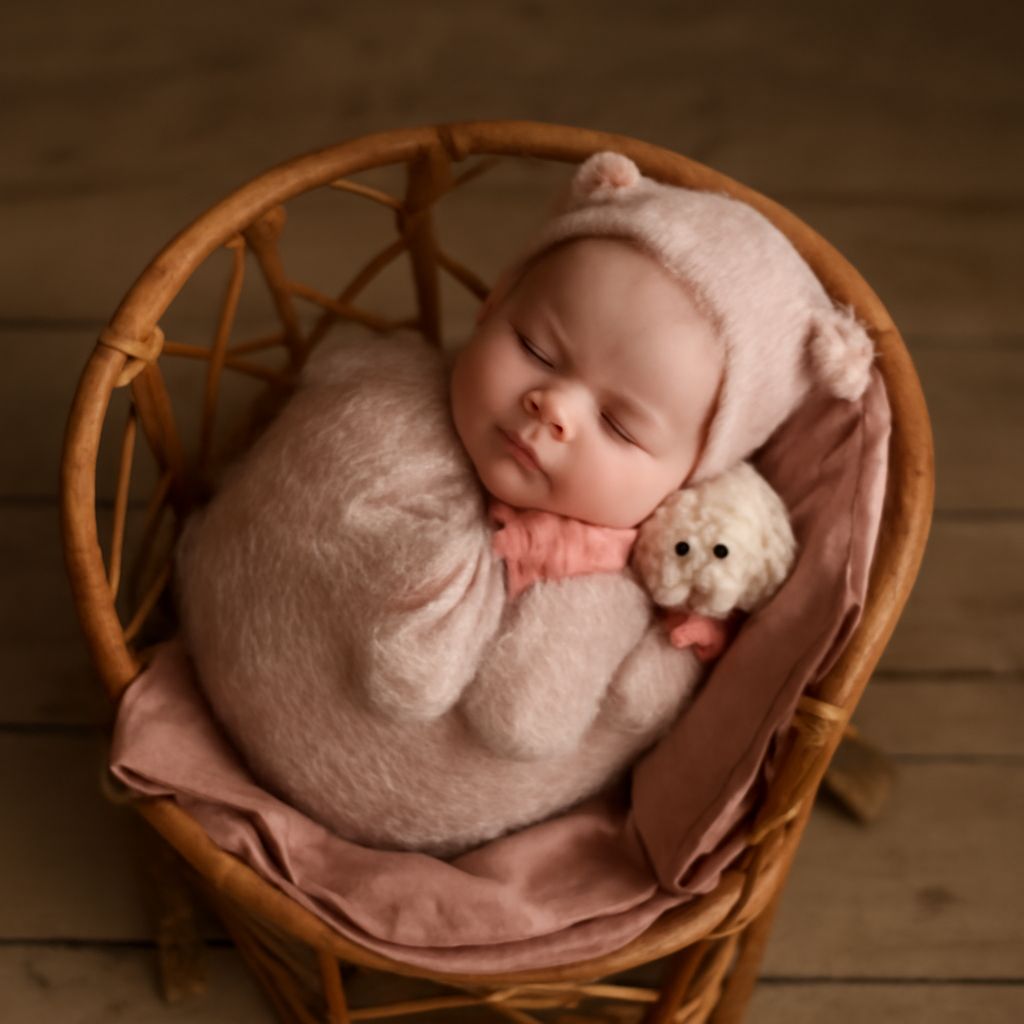
Experimenting with different angles and positions can significantly enhance the quality of newborn pics. Try shooting from above to capture the baby’s delicate features or from the side to emphasize their tiny hands and feet. Classic poses like the “taco pose” or “chin-on-hands” can highlight the newborn’s adorable expressions. Always ensure the baby’s safety by using appropriate supports and having a spotter nearby if needed.
Lighting Tips
Lighting plays a pivotal role in newborn photography. Natural light is often the most flattering, so position the baby near a window or in a well-lit room. Soft, diffused light creates a gentle, serene effect that enhances the newborn’s delicate skin. Avoid using direct flash as it can be too harsh and may startle the baby. If additional light is needed, consider using a softbox or a reflector to gently illuminate the scene.
Editing Newborn Pics
Post-processing is the final step in enhancing your newborn photos. Editing software like Adobe Lightroom or Photoshop can be used to gently retouch the images. Focus on adjusting the exposure, contrast, and white balance to achieve a natural look. Be cautious not to over-edit, as preserving the newborn’s natural appearance is key. Subtle adjustments to remove blemishes or smooth skin tones can make a significant difference while keeping the essence of the moment intact.