A character’s oversized head can make an expression visible across a room, but it also changes how the wearer sees, hears, and moves. Choosing an animal-character suit begins with the performance: where it will be worn, how long the wearer will be active, and which parts of the design matter most.
A furry character costume may cover the body completely or combine a head and paws with ordinary clothing. Both approaches allow an adult performer to create a distinctive silhouette. The right construction depends on the character reference, the wearer’s measurements, and the practical demands of the event.
Furry Costume: Full Suit or Partial?
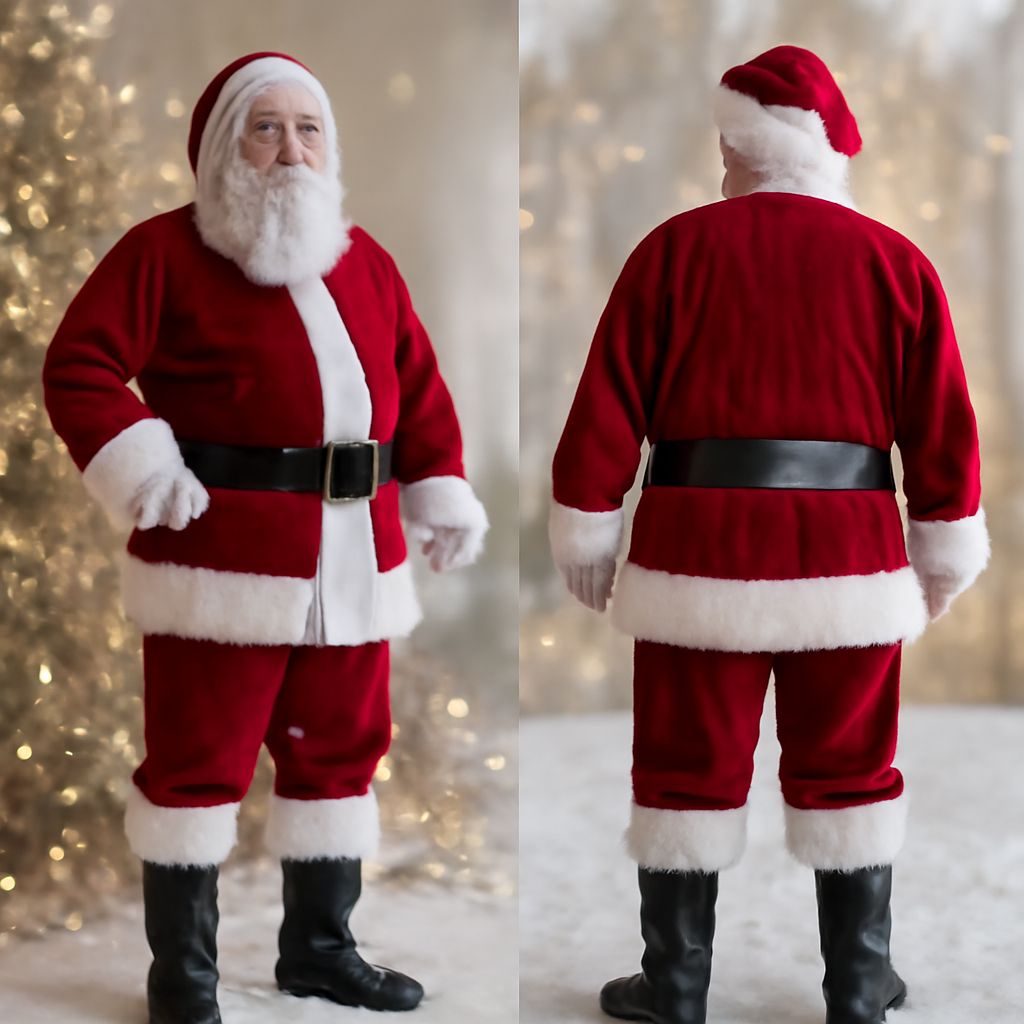
A full suit commonly includes a head, bodysuit, hand paws, feet, and tail. Depending on the design, padding can change the apparent shape of the legs or torso. A complete furry costume gives a consistent appearance from head to foot, but it also involves more material, fitting points, packing space, and cleaning than a smaller set.
A partial suit usually combines a head with some separate parts, often hand paws and a tail; feet or sleeves may be included. The precise contents vary by maker. A partial animal costume can be worn with a shirt and trousers, making it easier to change clothing around the character and remove individual pieces between appearances.
For example, an adult performer at a short indoor photo session might choose a full fox character costume with matching feet and body markings. Someone attending a longer convention might select a partial fox suit with a head, paws, tail, and breathable outfit. Neither format guarantees comfort: the head, visibility, ventilation, and individual fit still need attention.
Prepare a clear character reference
A reference sheet shows the character from the front and back, and often from the side. Mark the colors, pattern boundaries, eye shape, ear placement, paw details, and tail length. If a marking must continue across a seam or appear on both sides, show that explicitly. A maker can interpret an expressive drawing more reliably when the sheet also shows the character standing in a neutral pose.
A custom furry suit does not have to reproduce every line of an illustration. Dense markings may need to be simplified in fur, and a very long tail may need a different support for practical wear. Identify which features are essential and which can change. Where the character design belongs to someone else, obtain permission for its use and supply the maker with the relevant confirmation.
Some furries costume themselves as original animal characters; other performers use an existing design with permission. A good brief describes the intended visual result without assuming anything about the wearer’s identity. For a josou performance, clothing can be planned around the head and paws just as carefully as the character’s colors.
Materials, shape, and fitting
Makers may use faux fur over fabric, foam, or another structural base. Pile length is the length of the visible fibers: longer pile can soften a shape, while shorter pile can make markings and facial detail easier to read. Ask for material samples if available, because screen colors and texture photographs do not always match the physical fabric.
For a full animal-character outfit, ask how the body opens, where padding sits, and whether parts can be removed for cleaning. A zipper should be accessible to the wearer or a helper. Discuss lining, closures, and whether paws attach to sleeves or are separate. If making a simple tail at home, a sewn fabric tube with soft filling and a secure belt attachment provides a starting point; test the weight and clearance before an event.
A made-to-measure furry suit depends on the maker’s instructions. Provide height, chest, waist, hips, inseam, hand and foot measurements as requested, using a flexible tape. If the maker asks for a body template, follow their method and arrange assistance. Include the intended underlayer and any mobility needs in the discussion; a measurement alone cannot communicate how a garment should move.
Find makers and compare terms
For furry costumes for sale, distinguish a premade character outfit from a commission based on a supplied design. A ready-made animal-character suit can be inspected through photographs and measurements, but it may fit within a narrower range. A custom build offers design choices and requires a clear agreement about production and revisions.
Ritz Costumes on FursuitReview is a historical starting point: the profile includes a customer report dated 2021 about a partial character suit. Read the profile and inspect the maker’s portfolio before using the contact channel listed there. The old report does not establish current availability, pricing, or delivery dates; confirm those directly with the maker. Profile accessed November 19, 2026.
When comparing furry costumes for adults, request written details of what is included, the total price and currency, deposit, payment schedule, estimated timeline, shipping, and cancellation or repair terms. Ask whether the quote covers design changes, customs charges, and return shipping. A reference to a queue is useful only if the maker also explains how the order is confirmed and updated.
Test vision and movement
A fur-covered character costume may use mesh eyes or another concealed opening in its head for sight. Before a performance, check the view ahead and to both sides, then practice looking down at stairs and obstacles. The field of view is individual: a design that works for one wearer may not align with another person’s eyes. A trusted uncostumed helper can guide the wearer through crowded or unfamiliar spaces.
Try sitting, walking, turning, using a door handle, and removing the head and paws without delay. Plan regular breaks, water, and a place to cool down; stop and remove the costume if overheated or unwell. Store and clean each part according to the maker’s instructions, and let it dry before packing.
Before accepting a commission, compare the reference, measurements, visibility needs, and included parts with the written quote. A furry costume succeeds when its character remains recognizable and the wearer can see, move, and take breaks comfortably throughout the intended performance.