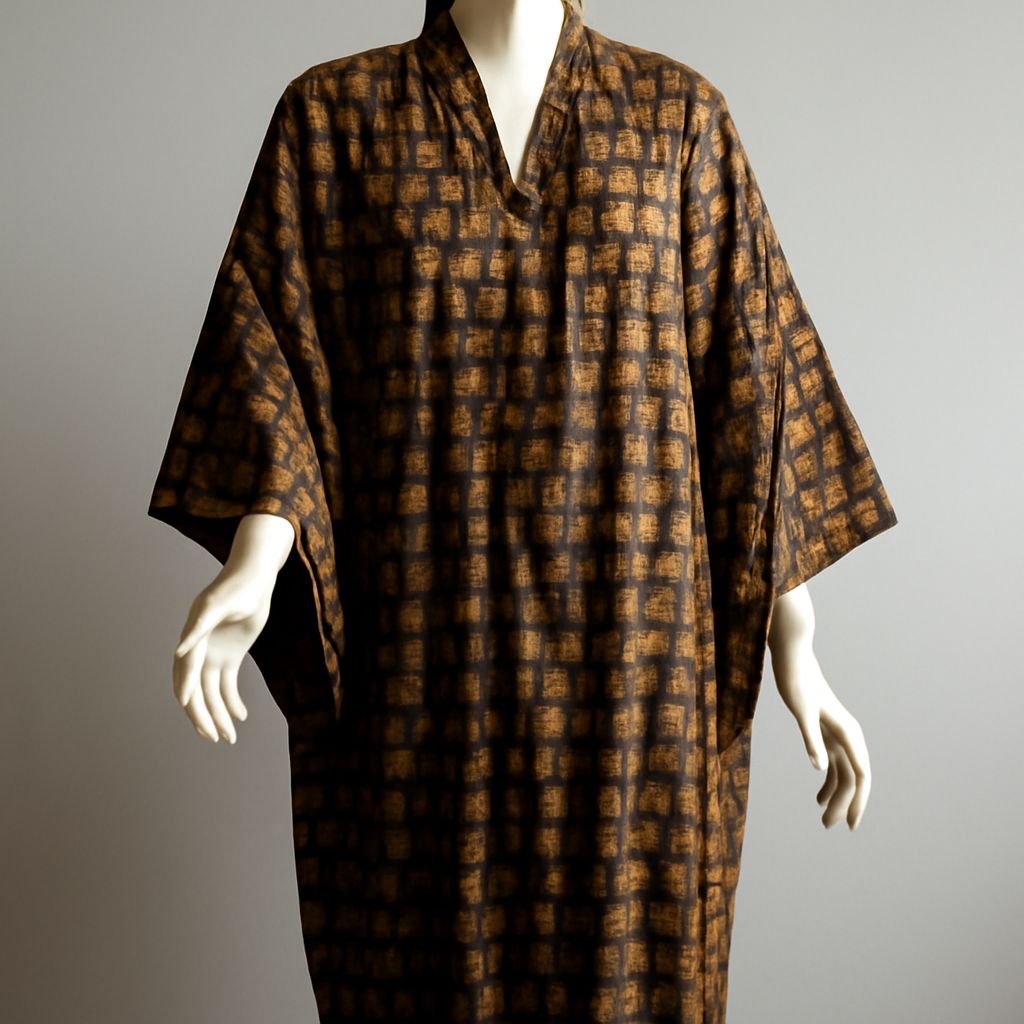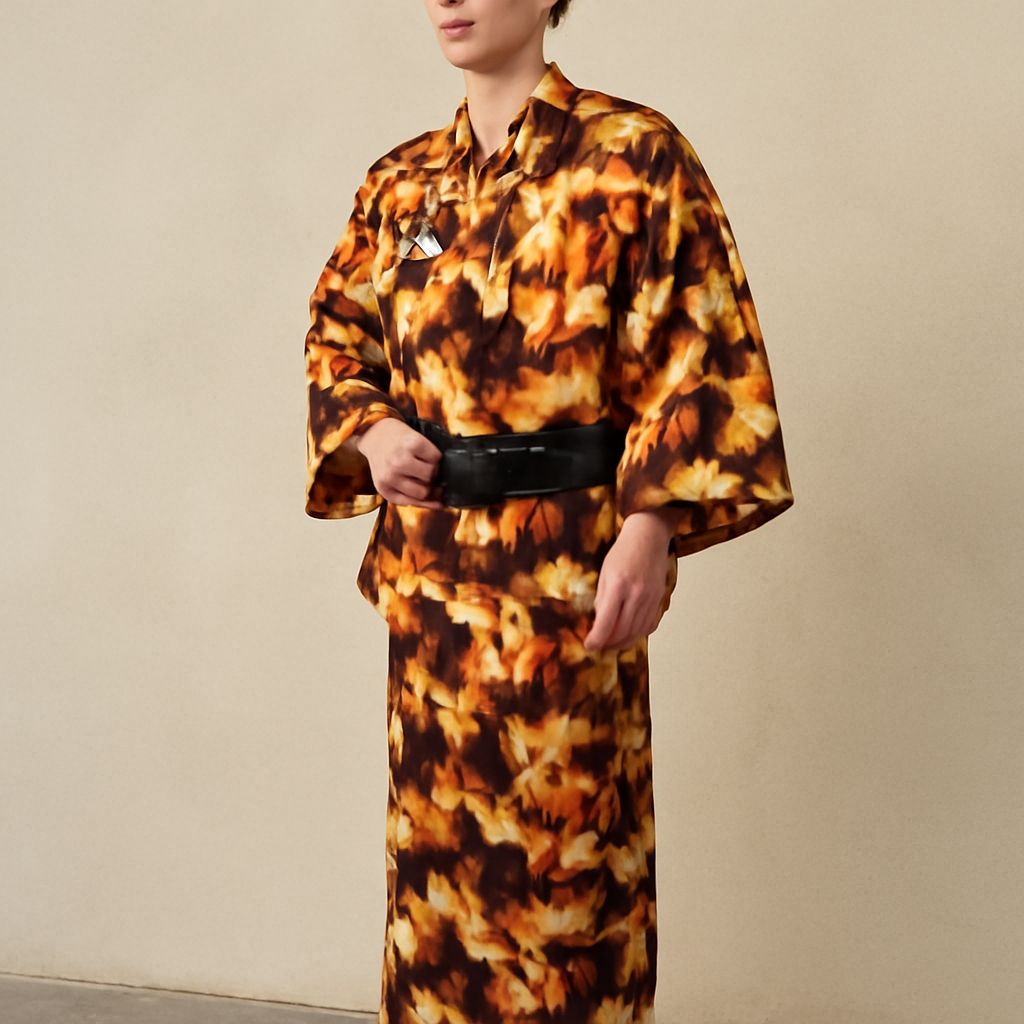
Androgynous clothes work best as a compact wardrobe built around shape, proportion, and styling rather than a men’s or women’s department. Choose pieces that layer easily, then shift the silhouette with fit, tucking, and accessories.
For readers seeking androgynous clothing for guys, the same capsule can look sharper with structured shoulders or softer with drape, open layers, and curved proportions.
Androgynous Clothes: Core Pieces by Shape and Function
Start with five useful functions: a close-fitting base, a relaxed shirt, a soft knit, a straight trouser, and a versatile jacket. Their value comes from compatibility, not from a label.
- Shirts: Choose cotton poplin, rayon, or linen shirts with a moderate collar and enough room to half-tuck or wear open.
- Knitwear: Use fine-gauge crewnecks for a clean line, or oversized cardigans to add softness without changing your base wardrobe.
- Base layers: Ribbed tanks, fitted tees, and long-sleeve tops control neckline and coverage under looser pieces.
Keep one or two pieces close to the body and let another layer provide volume. This creates contrast without requiring separate wardrobes for different presentations.
What Makes Androgynous Clothing Read Clearly
Androgynous clothing reads clearly when cut, proportion, and styling balance signals traditionally coded as masculine or feminine. It is not a single aesthetic and does not require hiding the body.
Try combining one sharper element with one softer element: a boxy overshirt over a slim knit, or a fluid shirt with substantial trousers and square-toe shoes.
An ordinary unisex basic becomes more androgynous through the full outfit. A plain tee may read conventional alone, but changes under a cropped jacket, wide-leg trousers, and a delicate chain.
Trousers, Proportions, and Cross-Department Measurements
Trousers establish the lower-body proportion, so start with straight-leg or wide-leg styles in denim, wool, or cotton twill.
When shopping across departments, ignore size labels and compare garment measurements to a favorite pair. Measure the waistband laid flat, then double it; record the rise, thigh, inseam, and hem opening.
- Waist: Match the actual circumference, allowing room for movement.
- Rise: A higher rise lengthens the leg line; a lower rise creates a longer torso.
- Inseam and hem: Compare both to control ankle exposure and overall width.
For tops, compare chest, shoulder, sleeve, and total length. A relaxed men’s shirt may have broad shoulders, while a differently labeled shirt may offer similar ease with a shorter length. Choose the larger measurement only where you need room: shoulders and hips affect comfort, while a narrower hem sharpens the look.
Androgynous Clothing for Guys: Outerwear, Shoes, Accessories, and Outfit Formulas
For androgynous outfits, outerwear supplies the strongest shape cue. Try a cropped bomber or chore jacket for a sharper outline, or a long coat and oversized scarf for a softer vertical line.
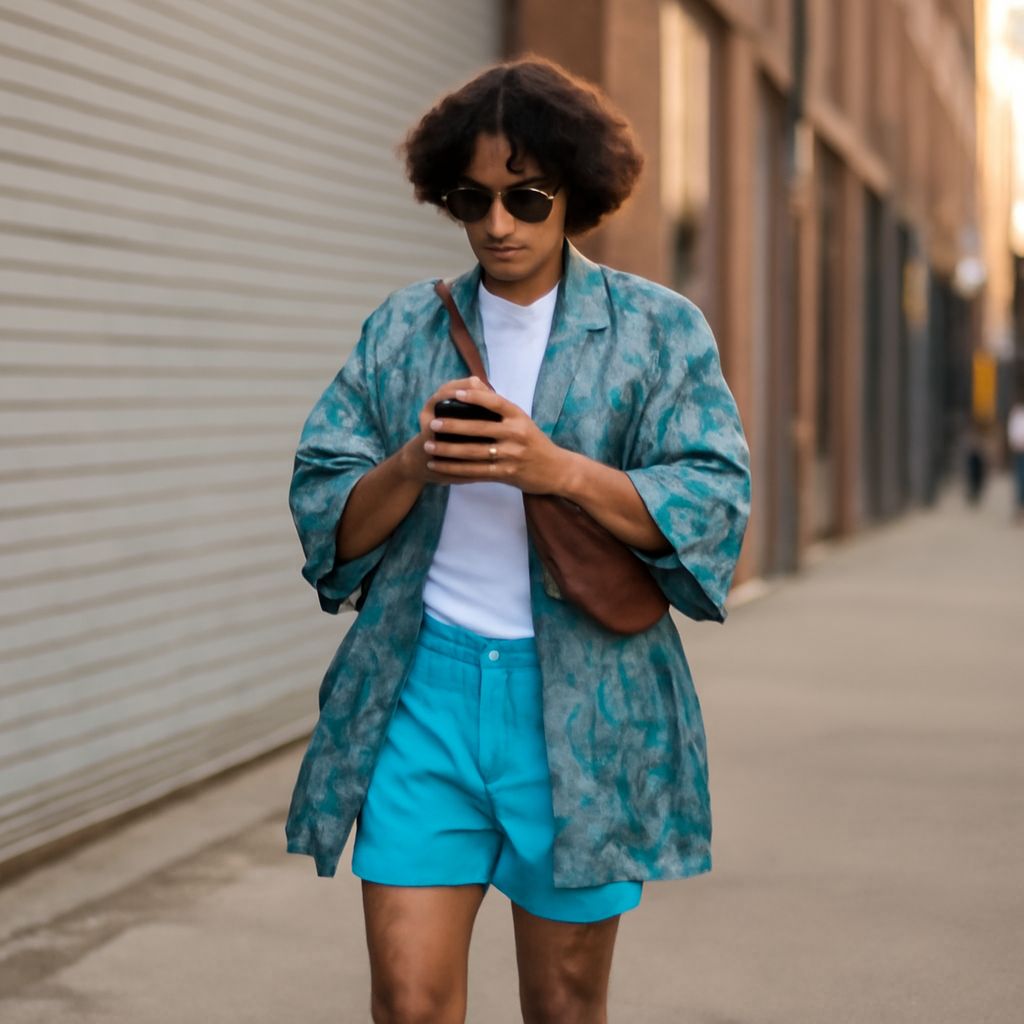
Shoes and accessories finish the balance: chunky loafers, clean sneakers, or ankle boots ground wide trousers, while a crossbody bag, belt, rings, or a small earring can shift the presentation.
- Sharp: Fitted knit, pleated straight trousers, cropped jacket, loafers, and a slim belt.
- Soft: Fluid button-up, wide-leg trousers, long cardigan, sneakers, and a crossbody bag.
- Balanced: Plain tee, open overshirt, straight jeans, ankle boots, and simple rings.
- Layered: Ribbed tank, oversized shirt, long coat, relaxed trousers, and a scarf; tuck or untuck the shirt to change the proportions.