A Japanese maiko is an apprentice arts professional who trains within a geisha community, especially in Kyoto. She studies traditional dance, music, etiquette and hospitality while appearing at scheduled cultural engagements.
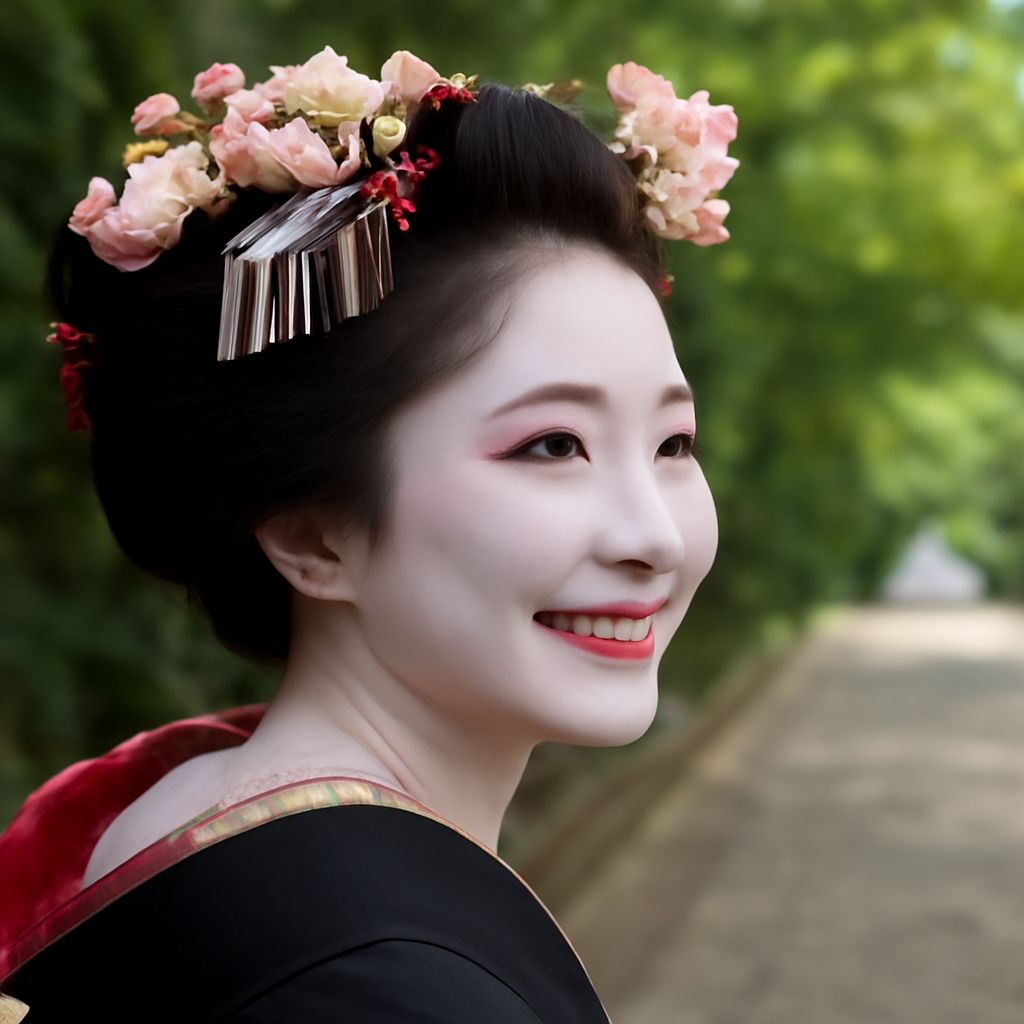
Her hairstyle, maiko makeup, kimono and accessories communicate both profession and training stage. These details are not simply a costume. Together, they show where an apprentice stands on the path toward becoming a geisha.
What a Japanese Maiko Is
Maiko are apprentices in particular regional geisha communities, not a universal stage found throughout Japan. In Kyoto, the professional term for an established geisha is often geiko, while maiko generally refer to younger trainees. Other cities may use different names, customs or training systems, and some do not have maiko at all.
A maiko works under the guidance of a traditional household and attends lessons alongside her professional commitments. Her role combines disciplined arts training with hosting guests through conversation, performances and formal entertainment.
Arts Training and Daily Work
Training commonly includes Japanese dance, shamisen music, singing, tea etiquette, seasonal customs and the speech patterns expected in a particular district. Lessons can occupy much of the day, followed by evening engagements at restaurants or private gatherings.
At an engagement, a maiko may perform a dance, play music, pour drinks, lead games or maintain conversation. Hospitality is part of the work, but the profession is grounded in the presentation of traditional arts and refined social skills.
How Maiko Makeup and Dress Signal Training
Makeup Changes by Stage
Early-stage maiko typically wear striking white oshiroi foundation, defined black features and strong red around the eyes and lips. A new apprentice may leave part of the lower lip unpainted, creating a visible sign of inexperience. As training progresses, lip painting and eye accents generally become fuller or more restrained according to local custom and the wearer’s stage.
Established geisha usually use less white makeup and may present a more natural face, especially away from formal performances. A studio makeover can imitate these elements, but it is not professional training.
Hairstyle, Kanzashi and Collar
Maiko traditionally wear their own hair in elaborate styles rather than relying on a wig. Junior styles such as wareshinobu differ from senior styles such as ofuku. Seasonal kanzashi hair ornaments add another cue, with flowers and designs changing through the year.
The visible collar, or haneri, also matters. Maiko often wear a richly embroidered red collar, while the white collar associated with geisha signals a more advanced professional presentation.
Sleeves, Obi and Seasonal Cues
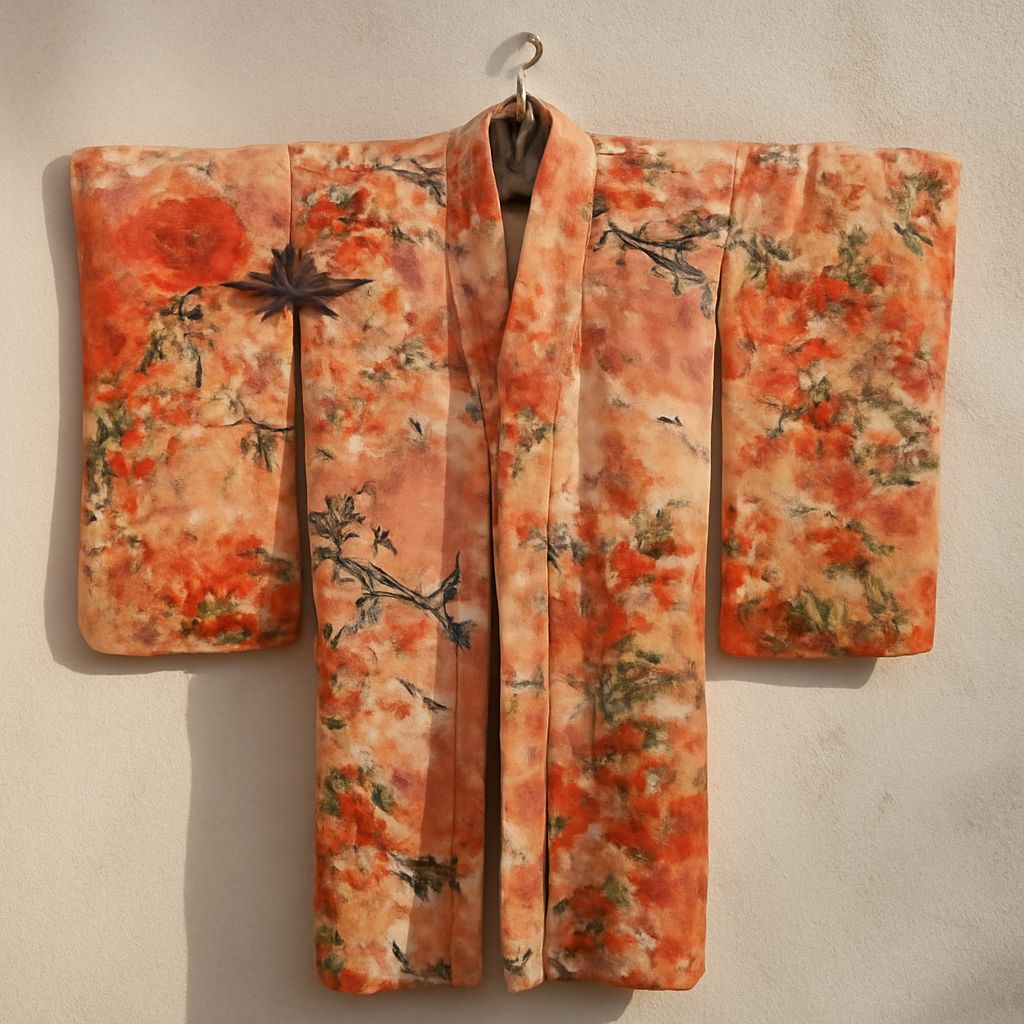
Long furisode sleeves distinguish maiko from geisha, whose sleeves are shorter. Maiko also wear a long, trailing darari obi, while geisha more commonly use a compact taiko knot. Fabric, colors, footwear and accessories change with seasons and local conventions.
From Maiko to Geisha: Changing Makeup and Dress
The transition is a shift from apprentice presentation to established professional identity. Hair is often arranged as a wig, makeup becomes less elaborate, sleeves shorten and the obi knot becomes more compact. Public markers of youth gradually give way to understated polish.
The timing and ceremonies vary by community. Not every trainee follows an identical sequence, and local practice determines how makeup, hairstyles and clothing change. The visual progression therefore offers useful clues, not a rigid national uniform.
Modern-Day Geisha in Japan
A modern day geisha continues to perform traditional dance, music and other arts while hosting formal engagements. In Kyoto, Tokyo and other active communities, professionals may appear at private banquets, seasonal celebrations, theaters, public cultural programs and selected educational events.
The work is neither frozen in one historical format nor reduced to appearance. Communities manage bookings, training and public access in different ways, while professionals preserve core artistic practices. Their changing schedules and presentation reflect contemporary Japan without removing the discipline behind the role.