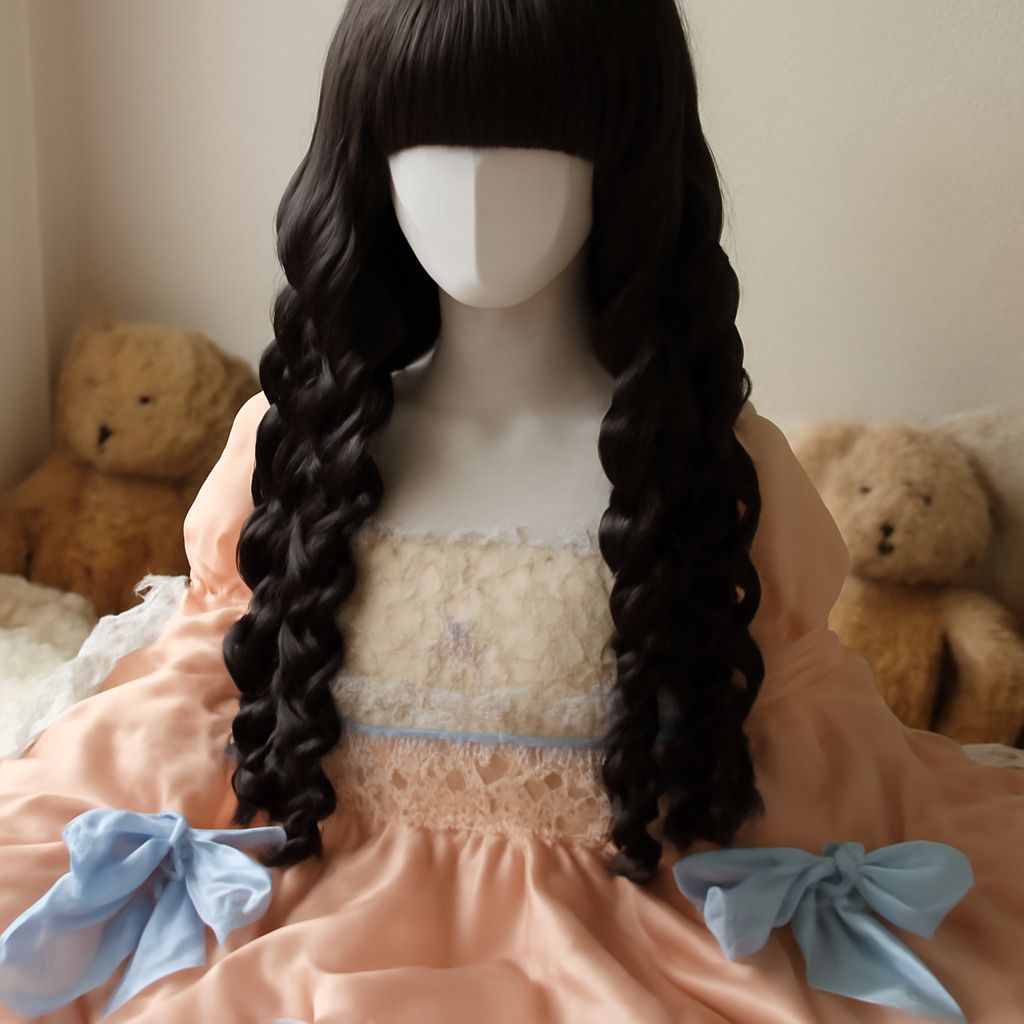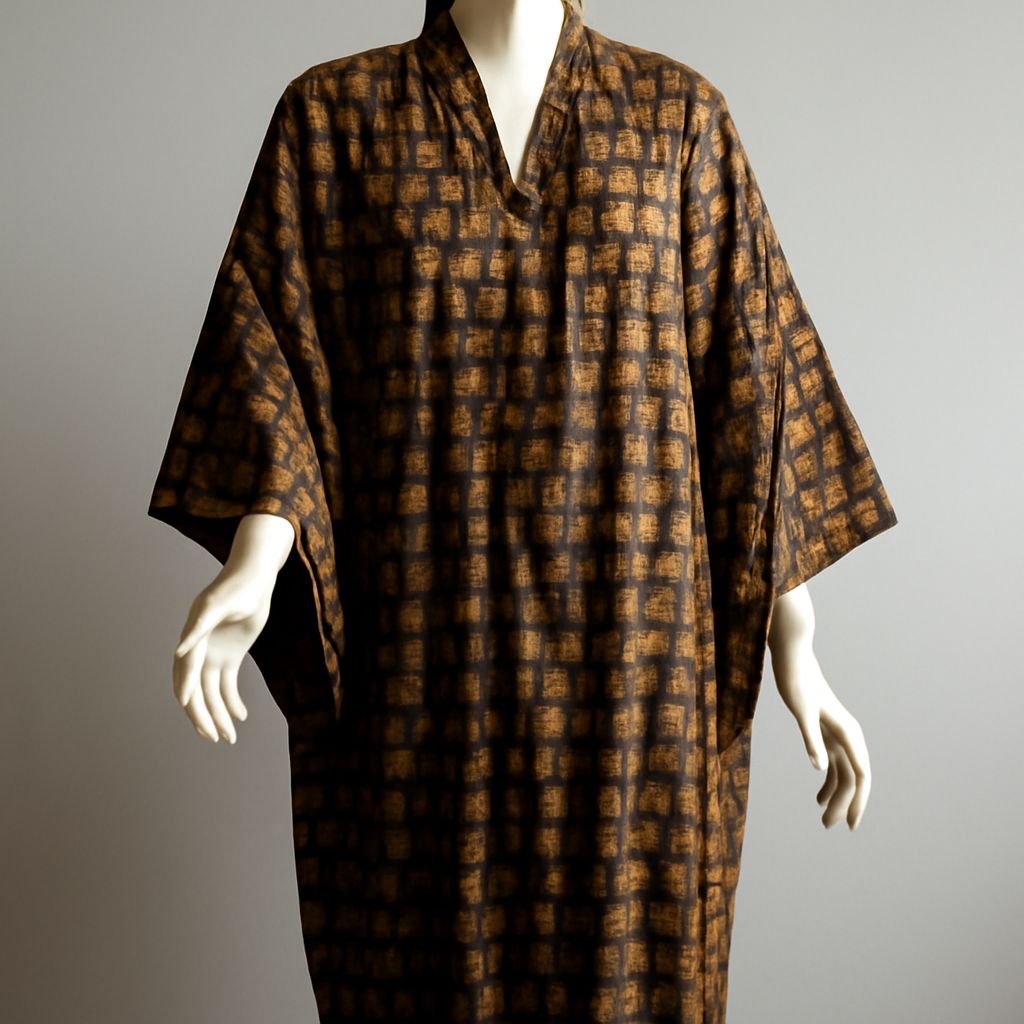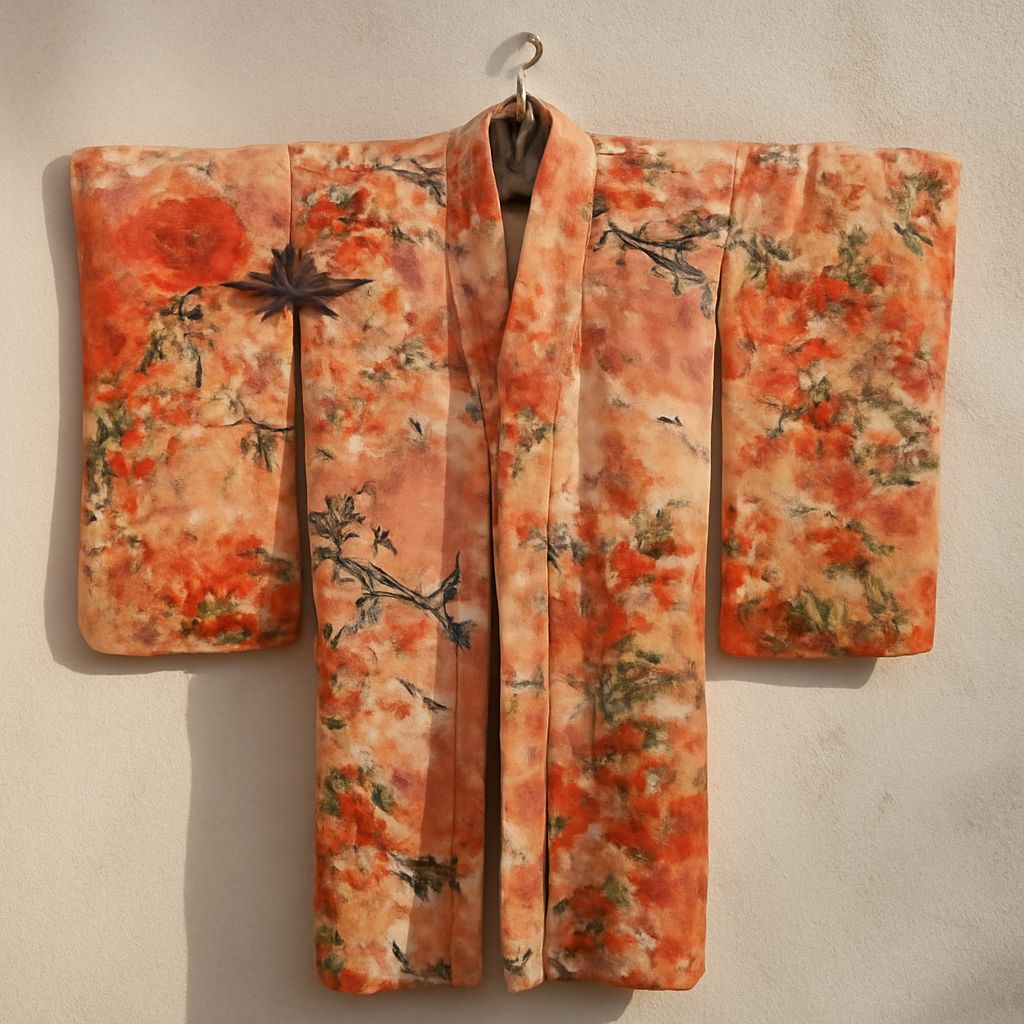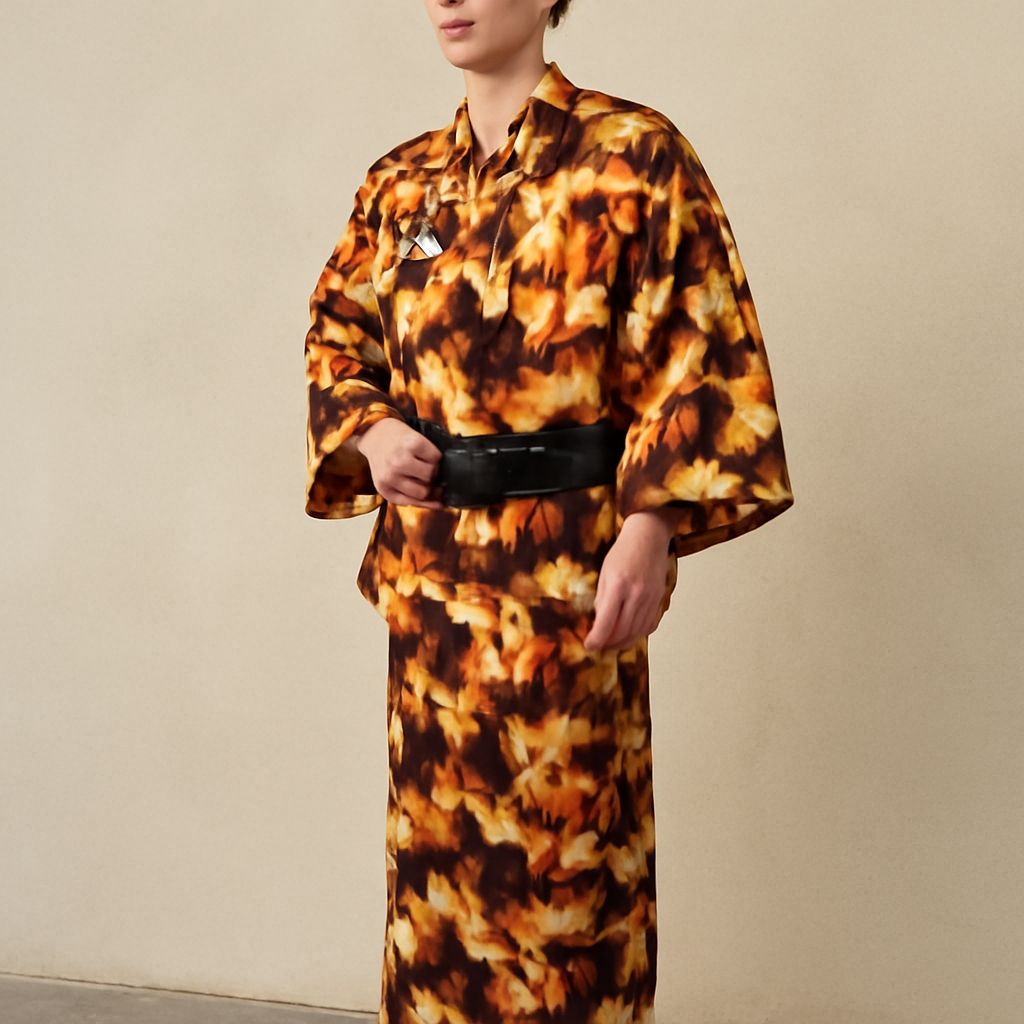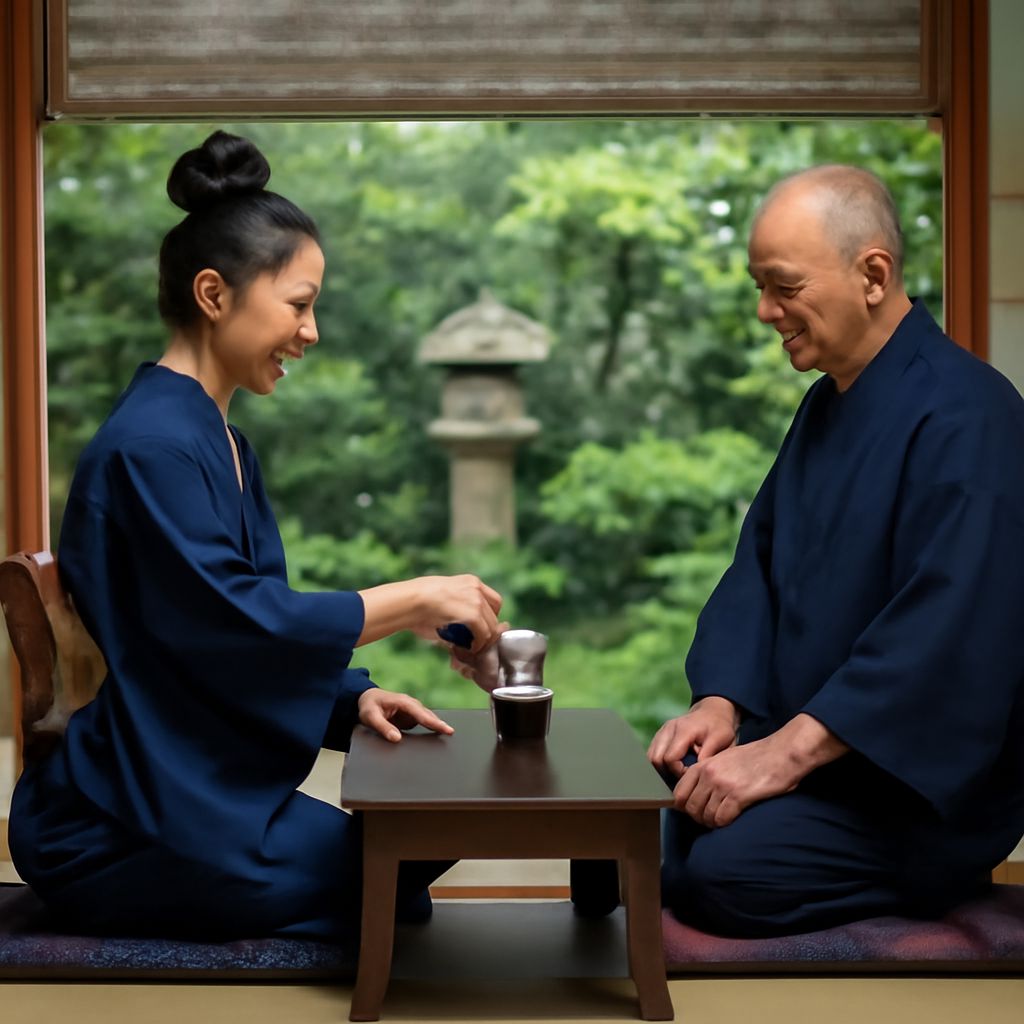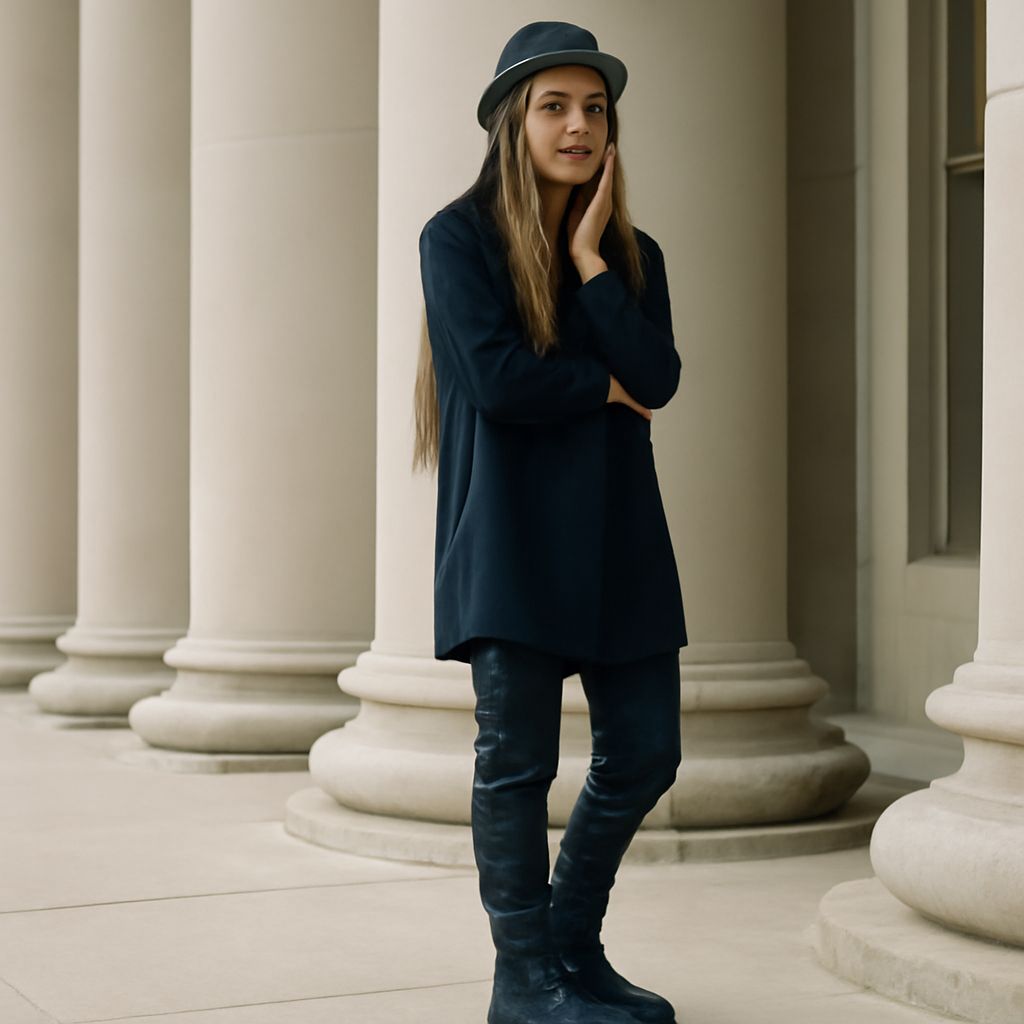
To explore how to be androgynous through appearance, build around visual choices rather than a prescribed wardrobe. Start with silhouette, then adjust contrast, texture, grooming and accessories until the result feels intentional and comfortable.
Learning how to look androgynous can mean balancing features you want to emphasize with others you want to soften. The method works across body types, personal styles and levels of formality.
Choose the Visual Balance You Want: How to Be Androgynous
Identify the features the outfit emphasizes
Stand in front of a full-length mirror and notice the first shapes you see. A fitted top emphasizes the torso; wide trousers emphasize leg volume; a cropped jacket draws attention to the waist and upper body. Also note visual signals such as sharp shoulders, exposed skin, long vertical lines or flowing fabric.
Decide what to soften, sharpen or balance
Choose one or two features to highlight and decide which areas should recede. Soften a strong line with fluid fabric or an open layer. Sharpen a loose outfit with a structured jacket, pointed collar or firm shoe. Balance a cropped top with a longer outer layer, or pair oversized trousers with a closer-fitting top.
Start with your proportions, not a fixed garment list
There is no required item or body type. Try a simple proportion goal, such as equal visual weight above and below the waist, or a long line interrupted by one cropped piece.
Build a Neutral Base: How to Dress Androgynous
See how straight lines, fluid layers, cropped and oversized pieces change proportion
Straight lines create a clean, elongated effect through relaxed shirts, pleated trousers or a boxy coat. Fluid layers add movement and reduce hard edges. Cropped pieces shorten the upper body and bring attention to the waist, while oversized pieces add volume and can obscure the body’s outline. Combine opposing effects deliberately rather than sizing every item the same way.
Create a comfortable base with adaptable tops and bottoms
Begin with one uncomplicated top and bottom in compatible neutrals: for example, a straight overshirt with relaxed trousers, or a fine knit with wide-leg jeans. Check that you can sit, walk and raise your arms comfortably. If the base feels shapeless, add structure through a collar, tuck or firm waistband; if it feels too rigid, introduce a softer layer.
Adjust Shape With Layers and Texture: How to Look Androgynous
Use contrast, texture and emphasis to refine the silhouette
Use light-dark contrast to direct attention, and use texture to make a simple outline more interesting. Denim, wool, cotton poplin, leather and mesh each change how an outfit reads. A tonal outfit often looks quieter and more blended; a contrasting jacket or shoe creates a sharper focal point. Keep one dominant texture and let the others support it.
Build casual, professional and evening outfit formulas
- Casual: Pair a boxy shirt, straight jeans, a fluid cardigan and low-profile sneakers. Roll one sleeve or show a narrow ankle to prevent excess fabric from overwhelming the frame.
- Professional: Try a crisp shirt, pleated trousers and a cropped or straight blazer. Keep the palette restrained, then add interest with texture or a geometric watch.
- Evening: Combine a fluid top, tailored trousers and a structured jacket. Sleek boots, subtle shine or one sculptural accessory can sharpen the look without making it visually busy.
Finish With Hair, Shoes, Accessories and a Coherence Check
Choose hair, footwear and accessories as adjustable styling details
Hair can echo the outfit’s direction: a precise cut reinforces clean lines, while loose texture softens them. Choose shoes by shape and proportion, not by gendered rules. Boots, loafers, sneakers or slim flats can lengthen, ground or balance the silhouette. Keep accessories intentional; one belt, chain, bag or pair of earrings may be enough.
Use a full-length mirror to check fit, movement and visual coherence
Review the outfit from the front, side and back. Check that layers sit smoothly, hems support the intended proportion and nothing restricts movement. Ask whether your eye travels evenly or stops at an unwanted detail. If one feature dominates, soften it with volume, texture or a calmer color; if the outfit feels vague, sharpen one line or accessory. Keep the final version when it feels balanced, functional and recognizably yours.