Androgynous male fashion is a visual design language built through proportion, drape and contrast. It is not a fixed uniform or evidence of the wearer’s gender identity.
Start by deciding where you want volume: at the shoulders, through the torso or around the legs. Then balance that choice with a contrasting fit, such as a fitted top with androgynous pants or a fluid shirt with straighter trousers.
How androgynous male fashion balances silhouette
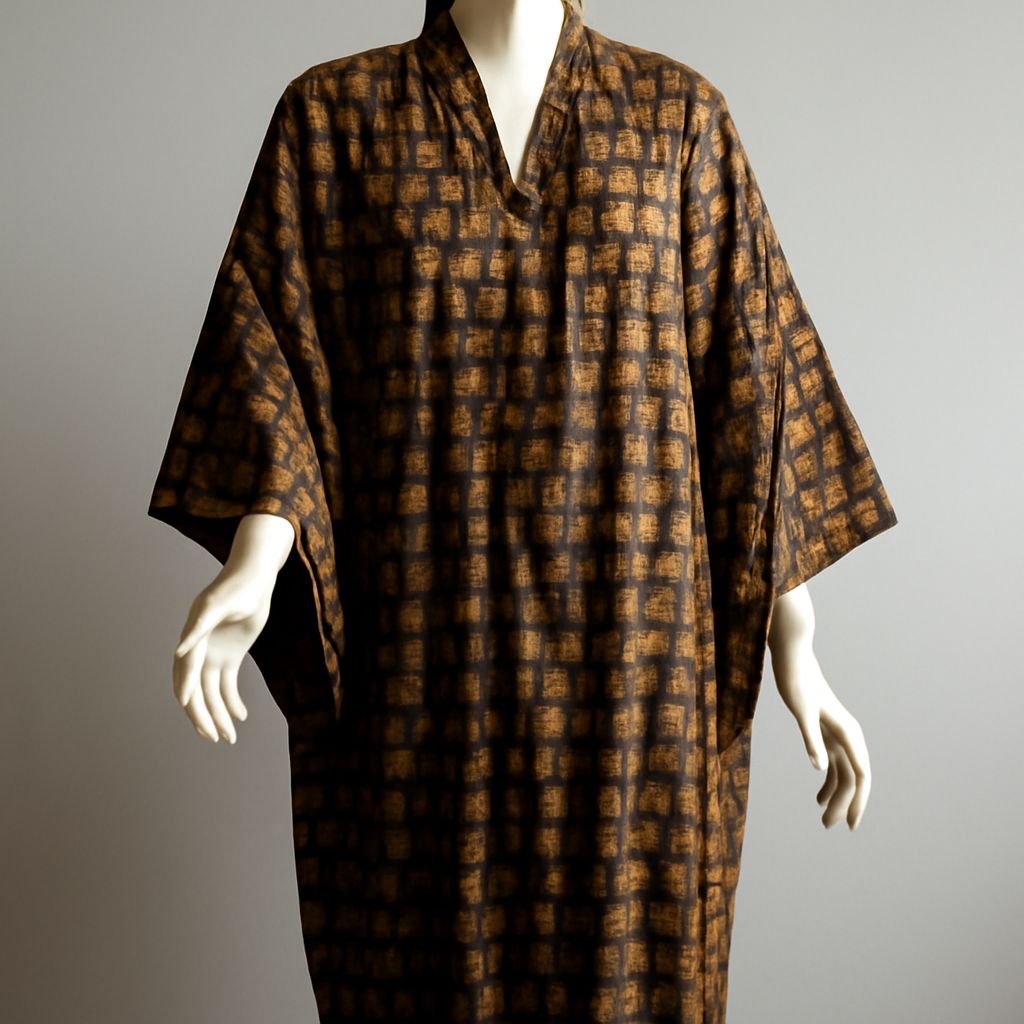
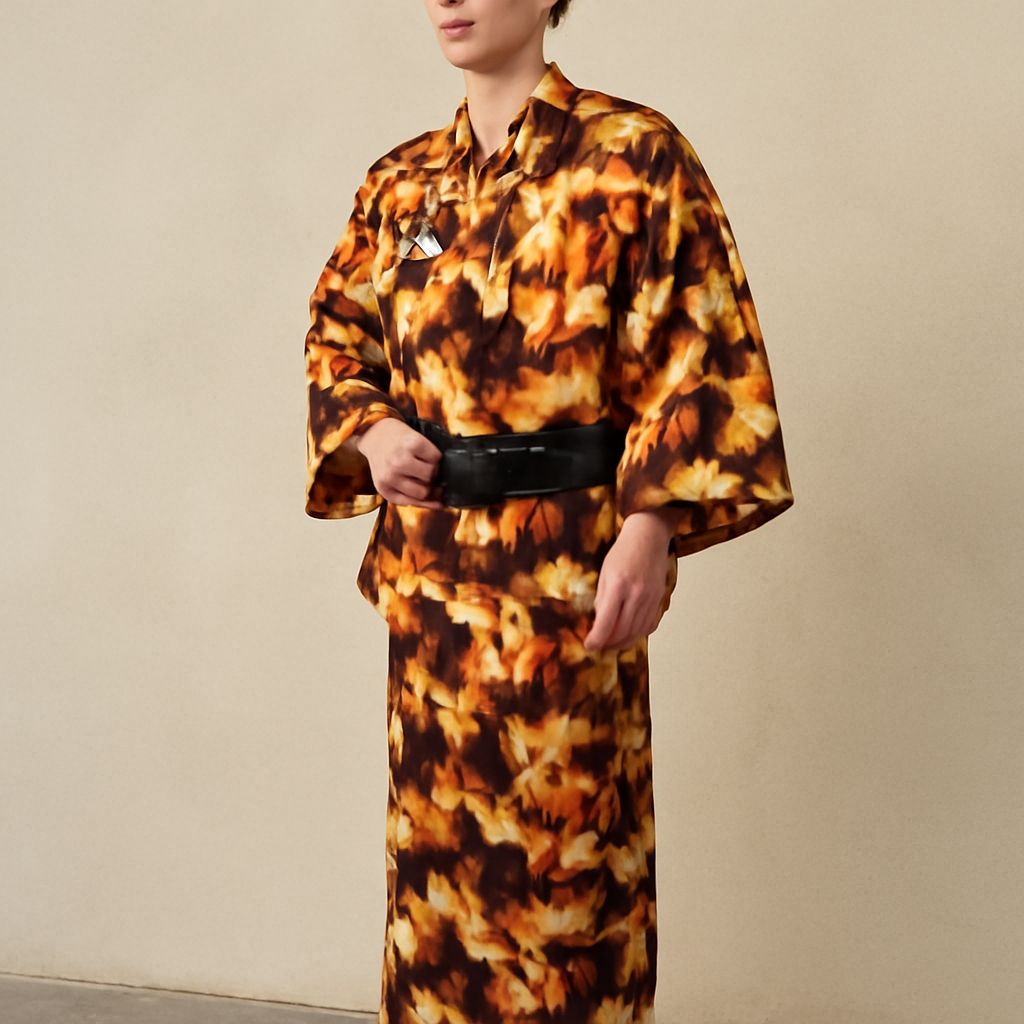
Fitted pieces define the body and create sharper contrast, especially under a roomy jacket. Straight pieces skim without emphasizing the waist, making them the most adaptable starting point. Wide pieces add movement and visual weight, while fluid garments soften the outline through drape.
Fitted, straight, wide and fluid proportions
For a balanced outfit, pair one dominant shape with a quieter one. Try a close-fitting knit with wide trousers, a boxy shirt with straight-leg pants, or a long fluid coat over a narrow base layer. Matching oversized pieces can work, but keep the fabric light enough to avoid a shapeless result. Cropped tops and jackets also make high-rise pants look intentional rather than overwhelming.
How androgynous mens fashion uses pants cuts
Pants often establish the outfit’s main proportion. Compare the rise, hip room, leg width and hem before choosing a size. Gendered labels vary between brands, so actual measurements are more reliable.
Straight-leg, pleated, wide-leg and tapered pants
- Straight-leg: a clean, neutral line that suits casual outfits, boots and cropped jackets.
- Pleated: extra room at the waist and hips creates structure and a slightly formal, vintage-inspired shape.
- Wide-leg: the strongest choice for movement and contrast; balance it with a shorter or fitted top.
- Tapered: narrows toward the ankle, keeping volume around the upper leg while working well with loafers or sneakers.
Choose androgynous pants by measurements
Measure your natural waist, fullest hip, preferred rise and inseam. Compare those numbers with the garment’s size chart, not just the stated category. For a relaxed look, allow comfortable hip ease and enough room to sit without pulling. Check that the waistband stays secure without a belt, then choose the hem based on footwear: a slight break feels classic, while a cropped hem exposes more of the shoe.
Tops, jackets and layers for contrast
Use tops to control the relationship between your shoulders and legs. A fitted ribbed tank or fine-gauge knit offsets pleated or wide pants. An oversized button-up, camp shirt or soft sweater works with straighter trousers. For outerwear, cropped bomber jackets and chore coats emphasize the waistline; long blazers, trench coats and car coats extend the body and create a fluid vertical line. Keep one layer crisp and another relaxed to make the contrast visible.
Shoes, finishing details and outfit formulas
Shoes can reinforce or counter the silhouette. Slim sneakers and loafers sharpen wide trousers, while chunky derbies and boots support heavier fabrics. A narrow belt, simple watch, small earrings, structured bag or restrained jewelry can add definition without making the outfit feel over-styled.
Casual: fluid top and straight-leg pants
Wear a fluid rayon button-up over a fitted tank, straight-leg cotton pants and low-profile sneakers. Leave the shirt open or tuck only the front to show the waist and preserve movement.
Workwear: cropped jacket and pleated pants
Combine a cropped chore jacket, fine knit top, high-rise pleated trousers and leather loafers. Choose a jacket ending near the waistband so the pleats remain visible.
Dressier: long layer and wide-leg pants
Layer a long blazer or lightweight coat over a tucked mock-neck top, wide-leg trousers and pointed ankle boots. Keep the palette close in tone, then add one polished accessory for controlled contrast.