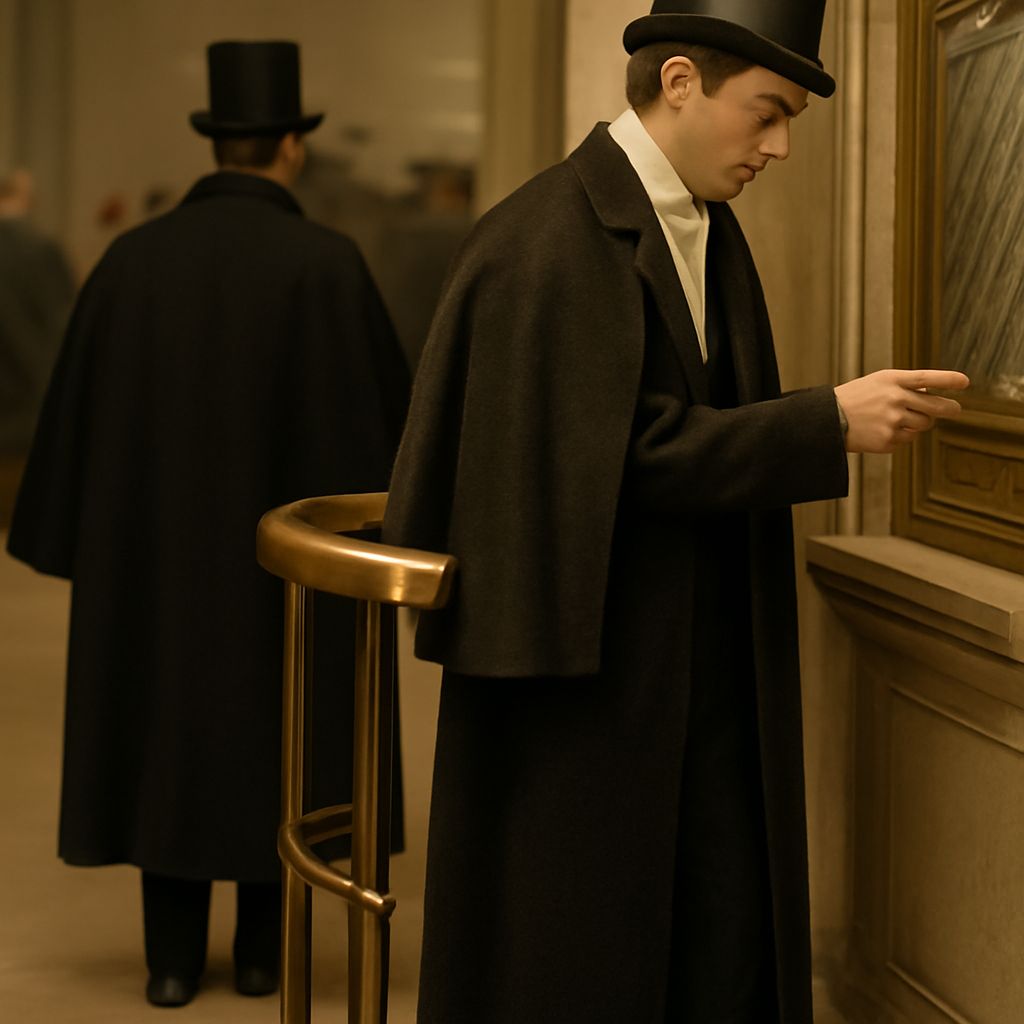
Victorian men’s fashion is renowned for its formality, rich layering, and attention to detail, shaping dress codes that still inspire modern style. Victorian menswear evolved through a period of social change and industrial advancement, producing signature silhouettes and a culture of impeccable grooming. Understanding the main styles, fabric choices, and accessories of this era offers a practical guide for reenactors, vintage enthusiasts, and anyone appreciating timeless menswear elegance.
Signature Styles in Victorian Men’s Fashion
The Victorian era, spanning from 1837 to 1901, saw dramatic shifts in men’s fashion. Early in the period, the tailcoat dominated formal occasions. These jackets had cutaway fronts and long tails in the back, typically paired with high-waisted trousers and a crisp, starched shirt. By the mid-1800s, the frock coat rose in popularity for daywear—a knee-length, fitted jacket with a full skirt, often worn over a waistcoat.
Sack suits emerged toward the end of the era, reflecting a slightly looser, more practical silhouette. These jackets were less structured than the frock coat and became precursors to the modern lounge suit. Waistcoats remained essential throughout, offering contrast and color beneath dark outer layers. The cut and decoration of a waistcoat reflected a gentleman’s taste and social standing.
Shirts featured high, stiff collars, often detachable for laundering. Trousers evolved from the tight pantaloons of the Regency period to straighter, more comfortable lines. Accessories like cravats and neckties changed shape and style over the decades, from elaborate knots early in the era to the more familiar four-in-hand tie by the 1890s.
Even in casual settings, Victorian menswear favored tailored, coordinated outfits. Country pursuits like riding or walking called for tweed jackets, sturdy boots, and flat caps. This attention to dress detail signaled respectability and adherence to social norms.
Fabrics and Materials Used in Victorian Menswear
Wool was the foundation of most Victorian men’s garments, used for everything from frock coats to everyday trousers. Its durability and warmth suited England’s climate. For formal occasions, superfine wool, broadcloth, or barathea offered a smooth, elegant drape. Summer suits and lighter daywear often employed linen or cotton, prized for their breathability.
Waistcoats allowed for more sartorial expression and frequently used fancy fabrics. Silk brocade, velvet, and patterned cottons appeared in vivid colors and designs, peeking out beneath sober coats. For evening dress, black silk or satin waistcoats were popular, often embellished with embroidery or subtle patterns.
Shirts were typically made of sturdy cotton or linen. Fine gentlemen might also have shirts trimmed in lace or subtle embroidery, but plain fabrics dominated. Outerwear, including overcoats and capes, most commonly used heavy wools like Melton or tweed for warmth and weather resistance.
Accessories and finishing details—such as gloves, ties, and hatbands—often featured silk or kid leather. These materials added visual interest and tactile luxury to otherwise practical outfits.
Essential Accessories and Finishing Touches
No Victorian men’s fashion ensemble was complete without carefully chosen accessories. The top hat became an icon of formality, particularly during the early and mid-Victorian periods. For less formal settings, men wore bowlers, wide-brimmed felt hats, or straw boaters in summer.
Pocket watches with decorative chains and fobs were essential, often tucked into a waistcoat pocket. Fine gloves, typically of kid leather or cotton, were worn outdoors and sometimes even indoors. Canes or walking sticks were common for both function and style, with handles made of engraved silver, gold, or exotic woods.
Neckwear evolved throughout the era. Early Victorians tied elaborate cravats, secured with jeweled pins or stickpins. By the late 1800s, patterned silk neckties and ascots gained favor, providing pops of color. Cufflinks, tie pins, and collar studs were also staples in a well-dressed man’s wardrobe.
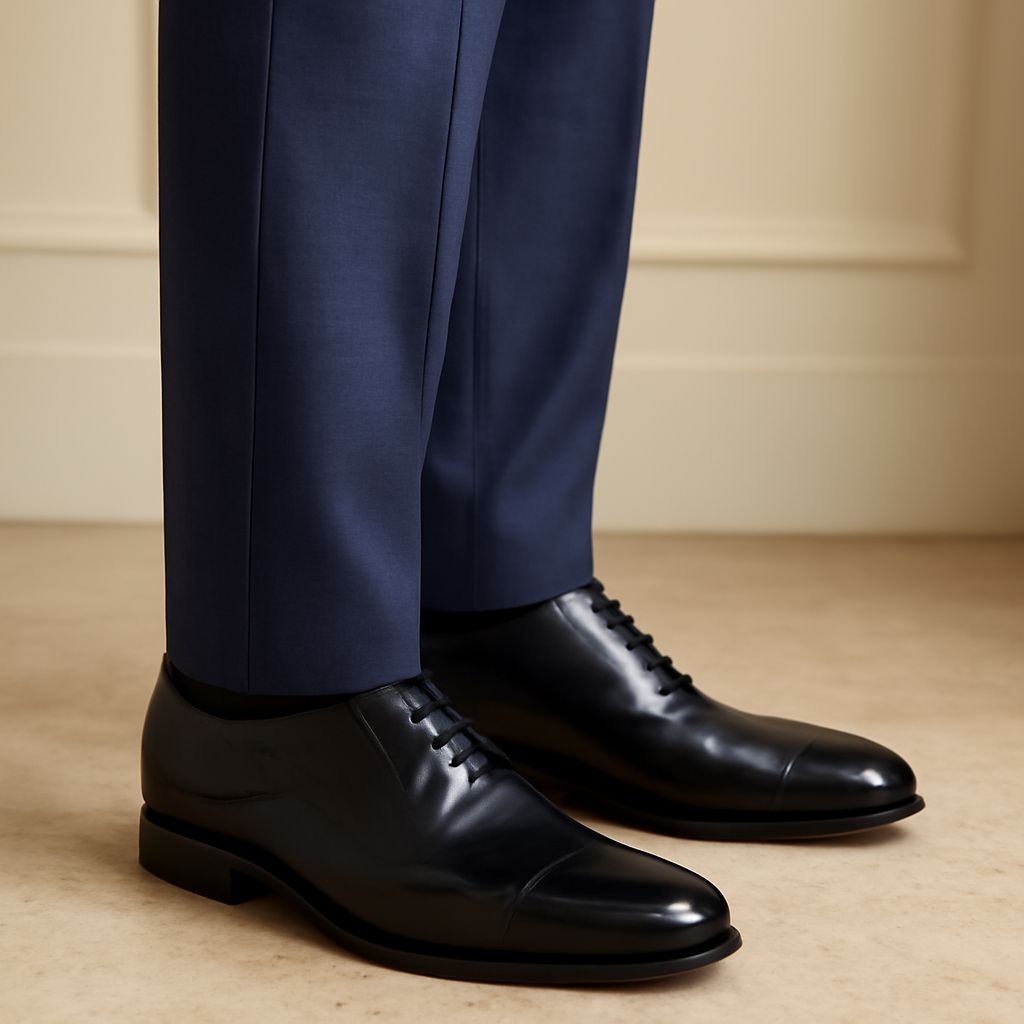
Shoes were typically made of polished black leather. Popular styles included the Oxford, with closed lacing, and boots such as the Balmoral or Chelsea. These were often worn with spats—fabric or leather coverings to protect shoes and ankles from dirt.
Victorian Influence on Modern Menswear
Many elements of Victorian menswear remain visible in today’s classic menswear. The structured suit, with matching jacket and trousers, traces its lineage to Victorian sack suits. The tradition of layering with a waistcoat for formal events or business dress also derives from this era.
Details like the crisp white shirt, tailored trousers, and use of neckties or bow ties reflect enduring Victorian standards. Accessories such as cufflinks, pocket squares, and even the occasional pocket watch echo the period’s taste for refinement and individual expression.
Modern designers often reference Victorian tailoring in contemporary collections, especially in formalwear. Brands like Brooks Brothers, Turnbull & Asser, and bespoke Savile Row tailors maintain techniques rooted in 19th-century craft. The enduring appeal of Victorian style lies in its balance of structure, detail, and elegance—a legacy still shaping how men dress for special occasions and everyday sophistication.