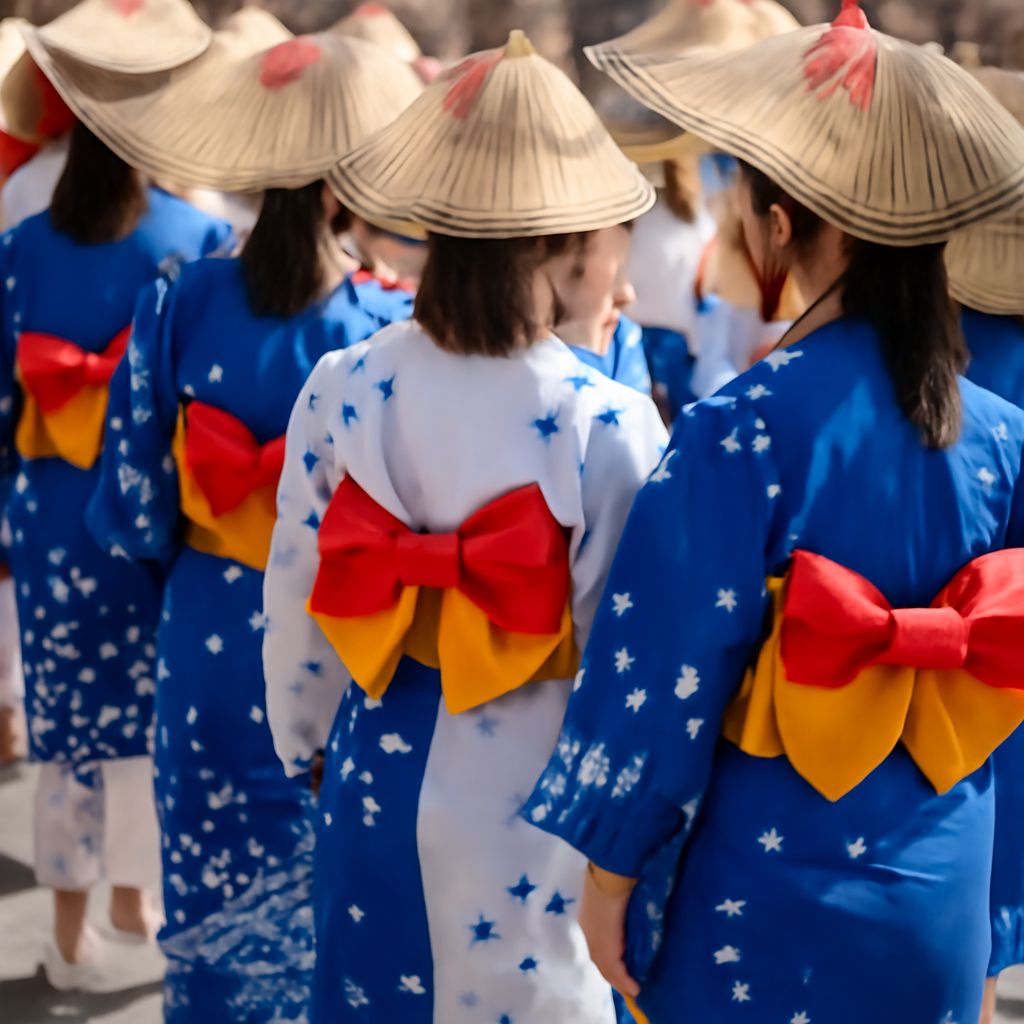
Clergy robes and pastor clothing hold a distinctive place in Japanese religious practices. These garments not only reflect the spiritual role of clergy members but also convey cultural heritage and identity. In Japan, the attire worn by religious leaders serves as a symbol of their commitment to their faith and community.
Historical Significance
The history of clergy robes in Japan is deeply intertwined with the country’s religious evolution. Buddhist monks, Shinto priests, and Christian pastors each have distinct attire that reflects their specific religious traditions. During the Edo period, Buddhist robes became more elaborate, symbolizing the monk’s status and devotion. Shinto priests, meanwhile, wore simple garments representing purity and connection to the divine. Christian clergy robes were introduced later, adapting Western styles to fit Japanese contexts.
Types of Clergy Robes
Japanese clergy robes vary significantly across different religious practices and denominations. Buddhist monks typically wear robes known as kesa, which are characterized by their intricate patterns and colors. Shinto priests often don the sokutai, a traditional garment that includes layers of white silk and a pointed hat known as a kanmuri. Christian pastors in Japan may wear cassocks similar to Western styles but often incorporate elements that reflect local culture. These variations highlight the diverse ways in which religious attire can communicate spiritual messages.
Cultural Symbolism
Clergy robes in Japan are not only functional but also carry deep symbolic meanings. The colors, designs, and materials used in these garments are carefully chosen to reflect the beliefs and traditions of each faith. For instance, the intricate patterns on Buddhist robes symbolize the teachings and virtues of Buddhism, while the white garments of Shinto priests signify purity and spiritual cleanliness. Christian pastor clothing may include symbols like the cross or dove, representing peace and salvation, but modified to resonate with Japanese aesthetics.
Modern Adaptations
In contemporary Japan, clergy robes have undergone adaptations to accommodate modern sensibilities and practical needs. While traditional elements remain, some religious leaders opt for simpler designs or materials that offer greater comfort and accessibility. Additionally, interfaith dialogues have inspired cross-cultural influences, leading to the incorporation of elements from other religious traditions. Despite these changes, the core significance of clergy robes as a representation of religious dedication and identity remains steadfast.