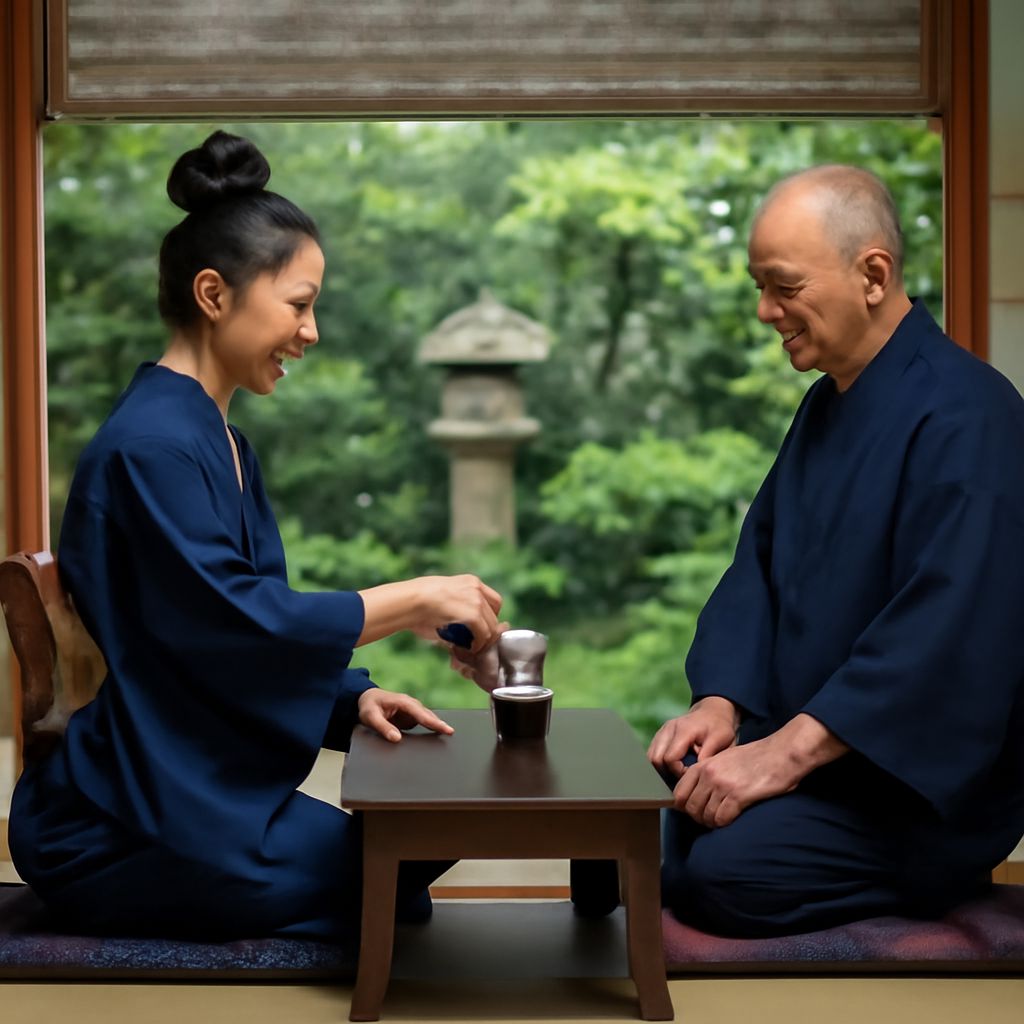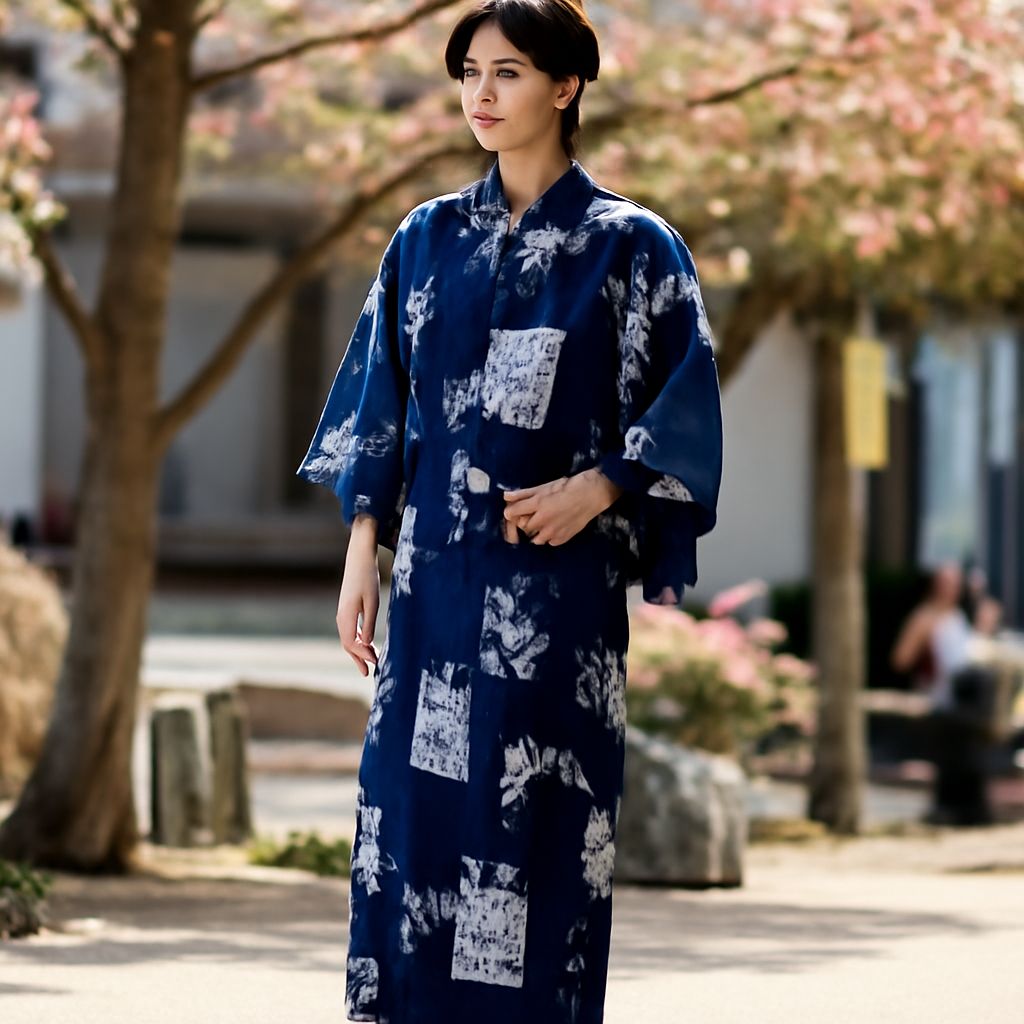
Men’s kimonos in feudal Japan were layered garments, not a single samurai uniform. A man’s clothing changed with century, rank, work, ceremony, and whether he was on foot or in armor. The most useful starting point is the kosode: a robe-like garment worn with an obi and often paired with hakama.
That distinction matters when reading descriptions of Feudal Japan clothing or shopping for a modern samurai kimono. Some products combine a kimono-style robe, hakama trousers, armor details, and theatrical accessories that did not form one historical outfit.
Men’s Kimonos in Feudal Japan: What Counts as a Kimono?
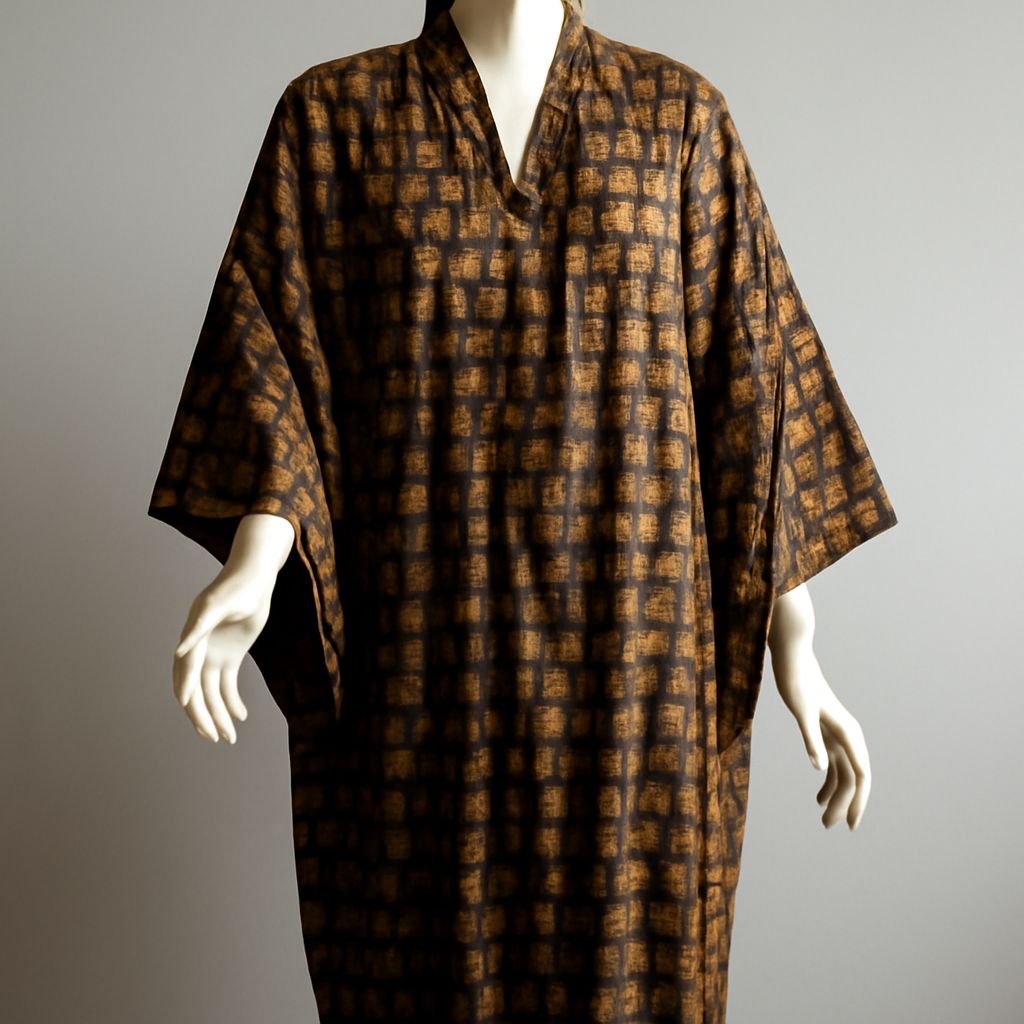
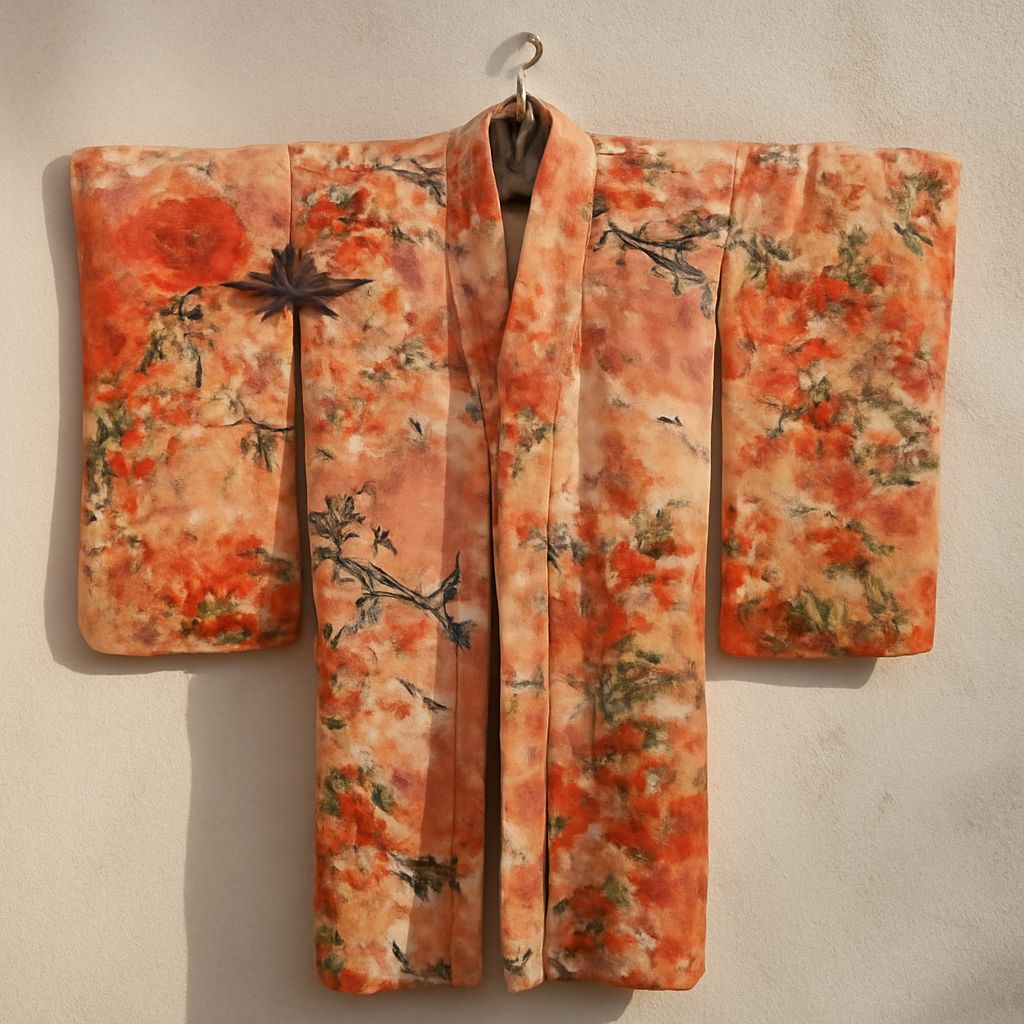
“Kimono” is a useful modern umbrella term, but it can hide period differences. In much of feudal Japan, the kosode was the central robe for men and women. Its name means “small sleeve,” referring to the sleeve opening rather than a narrow sleeve. It had a straight-seamed body, overlapping front panels, and sleeves attached along the body.
The kosode gradually became the direct historical foundation of the modern kimono. Period sources and modern historians may use kimono broadly, yet calling every robe a samurai kimono can imply a specific uniform. Identify the garment, date, and setting first.
Feudal Japan Clothing: Kosode, Hakama, and Outer Layers
Everyday layers depended on activity and status. A working man might wear a relatively short kosode with an obi, sometimes with leggings or a simple outer coat. Hakama—divided or skirt-like trousers—added formality, freedom of movement, or protection for riding and travel. They were not automatically “samurai pants.”
An adult male attending business, travel, or a formal gathering could combine kosode, hakama, and an outer layer. Short coats and later haori-like garments varied by period and class. Fabric, weave, color, family crests, and sleeve shape communicated means and occasion. Farmers, townsmen, officials, and warriors therefore shared basic forms while wearing different qualities and combinations.
Feudal Japan clothing had no timeless checklist: a battlefield outfit should not represent ordinary town dress.
Warrior Dress: Kataginu, Ceremony, and Armor Layers
Warrior dress was especially distinct from battle equipment. The kataginu was a sleeveless, often stiff-shouldered garment worn over a kosode and with hakama. In formal settings, it could form part of kamishimo, an ensemble associated with samurai status and official appearance. This was ceremonial or administrative dress, not armor.
Under armor, a warrior still needed flexible layers. A kosode or similar under-robe, loincloth, foot coverings, and other fitted garments could sit beneath protective pieces. Hakama might be used depending on the equipment and period. Armor then added sleeves, leg defenses, skirts, helmets, and other components. A jinbaori, or surcoat, could be worn over armor, making the complete silhouette look robe-like without turning armor into a kimono.
Exact combinations changed from medieval to Edo-period practice, and from mounted combat to garrison or parade use.
Why “Samurai Kimono” Can Mislead
“Samurai kimono” is usually a retail description, not a precise historical garment name. Products sold under it may be attractive, but often blend unrelated periods or categories.
- Calling a plain yukata or modern dressing robe a complete samurai outfit.
- Using hakama as if they were a robe, rather than trousers or a divided skirt-like lower garment.
- Adding armor plates, shoulder guards, or a helmet to a kimono and presenting the result as everyday wear.
- Using one dramatic movie or anime silhouette for every samurai, century, and social setting.
For a historically grounded description, name the layers separately: kosode, hakama, kataginu, armor, or jinbaori. Then specify whether the scene is daily, ceremonial, military, or modern costume. A product that identifies its period, layers, and intended setting makes a more accurate claim than one simply labeled samurai kimono.