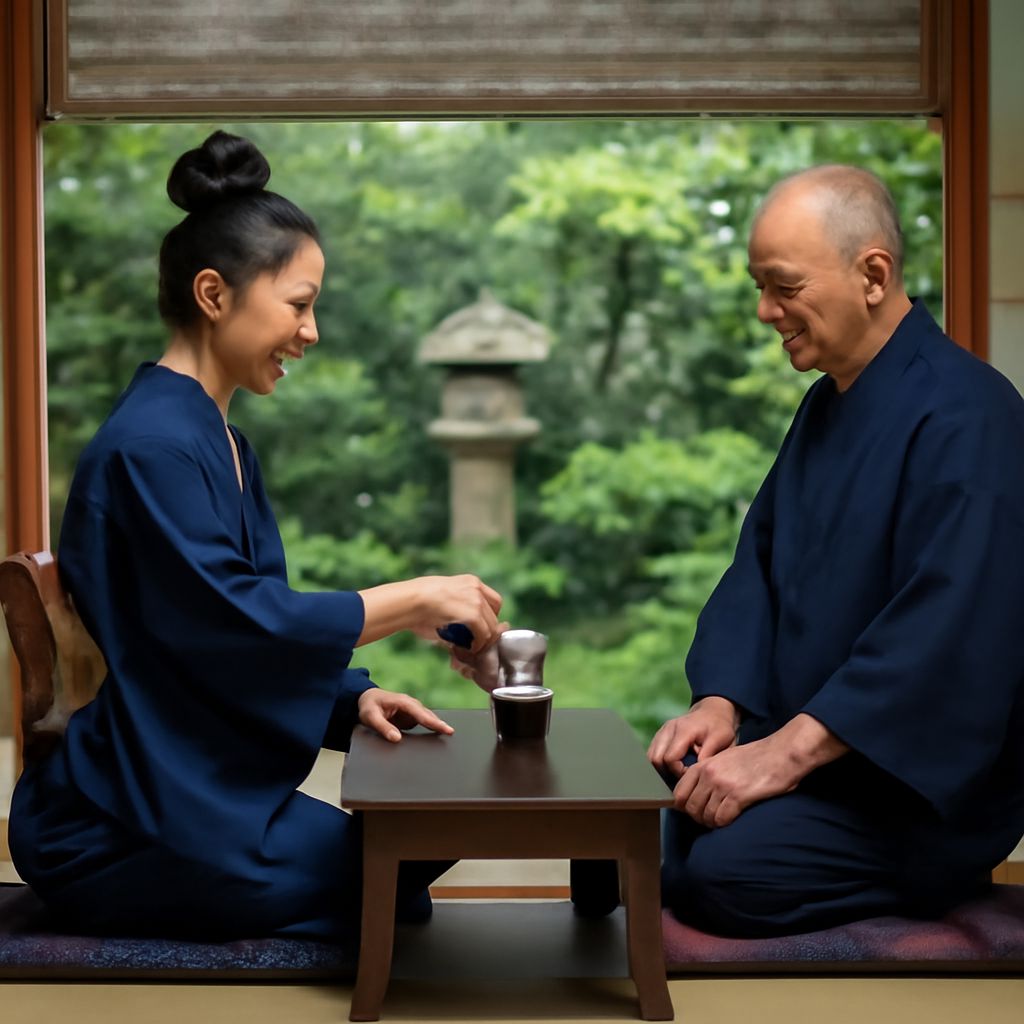
A beautiful kimono is recognized by its architecture as much as its decoration. Straight-cut panels create a T-shaped body, while a wrapped front, broad sleeves, and an obi establish its proportions. Modern fashion often borrows one or two of these cues, but a one-piece dress is not automatically a traditional kimono.
Understanding kimono style becomes easier when you separate construction from inspiration. Read the silhouette first, then consider textile placement, season, and occasion.
What Makes a Beautiful Kimono Distinctive?
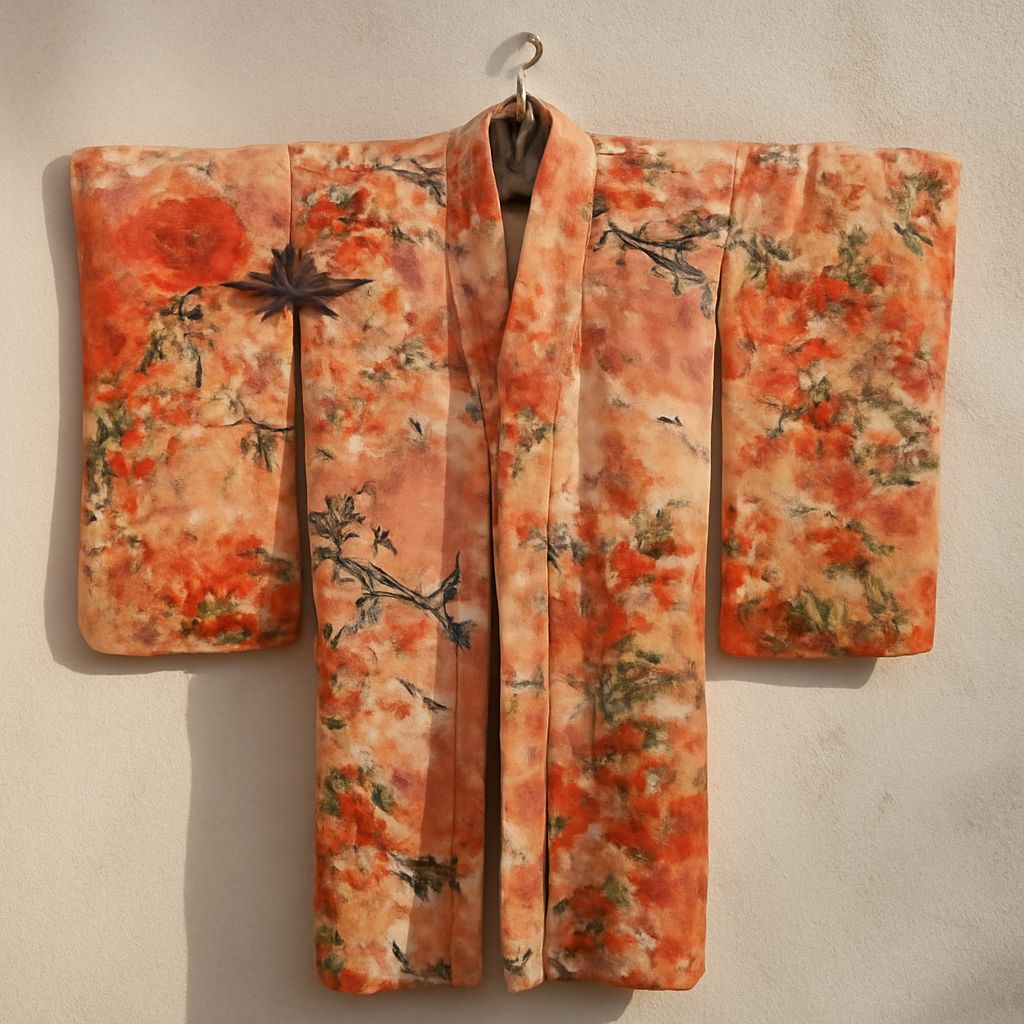
A traditional kimono uses long, rectangular panels joined with mostly straight seams. This construction creates a column-like, T-shaped silhouette rather than a close-fitted waist and shaped bust. The front overlaps across the body, with the left side over the right, and the vertical lines remain visible when worn.
An obi, the broad sash at the waist, anchors the layers and controls the profile. It creates a strong horizontal counterpoint to the sleeves. Sleeve proportions vary by garment and occasion. A cotton yukata often has practical sleeves, while a furisode is known for dramatically long, swinging sleeves.
The textile is equally important. Motifs are planned for the body, sleeves, and visible overlap, allowing an uninterrupted textile design to read across the rectangular form. A restrained autumn pattern can look beautiful on a casual yukata. Formal silk may rely on placement, negative space, and controlled sheen instead of heavy ornament.
What Defines Kimono Style?
Kimono style is a complete dressing system, not simply a loose robe with a sash. Depending on the garment and occasion, dressing can involve an undergarment such as a juban, the kimono, an obi, supporting cords, an obi-jime, tabi socks, and traditional footwear. Each layer helps create the final line.
The overlap, sleeve shape, and obi work together. The wrap keeps the front orderly, while the sash conceals and secures the closure. A furisode emphasizes movement through its long sleeves; a summer yukata emphasizes ease through lighter cotton and simpler styling. These differences show how beauty can come from proportion, fabric, and purpose rather than ornament alone.
Surface design also follows context. Seasonal flowers, birds, fans, and geometric motifs may be arranged across particular areas of the garment. Their position matters as much as the motif itself, especially for formal clothing.
How a Kimono-Inspired Dress Adapts the Form
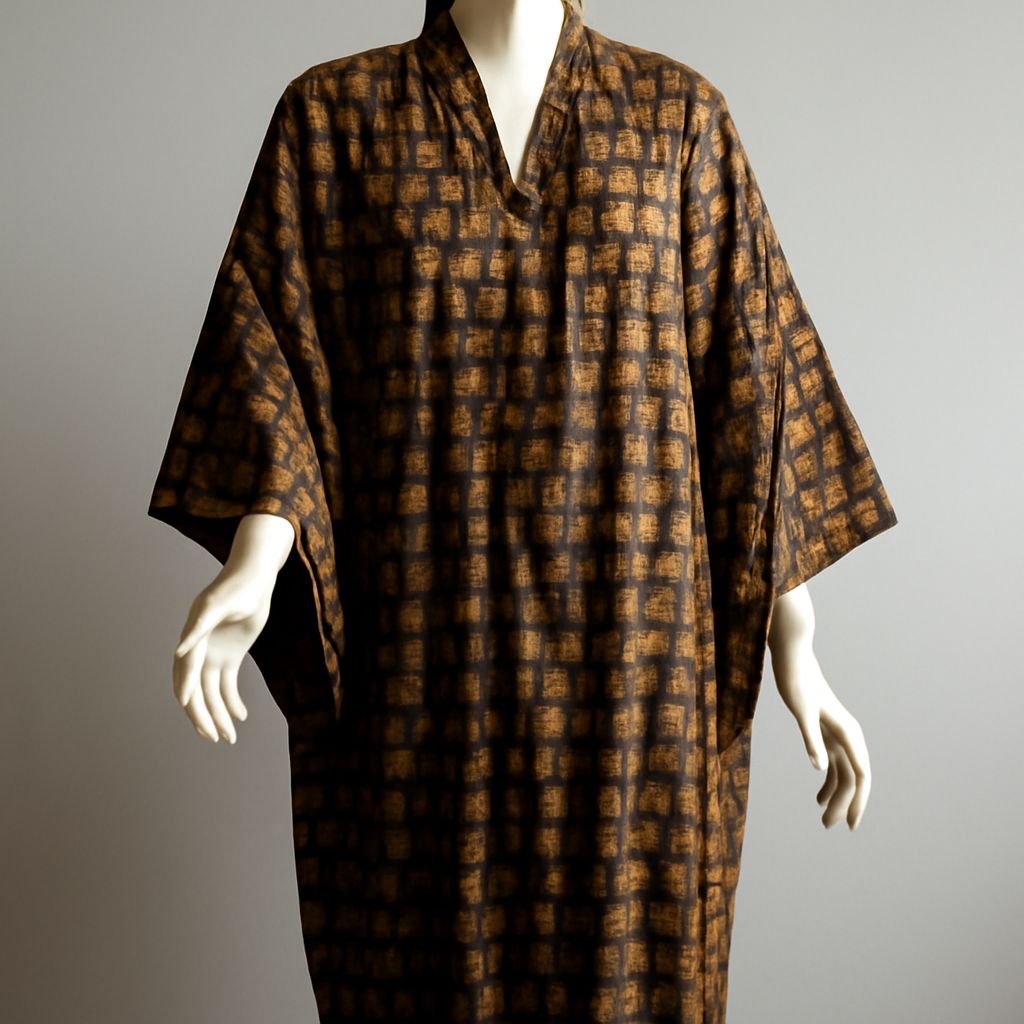
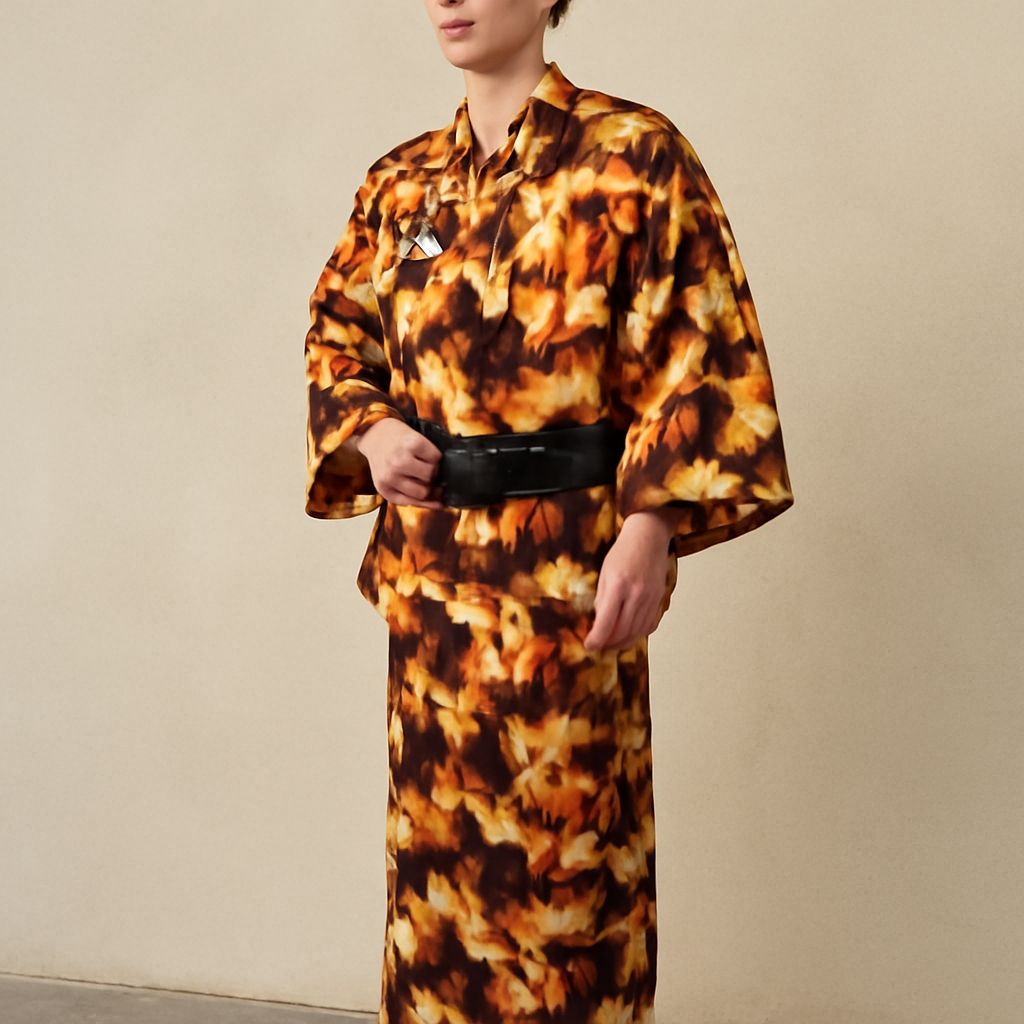
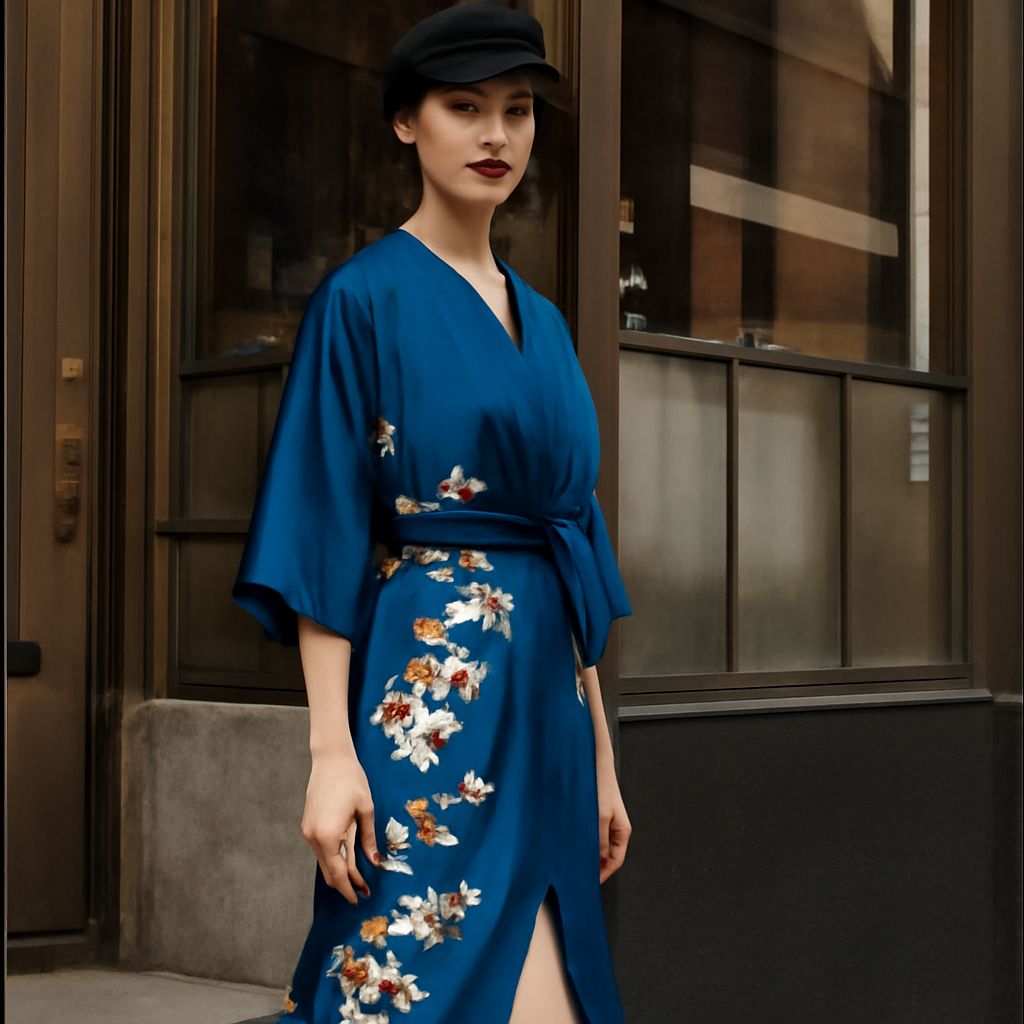
A kimono inspired dress usually borrows selected visual features rather than reproducing the full garment. Designers may use wide sleeves, a wrap front, an obi-like sash waist, or a Japanese-inspired print. Some dresses use overlapping panels; others only suggest the idea through a V-shaped neckline and broad, straight lines.
For example, a midi dress with dropped shoulders and wide sleeves may echo a kimono silhouette. A satin wrap dress with a self-tie belt may borrow the emphasis of an obi. Yet it remains a modern dress if it has a shaped armhole, a side zip, elastic, or a permanently attached belt.
The difference is practical as well as visual. A complete kimono dressing system involves separate layers, a distinct obi, and a deliberate sequence of dressing. A one-piece kimono-inspired dress is designed to be worn as one garment. Wide sleeves or a sash alone do not make it a traditional kimono.
How to Read a Respectful Design Reference
First, identify what the designer has borrowed: the T-shaped proportion, overlapping front, sleeve volume, sash, or surface pattern. Naming the specific reference is more accurate than calling every wide-sleeved wrap dress a kimono.
Next, assess placement and context. A simple indigo dress may communicate its influence through proportion and fabric, while a patterned evening dress may use a single crane or seasonal floral motif as a focused detail. The reference feels considered when the motif, textile, season, and occasion work together.
Finally, use a precise description. Calling a contemporary garment a kimono-inspired dress acknowledges its source without presenting a simplified fashion adaptation as a traditional kimono.