Traditional Japanese art is easier to recognize when you begin with its material and purpose. A painted screen, carved print, theatre mask, tea bowl, lacquer box, and Buddhist sculpture may look unrelated, yet each reflects a particular process, setting, and audience.
This guide moves from images made for viewing to objects made for performance and use. It also explains how to distinguish Japanese woodblock prints, Hannya masks, and wabi-sabi art without treating every Japanese tradition as minimalist or every horned mask as the same demon.
Traditional Japanese Art: Forms, Materials, and Uses
Painting, Calligraphy, and Decorative Arts
Japanese painting includes ink painting, colorful nihonga, narrative handscrolls, screens, and hanging scrolls. Ink artists create variation through brush pressure, diluted tones, and unpainted space. By contrast, screen painting can use mineral pigments, gold leaf, and bold patterns to shape an architectural interior.
Calligraphy is both writing and visual composition. The brush’s speed, pressure, and ending stroke remain visible, so the character’s form records the writer’s movement. Decorative arts extend this attention to surfaces. Artists combine images, patterns, and materials on fans, scrolls, folding screens, and everyday containers.
Ceramics, Lacquer, Textiles, and Sculpture
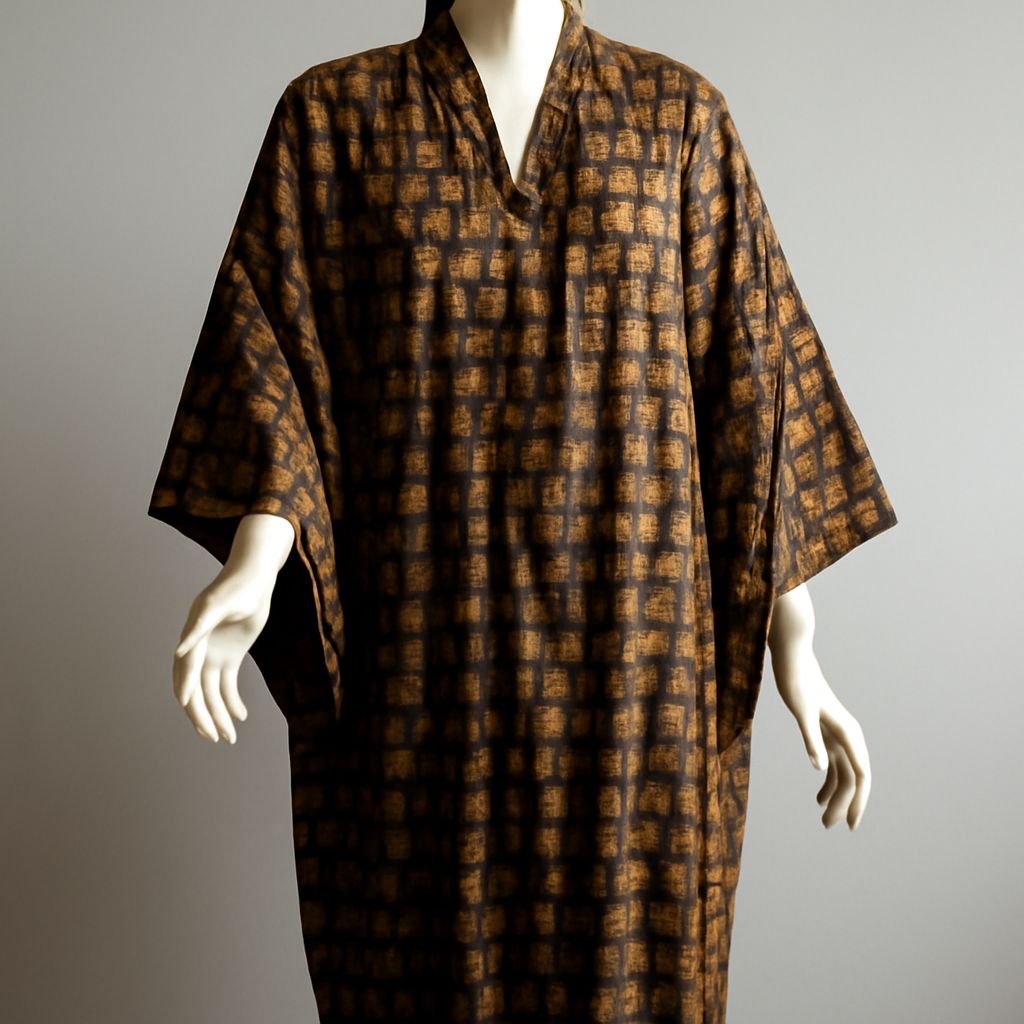
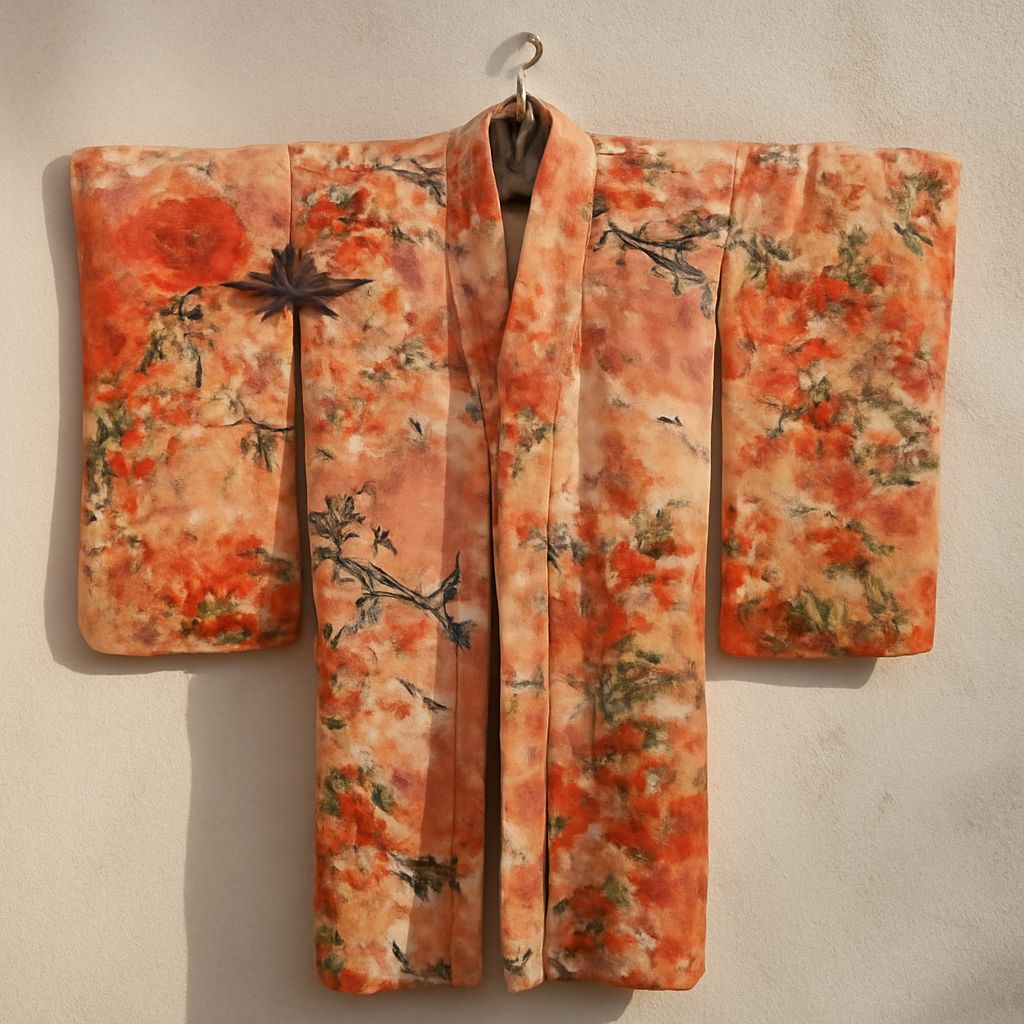
Ceramics range from rustic tea bowls to refined porcelain, with kiln atmosphere, ash, glaze, and firing temperature affecting the final surface. Lacquerware uses layers of lacquer over wood or other foundations; some pieces receive gold, silver, or carved decoration. Textiles include silk kimono, woven fabrics, resist-dyed designs, and embroidered garments.
Sculpture has often served religious or ritual purposes. Wooden Buddhist figures, guardian beings, and smaller devotional images use carving, joined construction, paint, and gilding. These examples show why “Japanese art” cannot be reduced to one look: function, material, period, and setting change the visual language.
Japanese Woodblock Prints and Ukiyo-e
Carved Blocks and Color Layers
Japanese woodblock prints are made through a relief-printing process. A designer first prepares the image, while a carver cuts away the areas that should remain unprinted. The remaining raised lines form a key block, often carrying the outlines and essential details.
For a multicolored print, separate blocks are carved for different colors. The printer applies pigment to each block and presses paper against it in sequence. Registration marks help align every layer. The result depends on collaboration among designer, carver, printer, and publisher, rather than on one artist working alone.
Ukiyo-e Subjects and Circulation
Ukiyo-e, meaning “pictures of the floating world,” developed as a commercial image culture during the Edo period. Prints depicted kabuki actors, courtesans, landscapes, famous places, legends, animals, and scenes from daily life. Their clear contours, flattened areas of color, and carefully arranged viewpoints make them especially recognizable.
Because prints could be produced in multiple impressions, they reached buyers beyond elite painting circles. Hokusai’s Thirty-Six Views of Mount Fuji and Hiroshige’s landscape series show how weather, distance, and bold cropping became central subjects. A print’s publisher marks, format, paper, and edition history can matter as much as its visible scene.
Japanese Demon Mask in Theater
Hannya Mask Meaning: Emotion, Features, and Performance
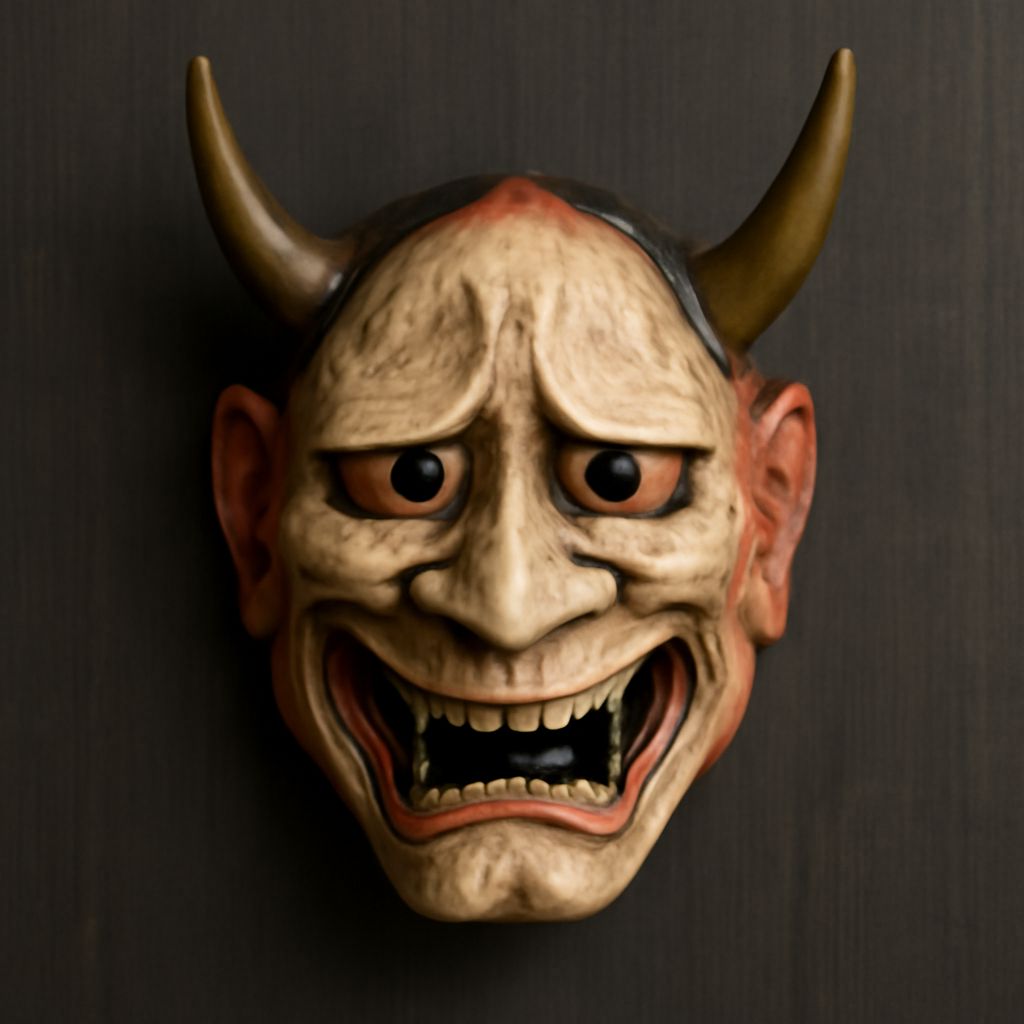
The Hannya is a specific Noh theatre mask, not a generic Japanese demon mask. It represents a woman transformed by intense jealousy, resentment, and grief. Its meaning changes with performance: a slight tilt can make the face appear sorrowful, while a raised angle emphasizes rage and supernatural power.
A Hannya mask typically has two horns, metallic eyes, sharp teeth, and a wide mouth. These features create fear, but the mask also preserves traces of the woman’s former humanity. Warm or reddish coloring can suggest a more violent, advanced transformation, while paler versions may convey an earlier or less furious state.
Other Demon and Noh Masks
Japanese theatre includes many mask types with different identities and functions. Noh masks may portray deities, old people, women, spirits, warriors, or demons. A mask such as Otafuku expresses comic or auspicious femininity, while masks associated with powerful supernatural beings have their own names, stories, and performance conventions.
Horned forms therefore require careful identification. Look at the teeth, eyes, horns, color, expression, and dramatic role before calling an object Hannya. A souvenir mask may borrow theatrical features without being an authentic Noh performance object.
Wabi-Sabi Art: Impermanence, Irregularity, and Restraint
Concrete Objects and Surface Change
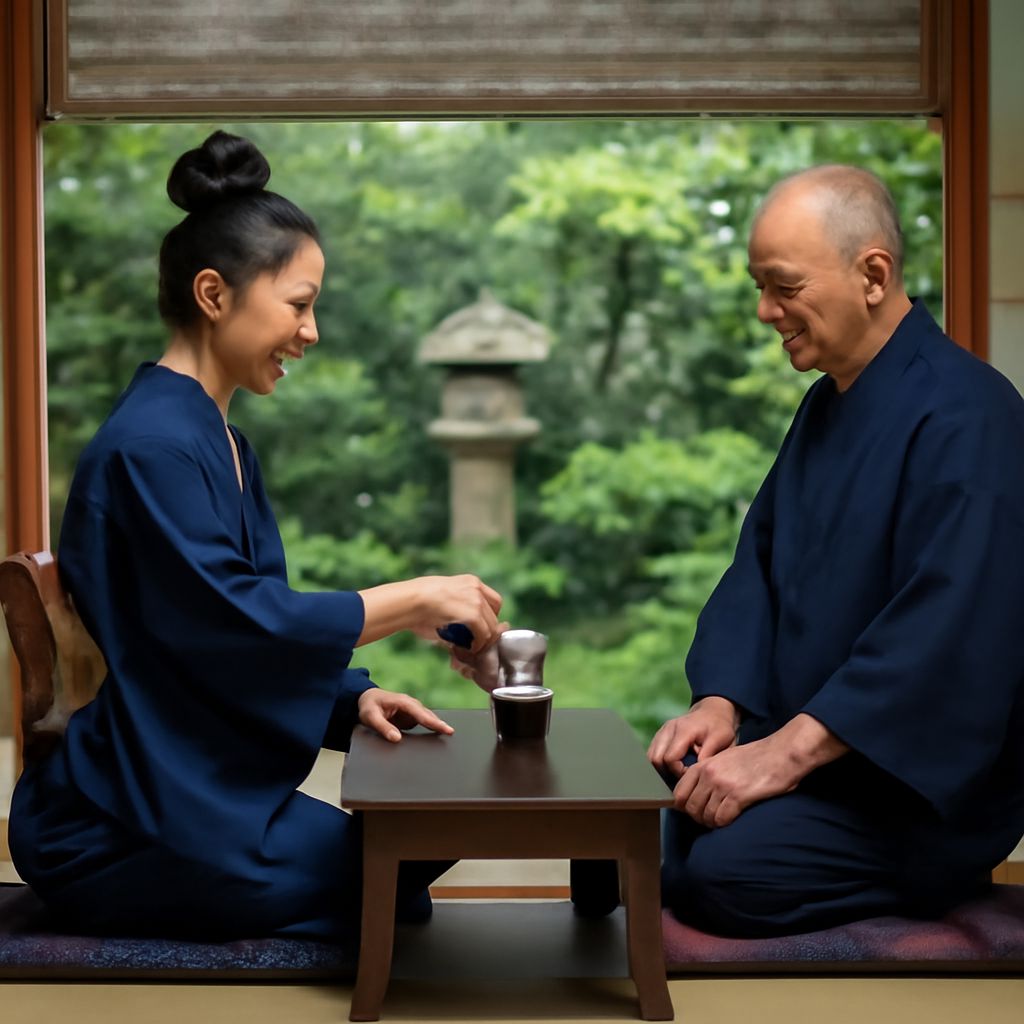
Wabi-sabi describes an aesthetic awareness of impermanence, irregularity, restraint, and material change. It is not a single historical style or a rule that every object must look plain. A tea bowl with an uneven rim, subtle glaze variation, and visible firing marks can express these qualities through its handmade surface.
A weathered wooden tea house, a patched textile, or a bronze vessel developing a patina can also invite this way of seeing. Kintsugi, the repair of broken ceramics with lacquer and metallic powder, makes damage visible rather than pretending the object was never broken. The repair’s meaning depends on the object, its history, and its use.
Restraint Without Minimalism
Wabi-sabi may favor quiet colors, asymmetry, and limited decoration, but restraint is not the same as minimalism. An irregular tea bowl can sit within a richly choreographed tea gathering. Likewise, a weathered object may be valued for touch, memory, and changing material rather than for visual simplicity alone.
How Period and Function Change Japanese Art
Estimate Period and Place
Begin with evidence rather than symbolism. Ask whether the object appears handmade or industrial, and examine its paper, pigment, glaze, wood, textile, or metal. Then compare its format and motifs with broad period clues: Edo-period prints often use commercial publishing formats, while later works may show new pigments, Western perspective, or modern signatures.
Provenance, inscriptions, seals, mounting, and construction can narrow the date and region, but no single clue proves an object’s age. A later reproduction may deliberately imitate an older style.
Identify the Medium
Determine how the image or object was made. Look for carved lines and layered registration in a print; brush variation in calligraphy; kiln effects in ceramics; multiple lacquer layers; woven or embroidered structure in textiles; and tool marks or joined sections in sculpture. Material evidence often corrects a first visual impression.
Recover Original Function
Finally, ask who used or encountered the object. A print may have been sold as a popular image, a screen may have divided a room, and a mask may have been designed for controlled movement under stage lighting. A bowl used in tea carries different associations from one made for display. Period, medium, and function should come before interpreting symbolism.