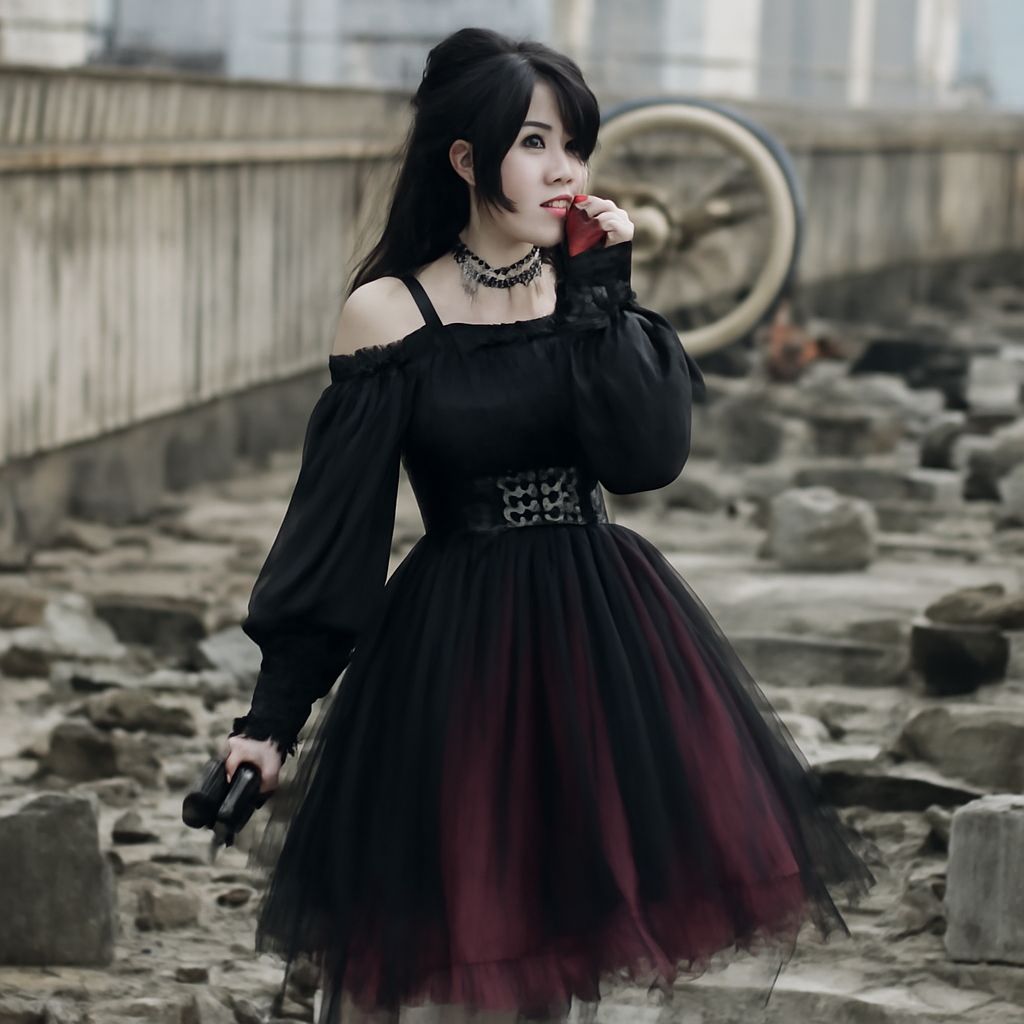
Goth lolita fashion, Classic Lolita, and Sweet Lolita begin with the same modest foundation: a structured dress, a bell or A-line silhouette, layered coverage, and coordinated accessories. Their differences come from the styling language applied to that foundation. Gothic is dramatic and architectural, Classic is restrained and historically informed, and Sweet is playful, colorful, and rounded.
Color can suggest a category, but it cannot define one. Motifs, fabric scale, tailoring, and the complete head-to-toe arrangement provide stronger clues.
The Silhouette Shared by Lolita Styles
Lolita dresses usually create volume from the natural waist through a petticoat, producing either a rounded bell shape or a cleaner A-line. Hemlines remain modest, while high necklines, sleeves, tights, and enclosed shoes complete the covered look.
A blouse may sit beneath a jumper skirt, or the dress may include sleeves and a built-in bodice. Headwear, socks, shoes, bags, and jewelry are chosen as one outfit rather than added randomly. This coordinated construction separates Lolita styling from a regular skirt styled with a few decorative accessories.
Goth Lolita Fashion: Architectural and Dark Outfit Cues
Gothic Lolita uses dark palettes such as black, charcoal, burgundy, navy, and ivory, often with deliberate contrast. Its motifs may include cathedral windows, crosses, clocks, roses, thorny vines, stained glass, or dramatic portrait imagery. Corset seaming, sharp collars, paneling, and symmetrical placement give the dress an architectural quality.
Accessories tend to be darker and more structured: lace headdresses, small veils, cross jewelry, platform shoes, coffin-shaped bags, or polished black boots. The emphasis remains Lolita proportion and coordination, not generic goth separates.
Complete Gothic Outfit
Try a black bell-shaped dress with burgundy rose panels, an ivory high-neck blouse, black lace tights, pointed ankle boots, a cross necklace, and a structured black headpiece.
Classic Lolita Dress: Tailoring and Historical Prints
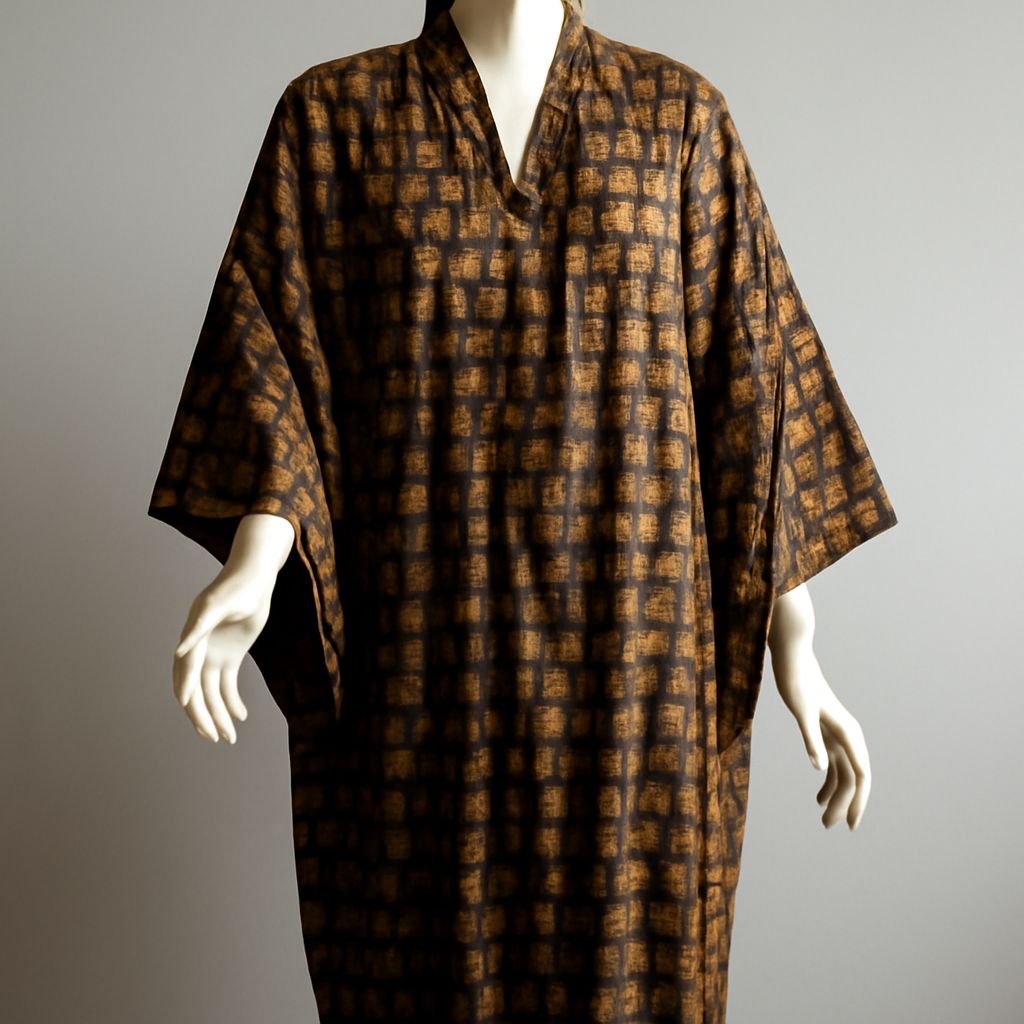
A classic lolita dress typically favors balanced tailoring, graceful lines, and a less exaggerated visual effect. Common palettes include brown, cream, dusty blue, wine, olive, and black, often softened by ivory lace or muted trim. No single shade makes an outfit Classic; proportion and restraint matter more.
Prints may reference botanical studies, antique furniture, playing cards, cameos, architecture, or historical dress. Skirt panels can look like tapestry, toile, or traditional textile patterns. Accessories often include a beret, ribboned headband, cameo brooch, leather handbag, low heels, and understated jewelry.
Complete Classic Outfit
Build an outfit around a navy A-line dress with a botanical border print, a cream blouse, brown lace-up shoes, ivory socks, a velvet beret, and a small leather handbag.
Sweet Lolita Dress: Playful Motifs and Rounded Accessories
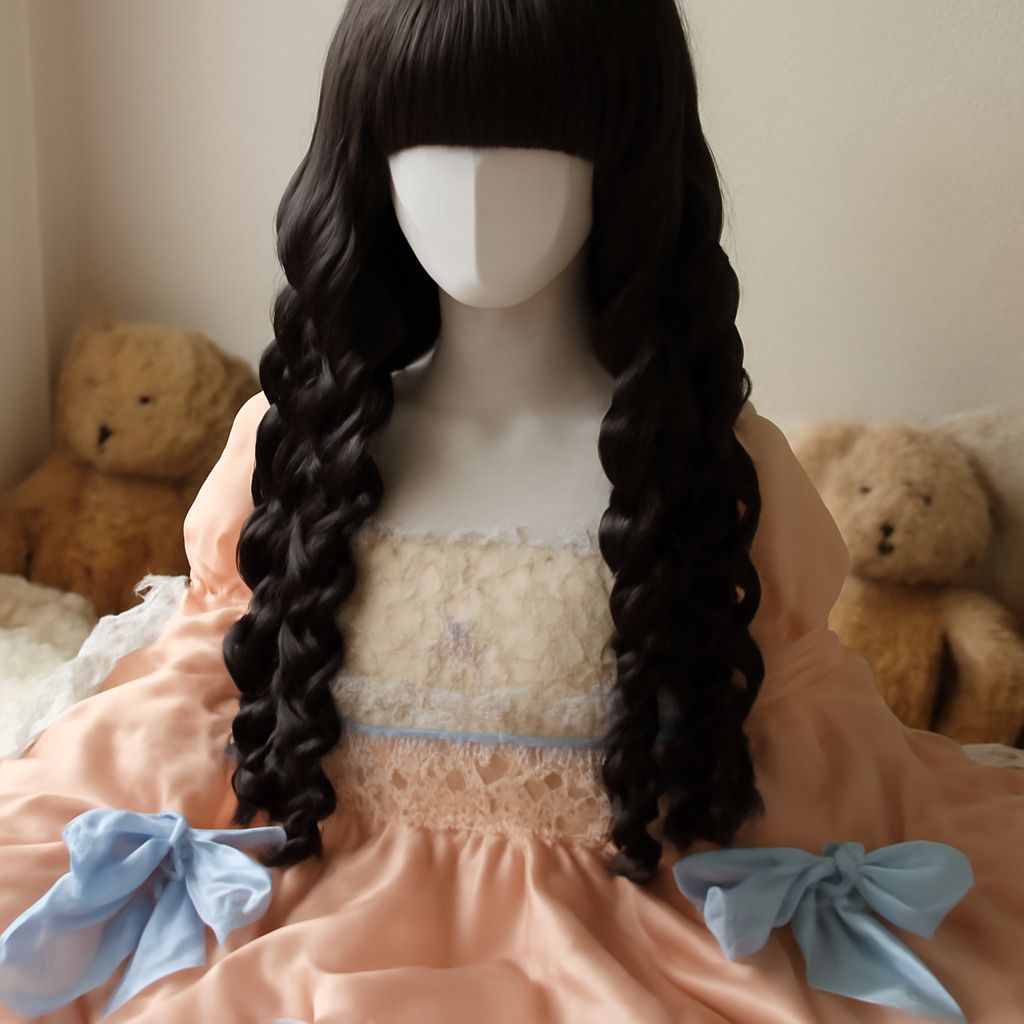
A sweet lolita dress often uses pink, mint, lavender, sky blue, cream, or red, but bright color alone does not make it Sweet. The style relies on cheerful motifs, rounded shapes, visible bows, and a deliberately cute balance. Prints may feature fruit, cakes, candy, animals, toys, hearts, or storybook scenes.
Ruffles, scalloped hems, heart-shaped details, and gathered sleeves reinforce the soft silhouette. Rounded accessories might include a bow headband, character-inspired bag, pastel tights, Mary Janes, or a pearl bracelet. Its polished construction makes it fashion styling, not children’s clothing.
Complete Sweet Outfit
Choose a pink dress with a strawberry-and-ribbon print, a white puff-sleeve blouse, white ankle socks, red Mary Janes, a large bow headband, and a heart-shaped shoulder bag.
How to Identify Mixed or Borderline Looks
Check Structure Before Color
Start with the silhouette, coverage, and outfit coordination. Then examine the print, tailoring, accessories, and level of contrast. A black dress with roses and pearls may be Classic, while a pastel dress with crosses and architectural paneling may lean Gothic.
Mixed outfits deliberately combine signals, such as a Classic cut with Sweet fruit motifs or a Gothic dress with restrained brown accessories. Identify the dominant construction first, then describe the secondary influence rather than forcing the outfit into one color-based category.