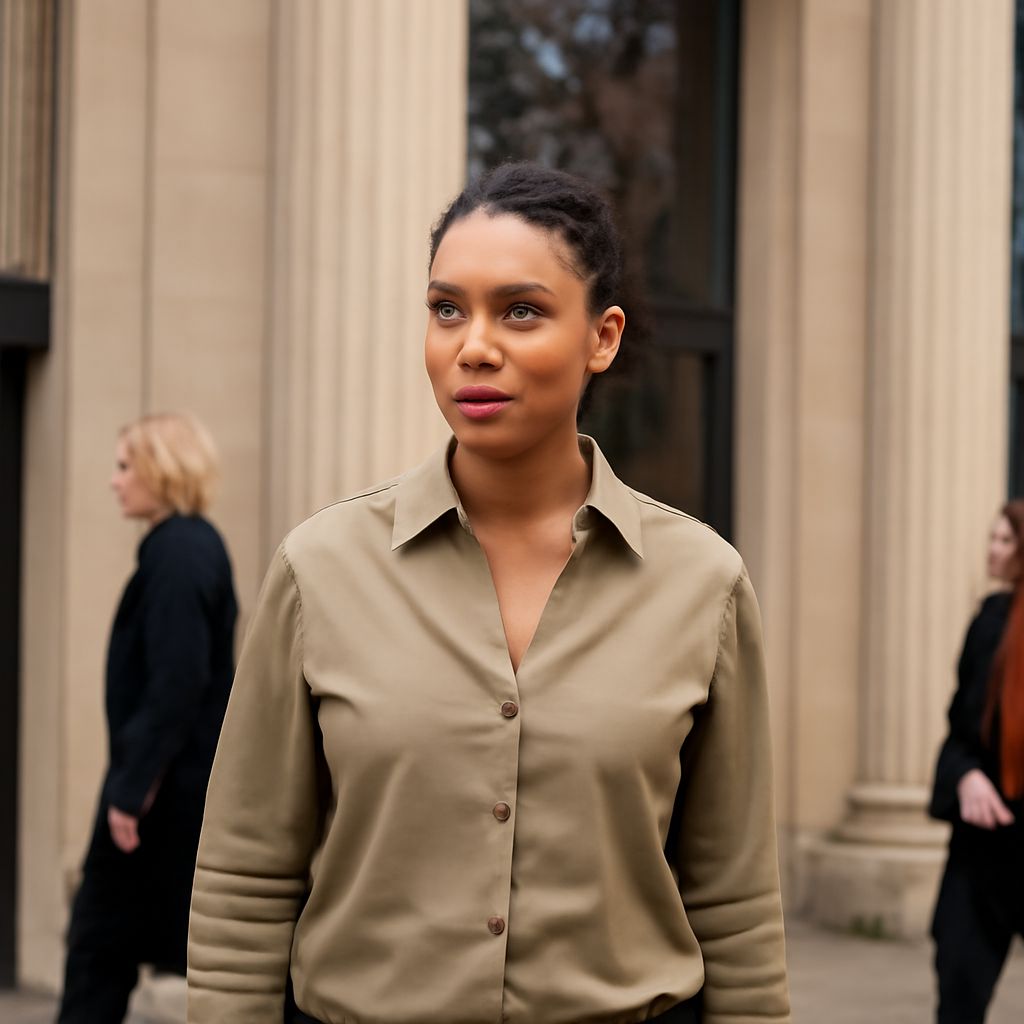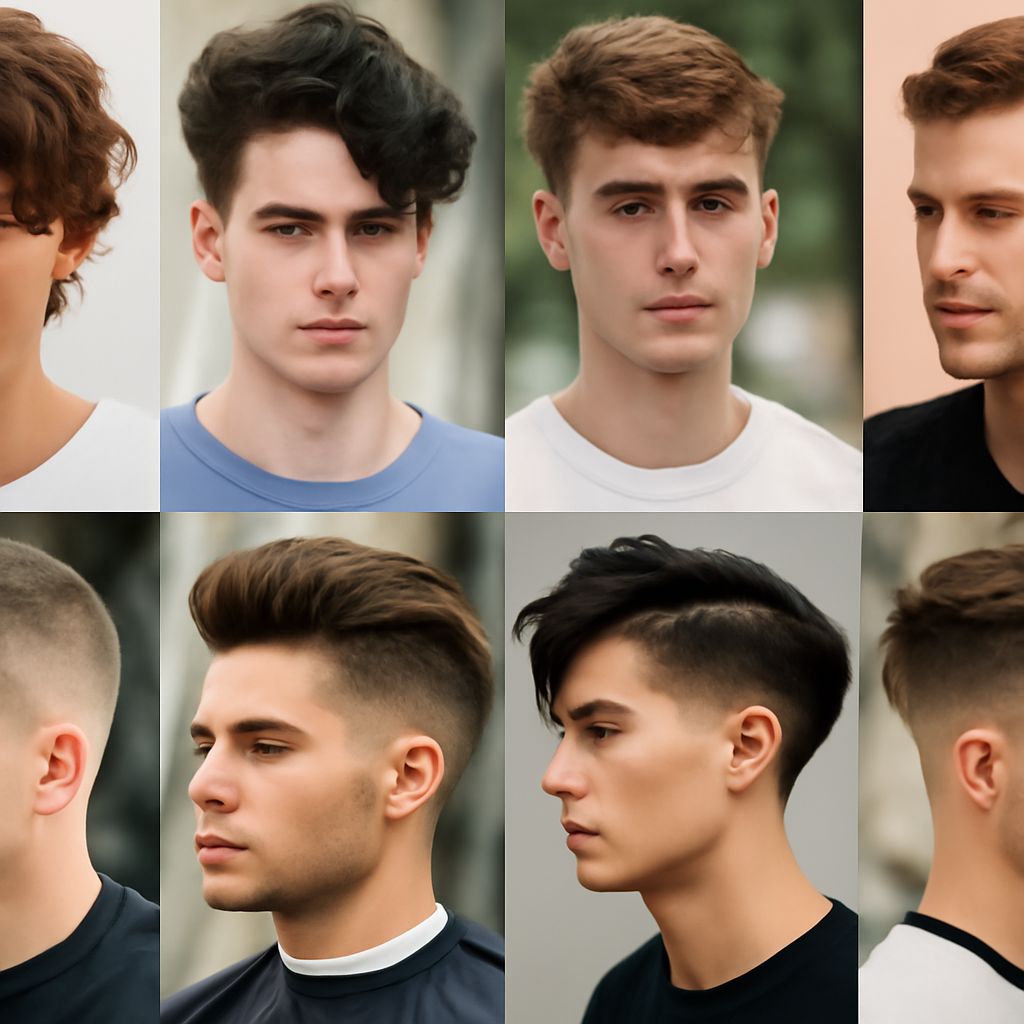
A cut for thick hair begins with a question of shape: should the hair fall close to the head, frame the face, or create a generous outline? The answer depends on how many strands grow across the scalp, the thickness of each strand, and the way they bend. Together, these qualities determine how a finished style moves and how much time it takes to arrange.
A haircut suited to thick hair can support many visual identities, from a restrained, polished bob to a softer, more expressive silhouette. The same head of hair may look compact at one length and remarkably full at another, so a stylist needs to consider the intended outline as well as the amount of hair.
Haircut for Thick Hair: Read the Shape First
Density describes how closely strands grow together; texture describes the character of the individual strand and its pattern, from straight to coiled. Dense, fine strands can create a substantial mass, while fewer coarse strands may feel equally full. A cowlick, a section that grows in a different direction, can also lift a fringe or shift a part.
Before comparing thick hair haircuts, observe where the hair expands as it dries. Straight hair may sit smoothly at the crown and collect weight at the ends. Waves can spring outward as they shorten, and curls may settle at different lengths when dry.
Length changes the distribution of weight. A long perimeter can pull the outline downward; a shorter one may allow waves to rise. Layers are sections cut at different lengths, and their placement matters: long layers can encourage movement while retaining a substantial edge, whereas short layers near the crown create lift. For a rounded silhouette, the transition between those lengths needs attention as well as the length itself.
Short Shapes: Pixies and Bobs
A pixie exposes the neck and puts the outline around the crown and temples in view. Close sides with a longer top create contrast and give a fringe room to sweep across the forehead. Both need regular shaping as the outline grows, while a small amount of styling cream can help separate the top without making it rigid.
Among thick hair cuts, a bob can be especially graphic: a clean perimeter draws a visible line at the jaw or below it. On straight hair, a blunt edge emphasizes density. On waves, a slightly longer bob with carefully placed layers can give the ends room to curve rather than stack heavily at the sides. A stylist can tailor the angle and the amount of internal layering to the desired width.
For a face-framing look, cute haircuts for thick hair include a chin-length bob with a light fringe or longer pieces at the cheeks. A fringe that lifts at the roots may need extra length or daily styling.
Medium and Long Options
A shoulder-length cut offers room for movement and can be tied back. A lob, or long bob, usually falls between the chin and shoulders. Its ends may turn outward when they meet the shoulders, a detail that can be used deliberately or managed with a round brush. For a more relaxed outline, ask for layers that begin below the cheekbones and blend into the perimeter.
Long thick hair haircuts can retain a strong lower edge while introducing layers through the lengths. This gives waves space to separate and keeps the outline from appearing as one solid curtain. Face-framing pieces can begin at the cheek or chin; longer pieces are easier to tuck behind the ear, while shorter ones need more frequent adjustment as they grow.
A shag uses more visible, graduated layers around the crown and face. It suits an intentionally textured look and can give thick hairstyles a lively outline. The trade-off is that shorter sections may escape a ponytail. For readers seeking cute cuts for thick hair with a less tousled finish, a rounded medium-length shape with a soft fringe offers movement while keeping a fuller perimeter.
Styling, Maintenance, and a Wig
A haircut for thick hair is most practical when it works with the hair’s usual drying pattern. Air-drying preserves natural waves but requires a shape that looks balanced without a brush. Blow-drying with a brush offers more control over direction and volume; drying in sections takes longer when there is more hair. A heat protectant and a moderate heat setting help limit styling damage. For curls, ask the stylist how the shape will look dry and how much length may rise as it dries.
Hairstyles for thick hair can also be recreated with a wig. A wig’s fiber, density, cap, and pre-cut shape all contribute to its silhouette, so a style that resembles a natural cut in a photograph may sit differently when worn. For a smoother foundation, distribute natural hair in flat braids or pinned sections, then use a wig cap that fits comfortably. Avoid pulling the hair or cap tightly; a secure fit should not cause pain.
When comparing cuts for thick hair with a wig style, consider the outline from every side and the height added at the crown. A bob wig can test a shorter shape without cutting natural hair. A stylist experienced with wigs can adjust the fringe and perimeter while the wig is being worn, with care around the face.
What to Discuss at the Appointment
Bring references showing both the desired outline and the length around the face. Explain whether the hair is usually air-dried, brushed smooth, tied back, or covered by a wig. Ask where the stylist plans to place layers, how the shape will grow out, and which sections will need daily attention. Request a demonstration of the intended finish.
For dense hair that expands at the sides, choose a longer or carefully layered outline if a narrower shape is desired. For lift at the crown, consider shorter layers and allow time to arrange them. A strong bob suits a defined silhouette; a longer, blended shape gives more tying options. The best choice balances the hair’s density and natural movement with the outline and styling time the wearer actually wants.