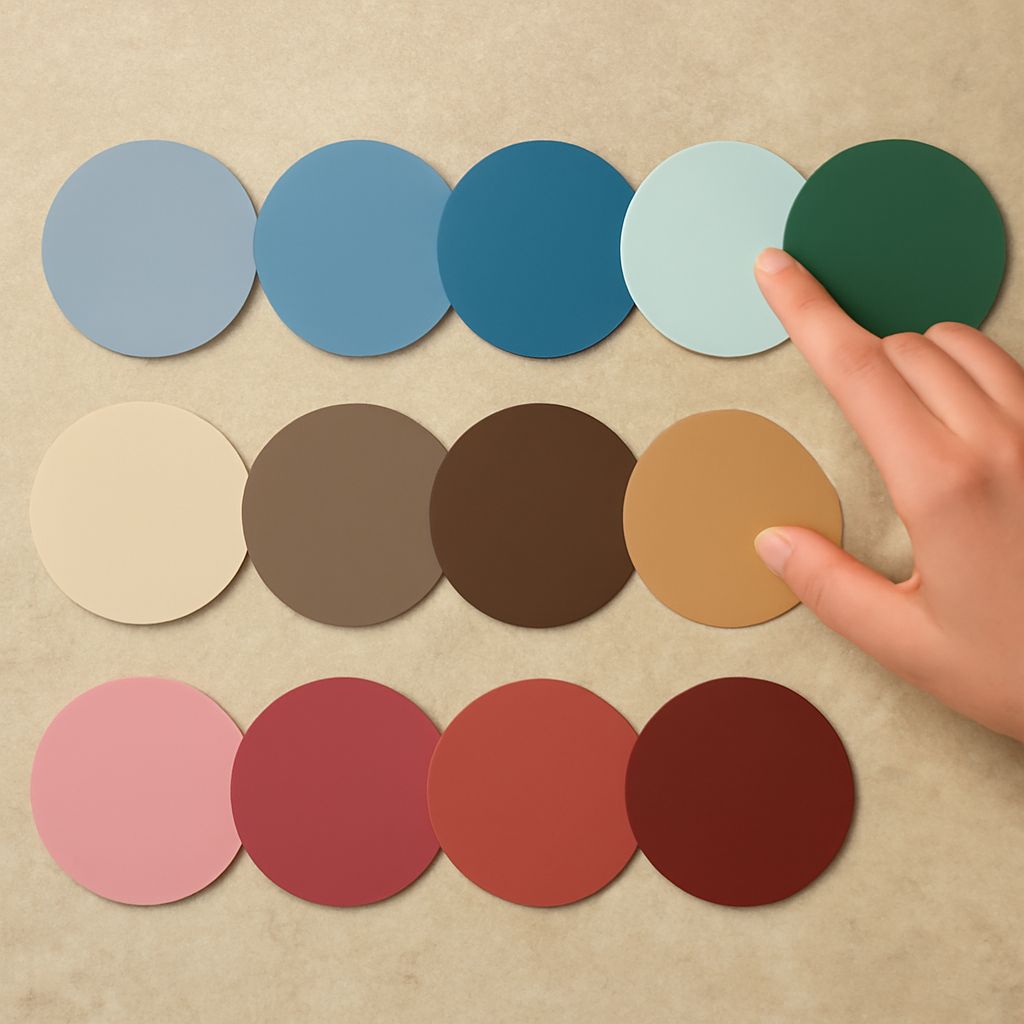
Finding the right colors that enhance your look can transform your style. To determine how to know what colors look good on you, it’s essential to understand your skin tone, utilize color theory, and explore inspirations from various cultures, such as Japanese dress codes. This guide will help you discover your personal palette and boost your confidence in choosing colors.
Understanding Your Skin Tone
Your skin tone is a crucial factor in identifying what colors do I look good in. Generally, skin tones are categorized as warm, cool, or neutral. Knowing your undertone can guide your color choices:
- Warm Undertones: Look for yellow or golden hues in your skin. Earthy tones like warm reds, oranges, and browns are ideal.
- Cool Undertones: Identified by pink or blue hues. Opt for jewel tones such as sapphire, emerald, or icy colors.
- Neutral Undertones: A mix of warm and cool. You can enjoy a wide range of colors, from soft pastels to bold shades.
Using Color Theory
Color theory is a powerful tool for enhancing personal style. It involves understanding the color wheel and complementary colors. Here’s how you can apply it:
- Complementary Colors: These are opposite each other on the color wheel and create a vibrant look. For example, pairing blue with orange can add contrast.
- Analogous Colors: These sit next to each other, such as green and yellow-green, for a harmonious appearance.
- Triadic Colors: Equally spaced around the wheel, like red, yellow, and blue, offer a balanced yet dynamic look.
Japanese Dress Code Inspirations
Japanese fashion often emphasizes subtlety and harmony, which can be a source of inspiration when considering what is my color. Key elements include:
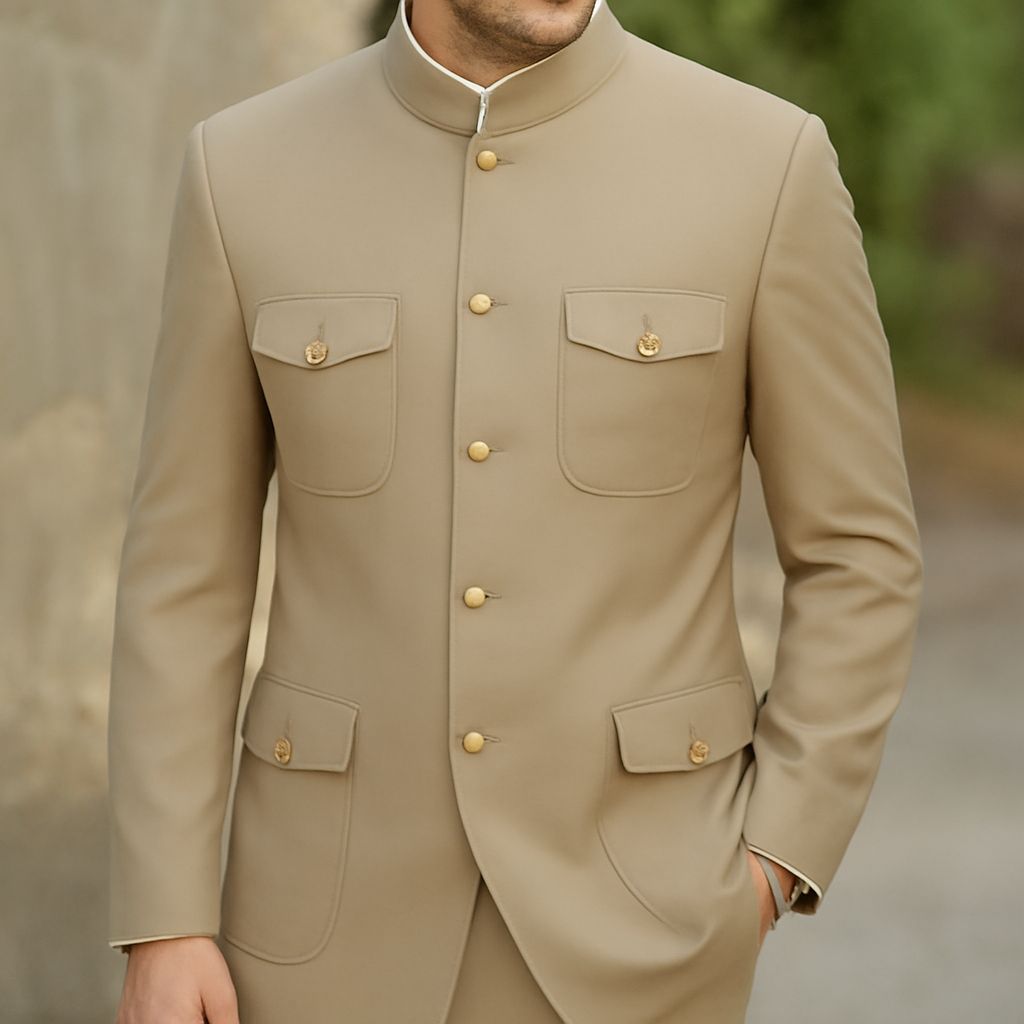
- Neutral Palettes: Shades like beige, grey, and navy are staples in Japanese wardrobes, providing a clean and sophisticated look.
- Nature-Inspired Colors: Reflect the natural world with earthy greens, deep blues, and soft browns.
- Balance and Simplicity: Combine colors in a way that feels effortless yet refined, often using minimalistic patterns.
Finding Your Personal Palette
Creating a personal color palette is about blending your unique preferences with what enhances your natural features. Start by:
- Experimenting: Try different colors to see which ones make you feel confident.
- Seeking Feedback: Get opinions from friends or consult a stylist for professional advice.
- Building a Wardrobe: Once you identify your favorites, curate clothing that reflects your palette.
By understanding your skin tone, utilizing color theory, and drawing inspiration from Japanese dress codes, you can confidently answer the question of how to know what colors look good on you and enjoy a wardrobe that truly reflects your style.