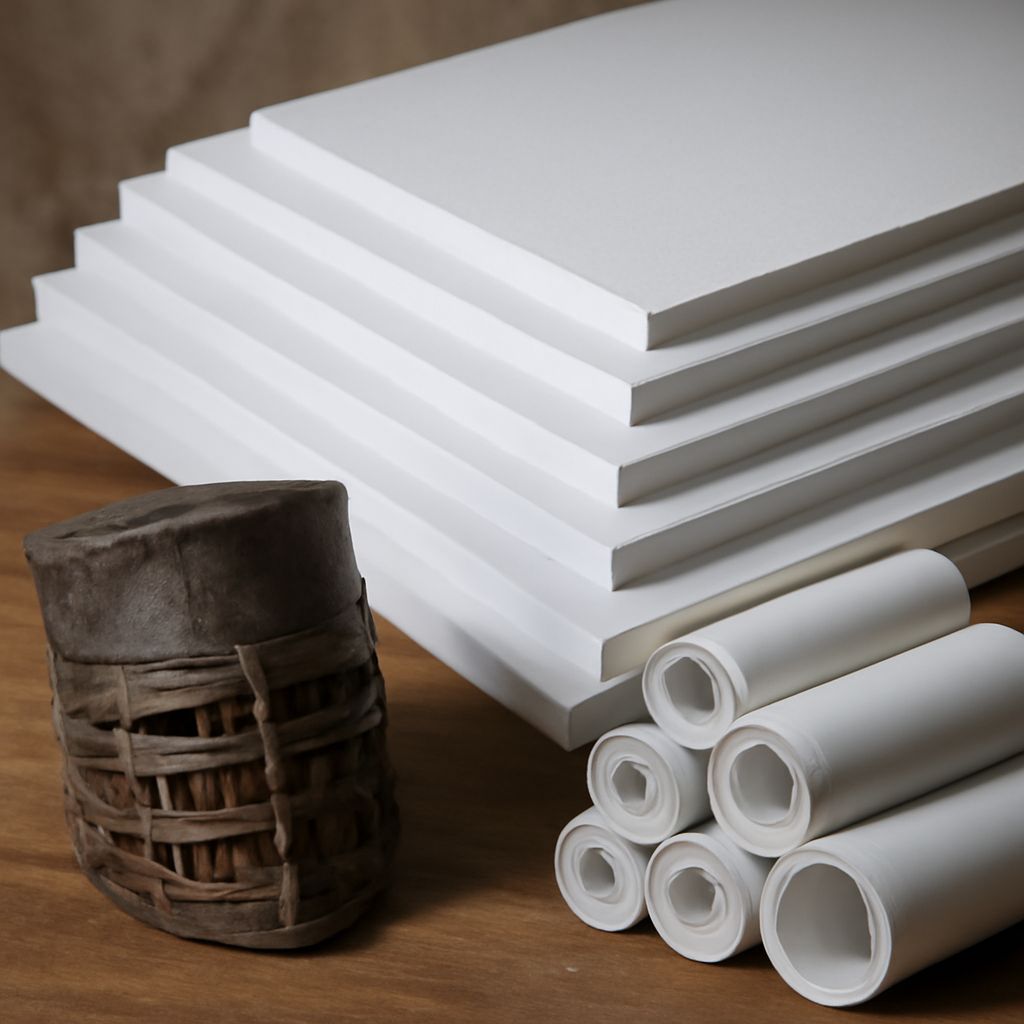
Choosing cosplay foam starts with the part you need to build. EVA foam is the most versatile starting point for armor, props, and structured costume details, but its thickness and density should match the required shape and movement.
Use thicker foam for load-bearing shells, thinner sheets for layered details, and flexible alternatives where a piece must bend repeatedly. This guide compares common cosplay materials so you can choose with fewer failed tests.
Choose Cosplay Foam by Project Type
- Armor shells and lightweight props: Choose 5–10 mm EVA foam for broad panels, shields, helmets, and sturdy prop bodies. It holds a formed curve while remaining lighter than many rigid plastics.
- Moving parts and flex zones: Use 2–5 mm foam, fabric, or a deliberately flexible construction at elbows, knees, necklines, and closures. Thick EVA can resist movement, crease, or split at stress points.
- Detail layers and raised accents: Use 2–3 mm EVA or thin craft foam for bevels, straps, panel lines, and appliqué. Foam clay works better for irregular sculpted details.
For a direct choice, build a breastplate from 6–8 mm EVA, add 2 mm detail layers, and use fabric or thin foam across moving joints. Choose foam clay for a small emblem rather than an entire structural shell.
EVA Foam Thickness and Density Explained
2–5 mm for detail layers
Thin EVA foam bends easily and stacks cleanly over a thicker base. It suits trim, scales, straps, raised symbols, and flexible costume details. It lacks the depth and stiffness needed for a large unsupported armor panel.
5–10 mm for shells and props
Five-millimeter foam is a useful middle ground for bracers, masks, belts, and medium prop parts. Choose 8–10 mm when a shell needs more visual weight or resistance to dents. For large props, laminate layers instead of relying on one very thick sheet when you need a shaped edge.
Density and heat-forming response
Higher-density EVA usually gives sharper edges, cleaner bevels, and better dent resistance. Lower-density foam is softer, lighter, and often easier to compress, but it may show tool marks. Density labels vary between suppliers, so test a small offcut before buying a full sheet.
Heat-forming tools include a heat gun, oven used according to the foam manufacturer’s guidance, and simple supports or molds. Warm EVA until it becomes pliable; do not scorch it. Hold the shape while it cools.
Foam for Cosplay: Craft Foam and Foam Clay
Thin craft foam for flexible layers
Thin craft foam is inexpensive and useful for layered details, lightweight masks, fabric-backed armor, and parts that need gentle flex. It is less durable than dense EVA, can tear around narrow attachments, and usually needs a firm backing for larger shapes.
Foam clay for sculpted details
Foam clay is a moldable, lightweight material for horns, ridges, facial features, seams, and organic surface texture. It fills transitions without cutting multiple foam pieces. After curing, it remains lighter and more flexible than many traditional modeling compounds, but it is not a substitute for a load-bearing shell. Attach it over a stable base and allow the manufacturer’s stated curing time.
When Fabric or Thermoplastic Works Better
Fabric for drape and movement
Use fabric for capes, sleeves, gloves, undersuits, skirts, and joint coverings. It follows body movement naturally and avoids the hard edge that foam can create. Reinforce attachment points with webbing, lining, or a narrow foam strip when the fabric carries hardware.
Thermoplastic for fixed shaped parts
Thermoplastics such as Worbla or thermoplastic sheets suit thin, rigid-looking details, reinforced edges, and small shaped components. They form sharply when heated and can be stronger than thin foam, but they add weight and may become uncomfortable against the body.
Movement limits and reinforcement
Do not place rigid thermoplastic across a bending joint unless it is segmented, hinged, or mounted over a flexible layer. Heat-sensitive parts can also deform near strong heat sources. Use elastic, fabric, thin EVA, or articulated segments where repeated movement matters.
Cosplay Materials: Adhesives, Primers, and Paint
Contact adhesive and heat-forming tools
Contact adhesive is the standard choice for strong EVA seams. Apply it to both clean, lightly roughened edges, let it become tacky, then align carefully. Hot glue is useful for temporary positioning and low-stress attachments, but it can soften and create bulky seams.
Flexible filler and primer
Use flexible filler to smooth seams, dents, and foam-clay transitions. Sand gently after curing. Seal EVA with a flexible foam primer or several suitable sealing coats before painting; unsealed foam absorbs paint and reveals its texture.
Paint and protective finish
Acrylic paint works for most foam builds when applied in thin layers. Flexible additives help reduce cracking on pieces that bend. Finish with a compatible clear coat only after testing it on scrap, because some coatings remain tacky or make flexible surfaces brittle.