A kabuki costume is a visual system, not simply historical dress. Its layers, volume, color and surface pattern help the audience recognize a character’s status, temperament and dramatic importance before the actor speaks.
Kabuki costumes, wigs and kabuki face paint are designed together. Read as one image, they turn a performer into a warrior, court figure, villain, supernatural being or comic character that remains legible across a large stage.
How a Kabuki Costume Builds a Character Silhouette
Silhouette is the first signal. Several layered garments can broaden the torso, lengthen the body or make movement appear unusually powerful. A formal robe may create a controlled, upright outline, while a warrior’s costume can add angular armor forms around the shoulders, chest and hips.
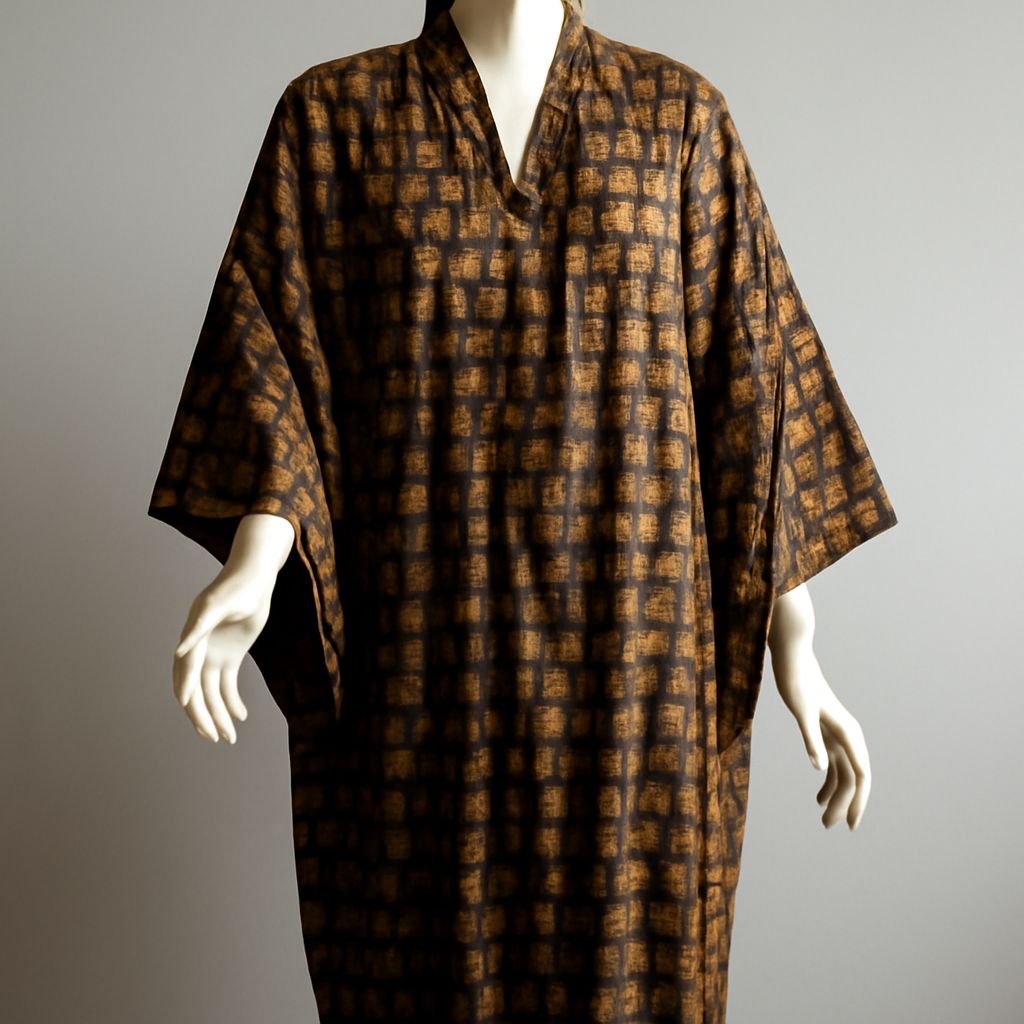
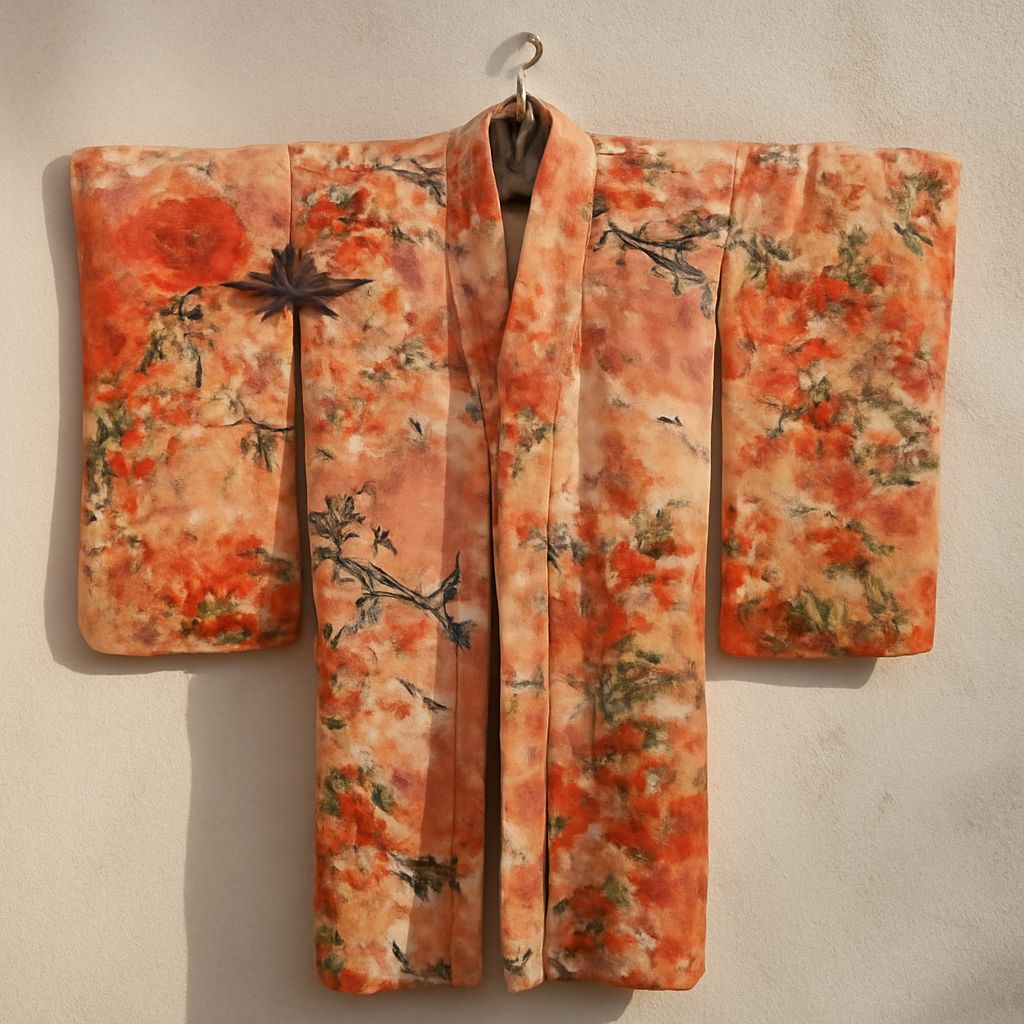
Exaggerated sleeves are especially important. They enlarge gestures and make a character’s emotional state visible from a distance. A performer can spread, sweep or sharply fold the sleeves, turning fabric into part of the acting vocabulary.
Other costumes use stiffness, padding or carefully arranged layers to suggest physical strength, authority or ceremonial rank. A villain may appear narrow and severe, while a heroic figure can occupy more visual space. The silhouette establishes the role before viewers study its details.
How Kabuki Costumes Use Fabric, Pattern and Contrast
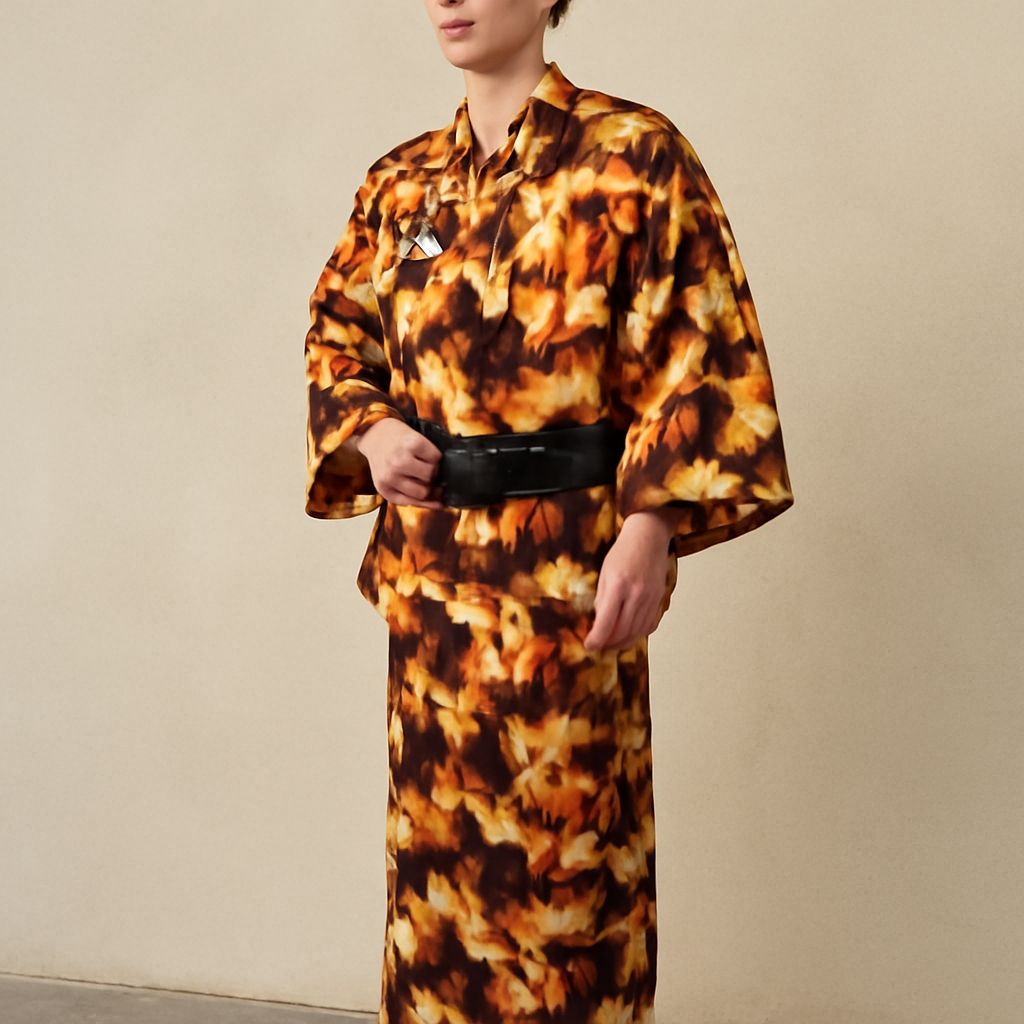
Textiles carry information through scale and contrast. Large flowers, crests, geometric designs and repeated motifs remain readable under stage lighting, where small details may disappear. Bold patterning also gives the garment visual rhythm as the actor walks, turns or poses.
Color contrast separates overlapping layers and clarifies the body’s movement. A bright outer robe against a darker underlayer can emphasize a sleeve gesture. Strong differences between costume, background and skin help the actor remain visible from distant seats.
Color is not a fixed translation system. Red may support a heroic, energetic or auspicious impression; dark colors can intensify menace, gravity or restraint. The meaning changes with the fabric, pattern, role and scene. A costume’s material matters too: glossy silk catches light differently from matte cloth, making rank, wealth or theatrical intensity more apparent.
Kabuki Face Paint, Wigs and Headwear
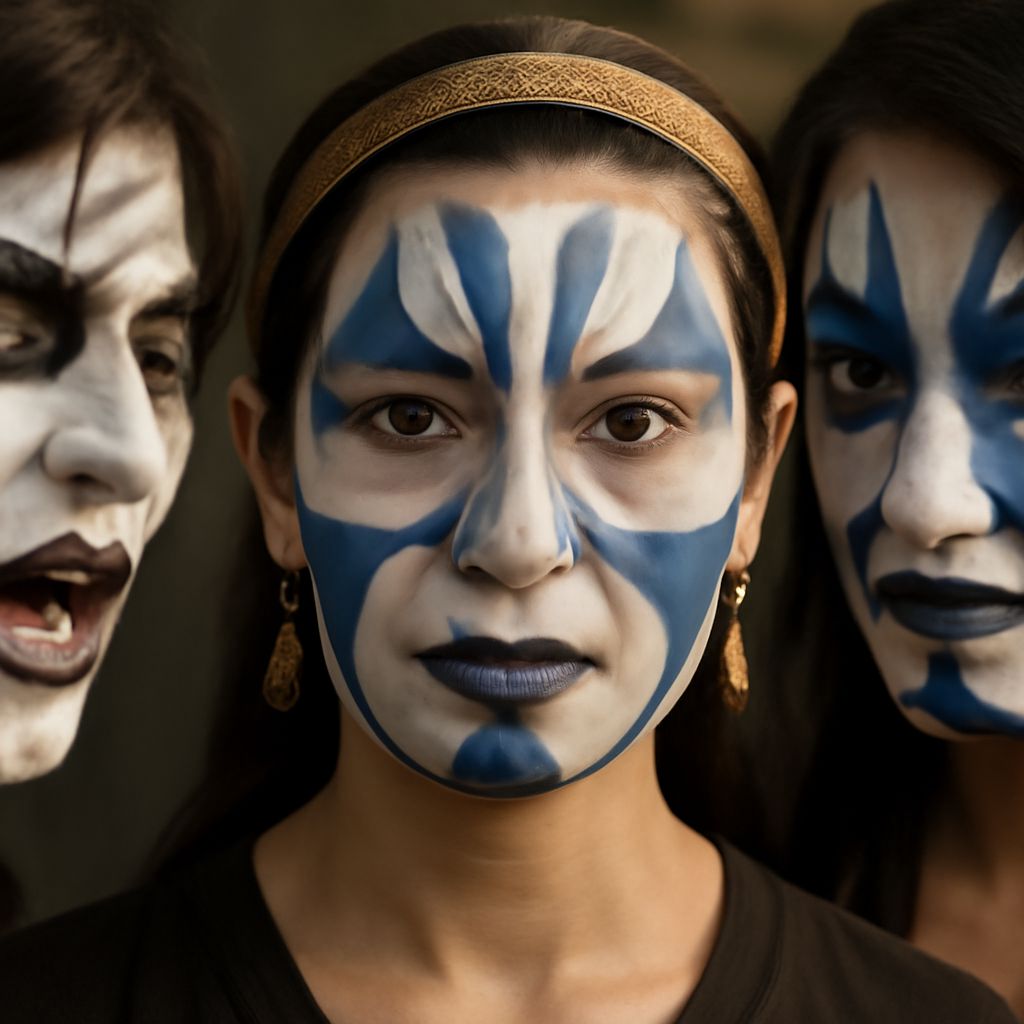
Kumadori is painted facial makeup made with sweeping lines that follow and exaggerate the actor’s features. It is not a mask. The lines create a strong visual structure, enlarging expressions and making the face readable during stylized movement.
Prominent red lines are broadly associated with strength, vitality, heroism or supernatural power. Blue lines may suggest a threatening, villainous or otherworldly temperament. Brown can evoke earthy, rough or animal-like qualities in some roles. These are broad associations, not a universal color code: the exact pattern, placement and role determine the meaning.
The wig, known as a katsura, completes the head and changes the character’s proportions. Its volume, hairline and arrangement can indicate age, gender presentation, occupation or status. Headwear adds another clear cue, whether it suggests a warrior, court figure, religious person or ordinary townsman.
Reading the Complete Character Image
Costume, wig and makeup must be interpreted together for the specific production and role. A large robe may signal authority, but its pattern and sleeve behavior can distinguish a noble figure from a comic one. The same red makeup family can support different characters when the line pattern, wig and costume change.
Start with the silhouette, then examine the textile contrast and the direction of the painted lines. Finally, ask how the wig and headwear frame the face. This sequence shows how the complete design balances social identity, personality and dramatic scale rather than assigning one meaning to a single color or garment.