In Japanese dress, what does obi mean? An obi is a sash or belt worn around the waist, usually over a kimono or another wrapped garment. It is not one fixed design, but a family of sashes whose width, stiffness, fabric, and knot vary.
Geta and hakama are separate clothing elements. Geta are elevated wooden footwear, while hakama are pleated lower-body garments. An obi may complete either type of outfit, but these pieces do not automatically appear together.
What Does Obi Mean in Japanese Clothing?
One Family of Sashes
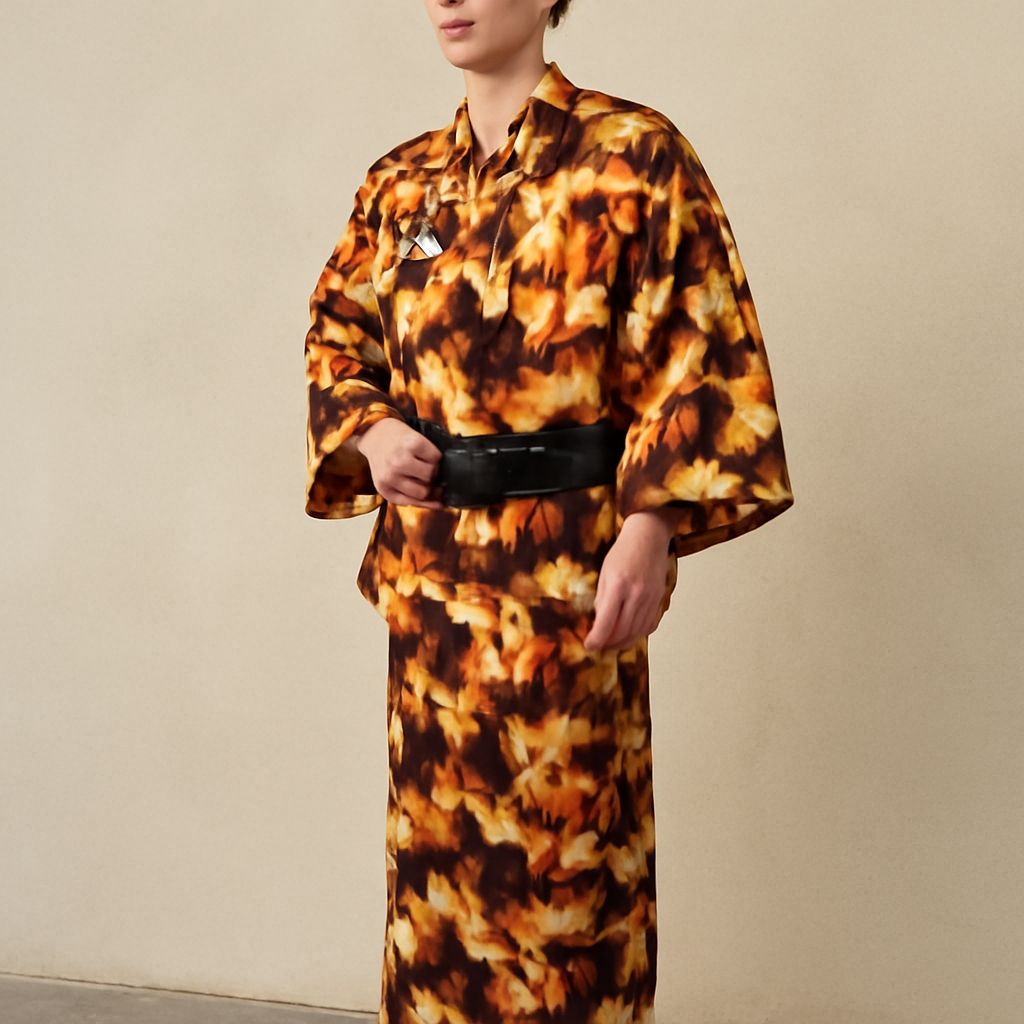
The Japanese word obi refers to a sash or belt. In traditional dress, it secures the layers of a kimono and helps create the garment’s shape. It can also provide a place for accessories, such as a decorative cord, pouch, or ornament.
Obi styles include broad formal sashes, narrower casual versions, and firm men’s belts designed for different garments. Some are tied into elaborate back knots, while others use simpler knots suited to everyday wear or practice clothing.
Form Follows Garment and Occasion
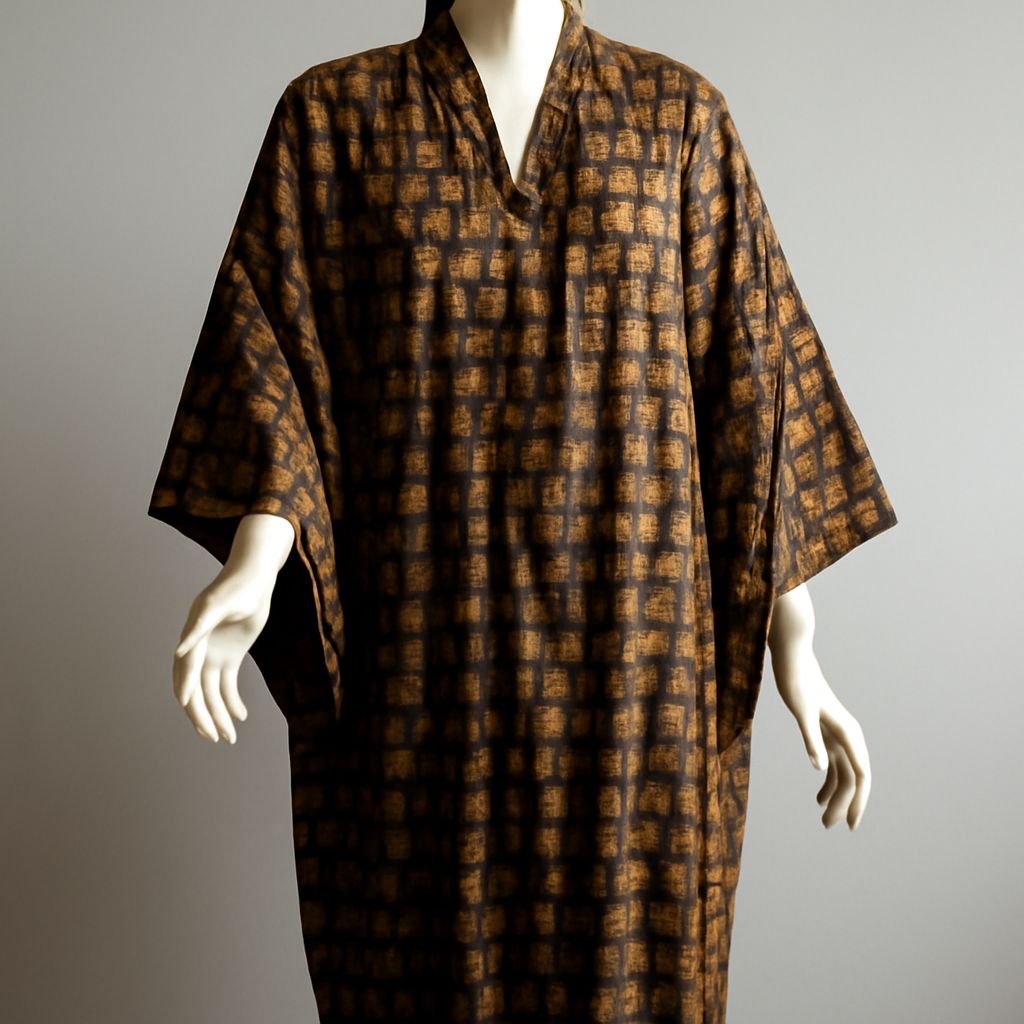
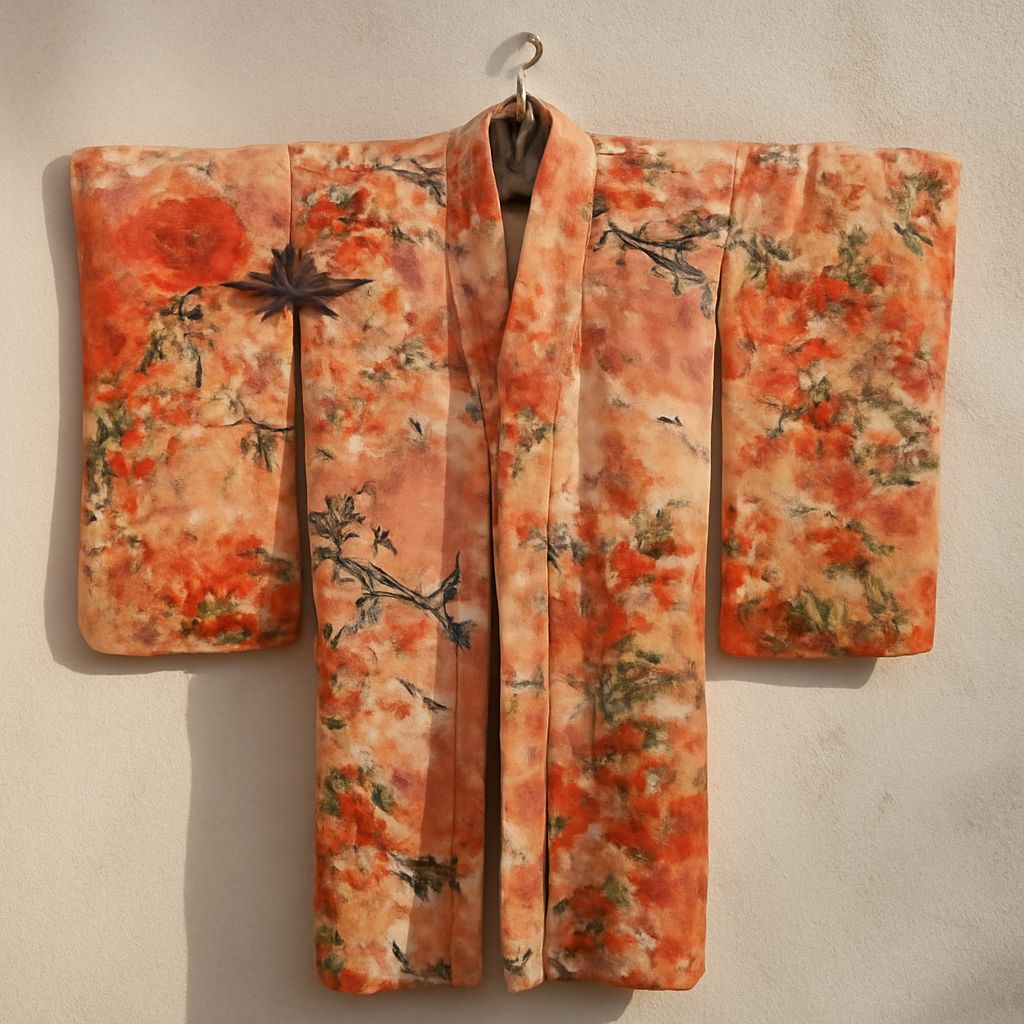
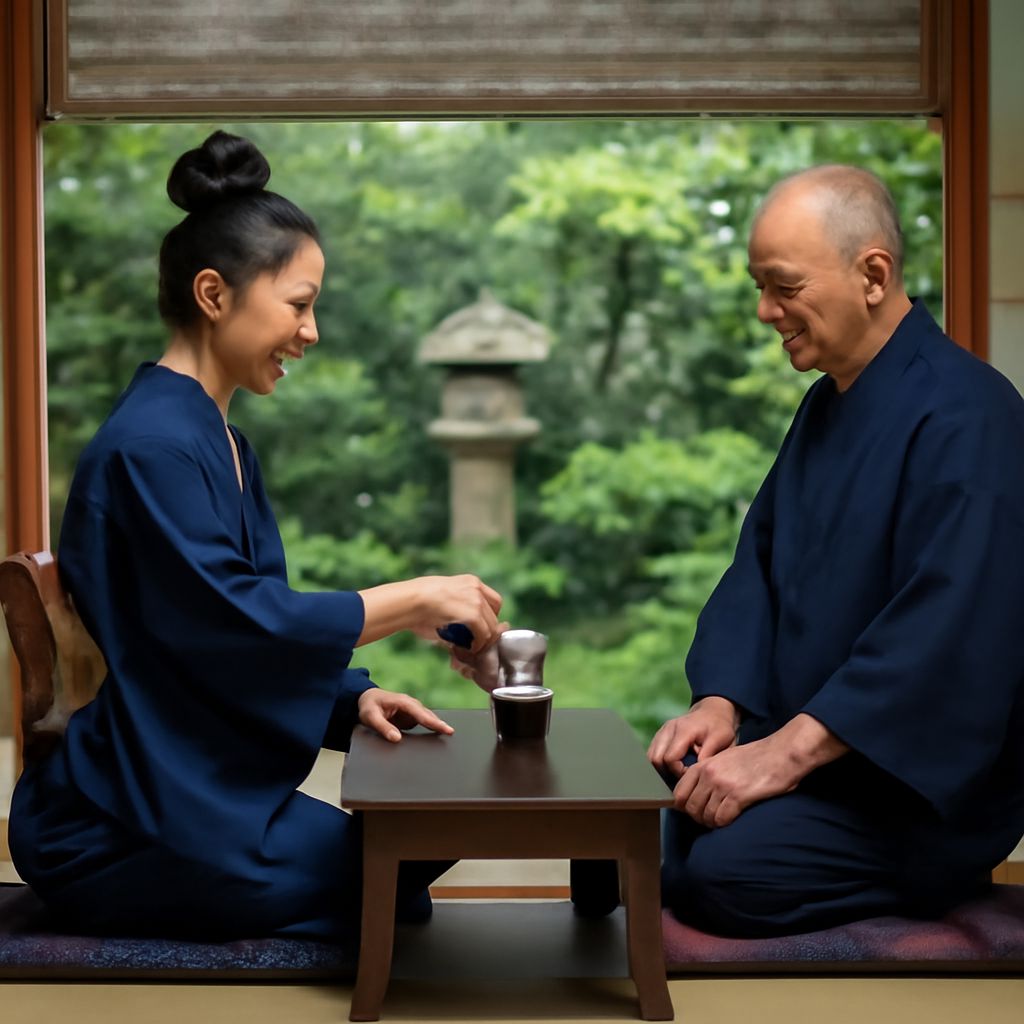
An obi’s form depends on the garment, the wearer, and the occasion. A formal women’s kimono may use a wide, structured obi with a carefully arranged knot. A casual yukata usually takes a lighter, less formal sash. Men’s kimono often use a narrower obi with a compact knot.
Therefore, “obi” identifies the sash category rather than one universal belt shape. Its color, material, width, and knot can signal season, formality, age, or event.
How Japanese Platform Sandals (Geta) Are Made
Wooden Base and Teeth
Geta are traditional Japanese platform sandals made primarily from a wooden base called a dai. Many classic styles have one or two raised wooden teeth, or ha, underneath. A cloth thong, called a hanao, passes between the toes and secures the foot.
The raised base lifts the wearer above wet ground, mud, and rain. The teeth also produce a distinctive walking motion and sound. However, construction differs among geta styles, so not every pair has the same height or tooth arrangement.
Platform Versus Fashion Shoe
The term Japanese platform sandals can describe a broad visual category, but not every elevated sandal is geta. Traditional geta generally combine a wooden sole, thong, and raised supports. A modern fashion platform shoe may have a continuous rubber or foam sole, a heel, straps, or synthetic materials.
Height alone does not make footwear geta. The structure and traditional sandal design matter more than the platform effect.
What Makes Japanese Hakama Pants Distinct?
Pleats, Ties, and Silhouette
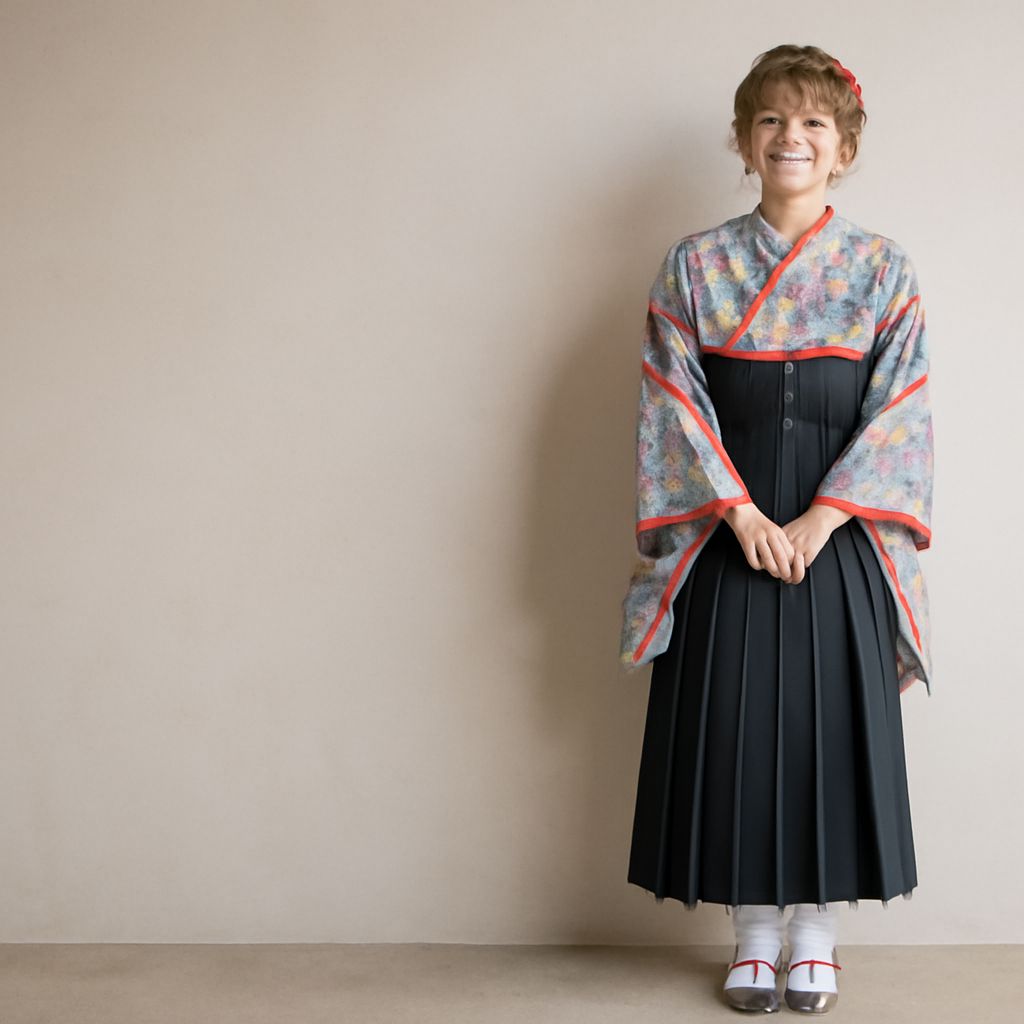
Japanese hakama pants are wide, pleated garments worn around the waist and over another layer of clothing. Their pleats create a controlled, formal silhouette rather than the loose shape of ordinary trousers. Long ties, or himo, wrap around the waist to hold them in place, often with a firm backboard called a koshi-ita.
Hakama may be made from wool, cotton, linen, or more formal woven fabrics. The cut and material change according to use, including ceremonies, martial arts, religious practice, and historical dress.
Divided Versus Undivided
Divided hakama, called umanori, have separate legs and resemble very wide trousers. They allow easier movement, including riding or martial-arts practice. Undivided andon hakama hang like a split skirt or broad skirt-shaped garment without separate trouser legs.
Where the Pieces Appear in Traditional Dress
A formal kimono ensemble may include a kimono, obi, tabi socks, and zori rather than geta. In contrast, a festival outfit may pair a casual kimono or yukata with an obi and geta. For practice dress, a person may wear an obi beneath hakama with a martial-arts jacket and tabi or other suitable footwear.
These examples show why the items should be identified by function: the obi is the waist sash, geta are elevated wooden sandals, and hakama are pleated lower-body garments.