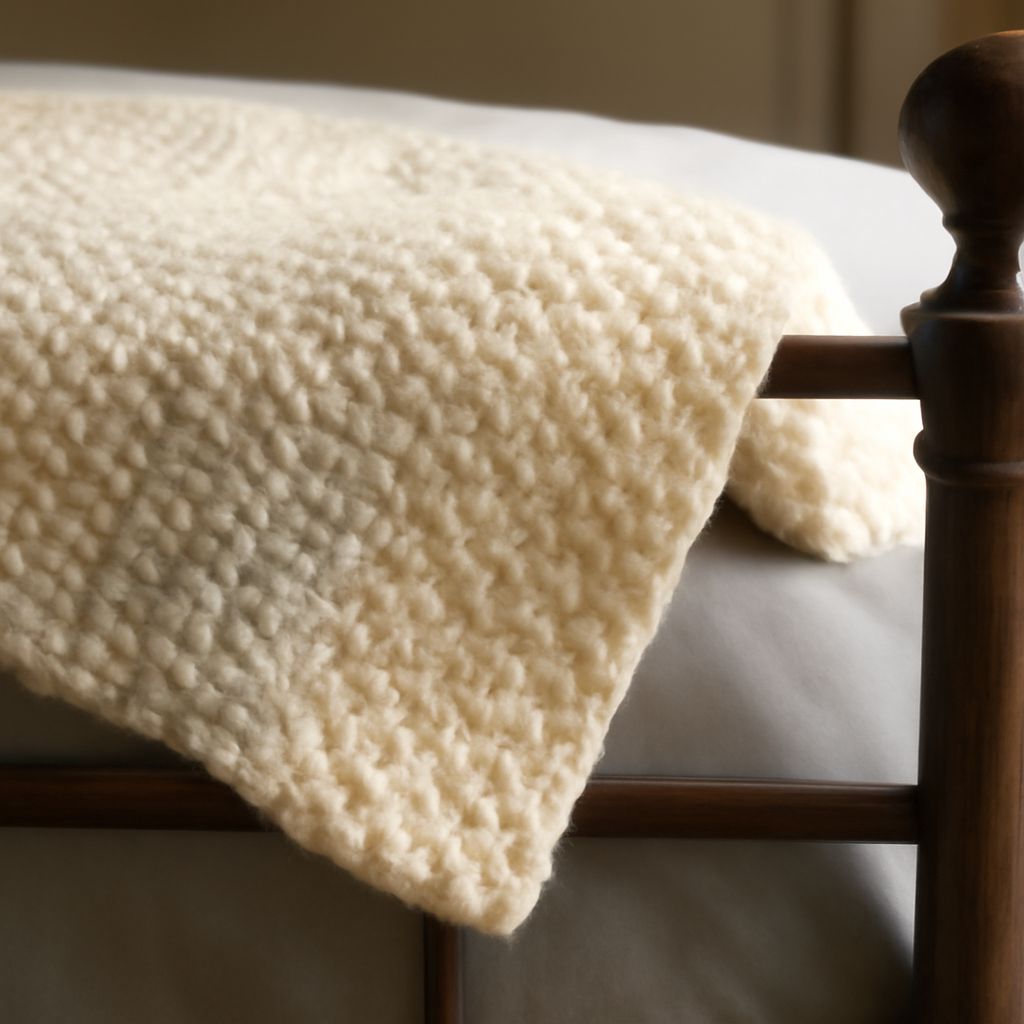
Learning how to knit a cozy blanket is one of the most rewarding projects for beginners and experienced crafters alike. Whether you want a simple throw to snuggle under or a statement piece for your living room, finding the right knit blanket pattern can make all the difference. This guide walks you through the essential features of great blanket patterns, choosing the best materials, a step-by-step beginner pattern, and inspiration from classic afghan knitting patterns.
What Makes a Great Knit Blanket Pattern?
A great knit blanket pattern combines clarity, simplicity, and versatility. For beginners, easy-to-follow instructions and minimal stitch variation are crucial. The best patterns use basic techniques like the garter stitch or stockinette stitch, reducing the chance for mistakes and making progress visible after just a few rows.
Look for patterns that specify recommended yarn weights, needle sizes, and finished dimensions. An ideal knit blanket pattern will offer guidance on customizing length and width, letting you adapt the project to your space or gift-giving needs. Charts or written stitch instructions, and row-by-row breakdowns, help prevent confusion—especially when tackling new skills.
Versatility is another hallmark of excellent blanket knitting patterns. Patterns that scale well—such as those constructed in panels or modular blocks—allow you to use up leftover yarn or mix colors for a personalized look. A well-designed blanket pattern supports both solid colors and stripes or textured motifs, so you can grow your confidence as you knit.
Materials and Yarn Selection
Choosing the right materials is essential for a successful blanket project. Most blanket patterns recommend a medium or bulky weight yarn for warmth, drape, and speed. Acrylic, cotton, and wool blends are popular choices, each offering unique advantages:
- Acrylic: Affordable, hypoallergenic, and machine-washable, making it perfect for family-friendly knits.
- Cotton: Breathable and soft, ideal for lighter blankets or warmer climates.
- Wool blends: Provide extra insulation and moisture-wicking properties, excellent for cozy winter throws.
Needle size impacts both the texture and speed of your blanket. Many knitters prefer circular needles, even for flat blankets, as they comfortably hold large numbers of stitches. Check your pattern for the recommended gauge (stitches per inch) and adjust your needle size if needed to match the finished measurements.
Other supplies to gather include a tapestry needle for weaving in ends, stitch markers if the pattern calls for them, and sharp scissors. If you’re following classic afghan knitting patterns with colorwork, gather all yarn colors before starting to prevent dye lot mismatches.
Step-by-Step: Simple Knit Blanket Pattern
This easy beginner pattern uses the garter stitch for a squishy, reversible texture. The result is a classic throw you can customize by changing the yarn color or size.
- Cast On: Using bulky weight yarn and US 13 (9mm) circular needles, cast on 100 stitches for a lap throw (or adjust for desired width).
- Knit Every Row: Knit every stitch in every row (garter stitch) until the blanket measures your desired length, usually about 60 inches for a throw.
- Bind Off: When you reach the length you want, bind off loosely to maintain stretch at the edge.
- Finish: Weave in yarn tails with a tapestry needle and trim any excess. Block the blanket if needed to even out stitches.
Tips for success: Use a smooth, light-colored yarn so you can easily see your stitches. If you’d like a border, work the first and last five stitches of each row in garter stitch when using other main stitch patterns like stockinette. To add stripes, simply switch yarn colors at the edge of a row.
Exploring Blanket Patterns and Afghan Knitting Patterns
If you’re ready to try more advanced blanket patterns, explore chunky cables, lace motifs, or mosaic colorwork. Many designers, such as Purl Soho, Tin Can Knits, and Yarnspirations, offer free and paid blanket knitting patterns across all skill levels.
Afghan knitting patterns are especially beloved for their variety and tradition. Classic afghans often use panel or block construction, allowing you to join smaller pieces for a large, intricate blanket. This technique is perfect for travel knitting or using up leftover yarn. Examples include the log cabin afghan, chevron stripes, and granny square-inspired motifs adapted for knitting.
When browsing new blanket patterns, consider the intended use: lighter, openwork designs are great for summer, while thick cables and textures excel in the colder months. Whatever your choice, knitting a blanket is both meditative and practical—a project that will keep you cozy for years to come.