Making your own green dye at home is straightforward and rewarding, especially for textile crafts and natural fiber projects. Whether you want a deep forest green or a lighter, leafy hue, this guide will show you how to make green dye from common plants and kitchen ingredients. Follow this green dye recipe for vivid, lasting color on fabric, yarn, or paper.
What You Need to Make Green Dye
To get started, gather the right supplies. The best green dye results come from fresh plant materials and basic kitchen tools. Here’s what you’ll need:
- Plant material: Spinach, parsley, nettle, or other leafy greens (about 2–3 cups packed, fresh)
- Water: 4 cups (for simmering)
- White vinegar or salt: 1/4 cup (acts as a mordant to help set the color)
- Pots: One large stainless steel or enamel pot for dyeing, one for preparing mordant
- Strainer or cheesecloth: For separating plant matter from the liquid dye
- Wooden spoon: For stirring
- Gloves: To protect hands from staining
- Natural fiber fabric or yarn: Cotton, silk, wool, or linen (pre-washed for best results)
Optional but helpful: A thermometer to monitor water temperature, and rubber bands or string if you plan to tie-dye.
How to Make Green Dye: Step-by-Step Instructions
Follow these steps for a reliable green dye recipe that works on most plant-based or protein fibers. The process involves extracting the dye, preparing your fabric, and dyeing it for lasting results.
- Prepare the fabric: Wash the fabric or yarn with mild soap to remove sizing or residues. Rinse and set aside.
- Make the mordant bath: To help the dye bind to the fabric, dissolve 1/4 cup of white vinegar or salt in 4 cups of water. Add your fabric and simmer gently for 1 hour. Remove fabric and rinse in cool water.
- Extract the green dye: Coarsely chop your leafy greens and place them in a large dye pot. Add 4 cups of water for every 2–3 cups of greens. Bring to a simmer (not a boil) over medium heat and cook for 45–60 minutes, stirring occasionally. The liquid should turn a deep green.
- Strain the dye: Use a fine strainer or cheesecloth to remove solids, leaving only the liquid dye.
- Dye your fabric: Submerge pre-mordanted, damp fabric in the warm dye bath. Simmer gently for 30–60 minutes, stirring to ensure even coverage. For stronger color, allow the fabric to soak in the dye as it cools overnight.
- Rinse and dry: Remove fabric, rinse well in cool water until it runs clear, and hang to dry away from direct sunlight.
You now have naturally dyed fabric in a beautiful, earthy green. Color intensity will depend on the plant used, soaking time, and fabric type.
Green Dye Recipe Variations
Using Spinach and Other Greens
Spinach produces a soft, light green that’s excellent for delicate projects. Nettle creates a deeper, more olive-toned green. You can also experiment with kale, chard, or carrot tops, adjusting quantities for desired strength. Fresh leaves yield better color than frozen or wilted greens.
Combining Natural Dyes
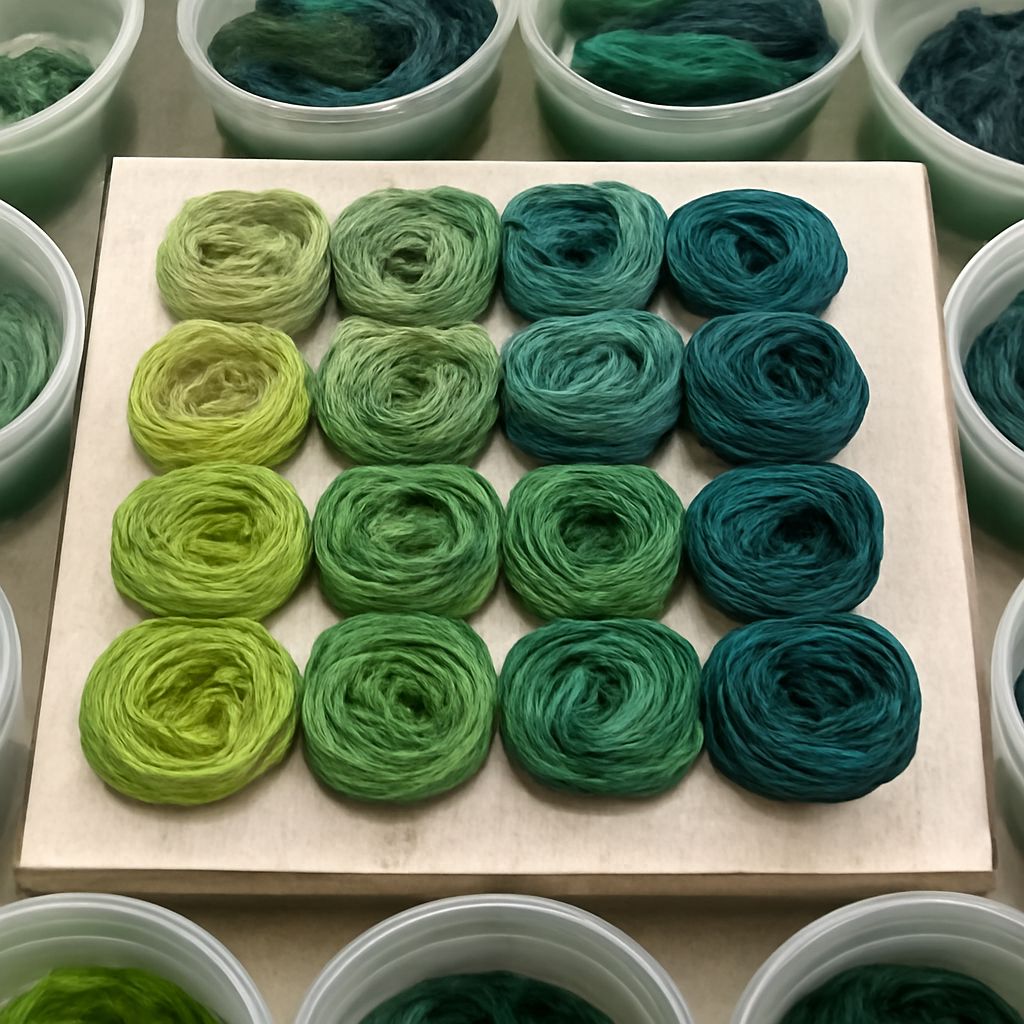
If you want a custom shade, you can mix natural dyes. For example, combine yellow from turmeric or goldenrod with a blue dye made from red cabbage or blueberries (plus baking soda to shift cabbage dye blue). Mix the yellow and blue batches together and then dye your fabric for a bright, grassy green. Test dye amounts on fabric scraps to dial in your preferred shade.
Tips for Best Results
For vibrant and lasting green, always mordant your fabric. The color may fade if washed with strong detergents or exposed to sunlight over time, so wash dyed items with gentle, pH-neutral soap and air dry. Hard water can affect dye uptake, making colors less vivid—distilled water can help if your tap water is mineral-rich.
Keep notes on plant type, water temperature, and dye times for future batches. If you want patterns, try tie-dye or shibori folding techniques before dyeing. Remember that natural dyes are less predictable than synthetic ones, so each project is unique. With practice, you’ll learn how to make green dye that perfectly suits your textile crafts.