Crossdressing is wearing clothing, styling hair, makeup, or accessories culturally associated with a gender different from the one expected of you. It is a visual practice, not proof of a particular gender identity or sexual interest.
If you are learning how to be a crossdresser, start with comfort and coordination rather than transformation. The search spelling “crossdresing” refers to the same subject. A useful first look needs suitable garments, accurate measurements, a balanced silhouette, and presentation choices that feel manageable.
Crossdressing: Crossdresser, Cross-Dressed, and “crossdresing” Explained
A crossdresser is someone who wears clothing or uses presentation choices culturally linked with another gender. People may crossdress occasionally, regularly, privately, publicly, for creative work, or simply to explore a style. The word describes an activity or presentation choice. It does not define someone’s gender.
Crossdressed describes a person, outfit, or appearance after the clothing has been chosen. For example, “a crossdressed performer” or “a crossdressed look” describes visible styling. Cross-dressed is also a common hyphenated form. Both forms refer to presentation, not an assumed identity.
Crossdressing can involve a complete outfit, or only one element such as a skirt, blouse, wig, nail color, or jewelry. There is no required level of femininity or masculinity. Likewise, makeup, body shaping, heels, and wigs are optional tools. The goal is to create an appearance you enjoy and can wear comfortably.
Crossdressed Looks: A Crossdressing Guide to Purpose, Fit, and Silhouette
Build a first outfit in this order: decide the purpose, take measurements, choose base garments, shape the outfit, then add shoes and accessories. These crossdresser tips prevent impulse purchases from becoming uncomfortable or visually disconnected.
- Choose the purpose. Decide whether the look is for a short home session, photographs, an event, performance, or ordinary public wear. This determines how much movement, coverage, durability, and privacy you need.
- Take measurements. Record your chest or bust, natural waist, fullest hip, shoulder width, and inseam. Compare those numbers with each retailer’s chart rather than trusting a familiar size. For skirts and dresses, waist and hip measurements usually matter most.
- Select base garments. Begin with comfortable underwear, a camisole, tights, leggings, or simple shorts beneath the main pieces. A bra, breast forms, or light shapewear can change the outline, but none is required. Avoid anything that restricts breathing or pinches after several minutes.
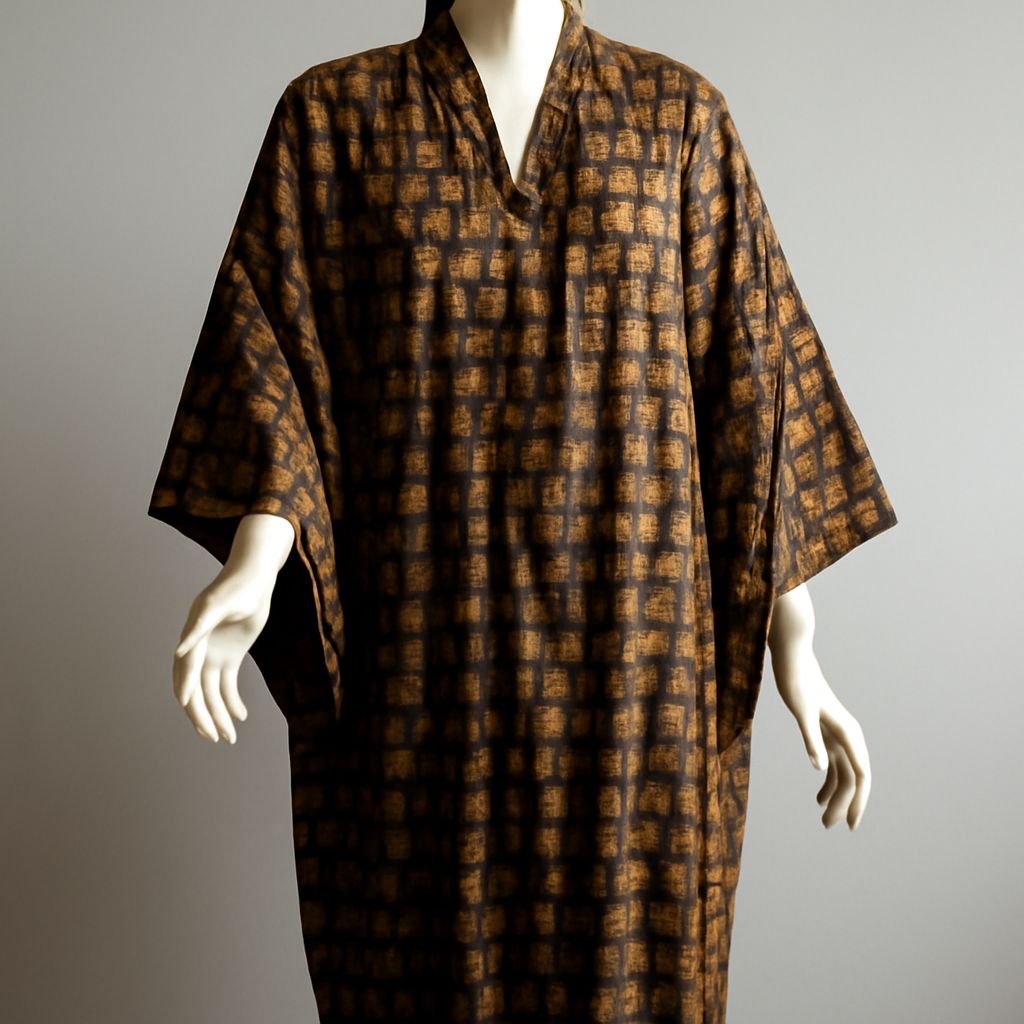
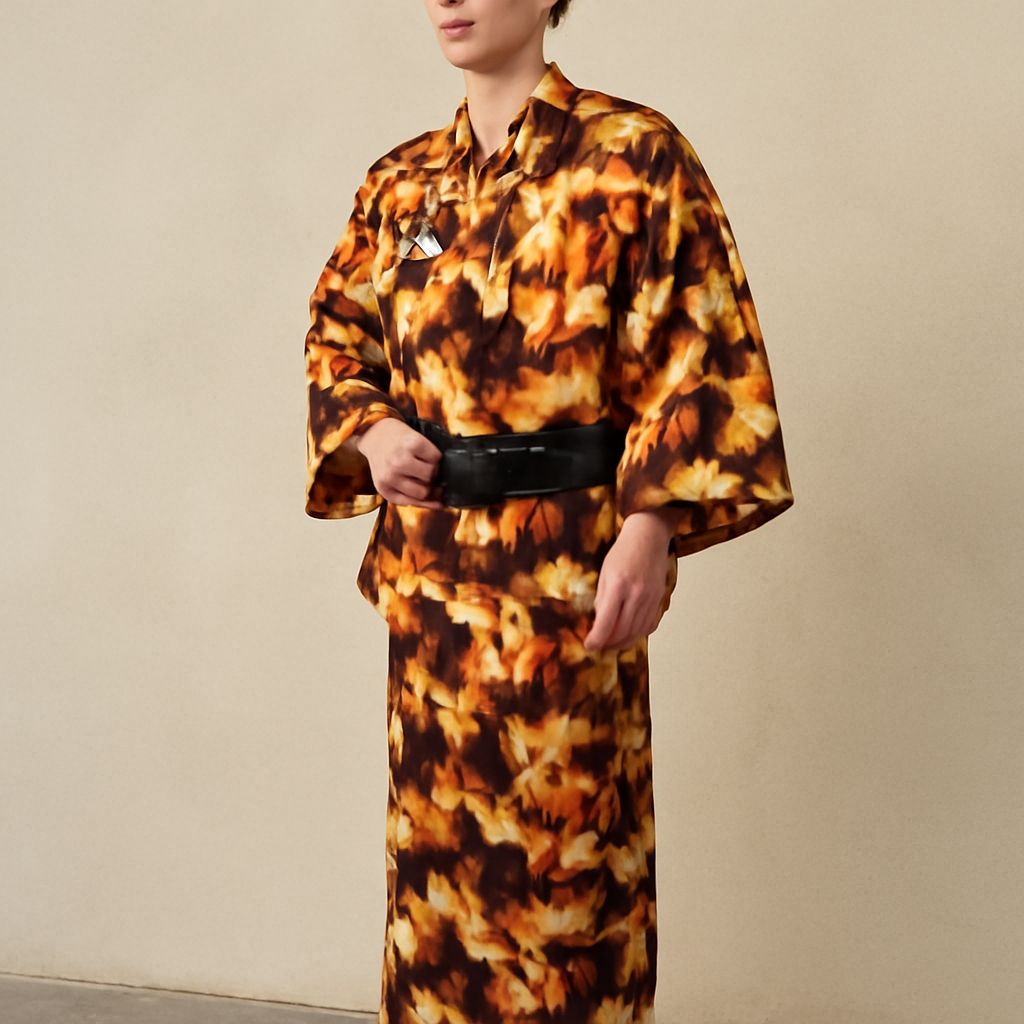
- Create a silhouette. Pair one close-fitting item with one relaxed item, such as a fitted top and an A-line skirt, or a straight dress with a light cardigan. High-waisted garments visually lengthen the legs; open layers add vertical lines. Choose a shape that reflects your body instead of forcing it.
- Control color and proportion. Two or three main colors are easier to coordinate than a crowded palette. If a garment has volume, keep nearby pieces simpler. Check the hem, neckline, sleeve length, and waist placement from the front and side.
- Choose shoes and accessories last. Start with stable flats, ankle boots, or low block heels. Walk, sit, and use stairs before committing to a pair. Add one or two finishing details, such as earrings, a belt, a handbag, or a watch, rather than every accessory at once.
Comfort is part of fit. Stretch fabric can help, but it should recover without digging into the skin. A crossdressed outfit looks more coherent when each piece supports the same level of formality and movement. If one item rides up, slips, scratches, or needs constant adjustment, replace that item before adding more styling.
Makeup, Hair, and Accessories: Crossdresser Tips for Presentation
Makeup is a presentation tool, not a requirement for crossdressing. For a beginner, clean moisturized skin, a small amount of tinted moisturizer or foundation, concealer where needed, mascara, and lip balm or tint can create a polished result without demanding advanced technique.
Apply thin layers in natural light. Blend foundation past the jawline, and use less product around the eyes and nose to reduce creasing. If facial hair shadow concerns you, a small amount of peach or orange color corrector beneath concealer may help, depending on your skin tone. Test products on a small area first, and remove makeup gently at the end of the session.
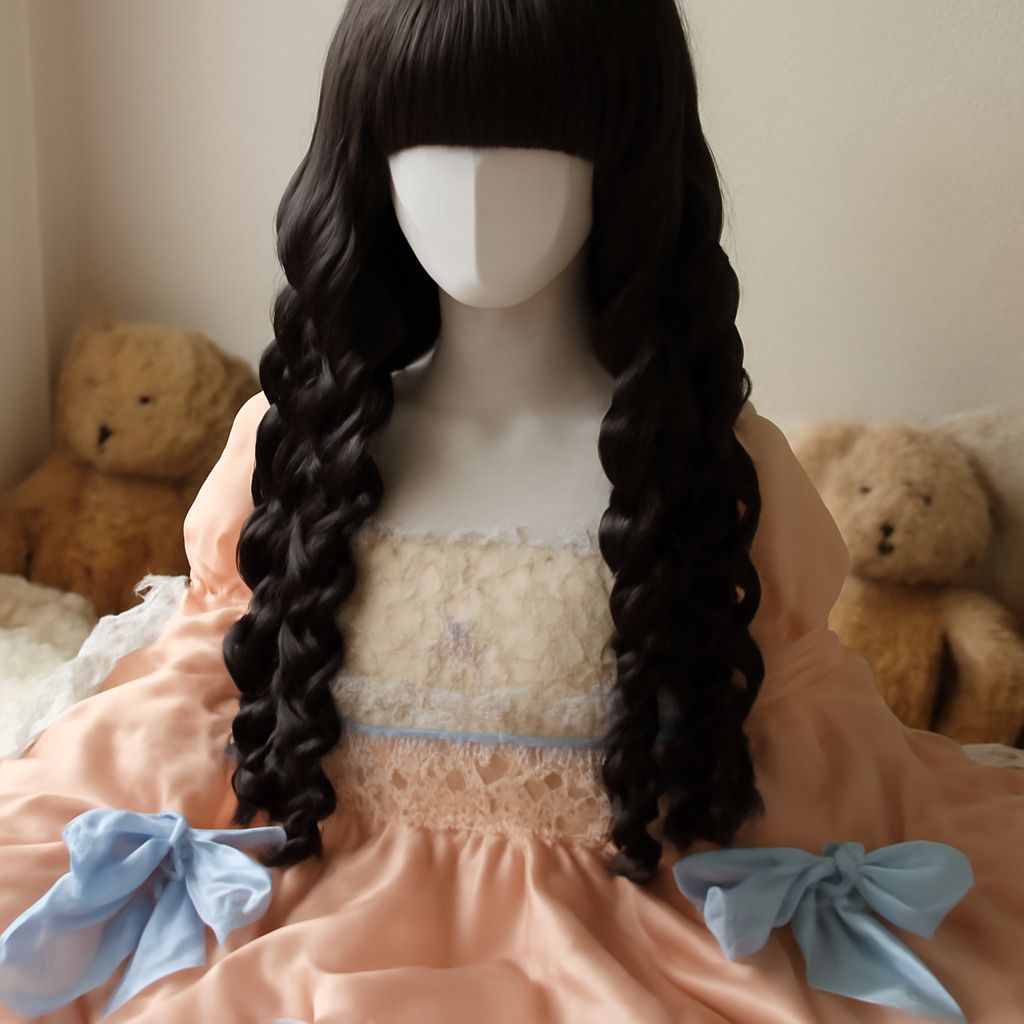
Hair changes the outline of the face quickly. Your own hair can be brushed, parted, clipped, or styled with a simple heat-free technique. A wig offers another option; measure your head, secure the wig cap comfortably, and choose a style that suits the outfit’s formality. Accessories should support the look. Small earrings, a coordinated bag, or a defined brow may be more effective than several competing details.
Crossdressing and Josou: How to Be a Crossdresser, Plus a First-Look Checklist
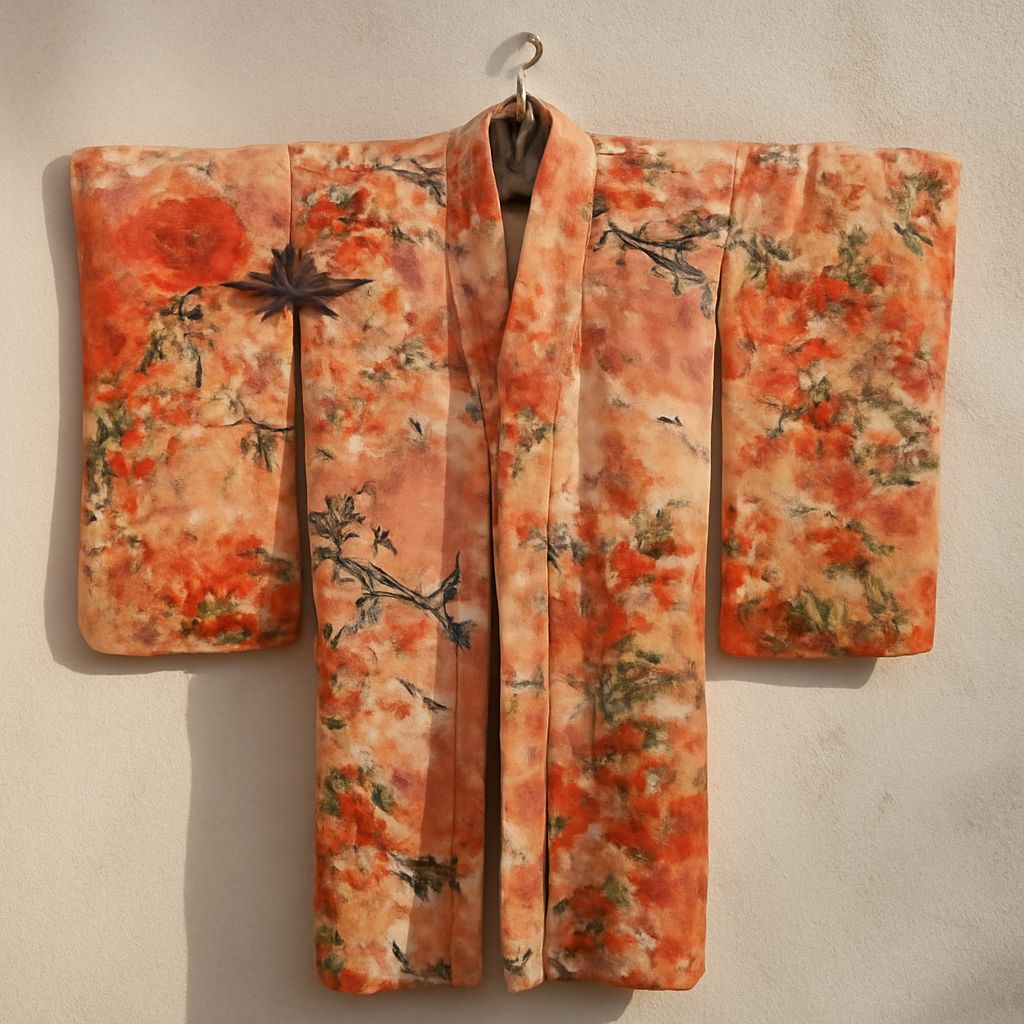
Josou (女装), often romanized as joso or josou, is a Japanese term generally used for dressing or presenting in clothing culturally associated with women. Its meaning and use vary by setting. It appears in Japanese visual culture through manga, anime, cosplay, stage performance, photography, and online styling communities. Some examples emphasize polished femininity, while others are character-based, playful, or theatrical.
Josou is a cultural frame, not a universal rulebook and not an automatic statement about gender identity or sexuality. Someone outside Japan can understand the practical ideas—coordinated grooming, intentional silhouettes, and attention to detail—without copying a stereotype or treating Japanese media as a single tradition.
Use this first-look checklist before leaving the mirror:
- Purpose: Can you name the setting and the comfort level you need?
- Measurements: Did you check the garment chart against your chest or bust, waist, hips, shoulders, and inseam?
- Base: Are the underwear, bra, forms, tights, or shaping layers comfortable for at least ten minutes?
- Silhouette: Does the outfit have a clear shape from the front and side, without forcing any body area?
- Balance: Do the colors, hem lengths, neckline, and formality of each piece work together?
- Movement: Can you walk, sit, raise your arms, and use the restroom without constant adjustment?
- Finish: Do hair, makeup, shoes, and accessories add intention without becoming distracting?
The finished result should feel secure, wearable, and visually deliberate. If a seam pinches, a shoe feels unstable, or an accessory keeps catching, remove or replace that element before refining anything else.