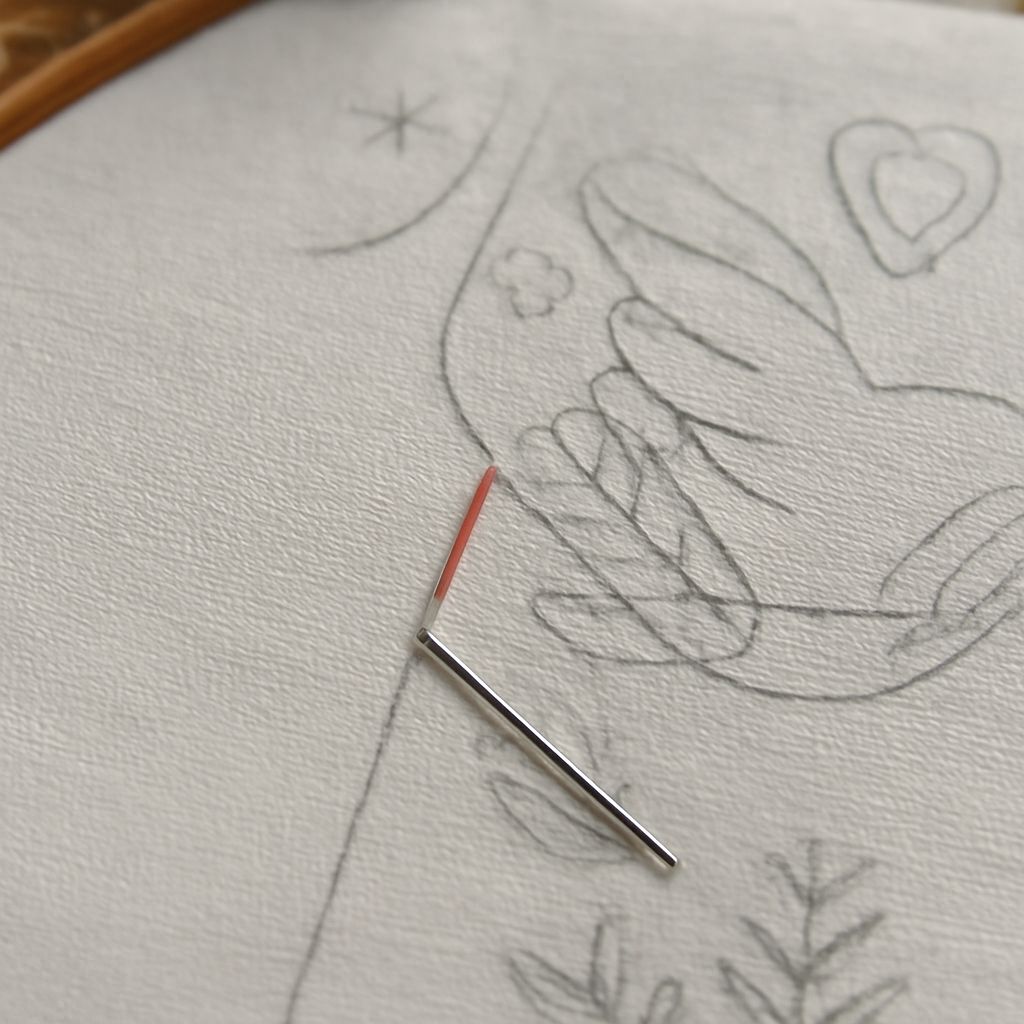
The backstitch is an essential technique in embroidery, prized for its durability and versatility. Whether you’re embellishing fabric with intricate designs or sewing seams, mastering the backstitch opens up a world of creative possibilities. This guide will teach you how to backstitch by hand, providing clear steps and tips for perfect back stitch embroidery.
Understanding the Backstitch
The backstitch is a simple yet effective stitch used in embroidery and sewing. It creates a continuous line, ideal for outlining designs or adding detail. Its strength makes it perfect for seams that need extra durability. To execute a back stitch, you’ll create overlapping stitches that mimic a continuous line, ensuring a neat and polished look.
Materials Needed
- Embroidery floss or thread: Choose a color that complements your fabric.
- Needle: An embroidery needle with a sharp point works best.
- Fabric: A plain fabric like cotton or linen is ideal for beginners.
- Embroidery hoop: This keeps the fabric taut and makes stitching easier.
- Scissors: For cutting thread to the desired length.
Step-by-Step Backstitch Guide
- Prepare your materials: Cut a length of embroidery floss (about 18 inches) and thread your needle. Secure the end with a knot.
- Position the fabric: Place your fabric in the embroidery hoop, ensuring it is taut and wrinkle-free.
- Start the stitch: Bring the needle up through the fabric at your starting point.
- Make the first stitch: Insert the needle back into the fabric about 1/8 inch away from the starting point, creating your first stitch.
- Continue the line: Bring the needle up through the fabric 1/8 inch further along the line. Insert it back into the end of the previous stitch, overlapping slightly.
- Repeat: Continue stitching by repeating the process, ensuring each new stitch starts where the last one ended.
- Finish the stitch: Once you complete your design, secure the thread on the back of the fabric with a small knot.
Tips for Perfect Back Stitch Embroidery
- Consistent stitches: Aim for even stitch lengths to maintain a uniform appearance.
- Tension control: Keep the thread tension consistent to avoid puckering the fabric.
- Practice patterns: Start with simple designs to practice control and precision.
- Use quality materials: High-quality thread and a sharp needle enhance the final look.