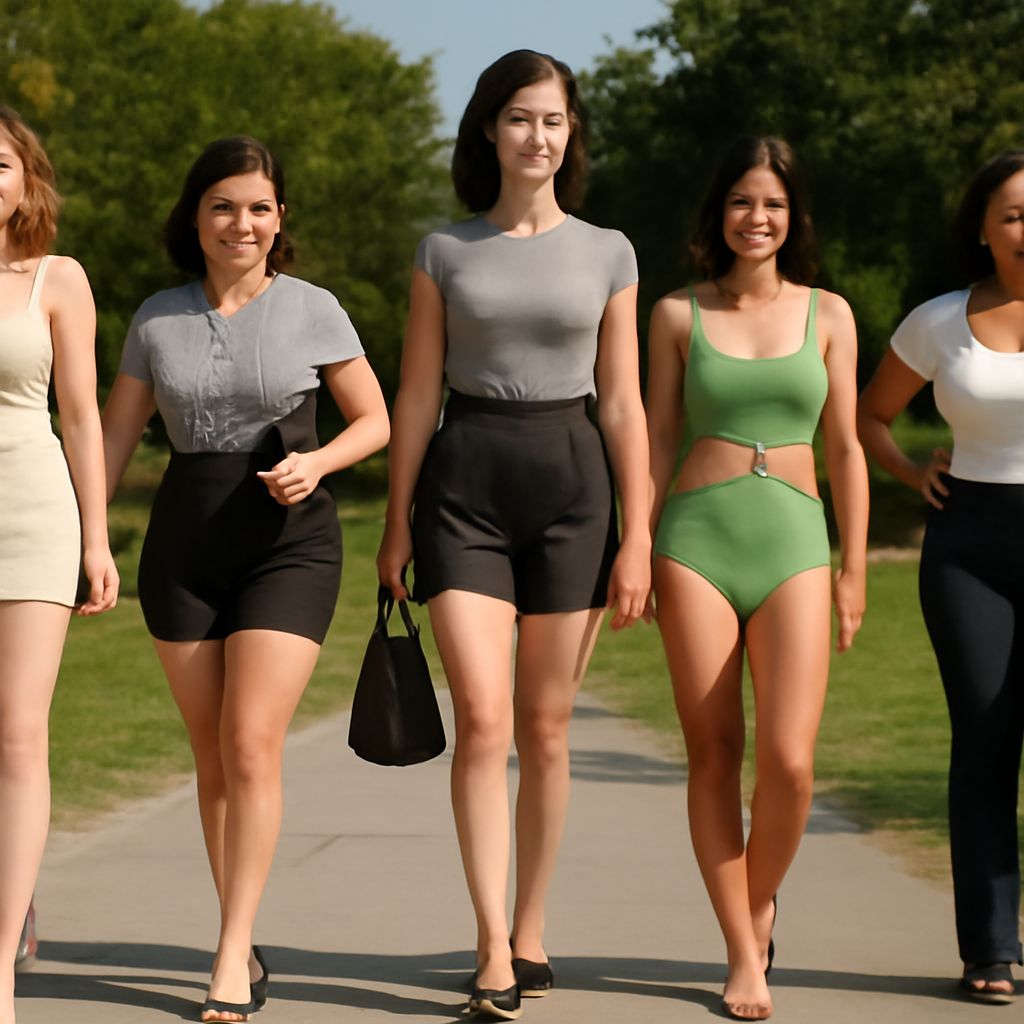
A jacket’s shoulder line, the weight of its fabric, and the length of a skirt can change how an entire outfit reads. Stylist David Kibbe’s image system offers a vocabulary for exploring those relationships. What are often called his body-type categories are better understood as a styling framework: they describe an intended visual effect, not a scientific classification of bodies.
Kibbe and the Idea of Image Identity
The approach began with Metamorphosis in 1987 and was revisited in David Kibbe’s Power of Style, published in 2025. The publisher’s description identifies Image Identity as the stylist’s system and places it in a head-to-toe approach. Hair, color, accessories, fabric, and silhouette contribute to the overall impression rather than acting as isolated rules.
Within this vocabulary, yin is associated with visual softness and rounded qualities, and yang with sharper, straighter or more expansive qualities. These are terms in a particular styling theory, not measurements of personality, gender, or worth. The aim of an outfit experiment is to observe the effect of shape and detail, then choose what feels expressive and practical.
Searches for kibbe body types often lead to conflicting lists. The original book included 13 identities, including Natural, Classic, and Gamine as standalone categories. A review comparing the two books reports that the 2025 book presents ten identities, with those three names used as family groupings rather than separate identities. Older guides and quizzes may still use the earlier list. The descriptions below use the ten-name version and offer outfit ideas for exploration, not a substitute for the author’s full method.
Five Families and Ten Identities
The stylist’s identity families group related visual ideas; their named identities describe different emphases within those groups. A garment does not acquire an identity on its own. A softly draped blouse, for example, will look different with a long skirt and fluid coat than with cropped pants and a crisp jacket.
Dramatic: Dramatic and Soft Dramatic. The first emphasizes an elongated, sharp impression; the second combines a long line with softness and curve. To explore the contrast, compare a straight, structured long jacket and narrow trousers with a long dress in a fluid fabric that follows the body. A pointed collar, a long necklace, or a larger soft drape changes the emphasis without changing the wearer’s identity.
Natural: Flamboyant Natural and Soft Natural. The family is commonly described in terms of an open, less sharply tailored effect. The Flamboyant variation combines an extended line with relaxed breadth; the Soft variation introduces more softness and shaping. Try a long, unconstructed jacket over wide-leg trousers, then a softly gathered top with a gently shaped waist. Linen blends, supple knits, and fabrics with movement can make the difference in outline visible.
Classic: Dramatic Classic and Soft Classic. Both explore a balanced, composed impression. The Dramatic variation adds a sharper edge; the Soft variation favors a smoother, gentler finish. A tailored blazer with straight trousers illustrates the first direction, while a softly shaped jacket and fluid knee-length skirt offer the second. Medium-scale details and a coordinated color palette keep attention on proportion rather than any single ornament.
Gamine: Flamboyant Gamine and Soft Gamine. These identities emphasize contrast and a compact, animated effect, with the Flamboyant variation leaning sharper and the Soft variation rounder. A cropped jacket, contrasting top, and ankle-length trousers create distinct sections; a short rounded cardigan with a softly shaped skirt offers another interpretation. A high-contrast accessory can show how a small detail shifts the whole look.
Romantic: Romantic and Theatrical Romantic. Both are associated with softness and curve; Theatrical Romantic introduces a sharper accent. A fluid wrap-style dress with gentle waist definition is one experiment. A similar dress with a more pointed neckline or a crisp, narrow accessory provides a second. The difference is an effect in the complete composition, not a demand for a particular body shape.
These are working examples of the stylist’s image identities, not fixed shopping lists. A person may enjoy a relaxed jacket and a sharply geometric accessory together. Altering hem length, fabric weight, or the degree of waist shaping often teaches more than trying to make a single item fit an abstract category.
Read Silhouette, Fabric, and Detail Together
Silhouette is the outer shape created by clothes on the wearer. A long uninterrupted column can be made with a coat and trousers close in color; a cropped jacket over contrasting pants divides the same figure into shorter sections. Neither effect is inherently better. For this image-identity approach, the useful question is which impression suits the occasion and the person wearing it.
Fabric changes that outline. A firm woven cloth can hold a sharp shoulder or a straight hem away from the body, while a fluid fabric falls into folds and responds more closely to movement. A medium-weight knit may do a little of both. To understand the difference, compare garments of similar length in different materials and look at them standing and walking.
Details have scale and placement. A broad lapel, small rounded collar, large print, and fine trim each draw the eye differently. Accessories can repeat a shape already present in the outfit or introduce contrast. With the same plain dress, a long geometric pendant and a short rounded necklace create noticeably different focal points.
The phrase kibbe type can suggest that a label must come before clothing choices. In practice, a reader can explore proportions first: note where a garment pulls, how it moves, and whether the overall effect feels composed, relaxed, dramatic, or playful. Those observations remain useful even without settling on one of the stylist’s types.
Use the Framework Without Making It a Rulebook
Online discussions of kibbe body types can turn visual descriptions into rigid checklists. The original and later books were written as styling systems, and brief summaries cannot diagnose an identity from a single measurement, photograph, or facial feature. A body-style identity label is optional; comfort, access to clothing, personal expression, and the requirements of an occasion are practical considerations in their own right.
This is especially helpful when assembling a gender expression or a character look. A wearer might deliberately choose a broad shoulder to create a stronger line, soft draping for movement, or a cropped silhouette for contrast. Tailoring, padding, underlayers, and styling all affect the result. The framework supplies terms for discussing those choices without assigning an identity to the wearer.
For a direct comparison, assemble two outfits from clothes already available. In the first, pair a long jacket with a similarly colored top and straight trousers; in the second, wear a cropped, contrasting jacket over the same top and trousers. Photograph both from the same distance, then move, sit, and look again in this image-style exercise. Compare the length of the visual line, the position of the color break, and which combination feels more like the intended expression. Keep the preferred elements and adjust the rest.