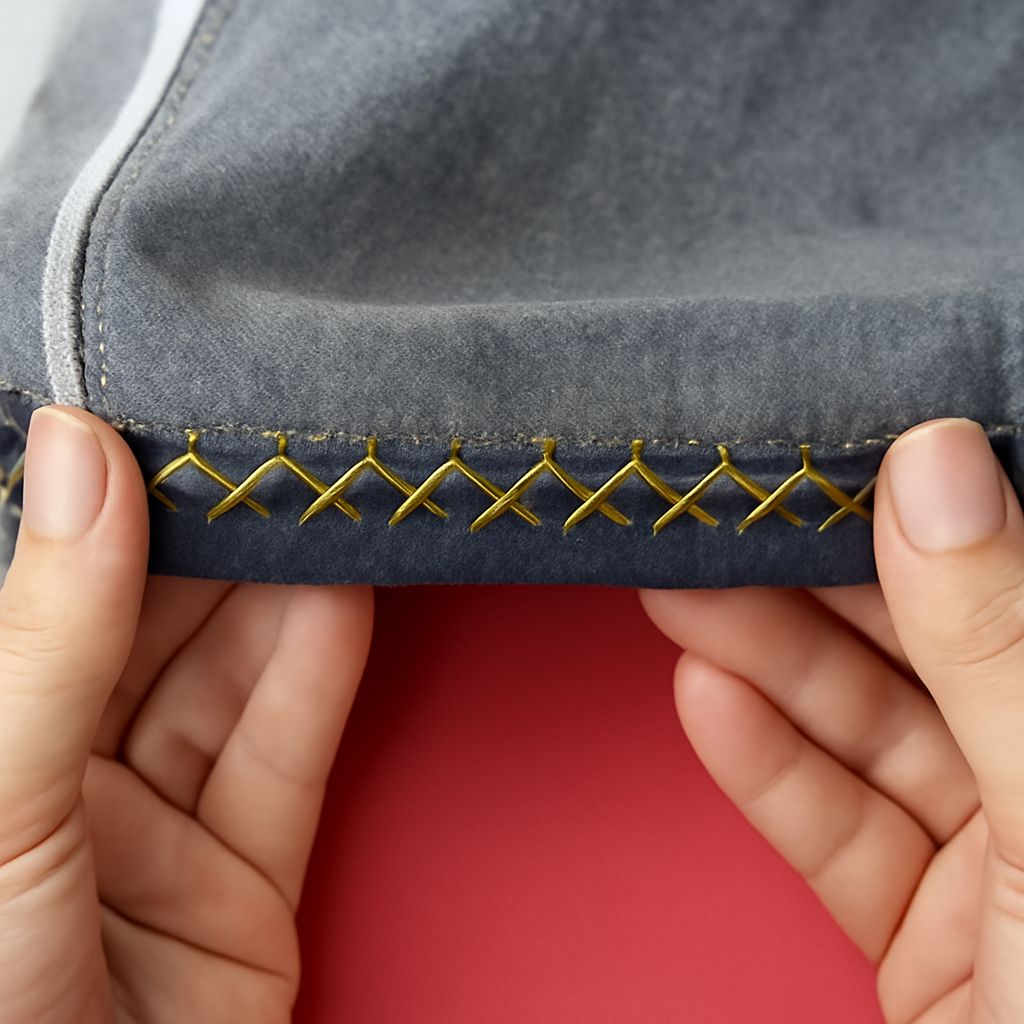
Learning how to hand sew is a valuable skill that allows for creativity and precision in crafting and repairing textiles. Whether you’re mending clothes or starting a new project, sewing by hand offers a personal touch that machines can’t replicate. This guide will walk you through the basics, from essential materials to vital stitches, ensuring you gain confidence and skill in hand stitching.
Getting Started
Before diving into how to sew by hand, gather the necessary materials. You’ll need needles, thread, fabric, scissors, and a thimble. Choose a needle that corresponds with your fabric type; finer needles are suited for delicate fabrics, while thicker needles are for heavier materials. Thread comes in various types and weights—cotton or polyester is typically suitable for beginners.
Essential Stitches
Mastering basic stitches is crucial in your hand sewing journey. Begin with the running stitch, which is used for seams and gathering fabric. Simply pass the needle in and out of the fabric at regular intervals. Next is the backstitch, known for its strength and durability, ideal for seams that need to withstand tension. The process involves stitching backward over the spaces of the previous stitch. Finally, learn the whip stitch for hemming and closing seams. This stitch involves passing the needle through the fabric edges at a diagonal.
Tips for Success
To enhance your hand sewing skills, practice regularly and start with simple projects. Maintain even tension in your stitches to prevent puckering. Use a thimble to push the needle through thick fabrics without straining your fingers. Keep your stitches consistent in size and spacing for a neat finish. Lastly, ensure your workspace is well-lit and organized to make the process enjoyable and efficient.