The Sunny 16 rule is a classic guideline in photography that helps photographers achieve proper exposure settings during bright daylight conditions. This rule is particularly useful for those who prefer manual settings over automatic modes. By understanding and applying the Sunny 16 rule, photographers can capture well-exposed images without relying on a light meter.
What is the Sunny 16 Rule?
The Sunny 16 rule states that on a sunny day, you should set your aperture to f/16 and your shutter speed to the reciprocal of the ISO setting. For example, if your ISO is set to 100, your shutter speed should be 1/100 second. This combination allows for optimal exposure in bright sunlight. This rule simplifies exposure settings, enabling photographers to adjust their cameras quickly without complex calculations.
Using the Sunny 16 Chart
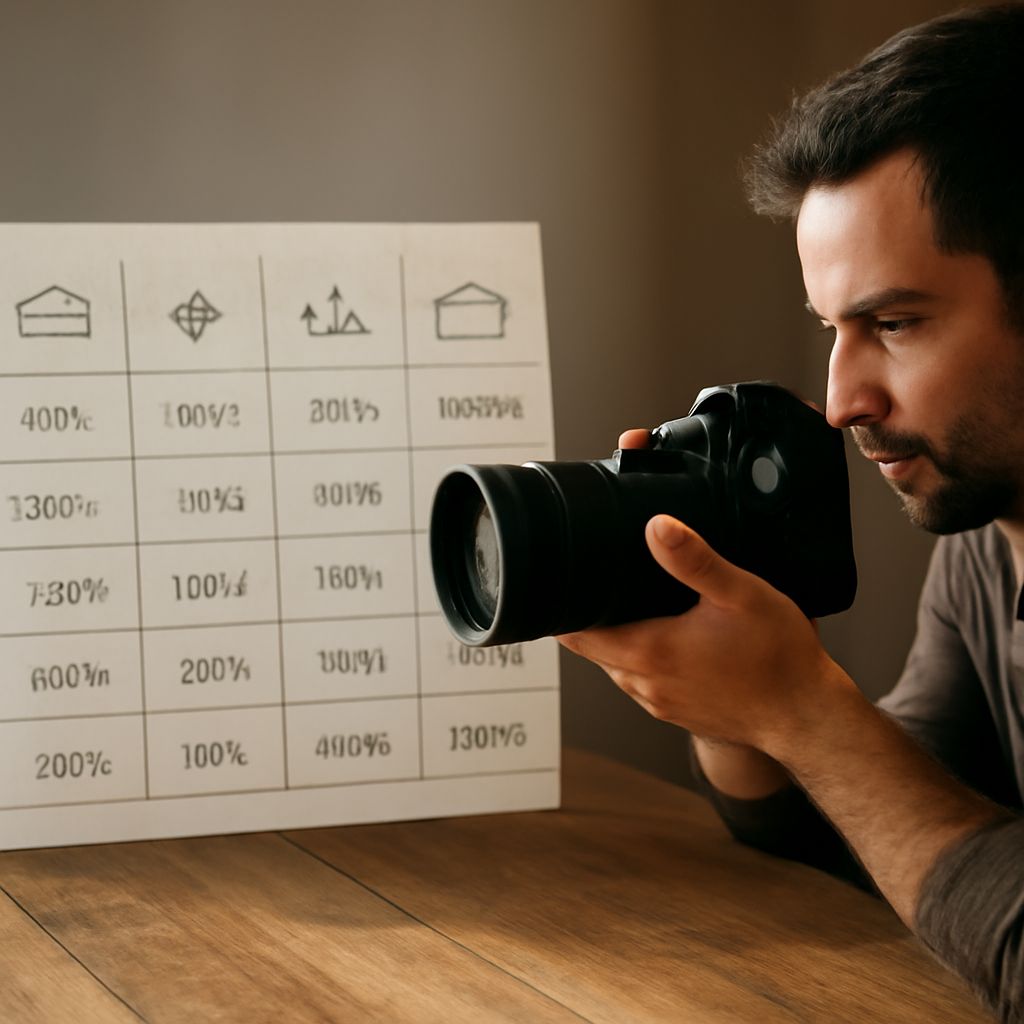
A Sunny 16 chart is a helpful tool for photographers who want a visual representation of exposure settings under various lighting conditions. The chart expands on the basic rule, offering guidance for different scenarios such as cloudy days, overcast skies, or snowy landscapes. For example, while the Sunny 16 rule applies to clear, sunny conditions, the chart might suggest using f/11 under slightly overcast conditions or f/8 on a cloudy day. Having a Sunny 16 chart on hand can assist photographers in adapting quickly to changing lighting conditions.
Practical Applications
The Sunny 16 rule is beneficial for landscape photography, street photography, and outdoor portraits. By mastering this rule, photographers can maintain creative control over their exposure settings, leading to more consistent and predictable results. This rule is particularly advantageous when shooting with film cameras or older digital cameras lacking modern metering technology. It also serves as a valuable learning tool for beginner photographers, providing a foundation for understanding the relationship between aperture, shutter speed, and ISO.
Common Mistakes
One common mistake when using the Sunny 16 rule is failing to adjust for non-standard lighting conditions. Photographers might stick rigidly to f/16 even when shadows are present or when light is diffused by clouds. Additionally, neglecting to account for reflective surfaces, like water or snow, can lead to overexposed images. It’s essential to remember that the Sunny 16 rule is a guideline rather than a fixed rule. Photographers should remain flexible and make necessary adjustments based on their specific shooting conditions.