Lighting in photography is a fundamental element that can dramatically alter the mood, impact, and quality of your images. Whether you’re shooting portraits, landscapes, or products, mastering the art of lighting opens up a realm of creative possibilities. This article will guide you through essential photography lighting techniques, exploring both natural and artificial sources, and addressing common challenges faced by photographers.
Understanding Light in Photography
Light in photography serves as the canvas on which images are painted. It affects exposure, contrast, and texture, shaping the final result. The direction, color, and intensity of light play pivotal roles in the composition. For example, soft light can flatter subjects, reducing harsh shadows, while hard light can add drama and depth. Understanding how light interacts with subjects is crucial for capturing stunning images.
Natural vs. Artificial Lighting
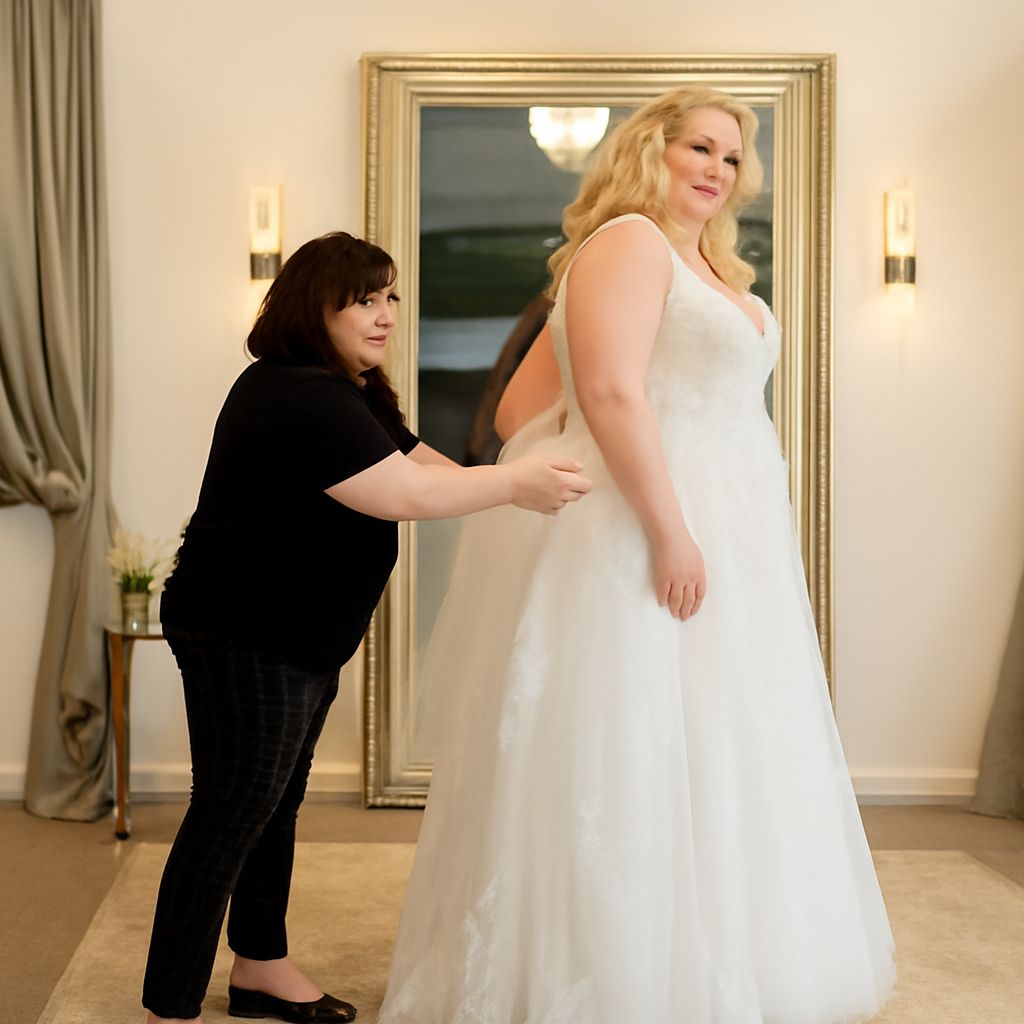
Photographers often have to choose between natural and artificial lighting. Natural lighting, such as sunlight, offers a dynamic range throughout the day, influencing color temperature and shadow intensity. It’s a favorite for outdoor shoots and can be modified using reflectors or diffusers to soften or redirect light. On the other hand, artificial lighting provides control and consistency. Studio lights, flashes, and LED panels allow photographers to create specific lighting conditions, regardless of the time of day or weather.
Essential Photography Lighting Techniques
Diffused Lighting
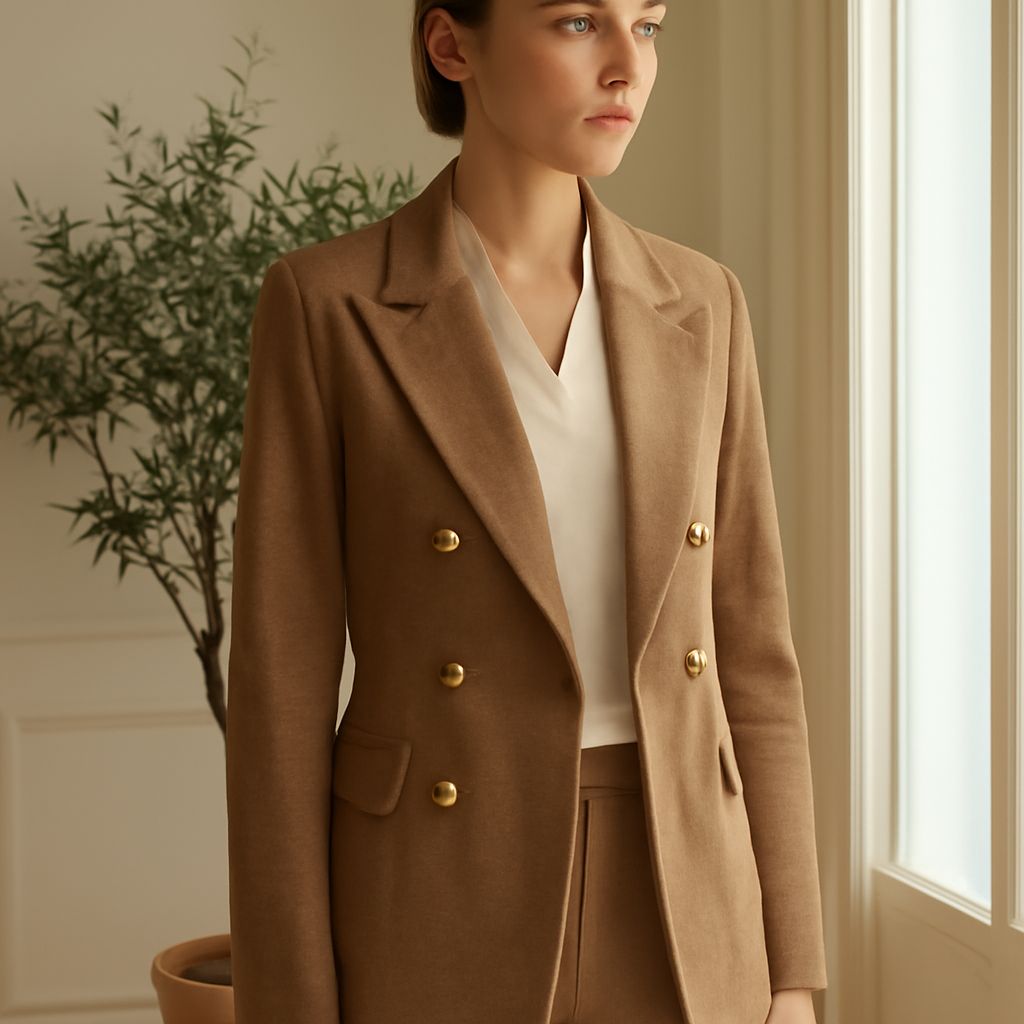
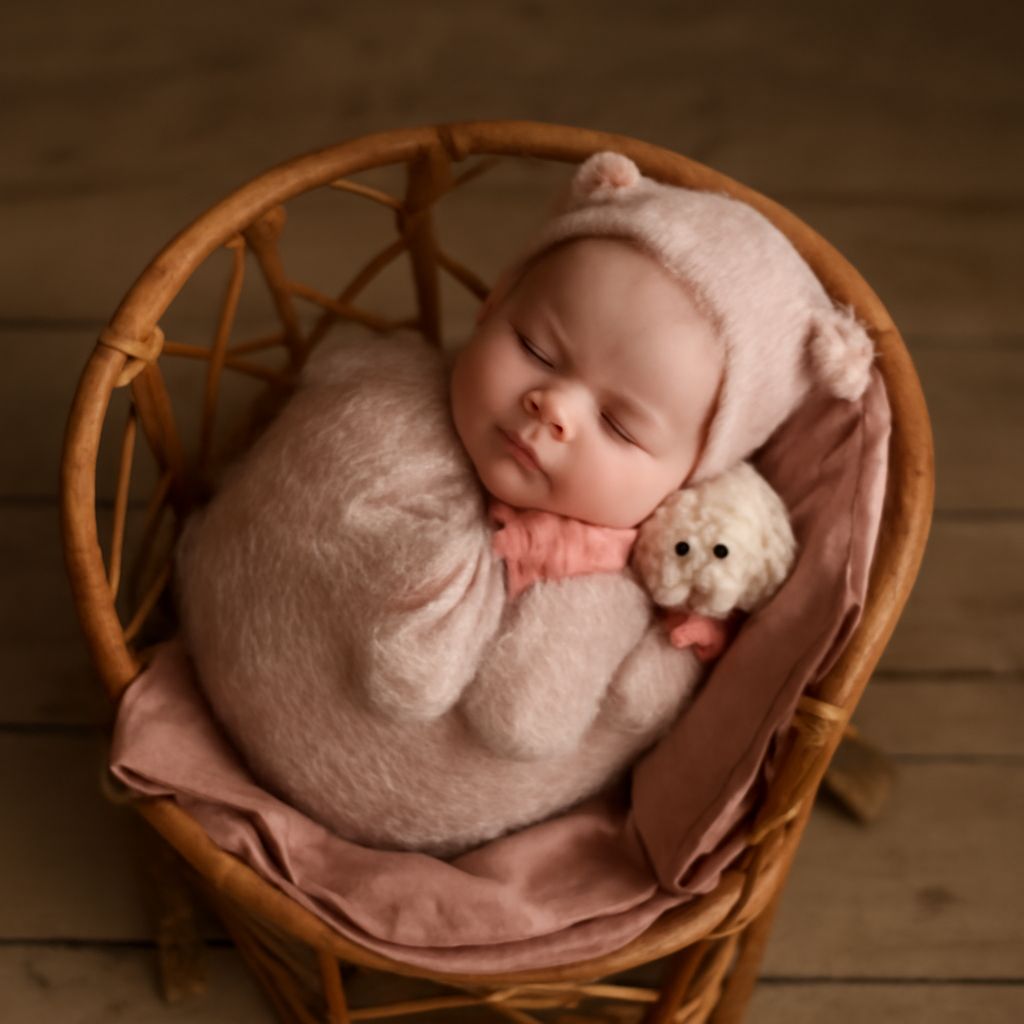
Diffused lighting is achieved by scattering light through a surface, creating a soft and even illumination. This technique minimizes harsh shadows and highlights, making it ideal for portraits and product photography. To diffuse light, you can use umbrellas, softboxes, or natural materials like sheer curtains.
Backlighting
Backlighting involves positioning the light source behind the subject. This technique can create silhouettes or highlight edges, adding depth and interest to an image. Adjust your exposure settings to capture the desired effect, ensuring the main subject remains visible.
Low-Key and High-Key Lighting
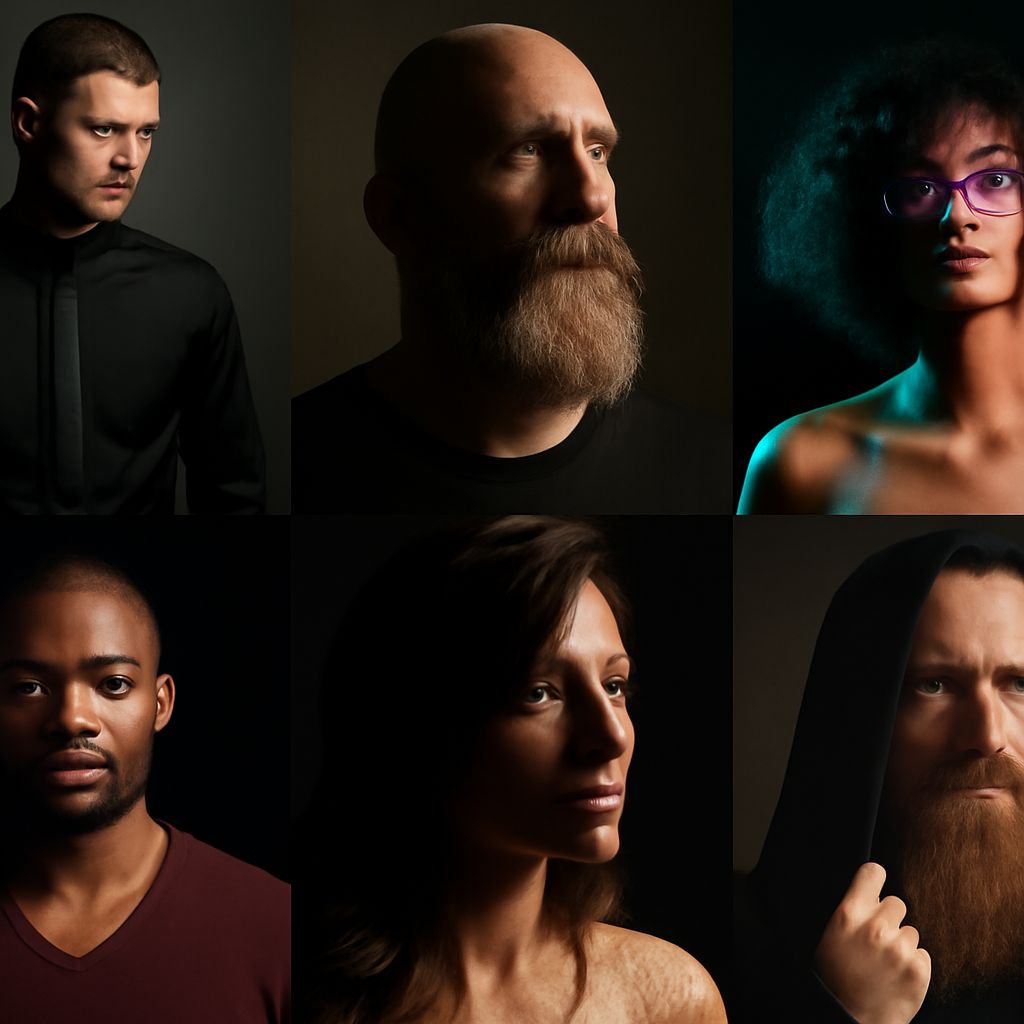
Low-key lighting emphasizes shadows and contrast, often using minimal light sources to create dramatic and moody images. This technique is excellent for conveying emotion and tension. Conversely, high-key lighting reduces contrast with bright, evenly lit scenes, making it suitable for cheerful and airy compositions. Both techniques require careful control over exposure and light placement.
Common Lighting Challenges and Solutions
Photography lighting can present challenges such as unwanted shadows, reflections, and color casts. To overcome these, adjust the position of your light sources, use diffusers or reflectors, and experiment with angles. For reflections in product photography, polarizing filters can help minimize glare. Color casts are often caused by mixed light sources; using consistent white balance settings can mitigate this issue. Practice and patience play crucial roles in mastering lighting techniques, ensuring you capture images that resonate with your vision.