Navigating the world of Japanese fashion can be both fascinating and complex. Understanding what to wear for different occasions is key to respecting cultural norms and dressing appropriately. Whether you’re attending a traditional event or exploring the modern streets of Tokyo, knowing the appropriate dress code can make all the difference.
Traditional Japanese Attire
Traditional Japanese clothing offers a distinct blend of elegance and symbolism. The kimono is perhaps the most recognizable garment, often worn during ceremonies and significant cultural events. Kimonos come in various styles, colors, and patterns, each indicative of the season, the wearer’s status, or the occasion itself. For formal occasions, women may wear a furisode, which features long sleeves, while men might opt for a montsuki, a black kimono adorned with the family crest.
Another traditional piece is the yukata, a lighter, more casual version of the kimono, often worn during summer festivals or relaxing at a ryokan, a traditional Japanese inn. Footwear usually includes the zori or geta, traditional sandals that complement the attire.
Modern Dress Codes
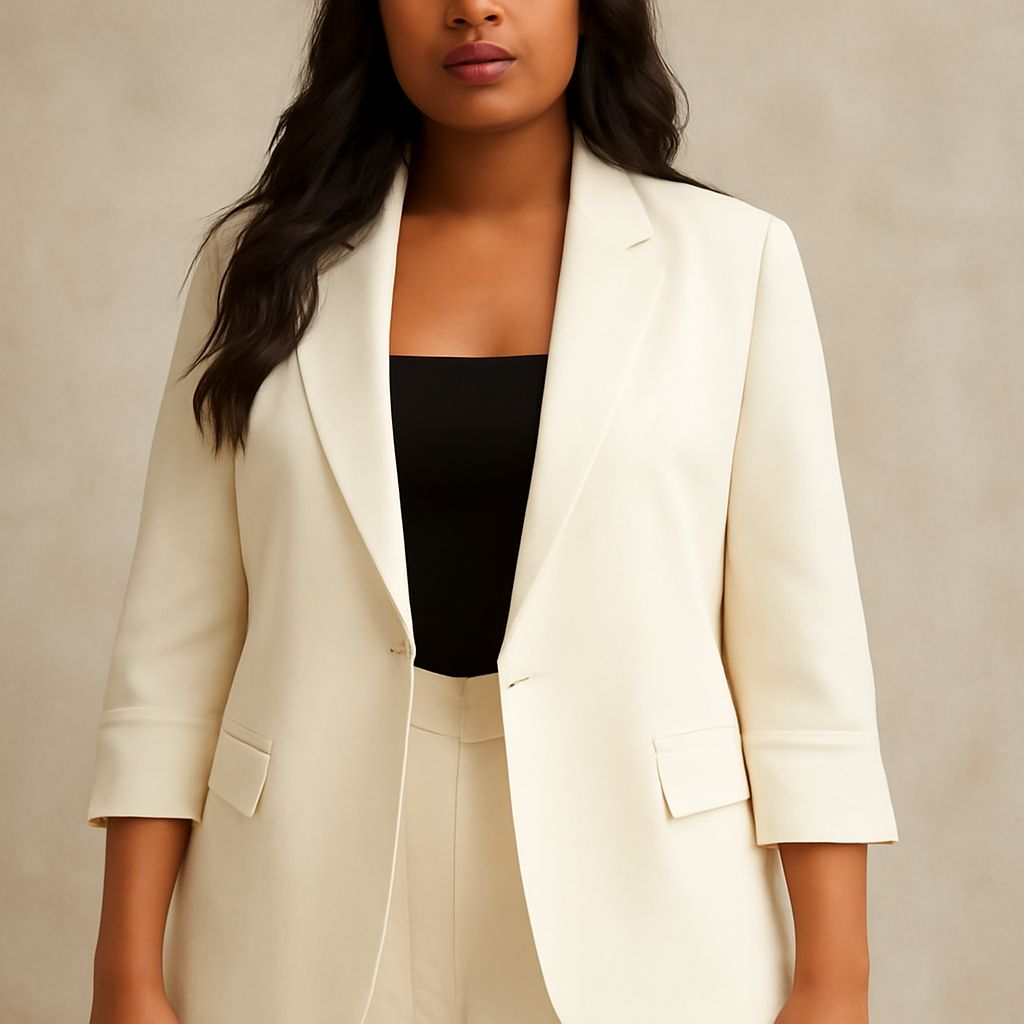
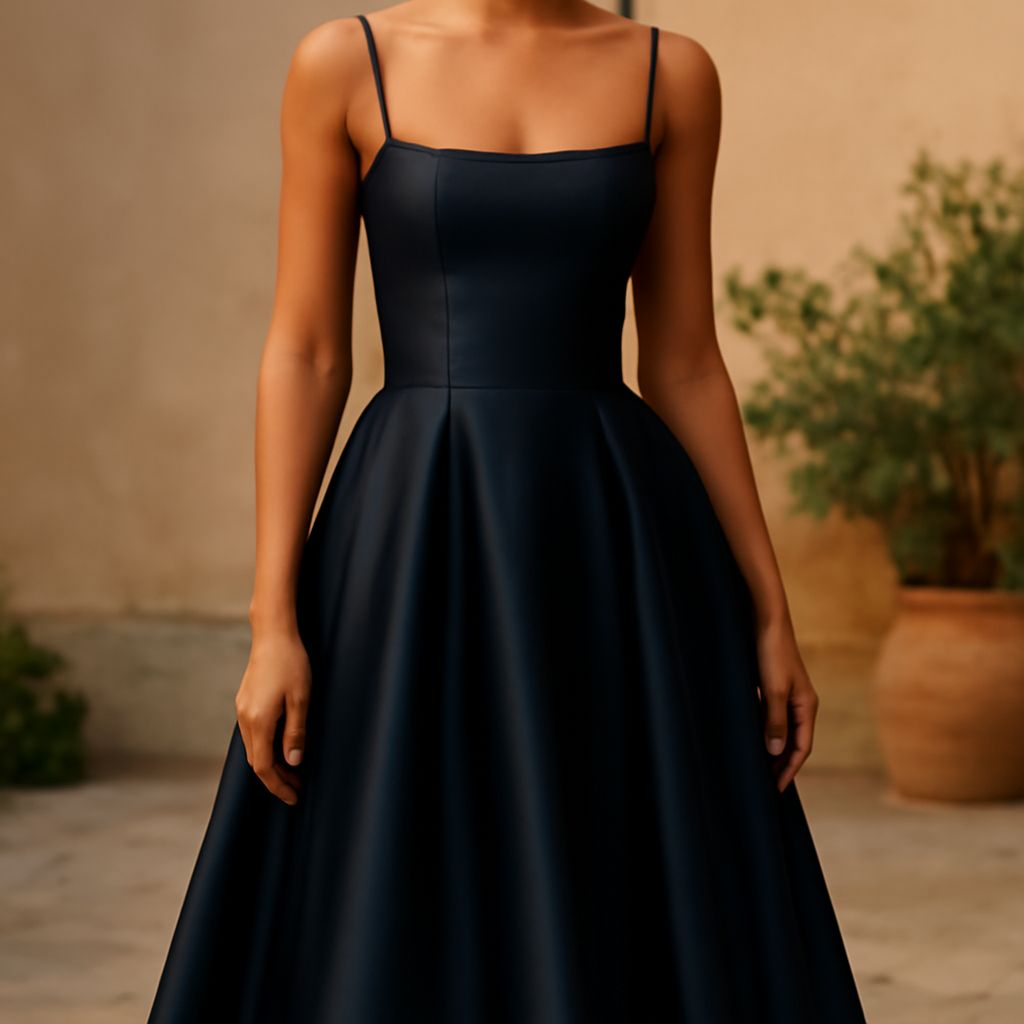
In contemporary Japan, dress codes vary widely and often incorporate Western styles. In business settings, formal attire is the norm. Men typically wear suits with ties, while women might choose a tailored suit or a conservative dress. It’s essential to opt for neutral colors like black, navy, or grey to project professionalism.
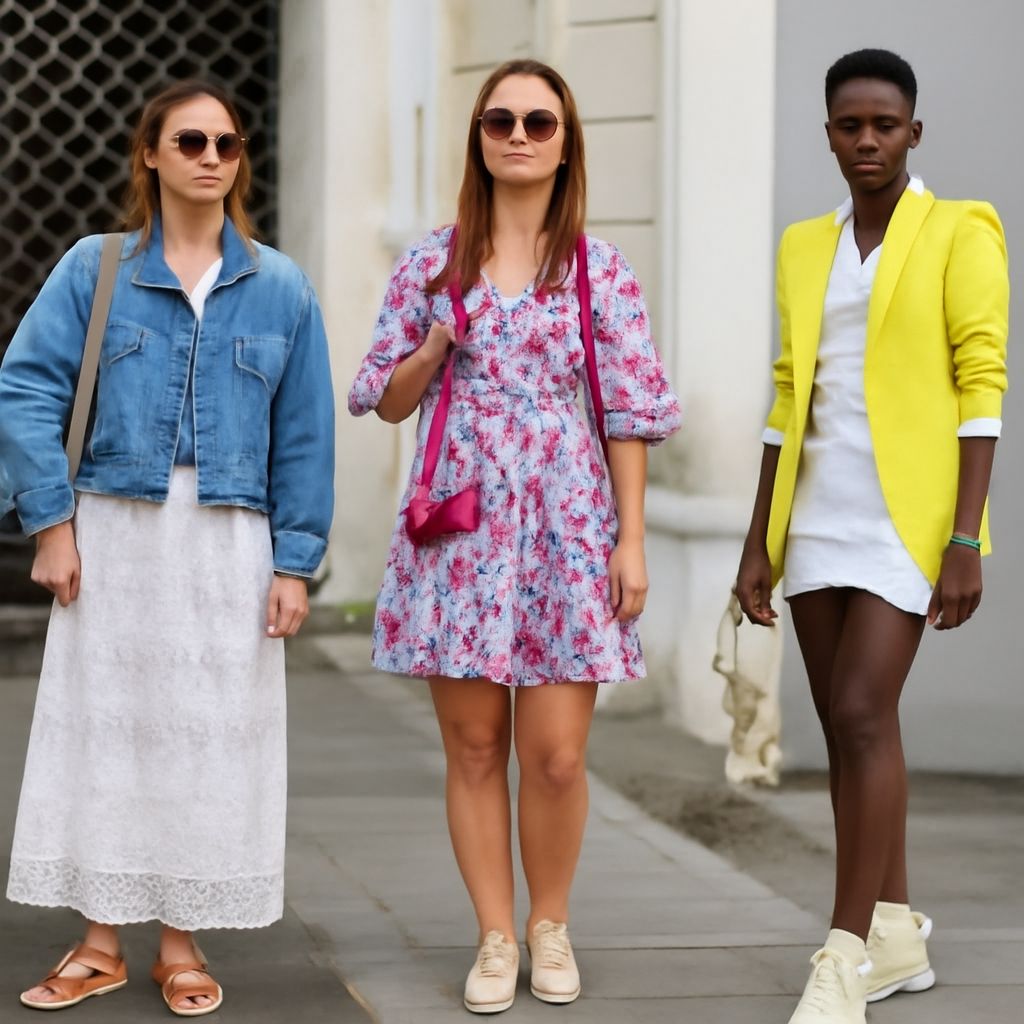
For casual environments, the dress code is more relaxed but still tends to be modest. Items such as jeans, t-shirts, and sneakers are common, but it’s advisable to avoid overly revealing or flashy clothing. In recent years, street fashion in areas like Harajuku has embraced bold colors and unique styles, allowing for more personal expression.
Dress Etiquette for Specific Occasions
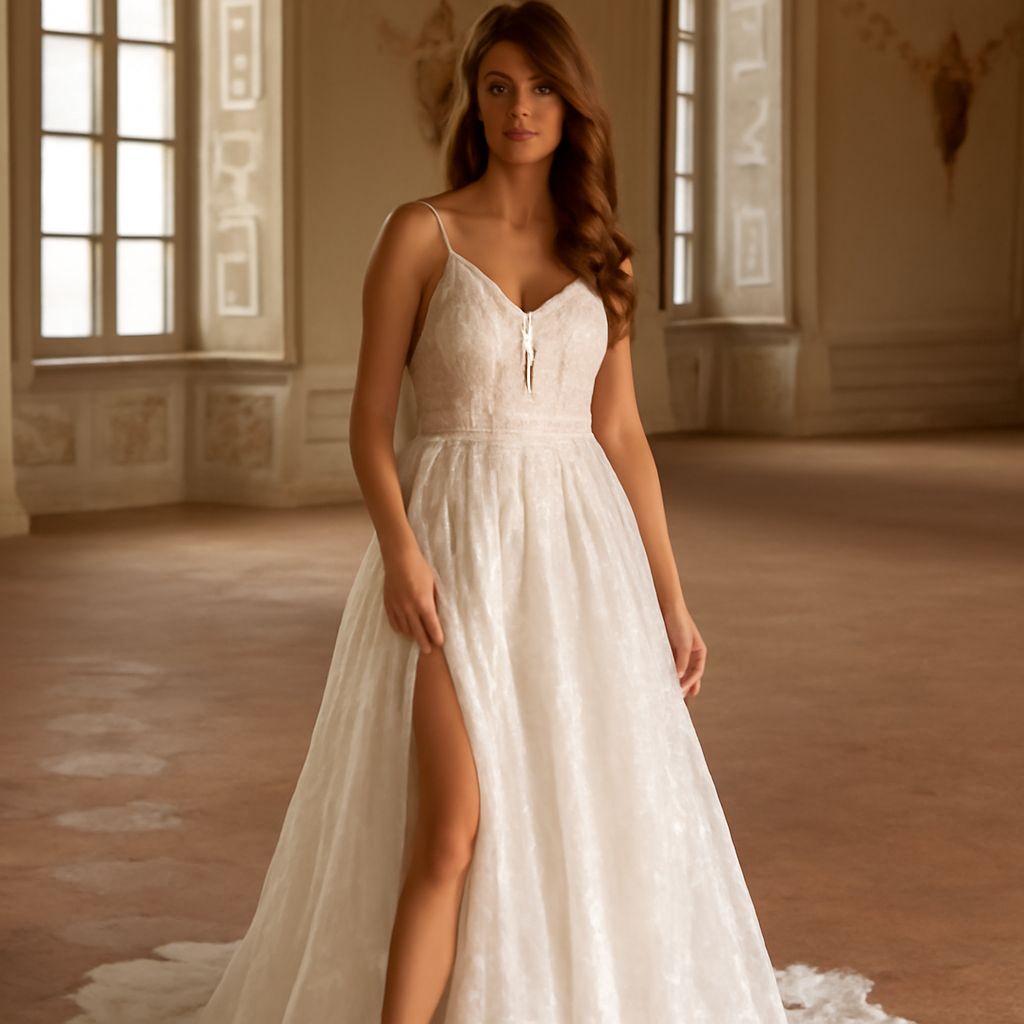
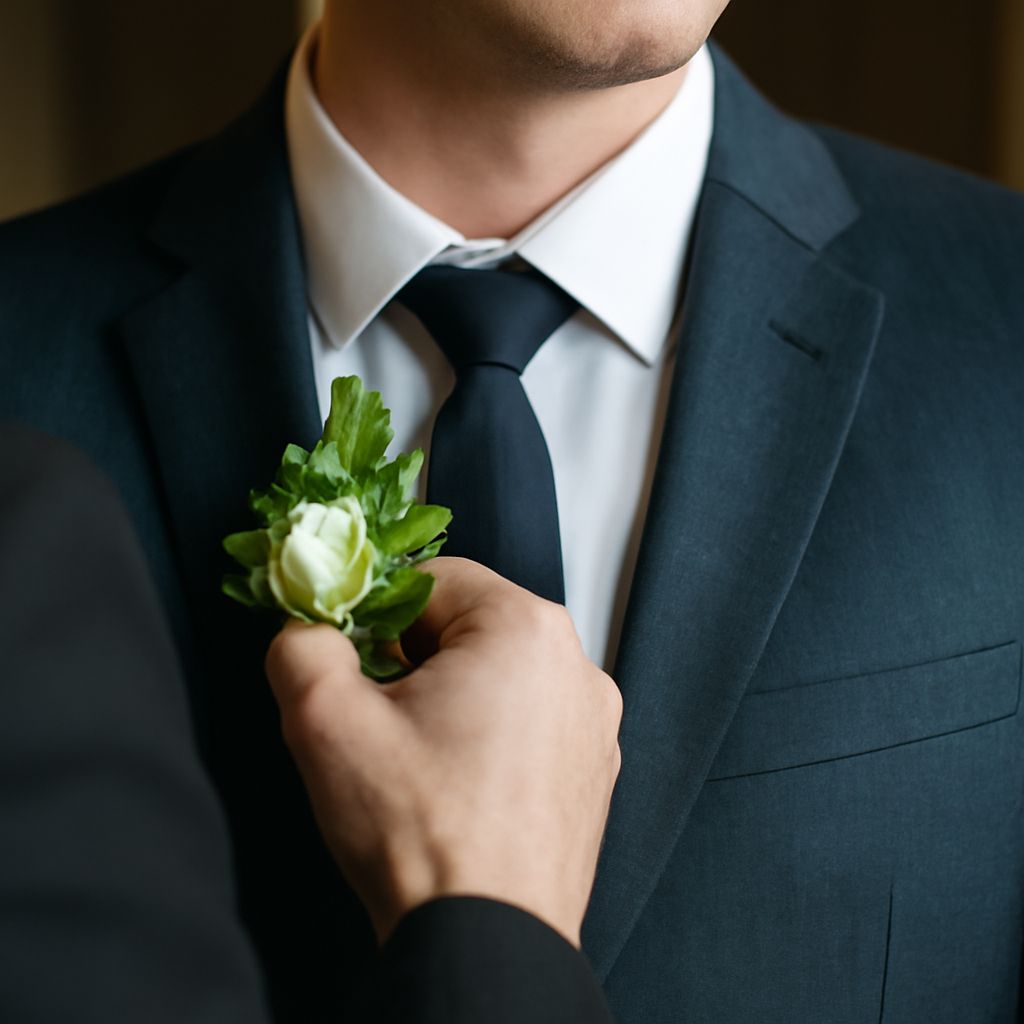
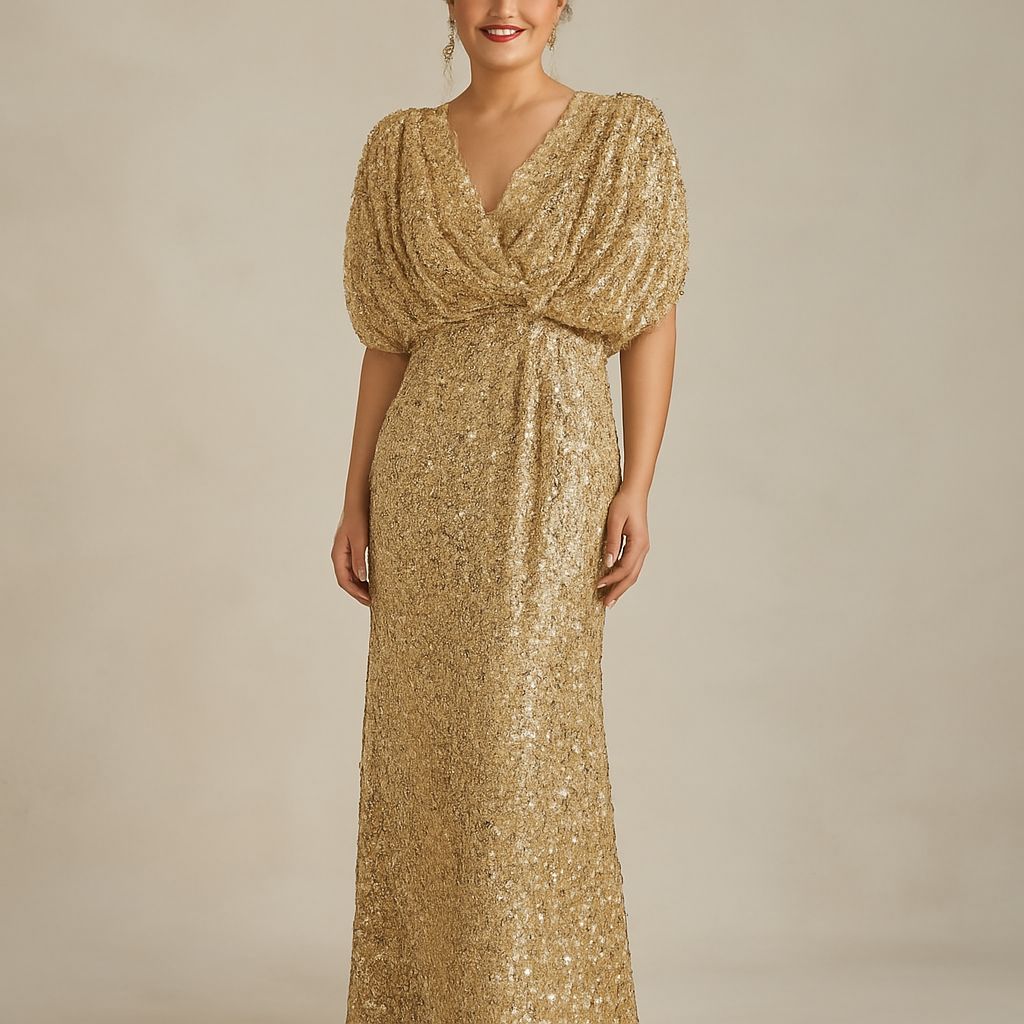
Understanding dress etiquette for specific occasions is crucial in Japan. For weddings, guests often wear formal attire, with women choosing dresses in soft colors and men wearing dark suits. Avoid white, as it is traditionally reserved for the bride. At funerals, black is the customary color, and it’s important to wear subdued, respectful clothing.
During formal events, such as tea ceremonies or traditional celebrations, it is common to wear either a kimono or a smart formal outfit. Paying attention to the event’s nature and context will often guide appropriate dress choices.
Casual vs. Formal Wear
The distinction between casual and formal wear in Japan can be subtle yet significant. Casual wear is generally neat and understated, with a preference for clean lines and simplicity. This includes pieces like fitted jeans, blouses, and comfortable shoes.
In contrast, formal wear is more structured and polished. Suits, blazers, and formal dresses are the standard, and accessories are kept minimal to maintain elegance. The key to navigating these dress codes is to observe and adapt to the context and cultural expectations.
In conclusion, understanding what to wear in Japan involves balancing traditional influences with modern sensibilities. By respecting these dress codes, you’ll not only fit in visually but also show cultural appreciation and understanding.