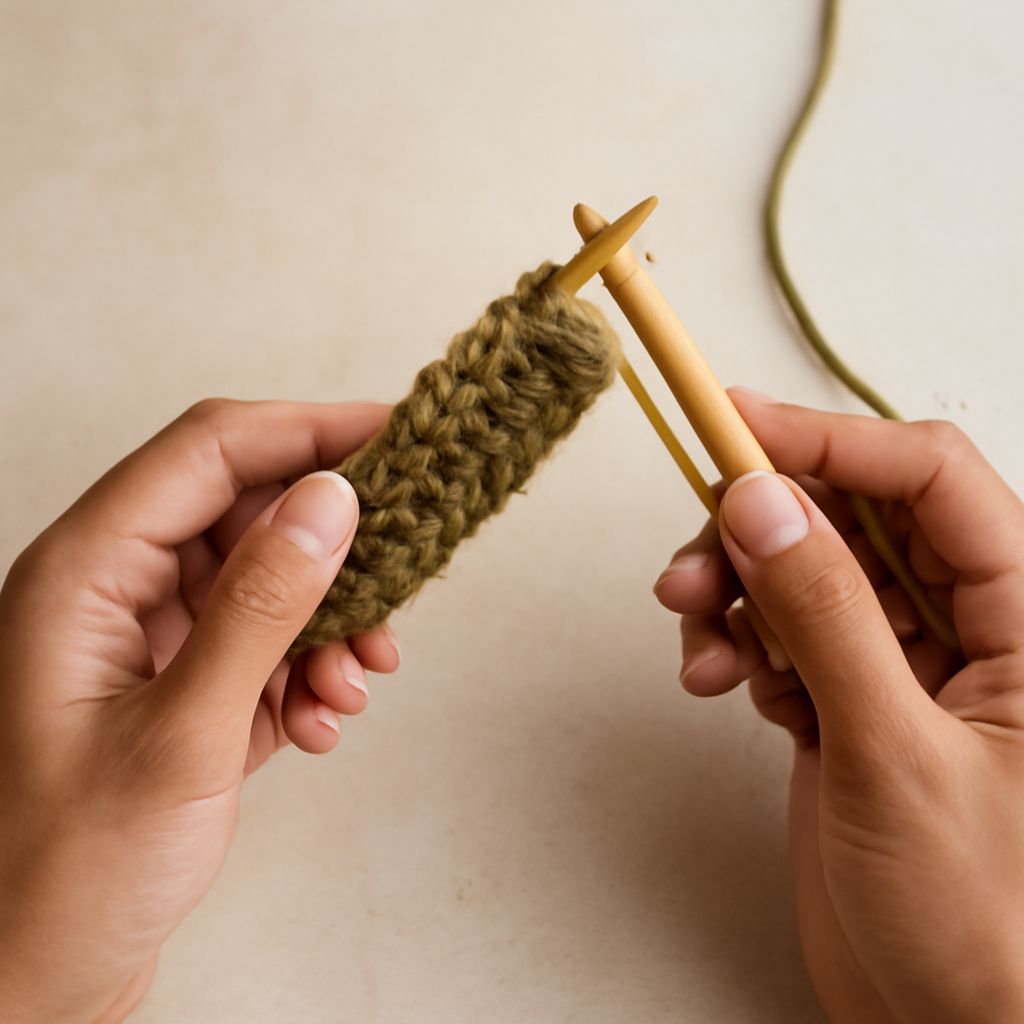
Starting your knitting journey is an exciting adventure, and mastering the art of casting on is the first step towards creating beautiful projects. Whether you’re looking to craft cozy sweaters or intricate cosplay pieces, learning how to cast on knitting is an essential skill for beginners. This guide will walk you through the basics of casting on, materials needed, step-by-step instructions, and common mistakes to avoid.
Understanding Casting On
Casting on is the process of creating the initial row of stitches on your knitting needle. It serves as the foundation for the rest of your knitting project. There are various methods to cast on, each with its unique advantages. As a beginner, it’s helpful to start with the long-tail cast on, which is versatile and provides a neat edge. This technique involves using both the yarn tail and the working yarn to form stitches.
Materials Needed
Before you begin casting on, gather the following materials:
- Yarn: Choose a yarn that suits your project and is easy to handle. Worsted weight yarn is often recommended for beginners due to its thickness and manageability.
- Knitting Needles: Select needles that match your yarn weight. Needle size can often be found on the yarn label, with US size 7 or 8 being a popular choice for worsted weight yarn.
- Scissors: A small pair of scissors will be handy for cutting yarn.
Step-by-Step Guide to Cast On
Follow these steps to successfully cast on your first row of stitches:
- Create a Slip Knot: Make a slip knot with your yarn. This knot will be the first stitch on your needle.
- Position the Yarn: Hold the needle with the slip knot in your right hand. Use your left hand to position the yarn by placing the tail over your thumb and the working yarn over your finger.
- Form a Loop: With your left thumb, create a loop by twisting the yarn. Insert the needle into this loop from underneath.
- Draw the Yarn Through: Use your needle to grab the yarn from your finger and pull it through the loop on your thumb.
- Release and Tighten: Release the loop from your thumb and gently pull on both the tail and the working yarn to tighten the stitch on the needle.
- Repeat: Continue this process until you have the desired number of stitches on your needle.
Common Mistakes to Avoid
Even experienced knitters can make mistakes while casting on. Here are some common pitfalls to watch out for:
- Too Tight Stitches: Ensure that your stitches are not too tight on the needle, as this can make knitting the next row difficult.
- Lost Count: Keep track of the number of stitches you’ve cast on to avoid having too few or too many.
- Uneven Tension: Aim for consistent tension while forming each stitch to maintain an even edge.
By understanding casting on techniques, gathering the right materials, following a structured method, and being aware of common mistakes, you will confidently start your knitting projects. Practice regularly to improve your skills, and soon, casting on will become second nature.