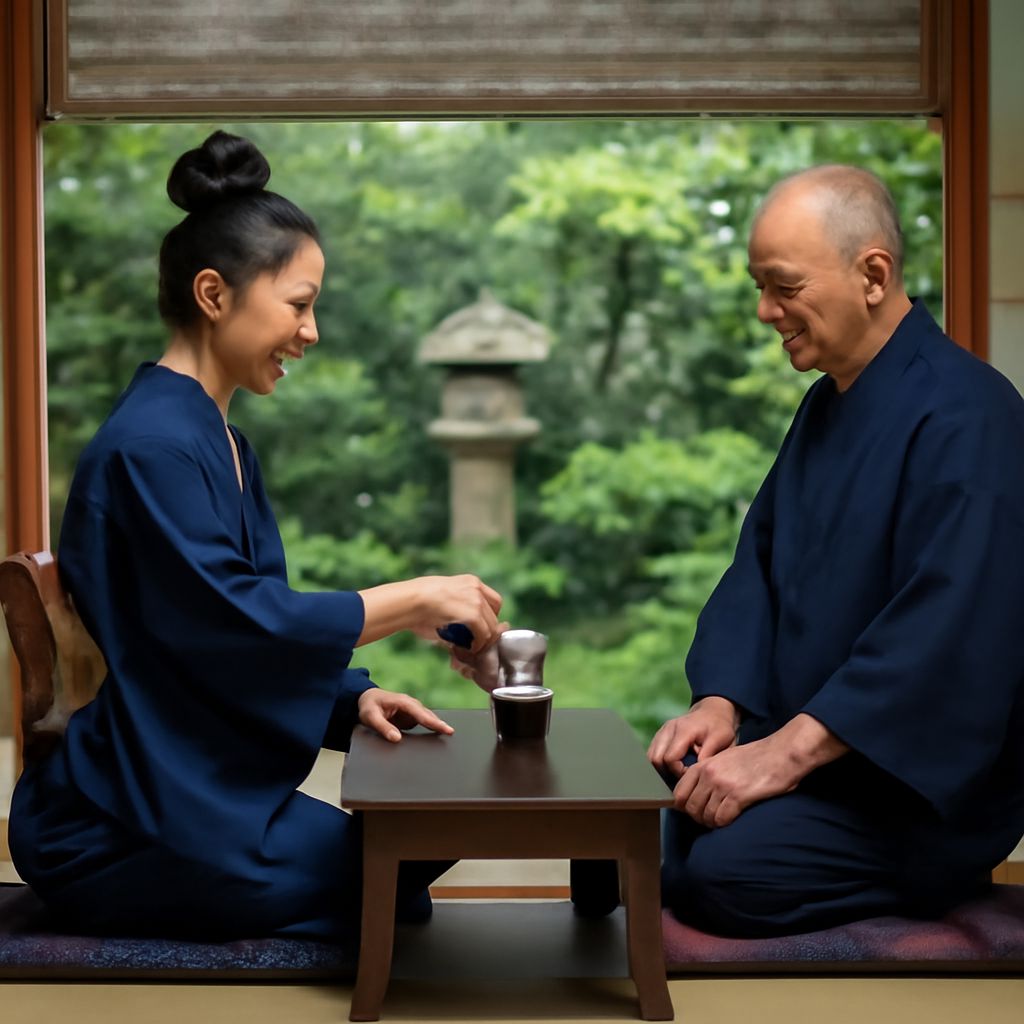
Crossdress Japan explores clothes as things people wear, make, and give meaning to. Its guides bring together Japanese dress, cross-dressing and gender presentation, theatre costume, and the visual cultures around them.
Start with the garment
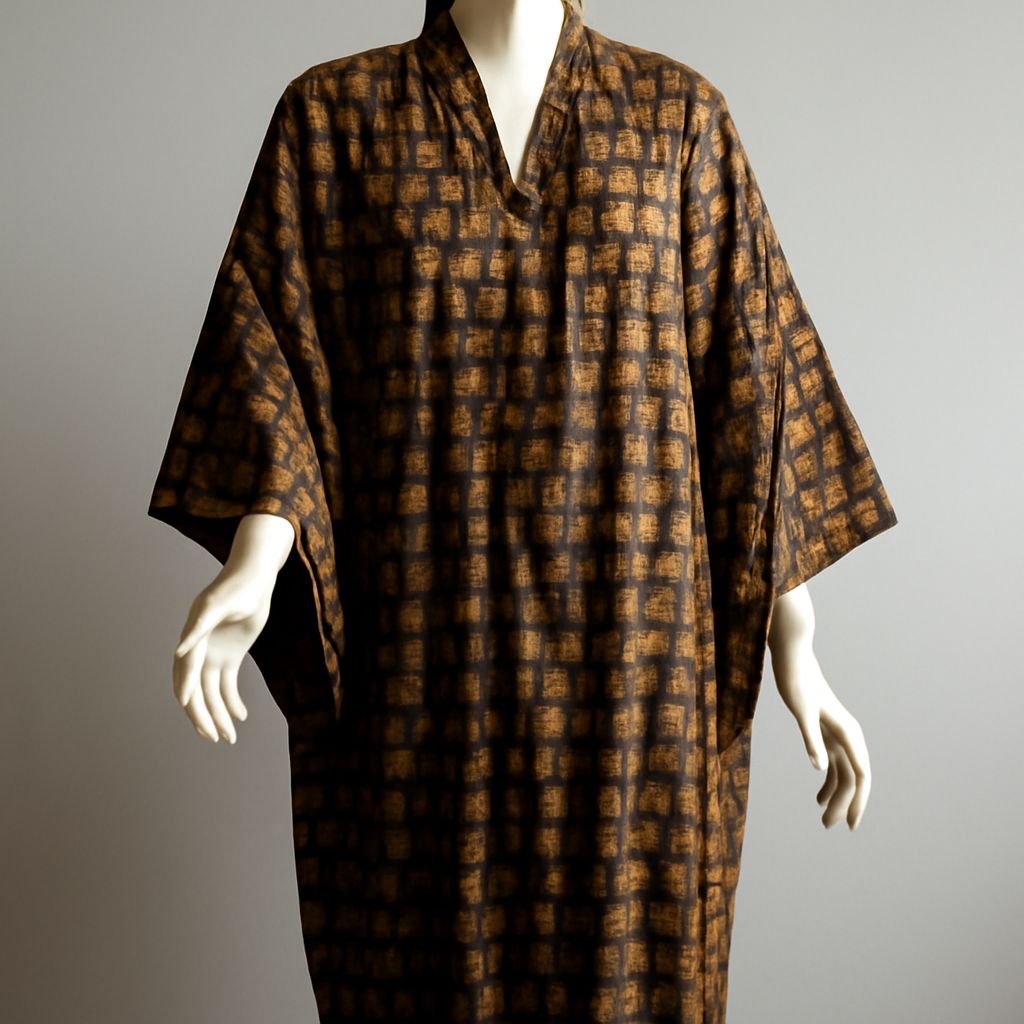
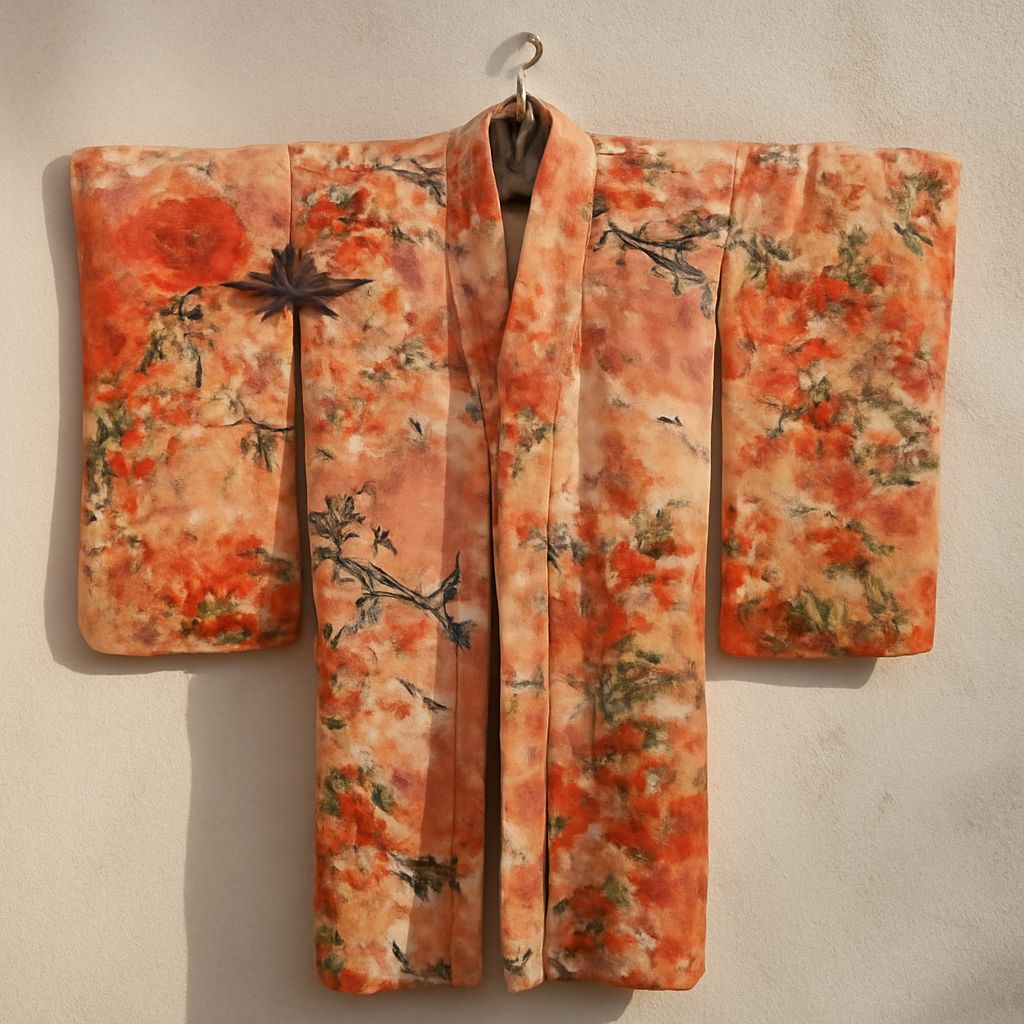
What distinguishes a yukata from a kimono? How do haori, hakama, and obi fit into an outfit? The Japanese Dress section explains construction, layers, patterns, and occasions, alongside introductions to sashiko and shibori. Practical guides also look at measurements, condition, and the details to check when buying a vintage garment.
Follow the look into its context
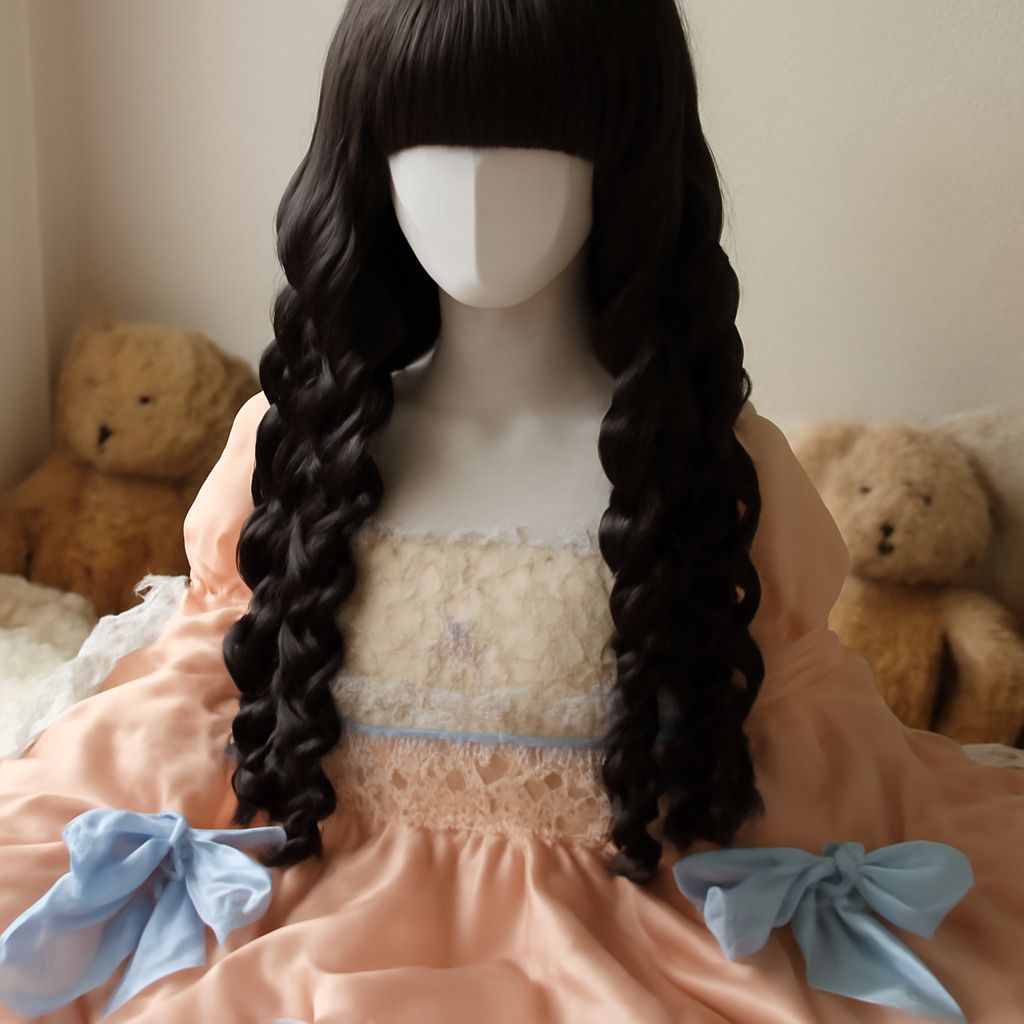
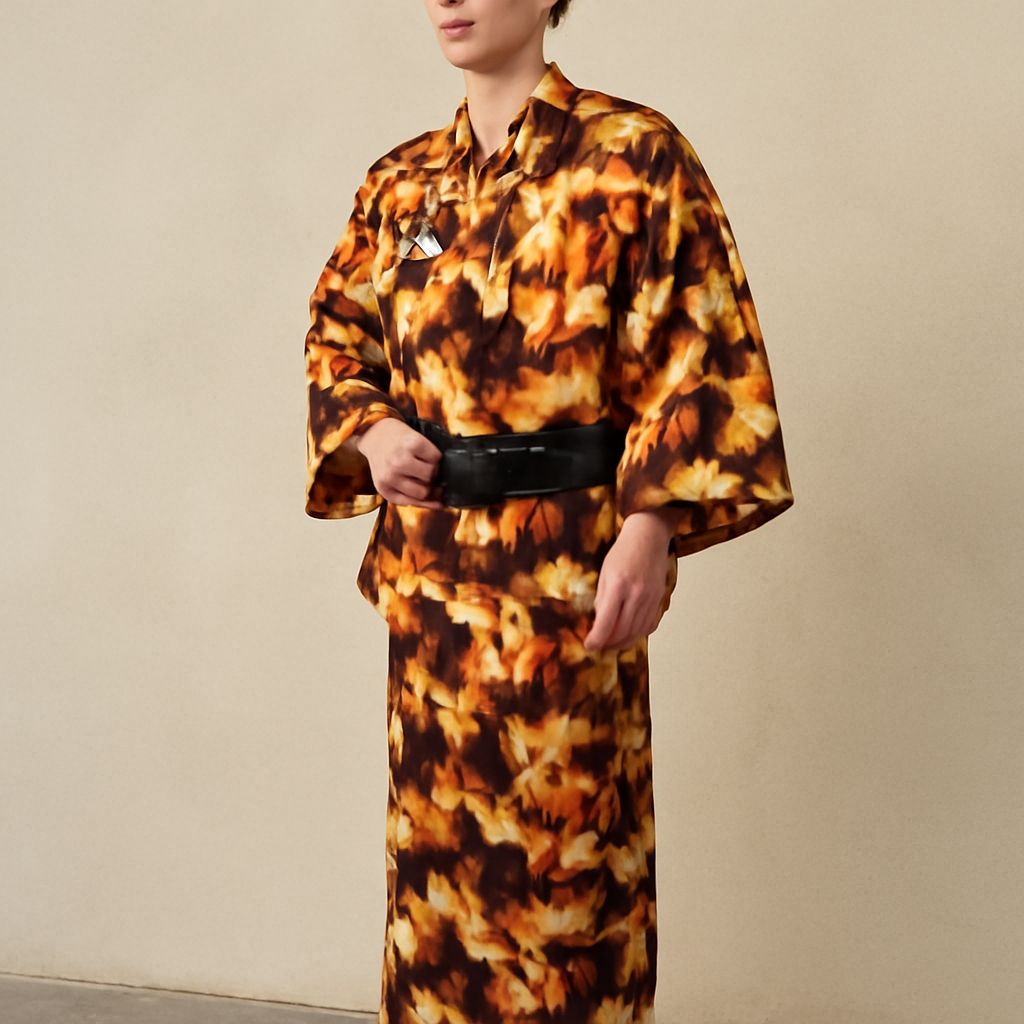
Gender Performance covers josou, cross-dressing, and androgynous styling with attention to fit and individual expression. Clothing choices do not tell you everything about a person’s identity. Stage And Image looks at Kabuki and Noh, fashion photography, and Japanese print traditions; Visual Culture turns to Visual Kei, Harajuku styles, Lolita fashion, and cosplay materials.
These subjects overlap, but their terms and histories matter. A stage role, a street-fashion style, and an everyday outfit can use similar visual elements for very different purposes. The aim is to make those distinctions easier to see while offering useful starting points for your own reading or making.
For a correction, a terminology question, or a suggestion for a guide, visit Contact.