A soft vest over a familiar shirt can become a shopkeeper’s uniform; a bright skirt can suggest a dancer before a single step is taken. For a toddler, an outfit works best when the idea is recognizable and the clothes still allow sitting, reaching, and moving freely.
Dress-up clothing for young children can be assembled from ordinary garments or selected as a complete costume. Outfits sold for girls are one source of colors and shapes, and any child can choose the role that interests them. The practical details—size, fastenings, layers, and age-appropriate components—determine how comfortably the idea survives a busy play session.
Dress Up Clothes for Girls and Other Play Ideas
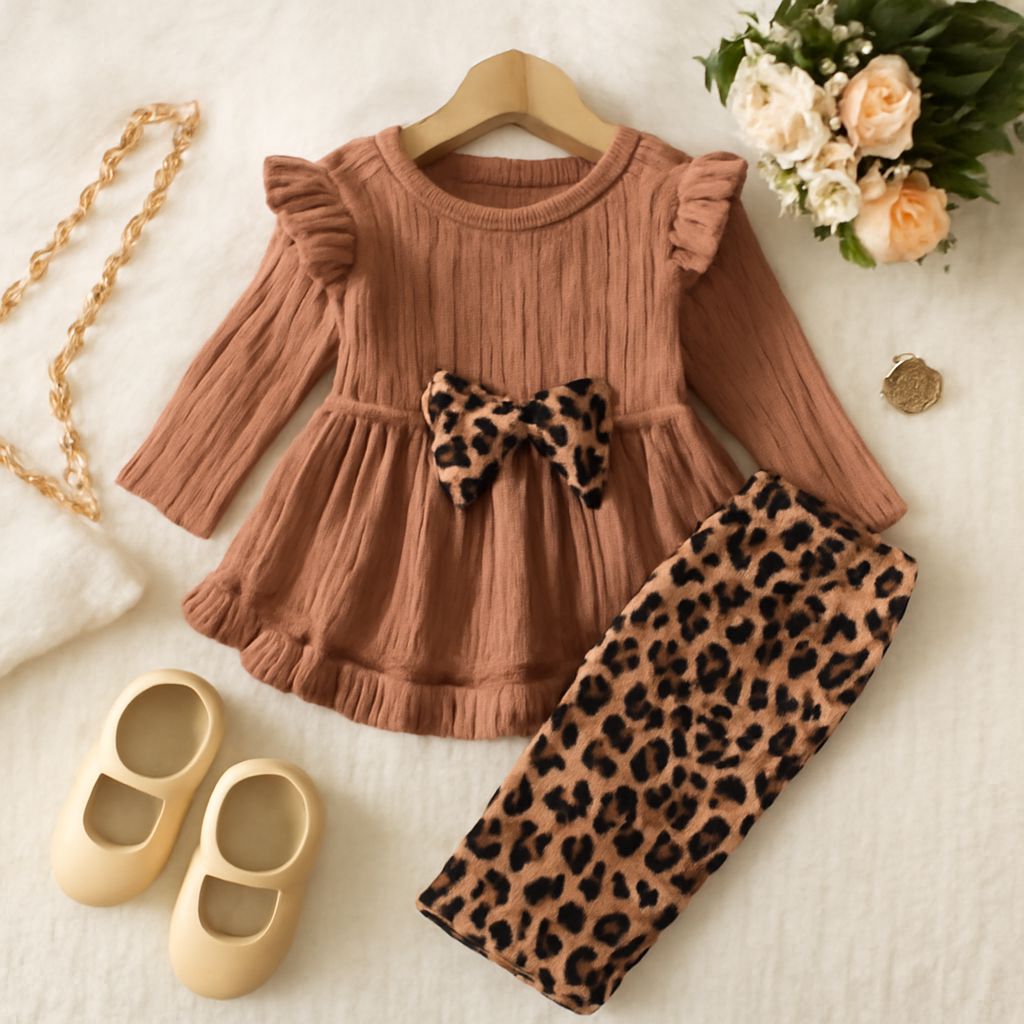
A dancer might wear a soft, knee-length skirt over leggings and a familiar T-shirt. A wide elastic waistband makes the outfit easier to pull on and off, while the leggings leave room for floor play. Dress up clothes for girls can include a skirt for this role, and any child can wear it. Choose a hem that stays clear of the child’s feet and avoid loose decorative pieces.
For a gardener, a washable shirt and loose overalls can suggest working in a garden. Broad straps that stay in place and fastenings an adult can open quickly make changing easier. A soft fabric pocket can hold a large pretend item appropriate for the child’s age, although the pocket should not be overloaded. A sun hat can complete an outdoor version if it stays clear of the eyes and has no cord under the chin.
A shopkeeper can wear a colorful vest over everyday clothes. A front opening makes the role visible and lets the child put it on without pulling a costume over the head. A storybook explorer can use a patterned shirt and comfortable pants; the story can come from movement and imagination rather than a collection of small props. Both examples leave the arms free for reaching and playing.
Complete dress up costumes can be appealing when a child recognizes a character immediately. Before buying, check the age guidance, construction, and fit rather than assuming that a familiar character design suits every toddler. Girls’ play costumes and other toddler play outfits with one clear feature can be easier to wash and reuse than elaborate outfits with detachable accessories.
Find a Fit That Moves
A size marked 2T or 3T is a starting label, not a measurement of every child’s proportions. Compare the child’s height, chest, waist, and hips with the maker’s chart, and check whether the listed measurements describe the body or the garment. Leave enough room for ordinary clothes underneath when the costume will be layered.
The most revealing fitting happens in motion. With an adult present, the child can squat, raise both arms, sit on the floor, and take a few steps. A waistband should stay in place without digging in; sleeves should not pull tightly across the shoulders. If the hem brushes the floor, choose a shorter length or another size. Oversized shoes and adult heels can make walking difficult, so familiar, well-fitting footwear is a better match for active play.
Front openings are useful when a child wants to participate in dressing. Large, securely attached closures or broad hook-and-loop tabs can be easier for small hands to manage than a row of tiny buttons. Check that the tab does not scratch the neck or catch hair. For a child still learning to dress, an adult can hold the garment steady while the child guides an arm through a sleeve.
Layers and Details for Safe Play
Girls’ role-play garments and other pretend clothes for toddlers can use a light layer over regular clothing for an easy change of role. In a warm room, one loose vest may be enough; outdoors, the child may need ordinary weather-appropriate clothing beneath it. Check the child’s comfort during play and remove a layer if they become too warm.
Choose toddler dress up clothes without long ties, cords, or necklaces around the neck. The Consumer Product Safety Commission identifies neck and hood drawstrings on young children’s upper outerwear as a strangulation hazard. For costumes marketed to girls or other children, a printed collar or sewn-on fabric shape can suggest a role without a cord. Keep costume pieces away from open flames and heat sources; look for flame-resistant labeling when selecting a costume.
For children under three, avoid loose beads, sequins, small buttons, and detachable decorations that can come off and be mouthed. The CPSC’s small-parts guidance explains the choking risk from small components in products intended for this age group. Inspect seams and fastenings before each use, and set aside a garment if a piece loosens. An adult should supervise play and keep small accessories belonging to older children out of reach.
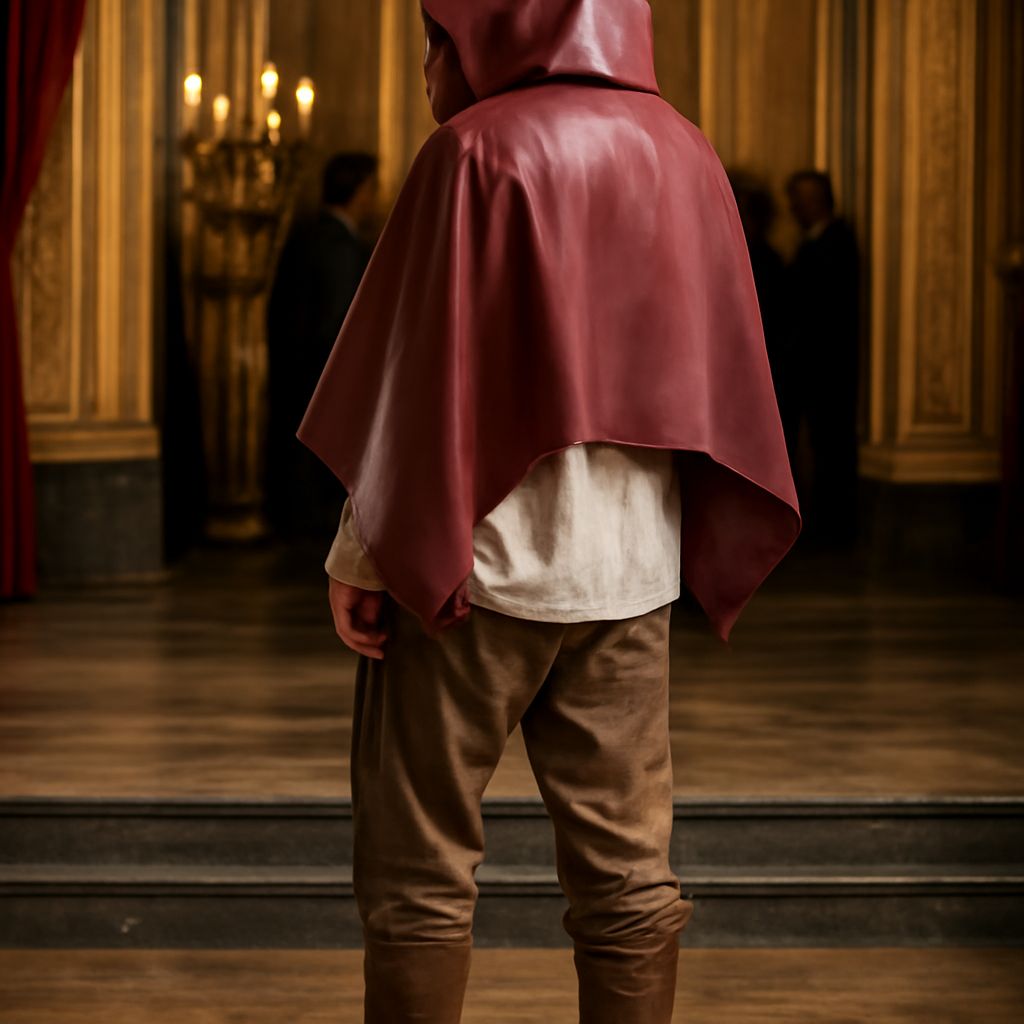
Masks and large hats can slip over the eyes or make breathing uncomfortable. A simple garment that leaves the face uncovered lets the child see and communicate clearly. Avoid capes with neck ties and trailing fabric; a vest can suggest a similar character while leaving the neck and feet clear.
Build a Small, Reusable Collection
For a toddler’s play costume, families can check their own wardrobe, hand-me-downs, a clothing swap, or a secondhand shop. Wash used pieces according to their labels and inspect them for damage, loose parts, and unsuitable ties. A plain shirt, elastic-waist skirt, and vest can become different children’s pretend outfits as the story changes.
When kids dress up together, keep a few easy-to-reach garments in a low, open container and choose pieces appropriate for the youngest child using them. A child who prefers one texture or dislikes a tight collar may play longer with a familiar soft layer than with a detailed costume. Offering two suitable choices lets the child direct the role without making dressing complicated.
For a final check, match the size to the child’s measurements, watch them move in the outfit, and keep the face, neck, and feet clear. Then choose a simple garment that suggests the role the child wants to play and can be put on, removed, and washed without difficulty.