Understanding the different types of stitches can enhance your sewing projects, whether you’re a beginner or a seasoned seamstress. From basic to decorative, each stitch type serves a unique purpose and can transform your textile crafts. This guide will explore various stitch types, helping you choose the right one for your next project.
Basic Stitches
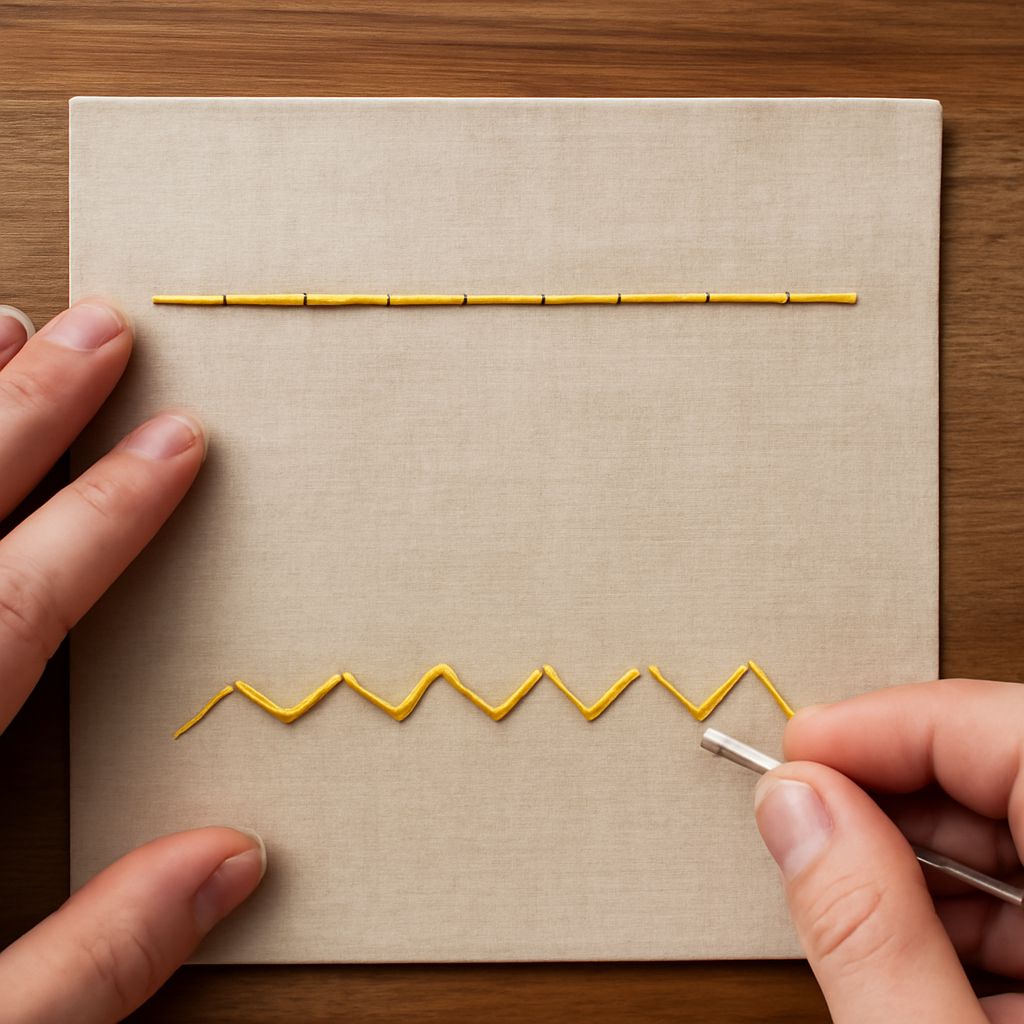
Basic stitches form the foundation of all sewing techniques. These include the running stitch, backstitch, and basting stitch. The running stitch is the simplest and is often used for gathering fabric or temporary seams. The backstitch, stronger than a running stitch, is ideal for seams that require durability. Lastly, the basting stitch is used for temporarily holding pieces together and is easy to remove.
Decorative Stitches
Decorative stitches add flair and personality to any project. Popular options include the blanket stitch, chain stitch, and feather stitch. The blanket stitch offers a neat finish to edges, especially on blankets and quilts. The chain stitch is often used for embroidery, providing a textured, linked appearance. For a more elaborate design, the feather stitch creates a beautiful, intricate pattern that resembles feathers.
Utility Stitches
Utility stitches are practical and essential in garment construction. These include the zigzag stitch, blind hem stitch, and overlock stitch. The zigzag stitch is versatile, suitable for sewing stretch fabrics and finishing raw edges. The blind hem stitch is perfect for hemming trousers and skirts without visible stitches. An overlock stitch, commonly used in sergers, finishes edges and prevents fraying, giving garments a professional look.
Specialty Stitches
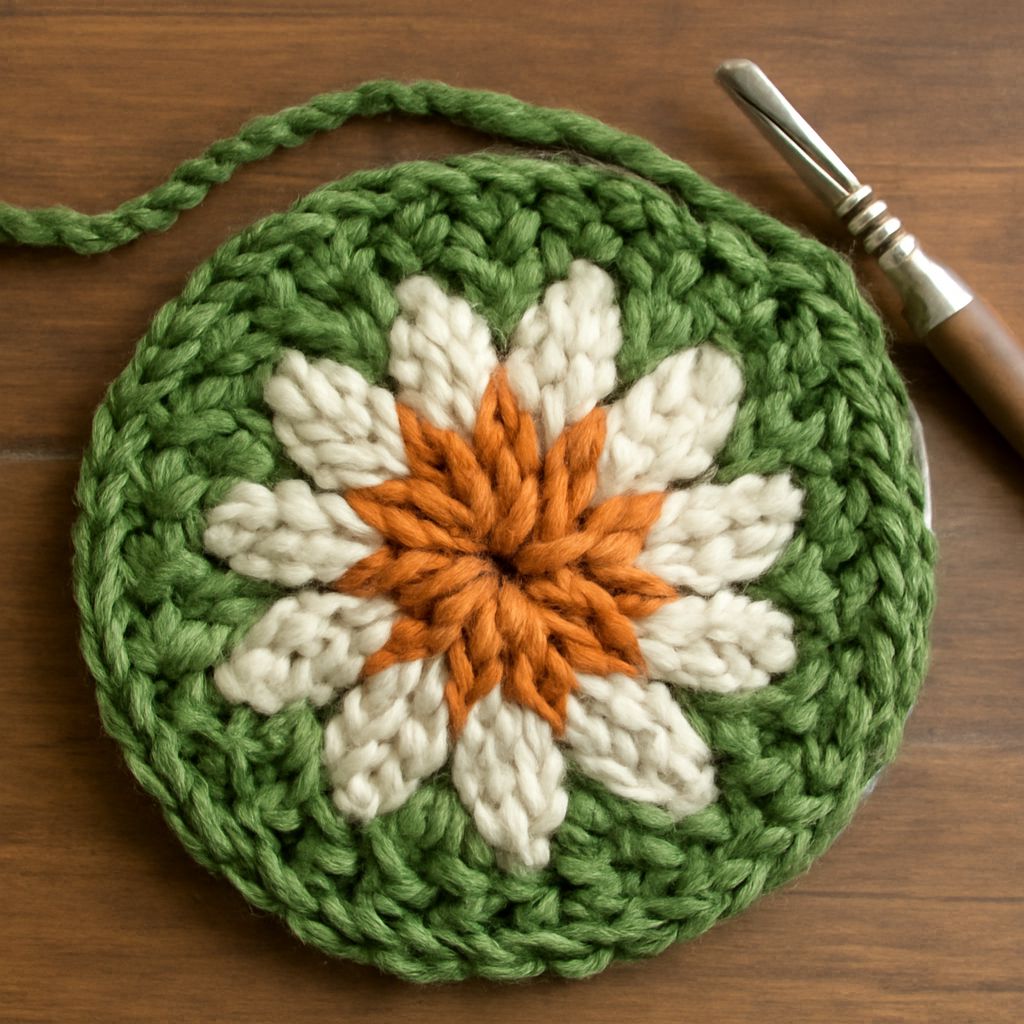
Specialty stitches tackle specific tasks and often require special equipment. The buttonhole stitch creates precise, reinforced holes for buttons. The smocking stitch adds elasticity and decorative texture to fabric, often seen in children’s clothing. For a three-dimensional effect, the puff stitch is used in crocheting, offering a raised, textured look. These stitches require some practice but offer unique and functional benefits to any sewing project.
Mastering these stitch types not only expands your sewing capabilities but also allows for more creativity and customization in your projects. Choosing the right stitch type is crucial for achieving the desired outcome in both function and aesthetics.